Seeds for Generations is a part of Amazon Services LLC Associates Program, as well as other affiliate and/or referral programs. If you purchase or opt-in after clicking on these links, at no additional cost to you, we may receive a small commission for making you aware of these important resources.
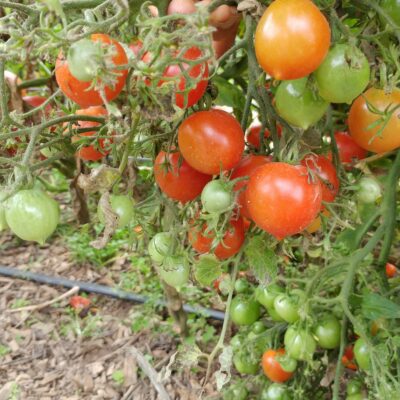
If you’ve seen pictures from our garden, or maybe even visited it yourself, then you know we grow a LOT of tomatoes around here! Not only does our family eat tomatoes regularly, but we also sell tomato seeds and share the extra fruit with local friends, family members, and neighbors.
Through the years, we’ve learned plenty about growing tomatoes from seed to fruit. Since now is the time you need to start tomato seedlings in most areas of the country, we thought it would be a great opportunity to show you how to start your own tomatoes…so you can start picking those juicy, sweet tomatoes straight from your own plants later this summer! You won’t regret a good tomato. 😉
Choosing the Right Variety of Tomato to Grow
Determinate Tomatoes vs. Indeterminate Tomatoes: What’s the Difference?
When shopping for tomato seeds, you’ll see two main types listed: determinate and indeterminate.
- Determinate tomatoes grow to a fixed size, with the plants being bushier and more compact. They tend to produce all their fruit over a short period, making them great for canning or if you want a big harvest all at once.
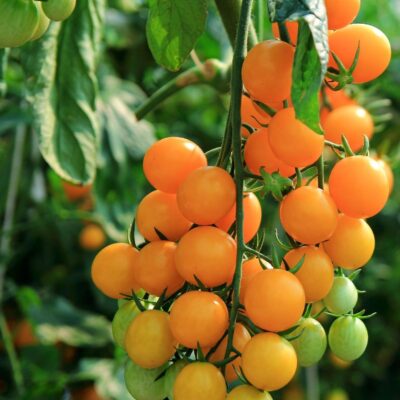
- Indeterminate tomatoes keep growing and producing fruit throughout the growing season until frost. These are typically tall vines and need support like stakes or cages but provide a steady supply of tomatoes over time, instead of all at once.
Which should you choose? Think about how you want to use your tomatoes and how much space you have to decide which type suits you best.
Local Considerations for Tomatoes
The long growing season is why most gardeners in moderate climates plant their own seedlings or buy tomato seedlings from the store. This gives the plants a headstart and allows them to produce plenty of fruit within a single growing season. If you live further north with an even shorter growing season, you may want to pay attention to “days to maturity” on the seed packets, as that will tell you how many days the variety needs to produce fruit.
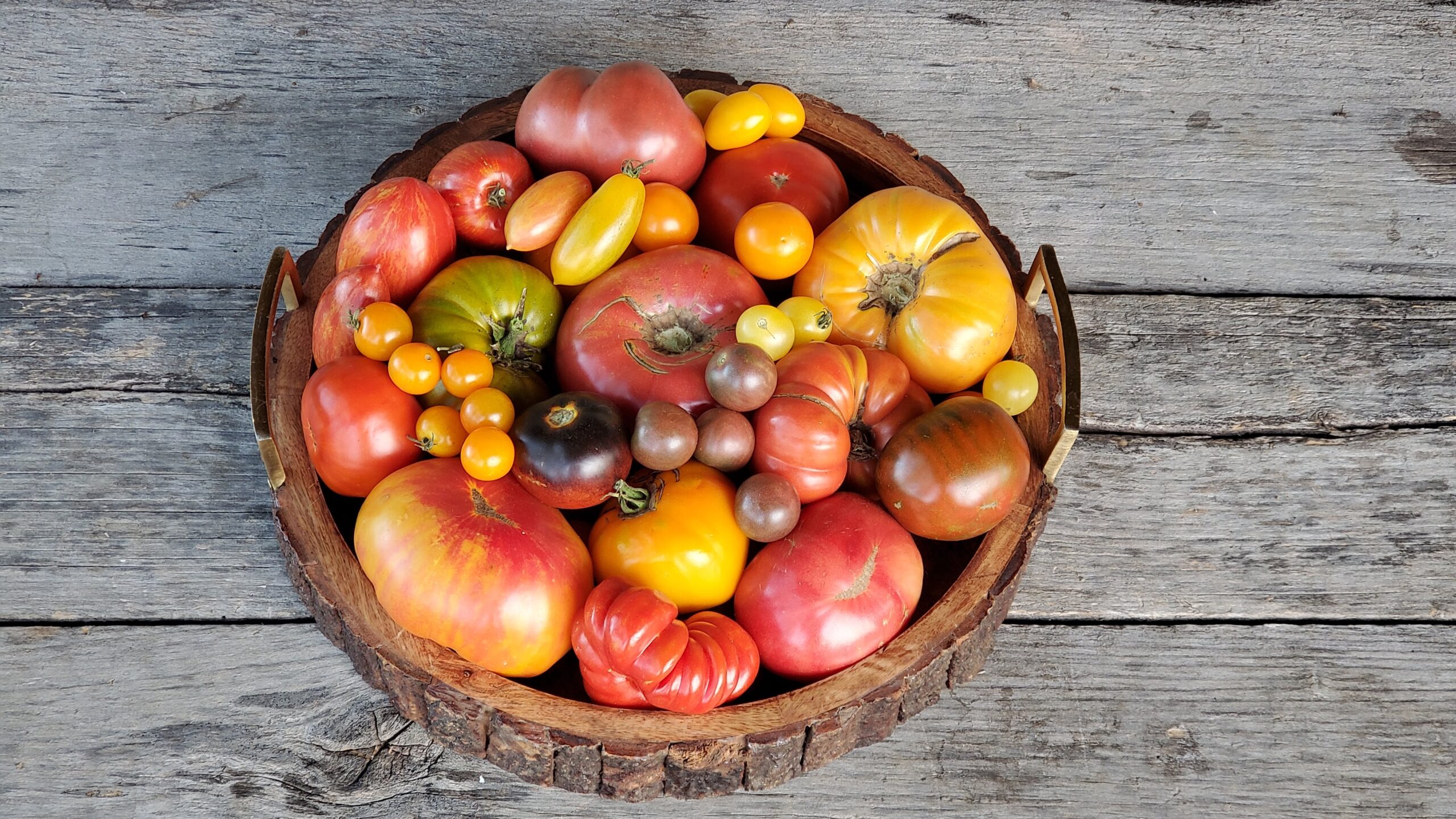
Different Types of Tomatoes
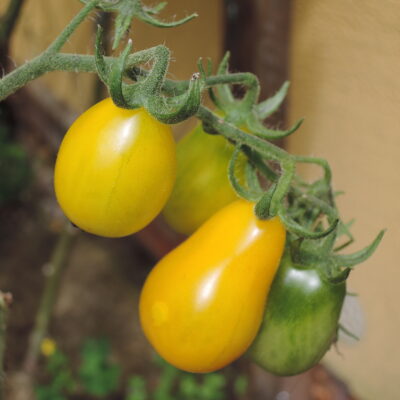
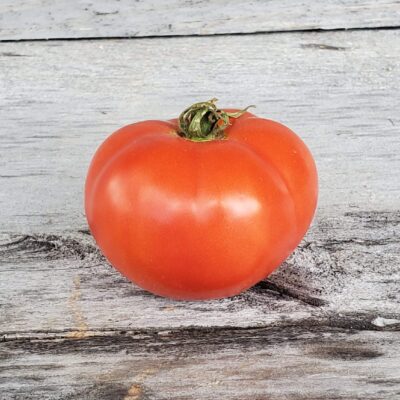
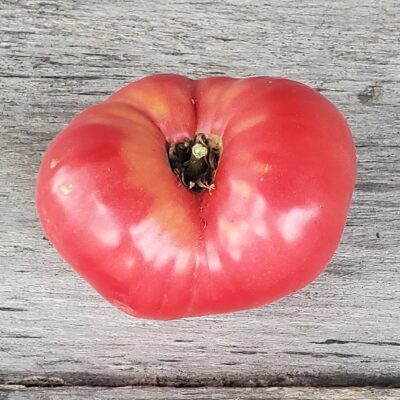
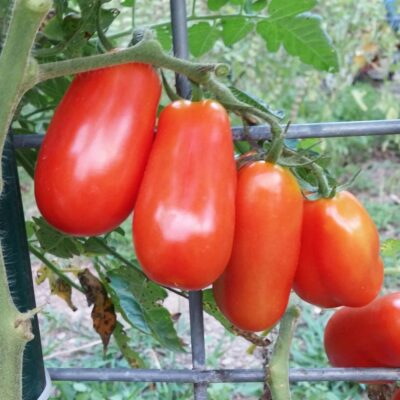
Tomatoes come in many shapes and sizes:
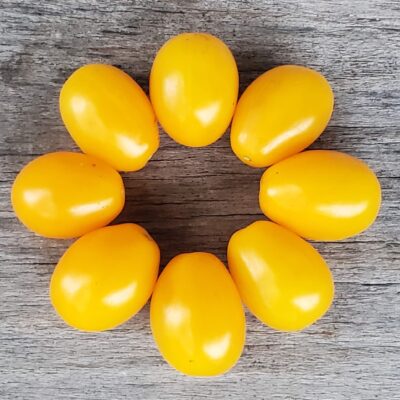
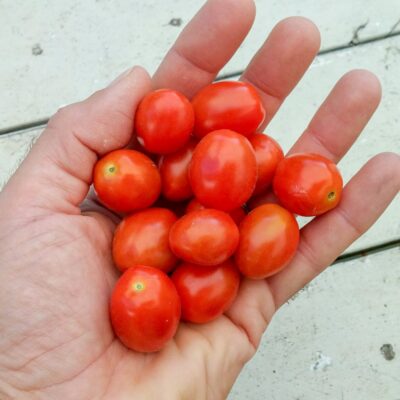
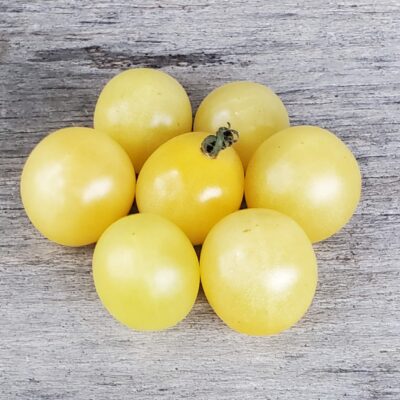
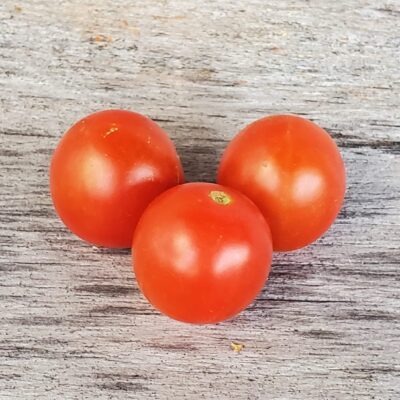
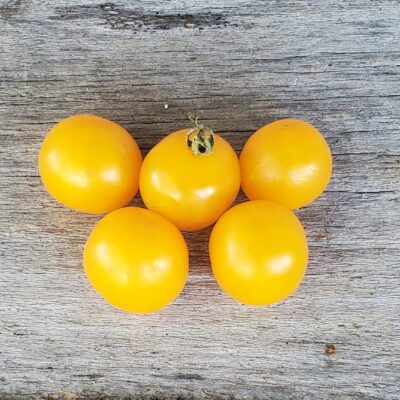
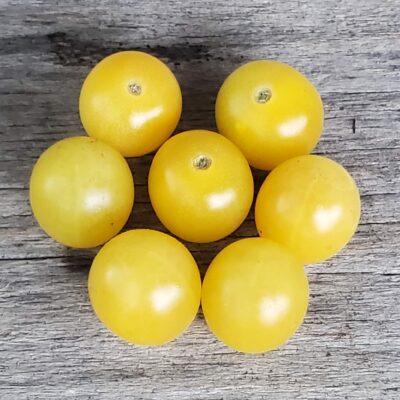
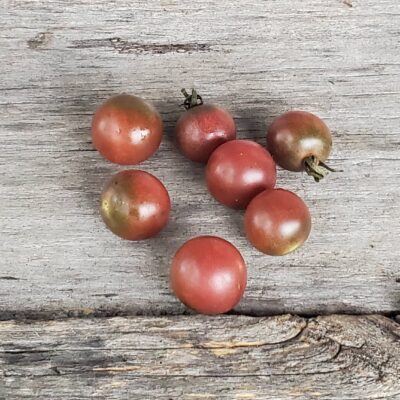
- Cherry tomatoes are small, sweet, and perfect for snacking or salads.
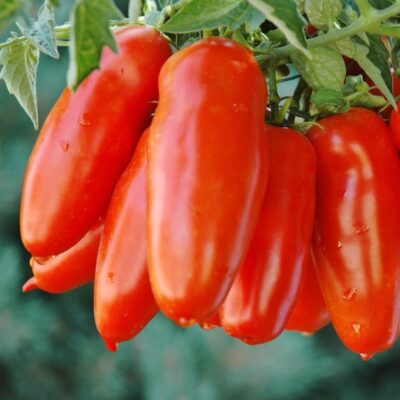
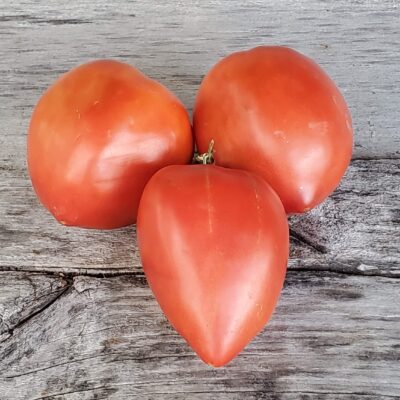
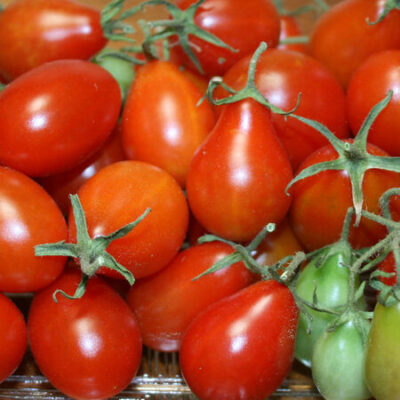
- Roma/plum tomatoes have dense flesh with fewer seeds, ideal for making sauces and canning.
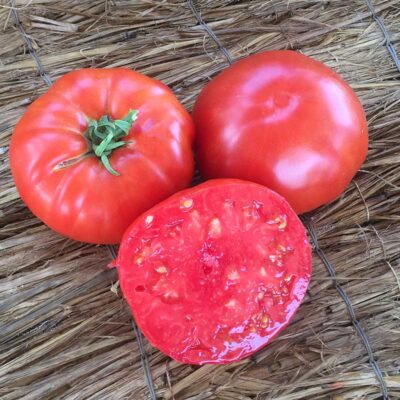
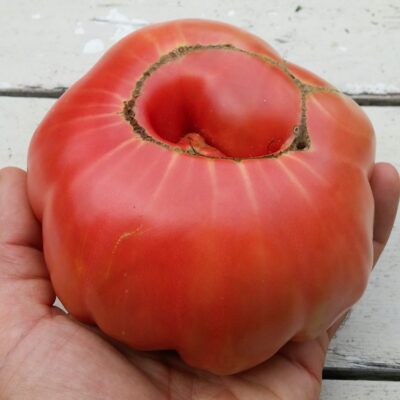
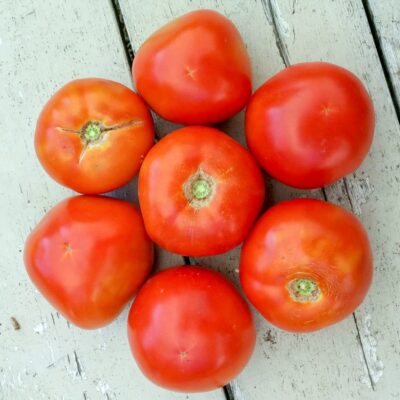
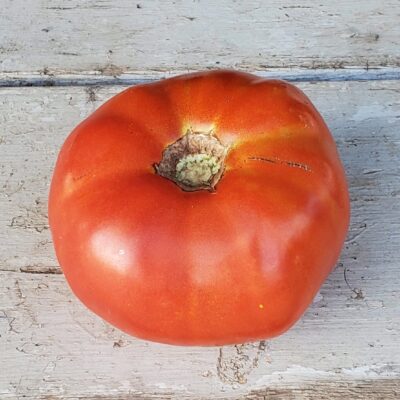
- Beefsteak tomatoes are large and juicy, great for slicing and making sandwiches.
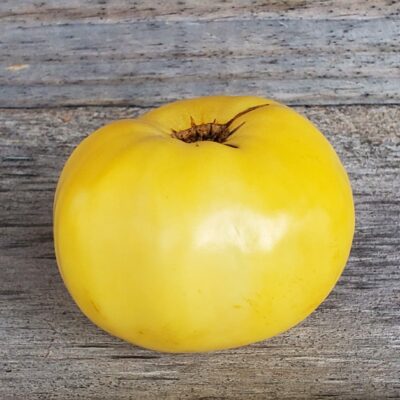
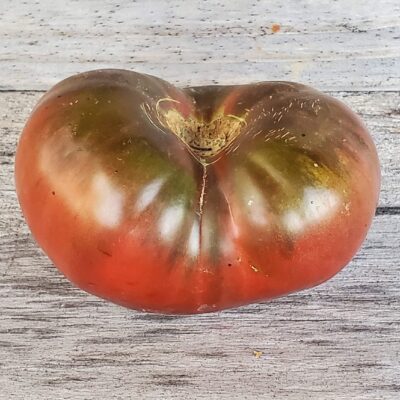
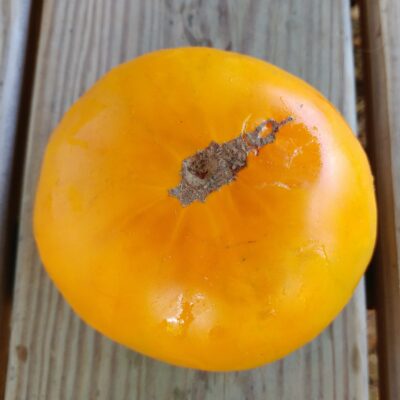
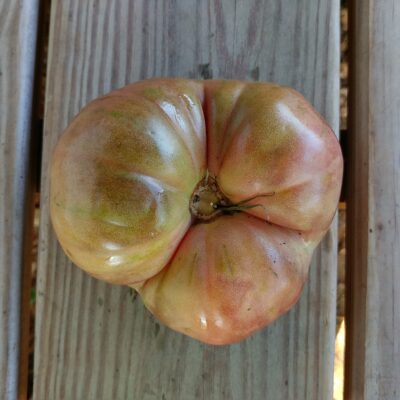
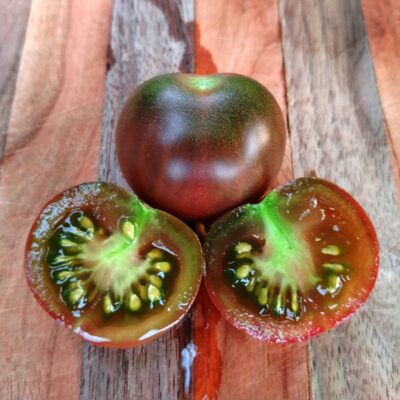
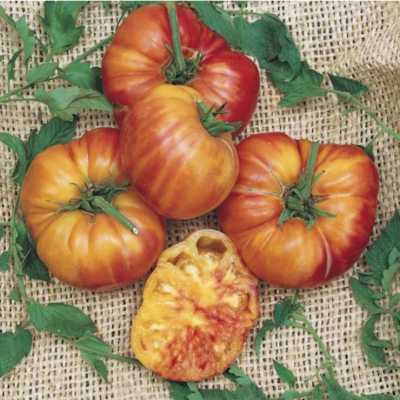
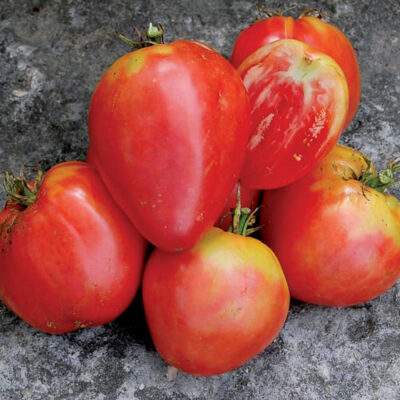
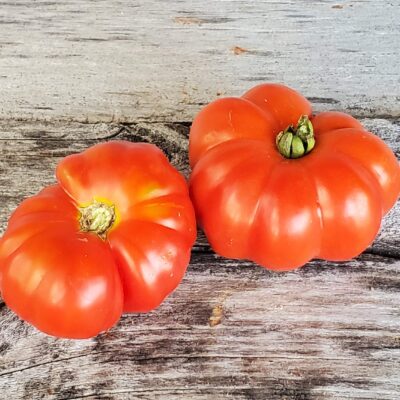
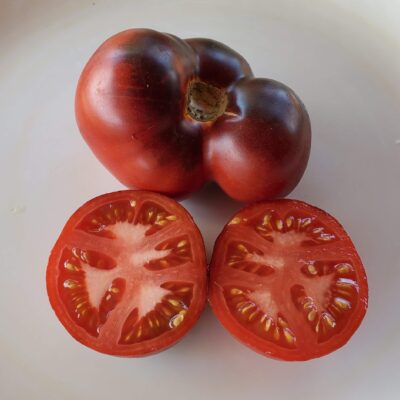
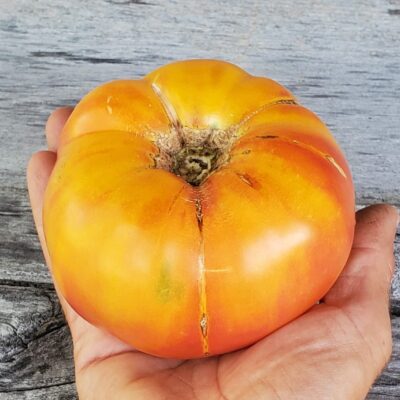
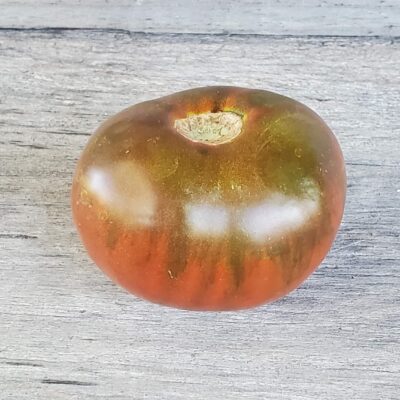
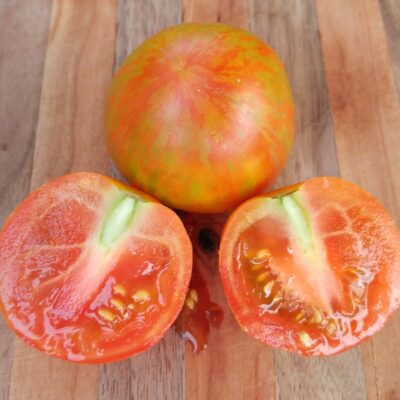
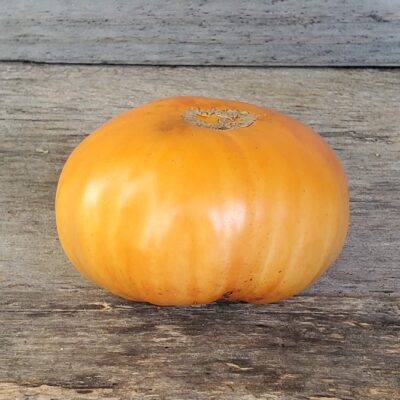
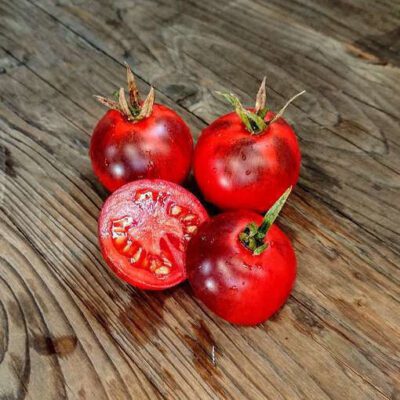
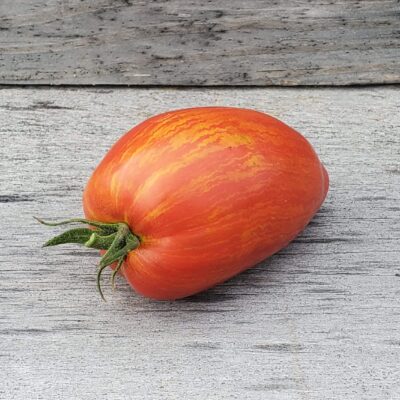
- Heirloom tomatoes (AKA, the only kind we sell 🙂 are often larger with unique colors and complex flavors but sometimes more delicate. These are open-pollinated varieties passed down through generations, and they also tend to taste a lot better (in our opinion) than many hybrid varieties!
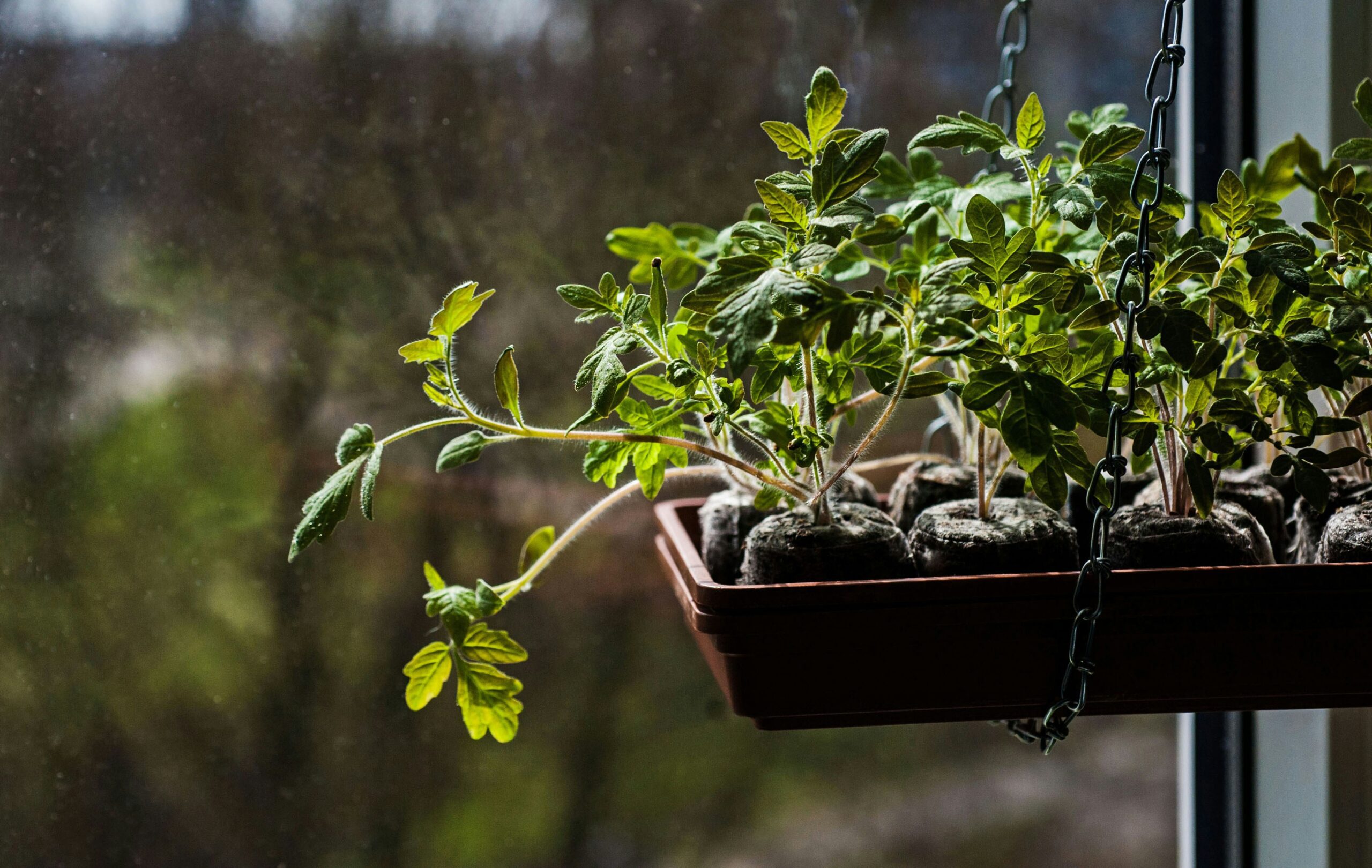
How to Start Tomato Seeds
Starting tomatoes from seed is simple once you know the steps. It also gives you access to a wider variety than buying seedlings in spring – especially important if you want to grow uncommon heirloom varieties.
Start with good seeds from reputable suppliers to ensure high germination rates and healthy plants. I’m going to sound like a broken record, but our family would love to provide you with heirloom tomato seeds!
When Should You Plant Tomatoes Indoors?
Count backward from your average last frost date. Usually, start seeds indoors 6-8 weeks before that date. For example, if your last frost is around May 1, plant seeds indoors in mid-March.
If you need help calculating your planting dates, check out our free Garden Planning Calculator here.

Planting Tomato Seeds Indoors
- Use a seed starting mix or potting soil in containers like seed trays, peat pots, or even recycled yogurt cups with drainage holes punched in!
- Plant seeds about ¼-inch deep. You can sow two seeds per cell or container and thin the weaker one after germination.
- Tomato seeds germinate best between 70-80°F (21-27°C). A warm spot like on top of a refrigerator or using a seedling heat mat helps speed germination, since tomatoes love hot weather.
- Seeds usually sprout within 5-10 days. Keep an eye on them daily for watering needs.
Once sprouted, young seedlings need 12-16 hours of bright light daily. A sunny south-facing window works but supplemental fluorescent or LED grow lights are ideal to prevent leggy growth. (It is easiest to just start your tomatoes in a warm, bright place rather than trading off later. You’ll get better results this way.)
While your seedlings are young, keep soil moist but not soggy. Mist with water or bottom water by placing trays in shallow water so roots soak it up naturally. Avoid soaking the tops of the plants or leaving the plastic covers on the trays past germination, as this can present fungal opportunities that can cause damping off later, a potentially devistaing fungal disease for young seedlings.
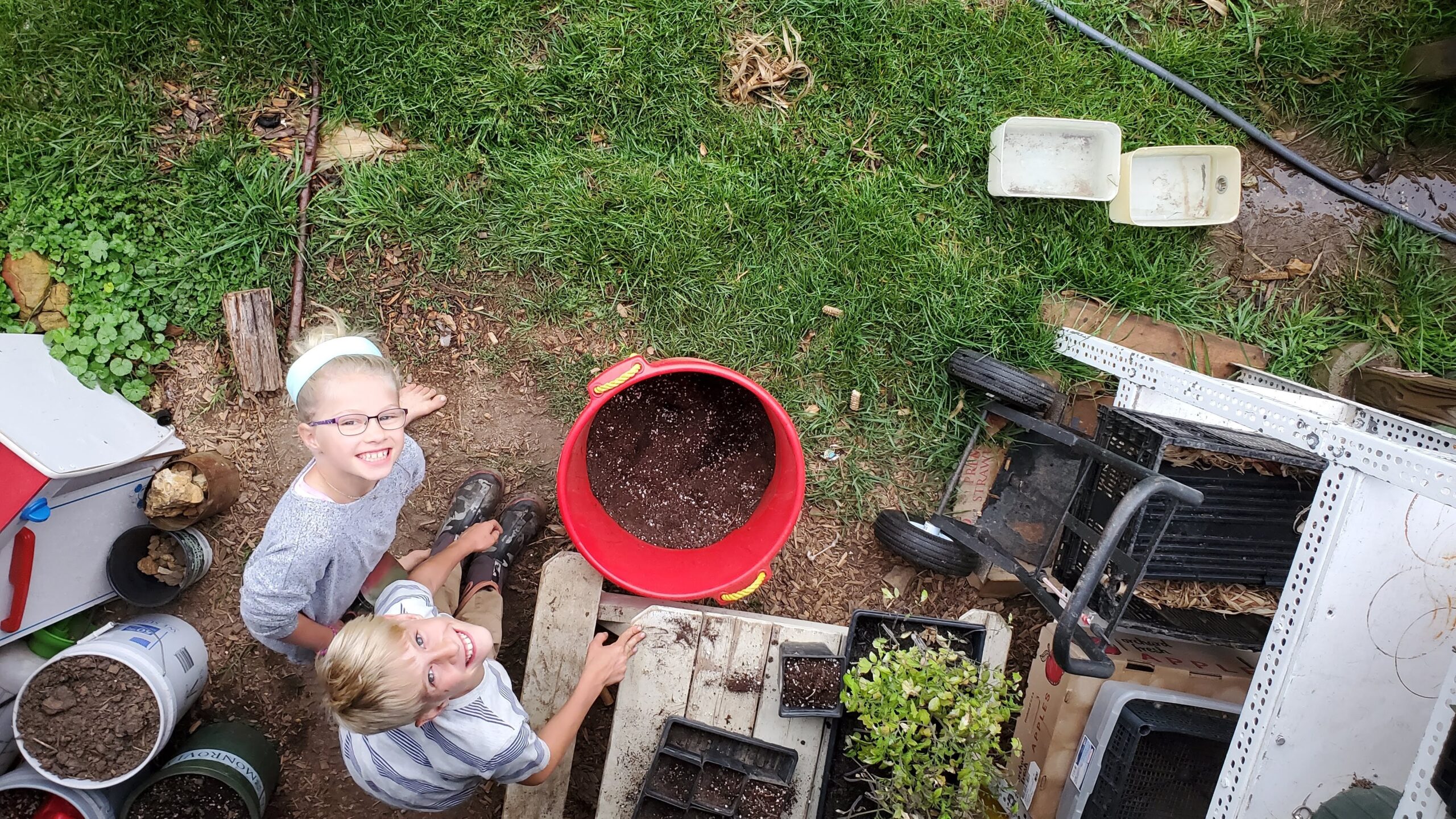
How to Transplant Tomato Seedlings into Larger Containers
Once seedlings have developed two sets of true leaves (the leaves after the initial seed leaves), it’s time to move them into bigger pots so they can grow strong roots, especially if it will be a while until you can plant them into the garden.
It’s ideal to use 4-inch pots or larger containers with drainage holes. Plastic or biodegradable pots both work well.
Again, use a nutrient-rich potting mix that drains well. You can mix in compost or organic fertilizer pellets for extra nutrients.
While transplanting, hold seedlings by their leaves—not stems—to avoid damage. Gently loosen roots if they’re circling the pot bottom. Unlike most plants, tomatoes can develop roots all along their stems. Plant seedlings deeper than they were in seed trays—up to the first set of true leaves—to encourage strong root systems. Water thoroughly right after planting to settle soil around roots and reduce transplant shock.
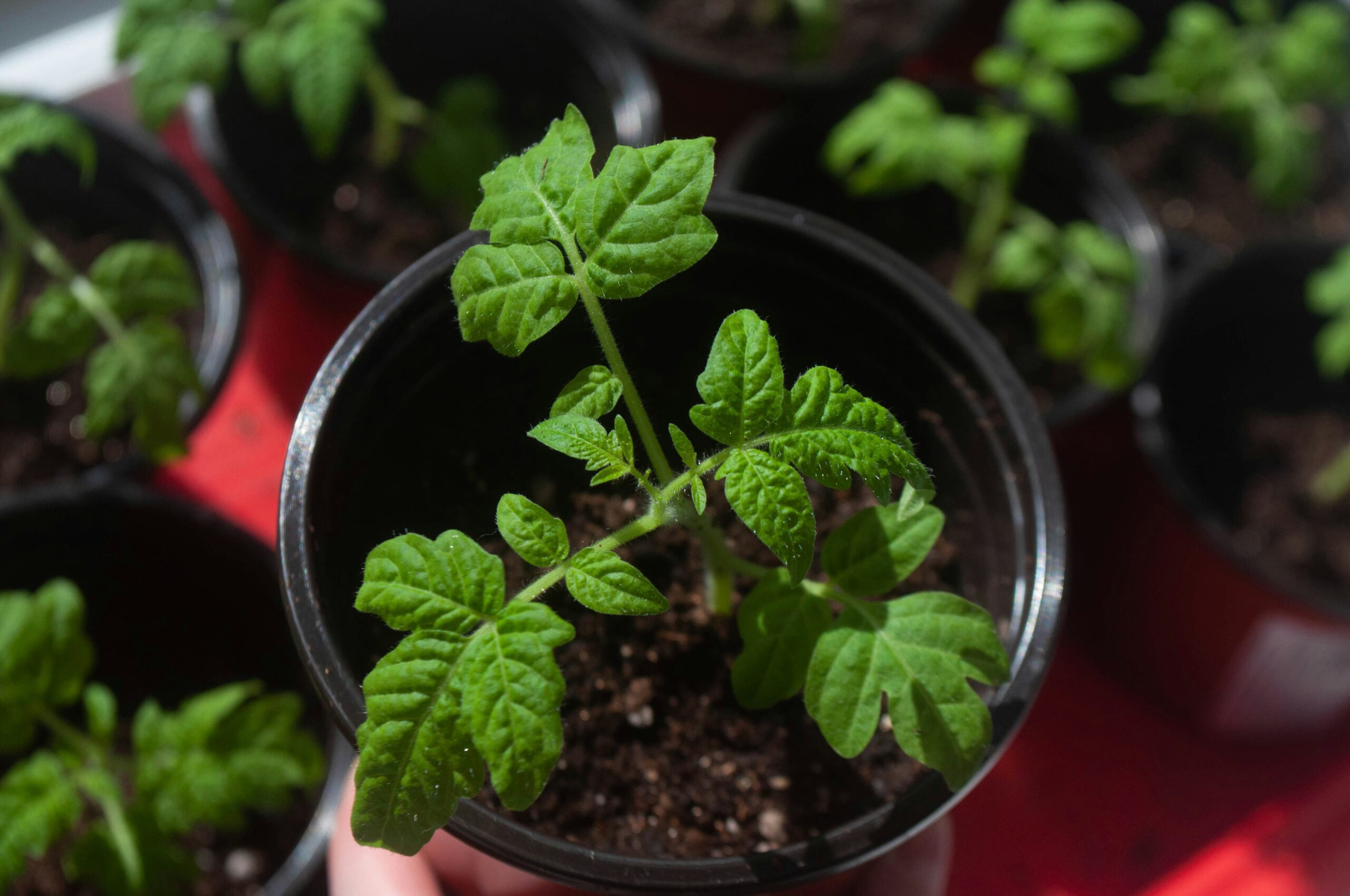
How to Harden Off Tomato Plants
Before moving your young plants outdoors permanently, they need time to adjust to outdoor conditions—a process called hardening off. Indoor plants aren’t used to wind, direct sun, fluctuating temperatures, or humidity changes in the air. Hardening off toughens them up so they don’t get sunburned or stressed when planted outside.
Start about a week before you plan to put plants in the garden permanently. You want to gradually accumulate them to the outdoor conditions.
Gradual Acclimation Schedule:
- Day 1-2: Place plants outdoors in shade for 2-3 hours.
- Day 3-5: Increase sun exposure gradually; protect from wind.
- Day 6-7: Leave plants outside overnight if temperatures stay above 50°F (10°C). Increase time outdoors daily until plants are spending full days outside. If weather turns cold or windy, you may need to bring plants indoors temporarily.
While hardening off, look for signs of wilting or leaf burn; adjust exposure accordingly.
How to Transplant Tomato Plants into Garden
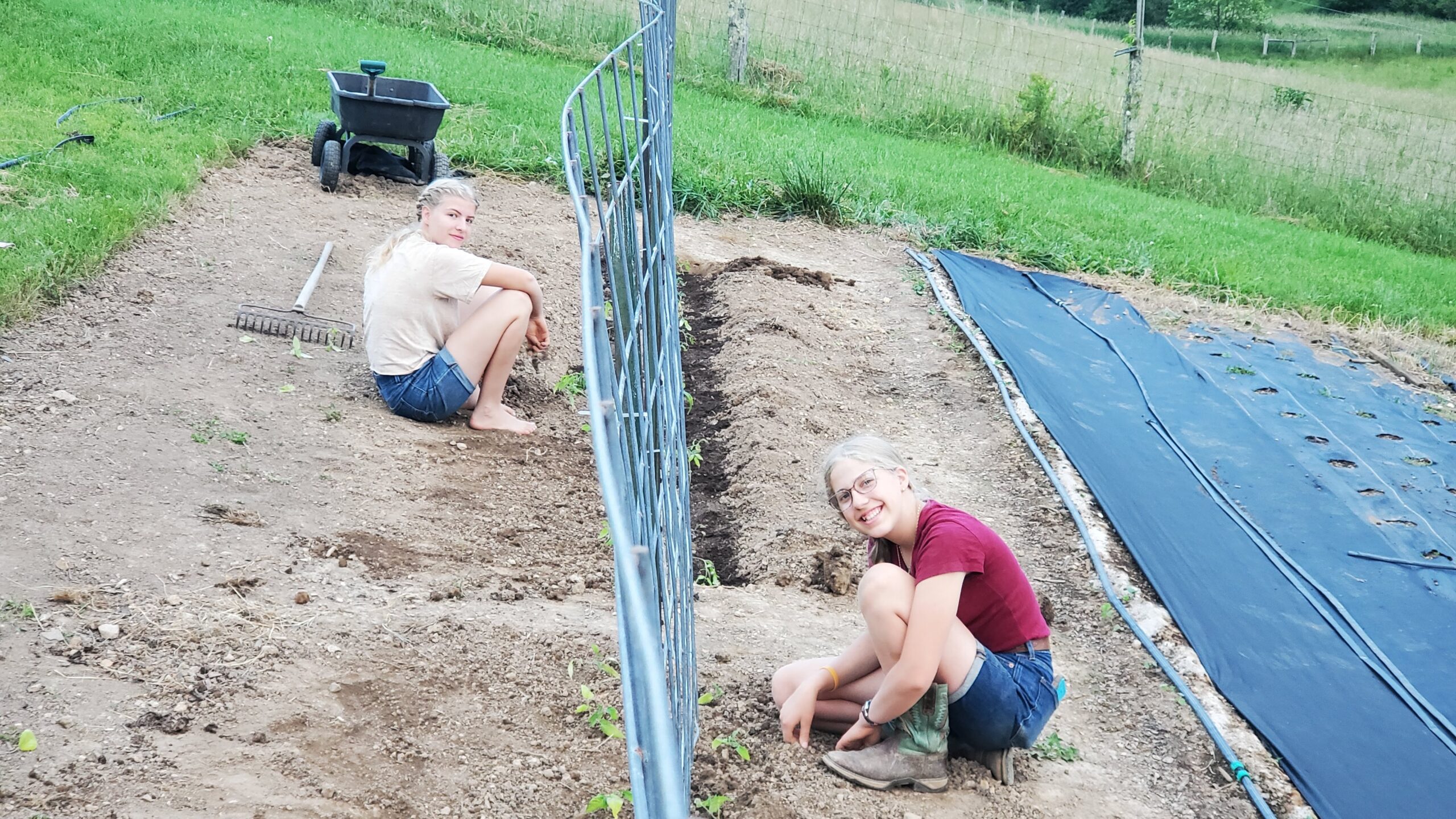
Now that your plants are ready for the big move, here’s how to give them a great start in your garden.
Selecting a Garden Location for Tomato Plants
You’ll want to give tomatoes 6-8 hours of direct sunlight daily for best fruit production. (Technically, they can tolerate slightly less, but fruit production will be significantly reduced as a result.)
When planting, choose a spot with well-drained soil that doesn’t get waterlogged after rain. Work in plenty of compost or aged manure to enrich the soil before planting. Remember, tomatoes prefer slightly acidic soil with pH between 6.0 and 6.8.
Transplanting Tomatoes into the Garden
- Space determinate varieties about 18-24 inches apart; indeterminate varieties need more room—24-36 inches apart—to accommodate sprawling vines and cages/stakes.
- Dig holes deep enough so you can bury stems up to the lowest set of leaves—this encourages extra root growth underground for stronger plants.
- Again, just like with repotting, give each plant a generous watering after transplanting to settle soil and reduce transplant shock.
It is also a good idea to apply 2-3 inches of organic mulch (straw, shredded leaves) around plants but not touching stems. Mulch helps retain moisture, regulate soil temperature, and suppress weeds.
Caring for Tomato Plants
Fertilizing Tomato Plants
Feeding your tomato plants properly keeps them healthy and productive throughout the season.
Tomatoes need three primary nutrients:
- Nitrogen (N) for leafy growth
- Phosphorus (P) for root development and flowers
- Potassium (K) for fruit quality and disease resistance
Balanced feeding is key because too much nitrogen causes lush leaves but few fruits. Common organic fertilizers include compost tea, fish emulsion, and bone meal, while synthetic options are balanced NPK fertilizers, sometimes with slow-release formulas. Organic fertilizers are ideal because they don’t contain a bunch of chemicals and build your soil health over time instead.
Feed plants every 3-4 weeks during growth with liquid fertilizer or side-dress with granular fertilizer near roots. Pay attention to your plants for signs of nutritional needs as well. Yellow lower leaves, for example, may indiciate a nitrogen deficiency, while purplish color on the edges of the leaves may indicate a phosphorus deficiency. You can find several resources online that will help you identify why your plant leaves look a certain way.
Reminder: Too much fertilizer leads to excessive leafy growth at the expense of fruits.
How to Water Tomatoes
Even in the garden, you’ll need to water your tomato plants since inconsistent moisture stresses plants and increases risk of cracking or diseases like blossom end rot.
On average, tomato plants need about 1-2 inches of water per week. Sandy soils dry out faster than clay soils—adjust accordingly. During hot weather, daily deep watering may be necessary; cooler weather means less frequent watering.
In both situations, water early morning so leaves dry quickly and always water at the base near soil rather than overhead spraying foliage, which can promote fungal diseases. Using drip irrigation is another good choice if you’re serious about growing a productive garden and want to invest more time and money into your plants for increased harvests.
Pruning Methods: Removing Suckers and Managing Plant Shape
For indeterminate varieties, you’ll want to remove suckers that grow between main stem and branches to focus energy on fruit production. Determinate types usually don’t need pruning except removing dead leaves.
Staking or Caging Tomato Plants for Support
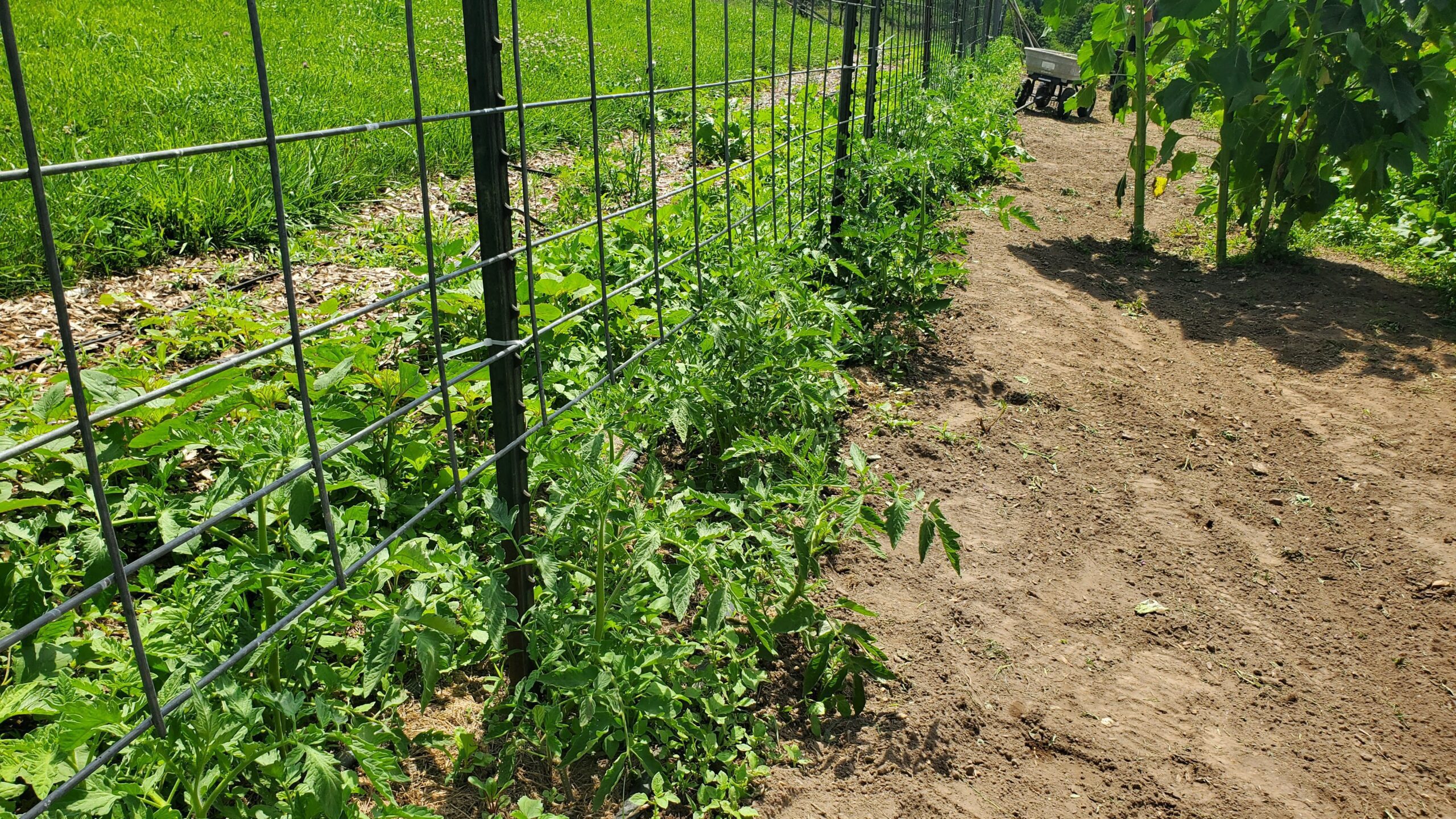
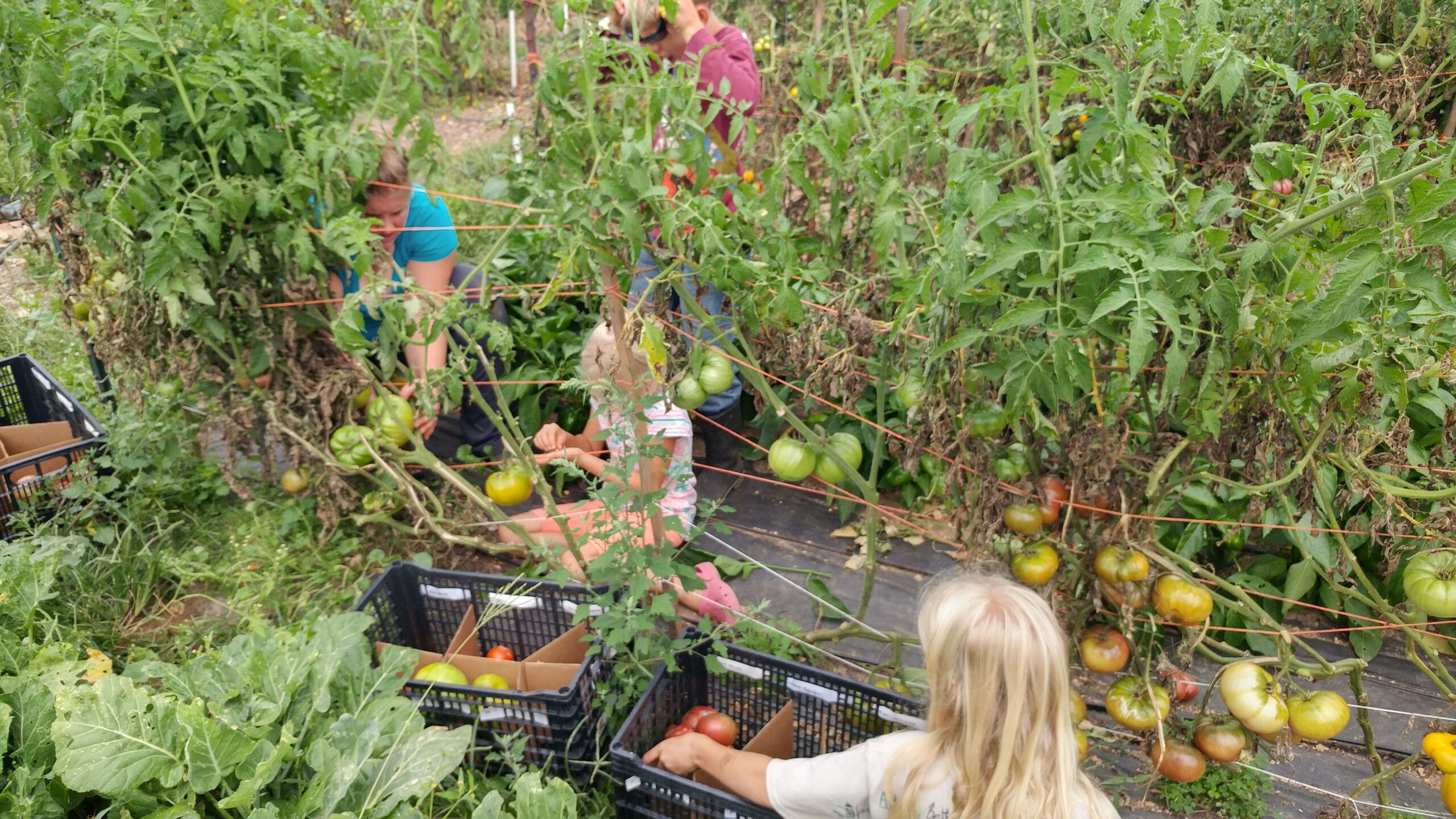
Use tomato cages or stakes early on before plants get too big. Cages support vines without constant tying, while stakes require tying branches gently with garden twine as they grow. Both supports prevent sprawling plants that are prone to disease by touching the ground, and also make accessing for harvest much easier than pawing through a tangle of vines!
Common Tomato Plant Problems
Tomato Hornworms
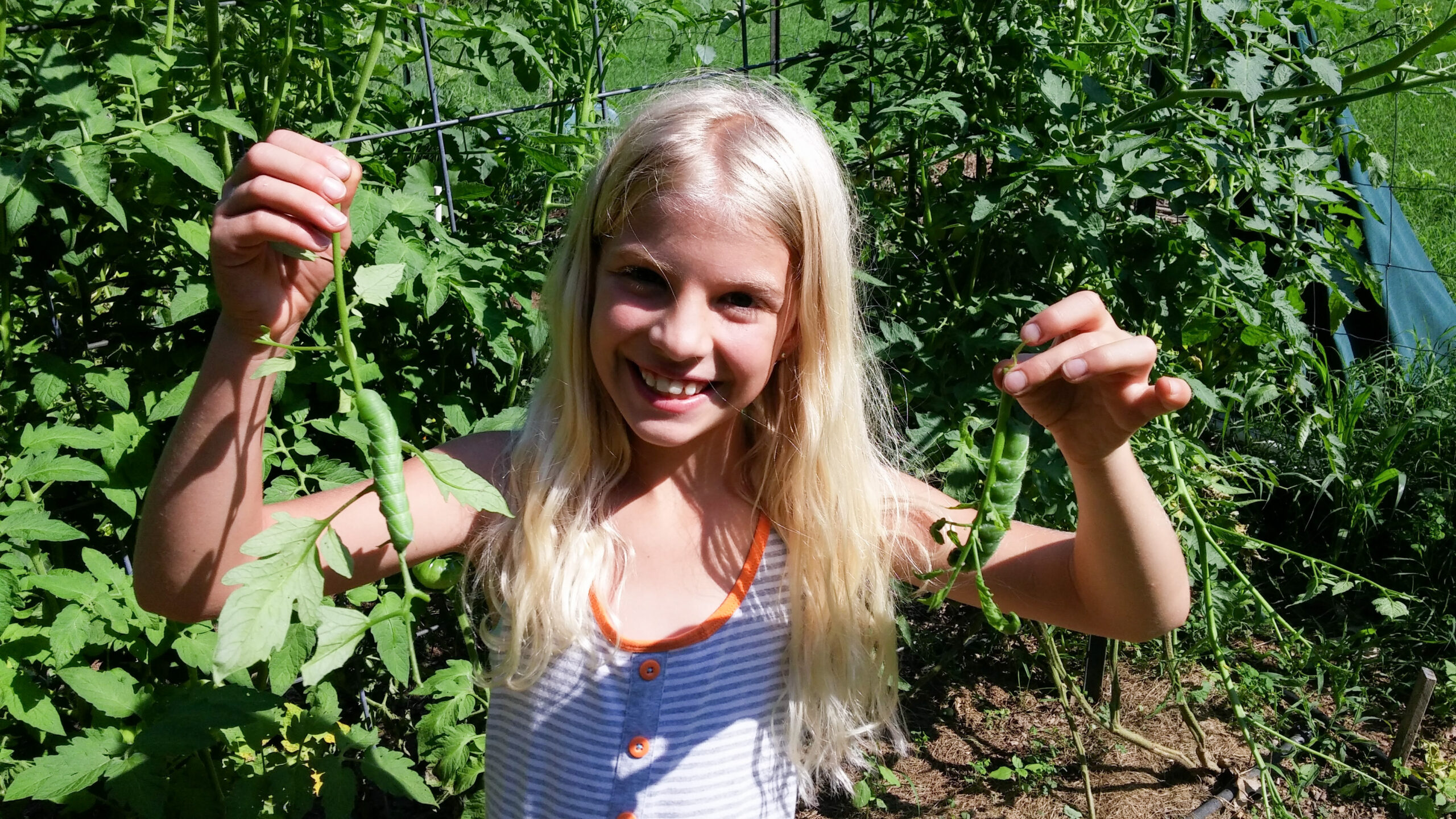
THE #1 insect pest you’ll find are tomato hornworms. These are sneaky fat worms that can blend into their surroundings and chew through both tomato plants AND fruit! Picking them off manually is the best way to control them, but you can also use a natural spray like BT spray.
Tomato Blossom End Rot
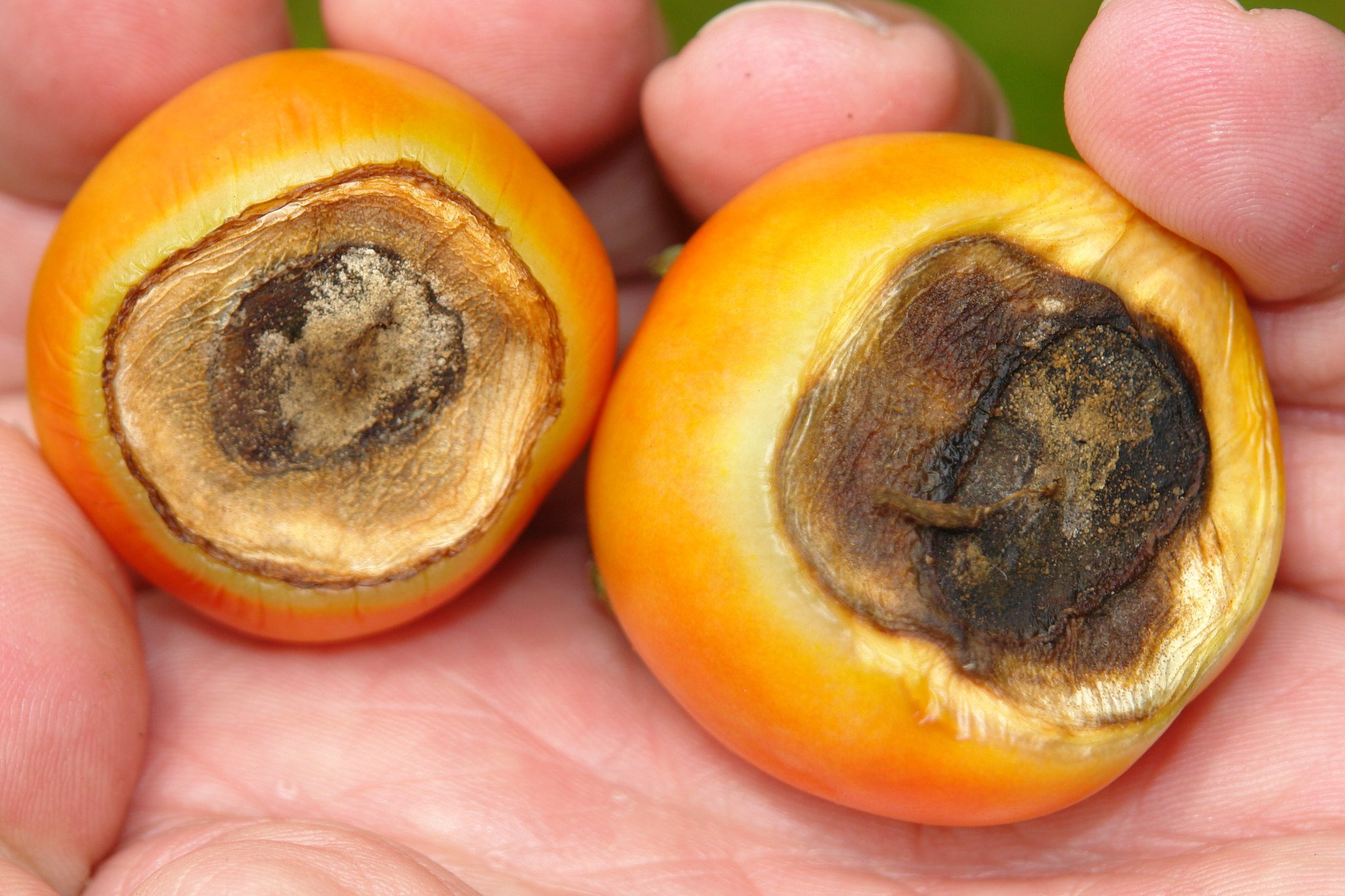
Blossom end rot is one of the most common and frustrating problems tomato growers face. It shows up as a dark, sunken spot at the bottom (blossom end) of the tomato fruit. The spot starts small and enlarges, turning leathery and black, which ruins the fruit’s quality. Sometimes it also rots out the end of what would otherwise appear to be a perfectly healthy tomato!
Blossom end rot isn’t caused by a disease or pathogen. Instead, it’s a physiological disorder related to calcium deficiency in the developing fruit. But here’s the catch—often, the soil already has enough calcium, but the plant cannot transport it properly to the fruit.
Factors contributing to blossom end rot include:
- Inconsistent watering: Dry spells followed by heavy watering disrupt calcium uptake.
- Excessive nitrogen fertilization: Too much nitrogen encourages rapid foliage growth that outcompetes fruit for calcium.
- Root damage: Transplant shock, compacted soil, or pests damaging roots reduce calcium absorption.
- High soil salinity or imbalanced pH: Makes calcium less available.
- Environmental stress: High heat or drought conditions can worsen the problem.
How to Prevent and Manage Blossom End Rot
To prevent blossom end rot in the first place, water deeply and regularly, especially during dry periods. Mulching helps retain soil moisture. Use balanced fertilizers and organic matter like compost. You can also apply crushed eggshells or gypsum to the soil. And while transplanting, handle your seedlings gently so you don’t damage the roots anymore than necessary.
If you see blossom end rot on some fruits, remove those fruits promptly to prevent secondary infections. That said, don’t panic—it usually affects only a portion of your crop if managed well.
Other Tomato Problems
Fungal and rot diseases are the other most common problem for tomatoes. This is also better prevented and managed, usually by making sure the plants have proper airflow and aren’t left moist in hot weather.
It also helps to rotate nightshade crops like tomatoes, peppers, and eggplants so you aren’t growing them in the same place in your garden every year. And when the growing season is over, remove plant debris so you don’t spread any issues into another year.
How to Pick Tomatoes
The moment we all wait for: harvesting those beautiful fruits!
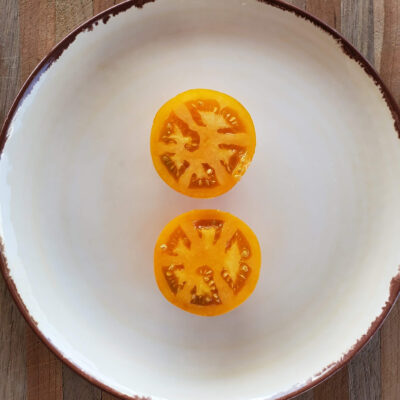
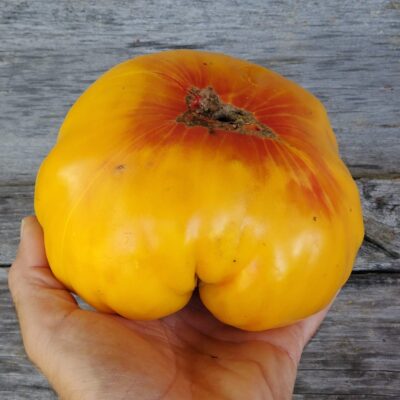
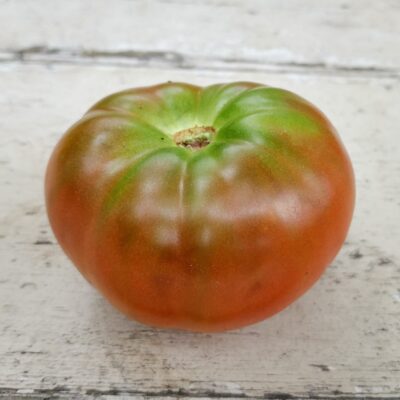
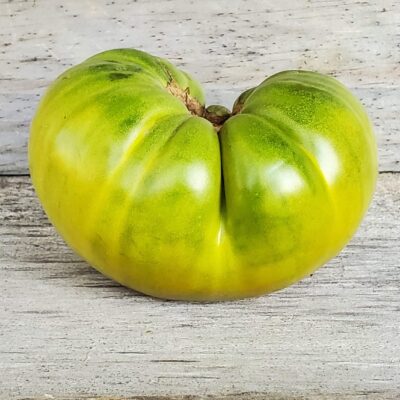
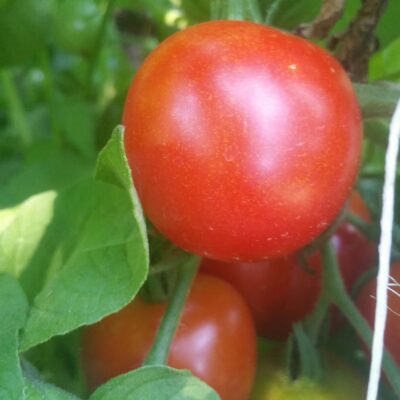
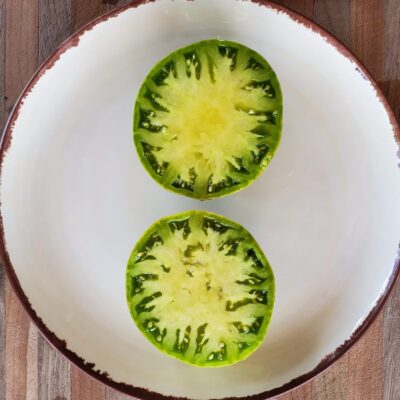
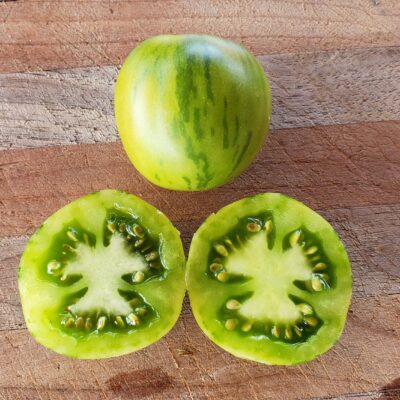
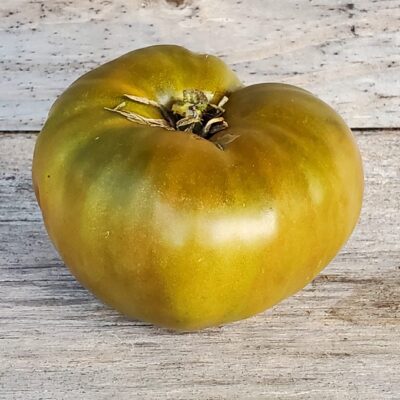
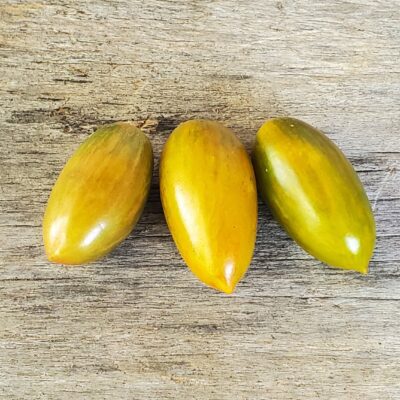
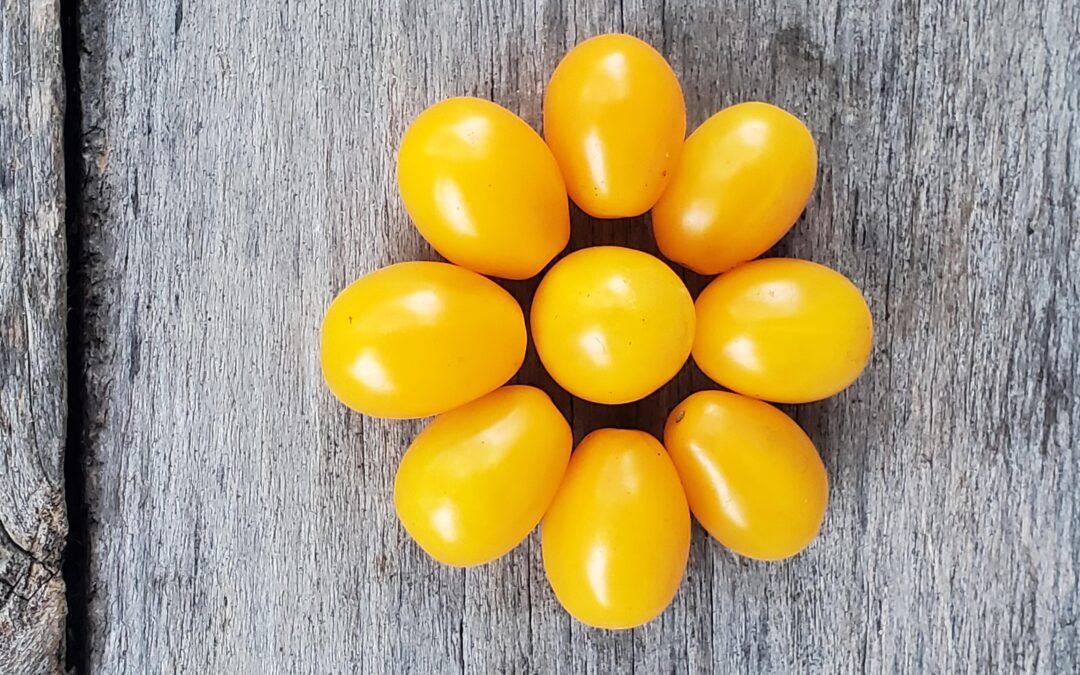
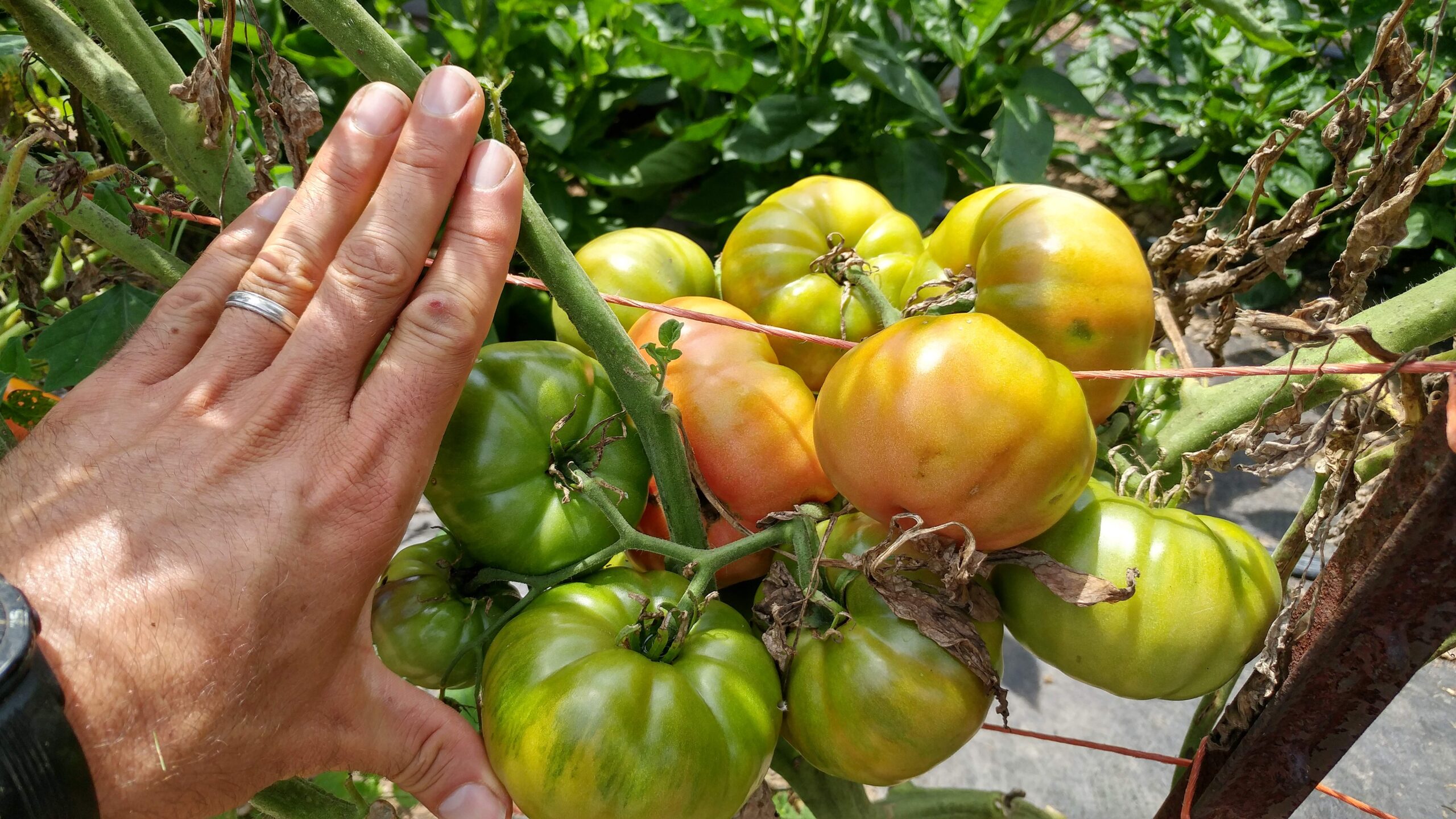
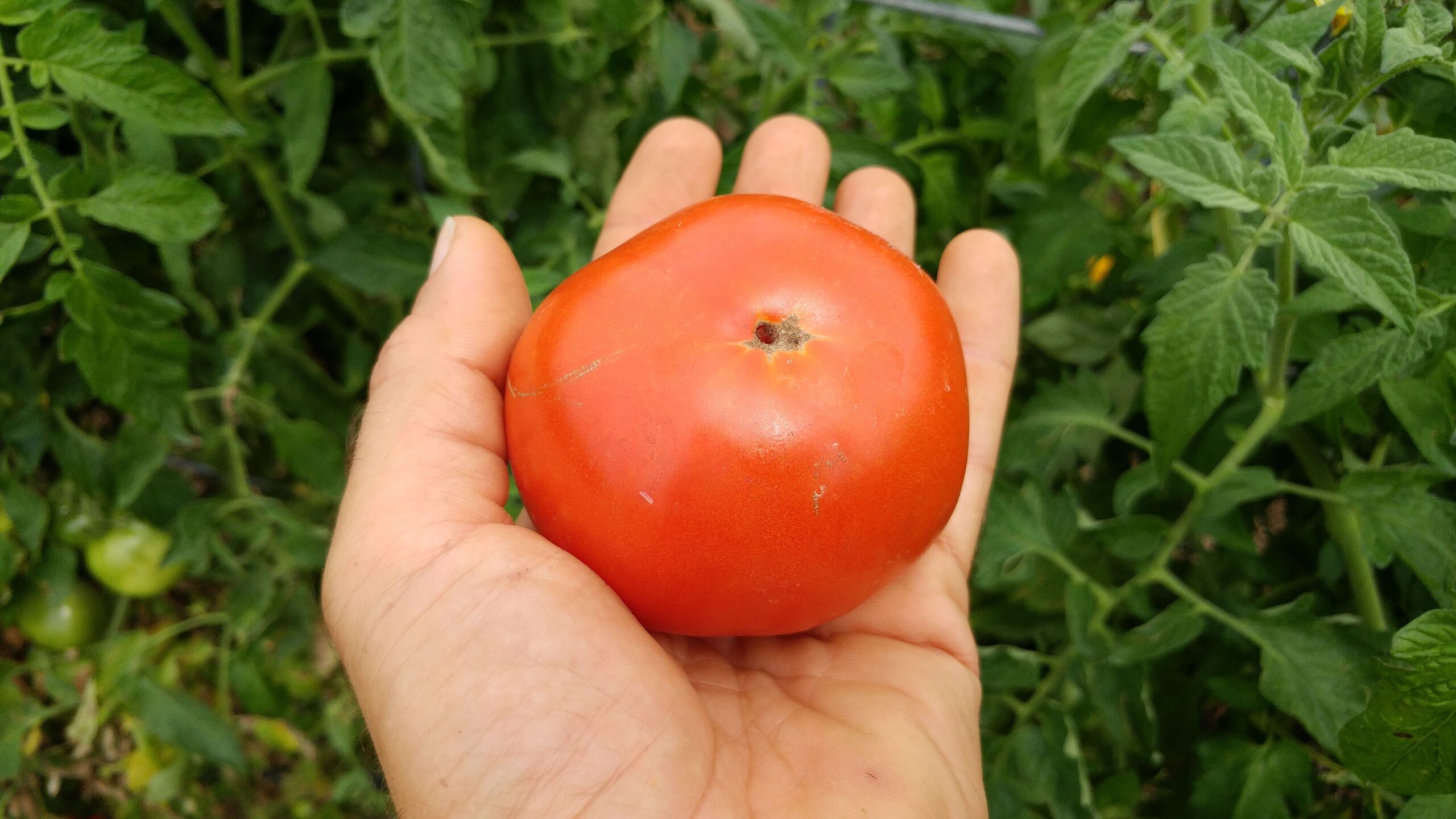
Tomatoes are ripe when they have full color (could be red, yellow, pink, or even green depending on the variety – here’s one example) and slight softness when gently squeezed. Ripe fruit may also have a slightly fragrant aroma.
Use your fingers or garden scissors to cut fruit from plant gently without pulling—this prevents damage to stems that produce future flowers/fruits.
Pick tomatoes when fully ripe for best taste. If frost threatens early season end, you can also pick mature green ones indoors to ripen on windowsills away from direct sunlight in paper bags with an apple or banana (which emit ethylene gas). Some people really like fried green tomatoes in the summertime, too!
Storing Harvested Tomatoes
Store homegrown tomatoes room temperature away from direct sun. Refrigeration dulls flavor and texture unless they’re very ripe or already cut open (then refrigerate only briefly).
How to Wind Down Tomato Season
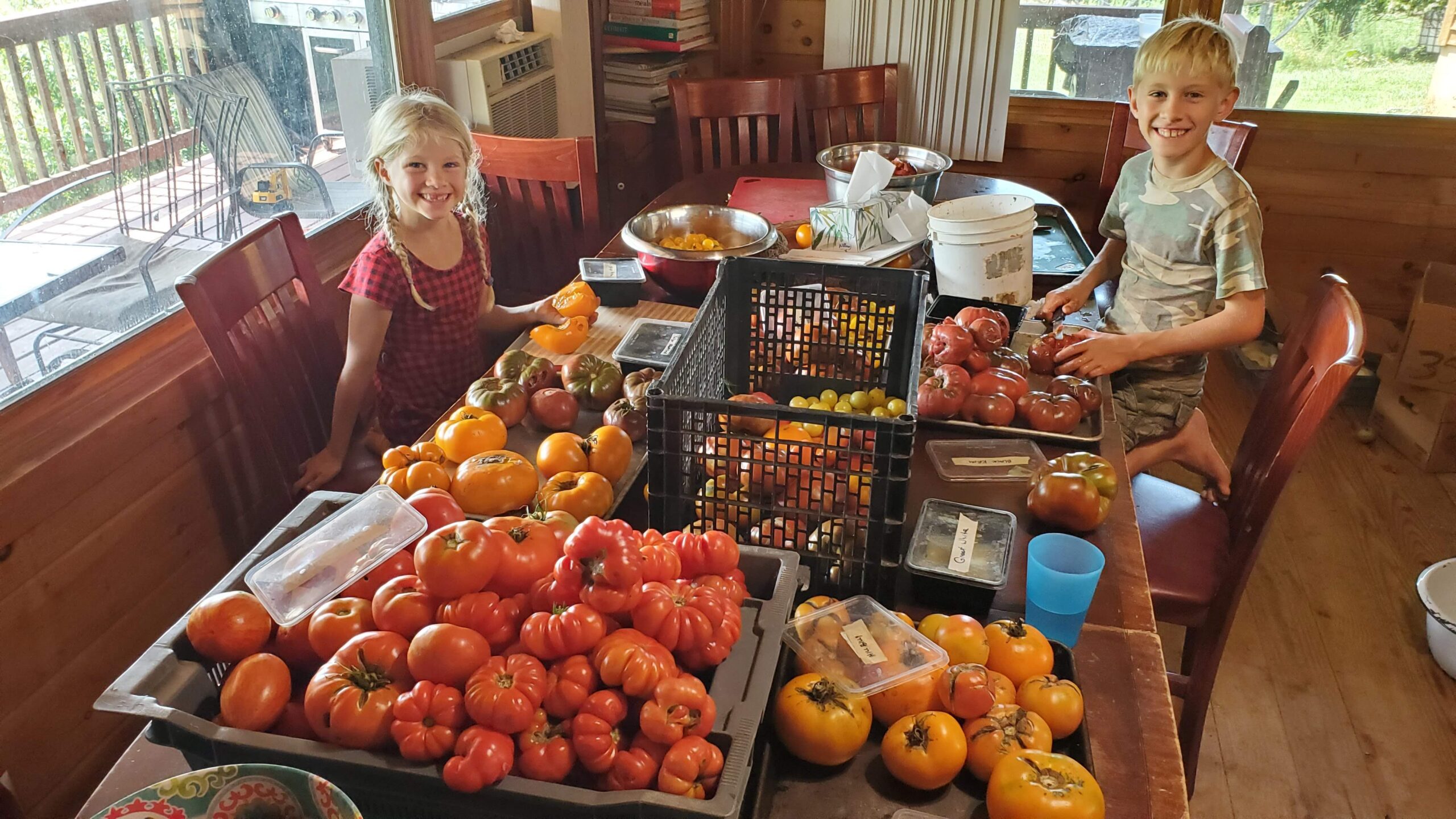
At the end of the season, usually at the threat of frost, pick the remaining fruit and clear out all tomato plant debris promptly. Diseased material left in garden can harbor pests/diseases next year. You can compost healthy plant parts but discard diseased tissue in trash rather than compost pile unless hot composting ensures pathogen kill-off.
Add cover crops like clover or vetch after tomatoes are removed—they fix nitrogen and improve soil structure over winter. You can also add other organic amendments in fall/winter if desired.
Saving Seeds from Heirloom Tomatoes
If you grew heirloom tomatoes, you can save the seeds from mature fruit to plant next year! (This won’t work for hybrid tomatoes, since they won’t breed true to type.)
Conclusion
Growing tomatoes from seed all the way through harvest is a journey worth taking. Not only are they delicious additions to your summertime meals, but they are also great for dehydrating, canning, and making your very own sauces and salsas. The sky really is the limit when it comes to tomatoes!
Want to Grow Your Own Tomatoes?
-

Tomato Great White
$3.25 Add to cartQuick View -
Tomato Morning Sun
$3.25 Add to cartQuick View -
Tomato San Marzano
$3.25 Add to cartQuick View -
Tomato Black Prince
$3.25 Add to cartQuick View -
Tomato Golden Jubilee
$3.25 Add to cartQuick View -
Tomato Pineapple
$4.00 Add to cartQuick View -
Tomato Black Krim
$3.25 Add to cartQuick View -
Tomato Aunt Ruby’s German Green
$3.25 Add to cartQuick View -
Tomato Yellow Pear
$3.25 Add to cartQuick View -
Tomato Rutgers
$3.25 Add to cartQuick View -
Tomato Henderson’s Pink Ponderosa
$3.25 Add to cartQuick View -
Tomato Roma
$3.25 Add to cartQuick View -
Tomato Beefsteak
$3.25 Add to cartQuick View -
Tomato Pink Brandywine
$3.25 Add to cartQuick View -
Tomato Amish Paste
$3.50 Add to cartQuick View -
Tomato Jujube
$4.00 Add to cartQuick View -
Tomato White Cherry
$3.25 Add to cartQuick View -
Tomato Money Maker
$3.25 Add to cartQuick View -
Tomato Stupice
$3.25 Add to cartQuick View -
Tomato Sweetie Cherry
$3.25 Add to cartQuick View -
Tomato Dr Wyche
$3.25 Add to cartQuick View -
Tomato Cherokee Purple
$3.25 Add to cartQuick View -
Tomato Emerald Evergreen
$3.25 Add to cartQuick View -
Tomato Black Cherry
$3.25 Add to cartQuick View -
Tomato Yellow Cherry
$3.25 Add to cartQuick View -
Tomato Fox Cherry
$3.25 Add to cartQuick View -
Tomato Roma Organic
$3.50 Add to cartQuick View -
Tomato Amish Paste Organic
$3.75 Add to cartQuick View -
Tomato San Marzano Organic
$3.50Quick View×Subscribe to get notified when this product is restocked.
-
Tomato Red Brandywine
$3.25 Add to cartQuick View -
Tomato Black Krim Organic
$3.50 Add to cartQuick View -
Tomato Black Cherry Organic
$3.50Quick View×Subscribe to get notified when this product is restocked.
-
Tomato Rutgers Organic
$3.50 Add to cartQuick View -
Tomato Red Brandywine Organic
$3.50Quick View×Subscribe to get notified when this product is restocked.
-
Tomato Orange Cherry
$3.25 Add to cartQuick View -
Tomato Yellow Brandywine Organic
$3.50 Add to cartQuick View -
Tomato Cherokee Purple Organic
$3.50Quick View×Subscribe to get notified when this product is restocked.
-
Tomato Gold Nugget
$3.25 Add to cartQuick View -
Tomato Big Rainbow
$3.25 Add to cartQuick View -
Tomato Hungarian Heart
$3.50 Add to cartQuick View -
Tomato Black Vernissage
$3.75 Add to cartQuick View -
Tomato Blush
$3.25 Add to cartQuick View -
Tomato Costoluto Fiorentino
$3.25 Add to cartQuick View -
Tomato Green Vernissage
$3.25 Add to cartQuick View -
Tomato Green Zebra
$3.25 Add to cartQuick View -
Tomato Indigo Apple
$3.25 Add to cartQuick View -
Tomato Lucky Cross
$3.25 Add to cartQuick View -
Tomato Mountain Princess
$3.25 Add to cartQuick View -
Tomato Paul Robeson
$3.25 Add to cartQuick View -
Tomato Lemon Drop
$3.25 Add to cartQuick View -
Tomato Red Pear
$3.25 Add to cartQuick View -
Tomato Rosella Cherry
$3.50 Add to cartQuick View -
Tomato Tigerella
$3.25 Add to cartQuick View -
Tomato Apricot Brandywine
$3.25 Add to cartQuick View -
Tomato Grape Reisenstraube
$3.25 Add to cartQuick View -
Tomato Green Tiger
$3.25 Add to cartQuick View -
Tomato Kaleidoscope Jewel
$3.25 Add to cartQuick View -
Tomato Speckled Roman
$3.25 Add to cartQuick View