Seeds for Generations is a part of Amazon Services LLC Associates Program, as well as other affiliate and/or referral programs. If you purchase or opt-in after clicking on these links, at no additional cost to you, we may receive a small commission for making you aware of these important resources.
“Anyone can have dirt. Gardeners have soil.” -Unknown
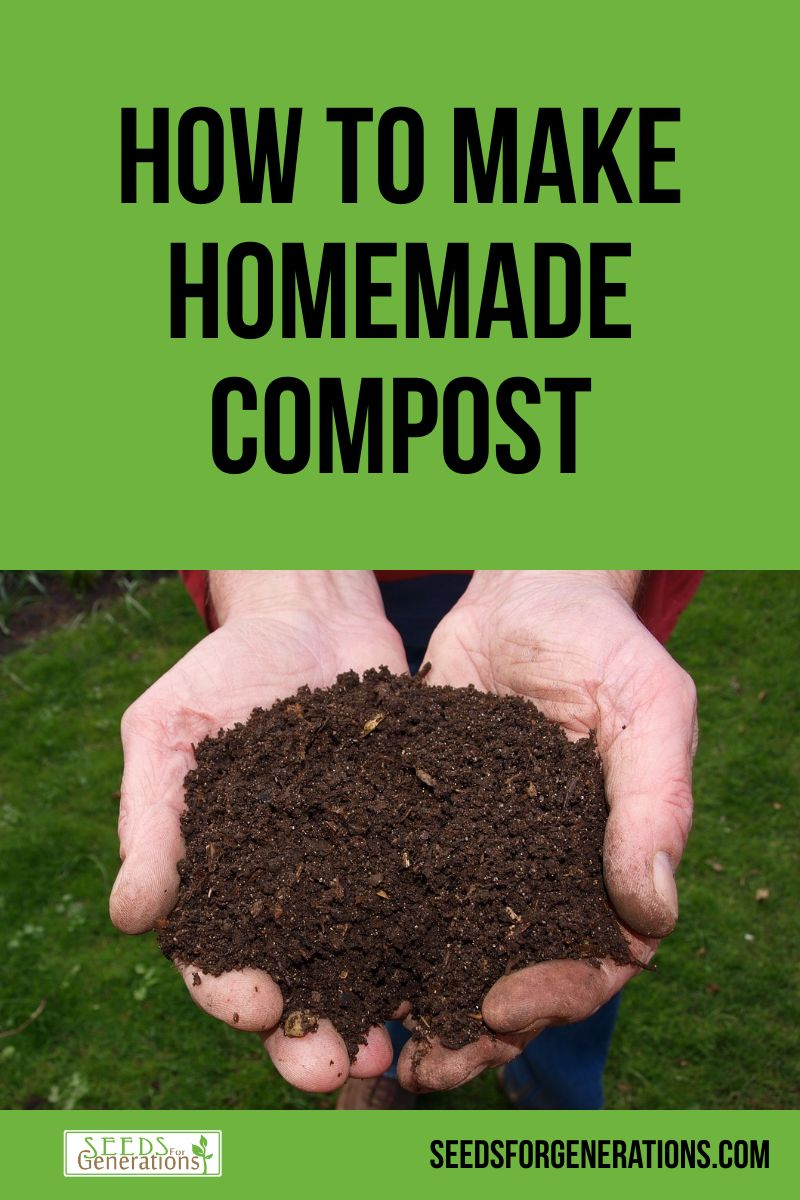
Soil fertility is the foundation of a healthy and successful garden. Even if you source quality seeds and carefully tend your garden, without good soil, you won’t be able to grow much food! One of the easiest ways to build soil fertility is by making and using homemade compost.
What is Compost?
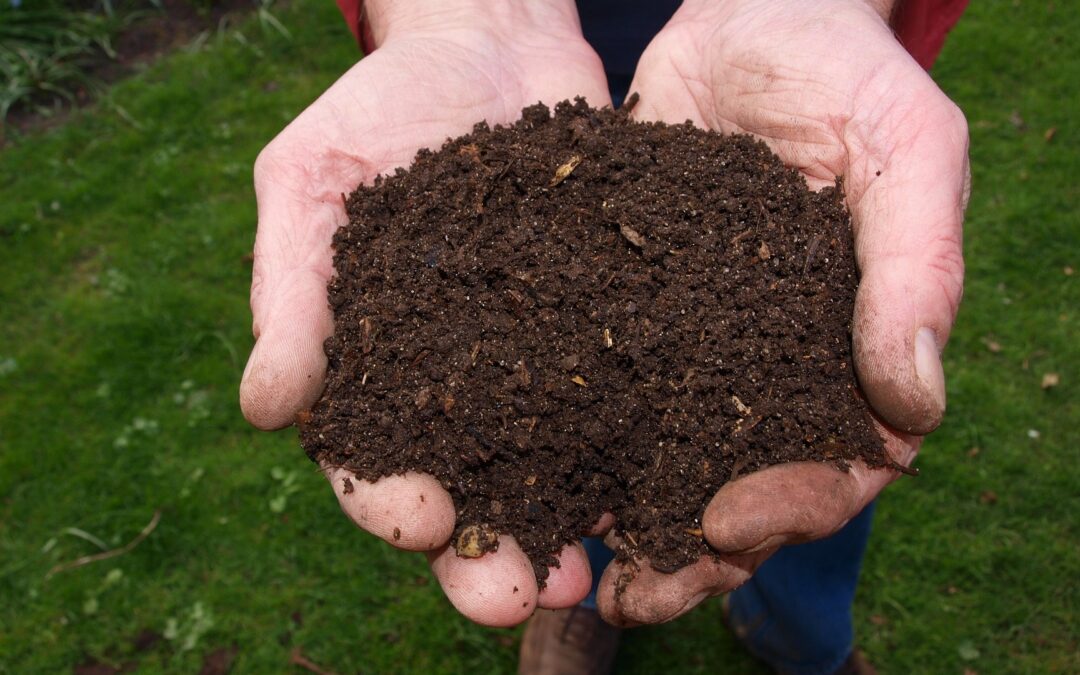
According to the American Heritage Dictionary of the English Language (5th Edition), homemade compost is, “A mixture of organic matter, as from leaves and manure, that has decayed or has been digested by organisms, used to improve soil structure and provide nutrients.” (https://www.thefreedictionary.com/compost)
Not only does compost build your soil, but it also allows you to make productive use of common waste products, including vegetable scraps, fruit cores, and grass clippings.
There are two types of composting:
1. Anaerobic (without air) composting
2. Aerobic (with air) composting, also known as hot composting.
Anaerobic composting is quite smelly. Aerobic composting, in contrast, doesn’t smell and offers other benefits (like the ability to kill weed seeds and diseases), so we’ll be focusing on it in this article.
How to Make Homemade Compost
What Ingredients are Used to Make Homemade Compost?
To make homemade compost, start by gathering your ingredients: browns (carbon ingredients), greens (nitrogen ingredients), and water. Compost requires approximately 1 part nitrogen materials to 3-4 parts carbon materials.
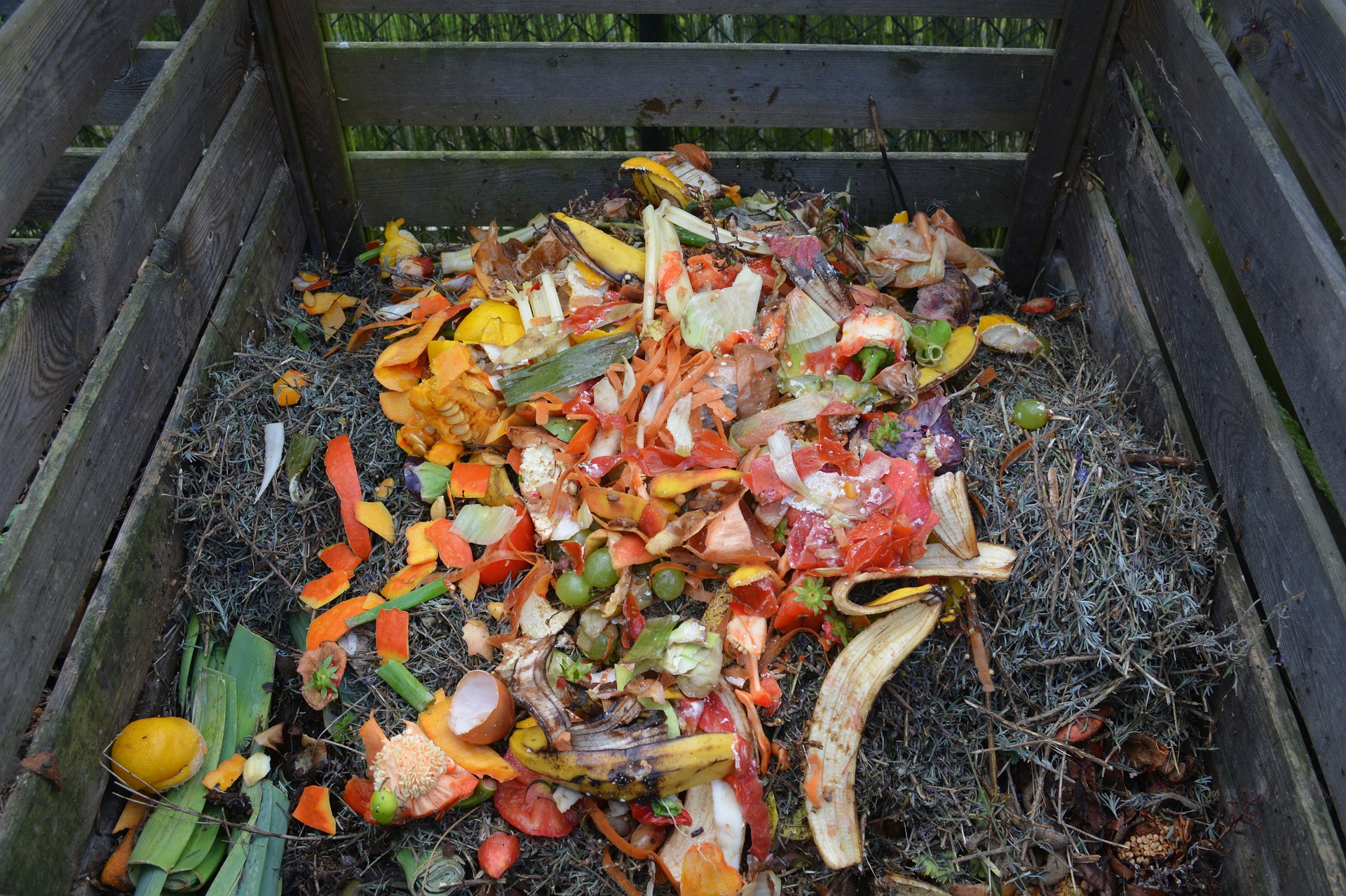
Nitrogen ingredients are usually green. They might include grass clippings, juicer pulp, other vegetable/fruit scraps, rotten produce, and teabags. Manure and seaweed also fall into this category.
Carbon ingredients are usually brown. They might include leaves, pieces of paper (avoid glossy or color-printed papers), wood chips or shavings, straw, cardboard, coffee filters, egg shells, and even pine needles.
You’ll also need a moderate amount of water. More on that in a moment…
What Ingredients Shouldn’t Be Used to Make Homemade Compost?
There are a few things you shouldn’t put in your compost pile. Some of these ingredients won’t compost well and may attract pests, while others may impact the overall health of your pile. Avoid adding meat or dairy products to your homemade compost, as well as fats (including peanut butter), pet manure, black walnut leaves, citrus fruits, plastic products, synthetic fabrics, lime, or wood ash.
How to Build Your Compost Pile
Once you’ve gathered your ingredients, it’s time to make your pile.
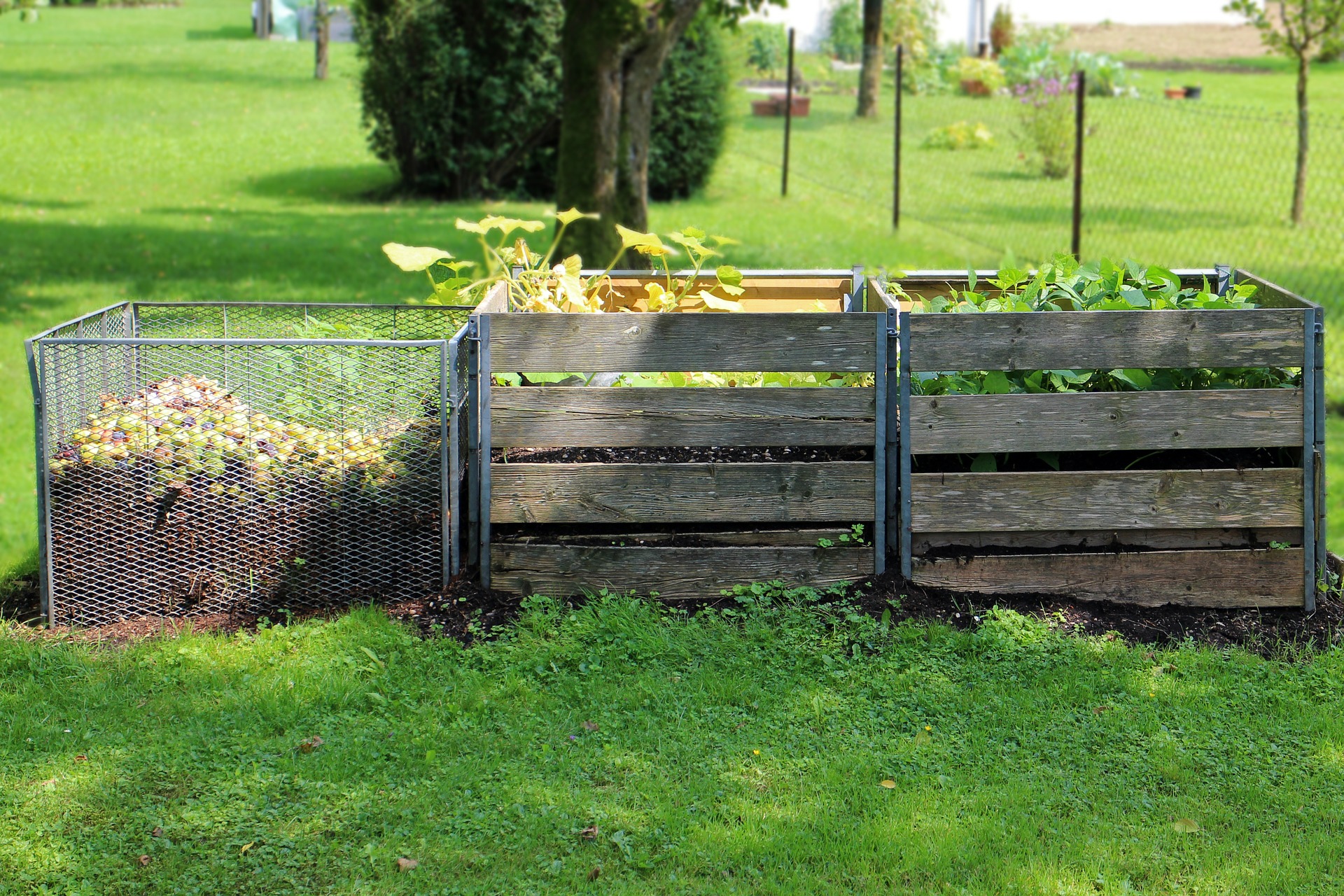
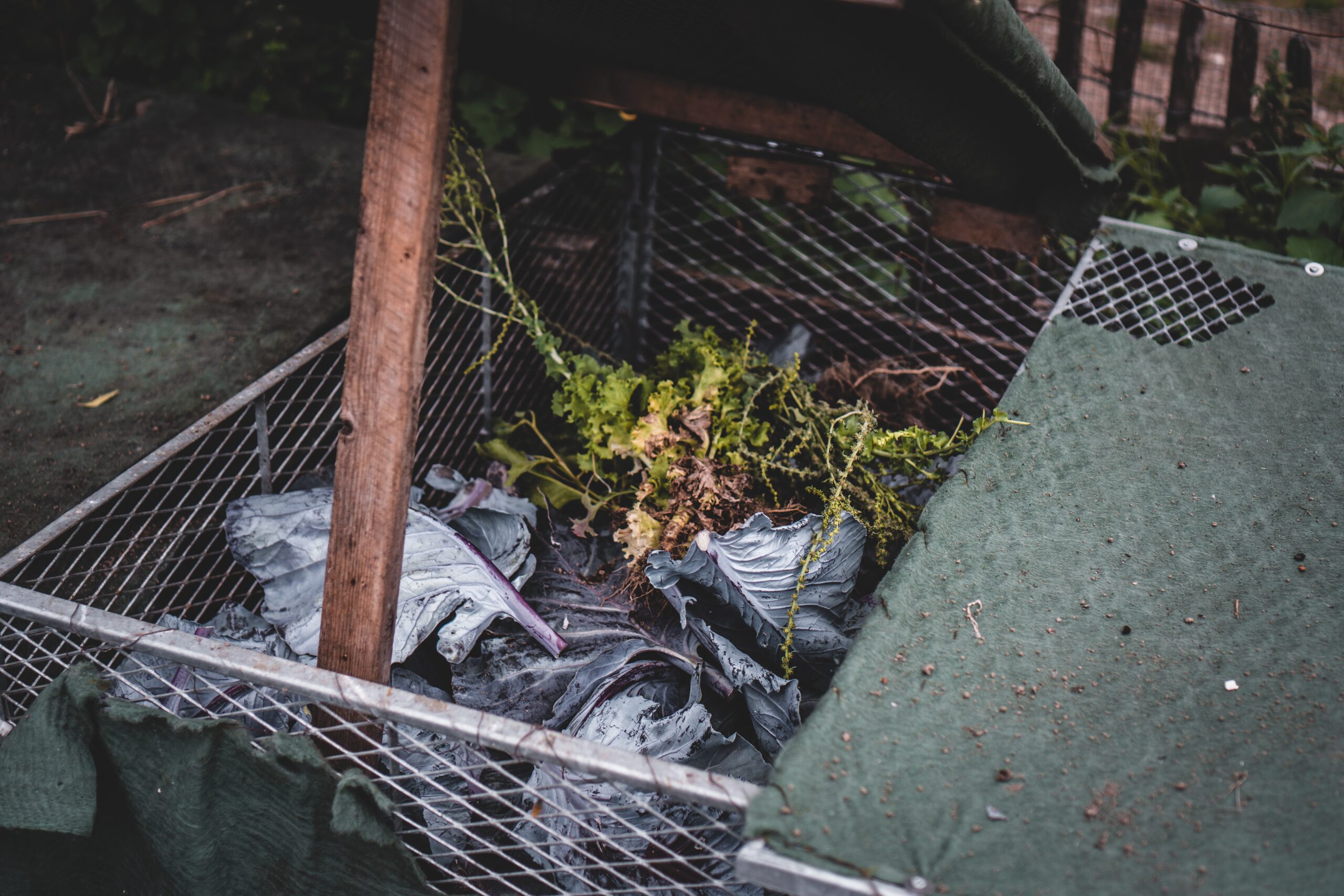
There are many different compost bin setups gardeners use, with simple wire frames or wooden bins being very common. Your pile should be approximately 3 feet by 3 feet by 3 feet in size for optimal composting. Allow the pile to have direct contact with the ground as well.
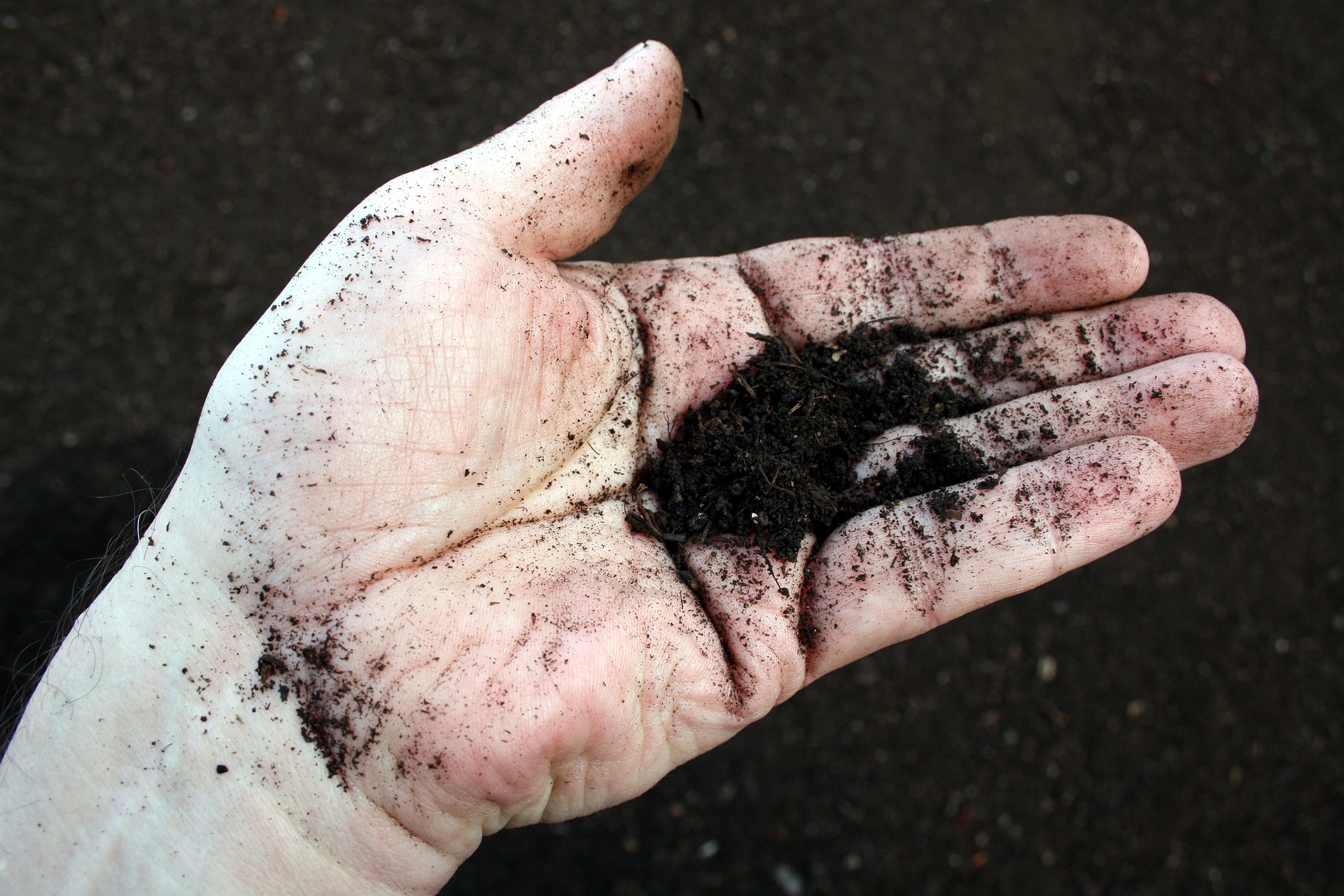
Layer and/or mix your greens and browns into the pile, moistening along the way. Your compost should be moist, but NOT sopping wet. To test the mixture, squeeze a handful in your palm. The mixture should not fall apart, but it also shouldn’t be a watery mess. Some gardeners cover their piles to conserve water or protect from excess rainfall, and you may find you need to something similar, depending on your local weather conditions.
Mixing Your Compost Pile
To aerate, turn your pile weekly.
Your compost pile should get hot! This means the microorganisms are doing their jobs. The ideal composting temperature is somewhere between 130 to 160 degrees F. (You can test the temperature with a thermometer, though many gardeners just test it by hand instead.)
Once finished, your compost should have transformed into a dark brown soil-like mixture. When it’s done, the temperature will cool off as well. (One reliable source mentions you should let the pile sit for another two weeks at this point, to cure the compost.) Now it’s ready for use in your garden!
That’s How You Make Homemade Compost!
Among gardeners, composting methods vary a lot. There are lots of different processes and opinions available. At its core, every method is simply about transforming organic matter into the highest possible quality of organic compost. There are many different ways to go about it, so just experiment in your garden. Determine what works best, given your weather conditions and available green/brown materials.
Do you have other thoughts on homemade compost? Let us know in the comments!
Learn More!