When you plant a garden, there’s a lot to consider: What you want to grow, where you want to put your garden rows, and how much sunlight and moisture your plants will receive throughout the season. But long before any of those things become reality, it begins with seed germination!
Understanding how seeds germinate and what impacts baby plants as they sprout can go a long way into making sure you get the most out of your seeds, with the least amount of wasted effort and supplies as possible along the way.
So let’s dive into everything you need to know about germinating garden seeds! We’re going to explain some basics you need to know first, including how to test your germination rates and provide seedlings exactly what they need to flourish, and then we’ll tackle several common reasons for germination problems.
Seed Starting vs. Direct Sowing Seeds
Before we get into germination, it’s important to point out the difference between starting seeds indoors and direct sowing.
Seed starting offers numerous advantages for gardeners, allowing for early plant development in controlled environments, especially in climates with limited growing seasons. Seeds are started indoors before eventually being hardened off and transplanted into the garden.
Two of the most common plants that are started indoors include peppers and tomatoes, which both take a long time and lots of heat to produce. Starting the process indoors early in the season can mimic a longer growing season and boost production. Seed starting is also commonly used for crops that need very specific growing conditions to sprout or crops that can be finicky and weak in their earliest growing stages.
Don’t know anything about seed starting? Get started here.
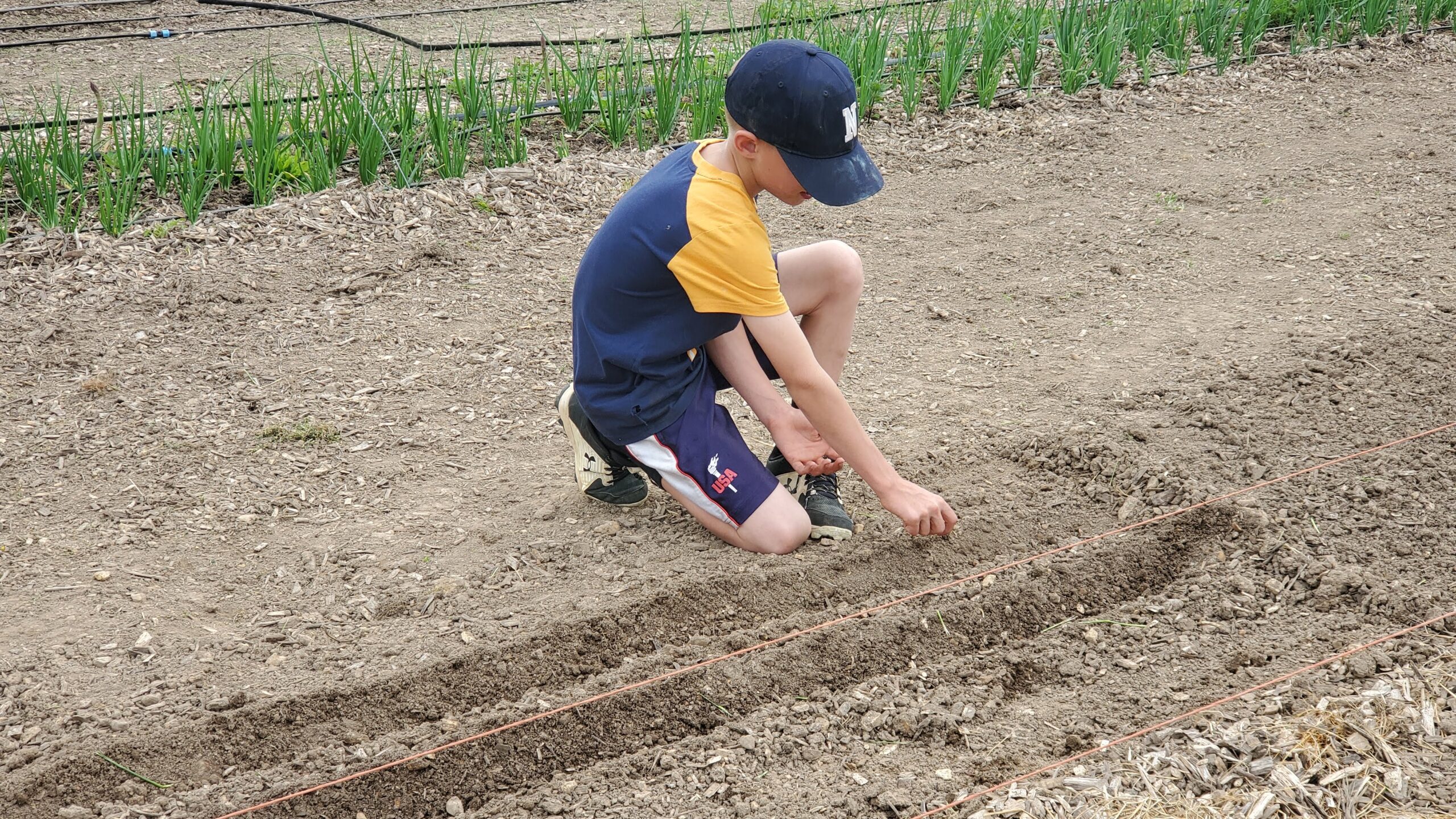
On the other hand, direct sowing seeds directly into the garden soil is also common. Peas, beans, corn, and radishes are all commonly direct sown. In fact, if you tried to transplant many of these crops, they wouldn’t grow nearly as strong due to transplant shock.
When it comes to direct sowing, the most important factors is knowing WHEN to sow your seeds.
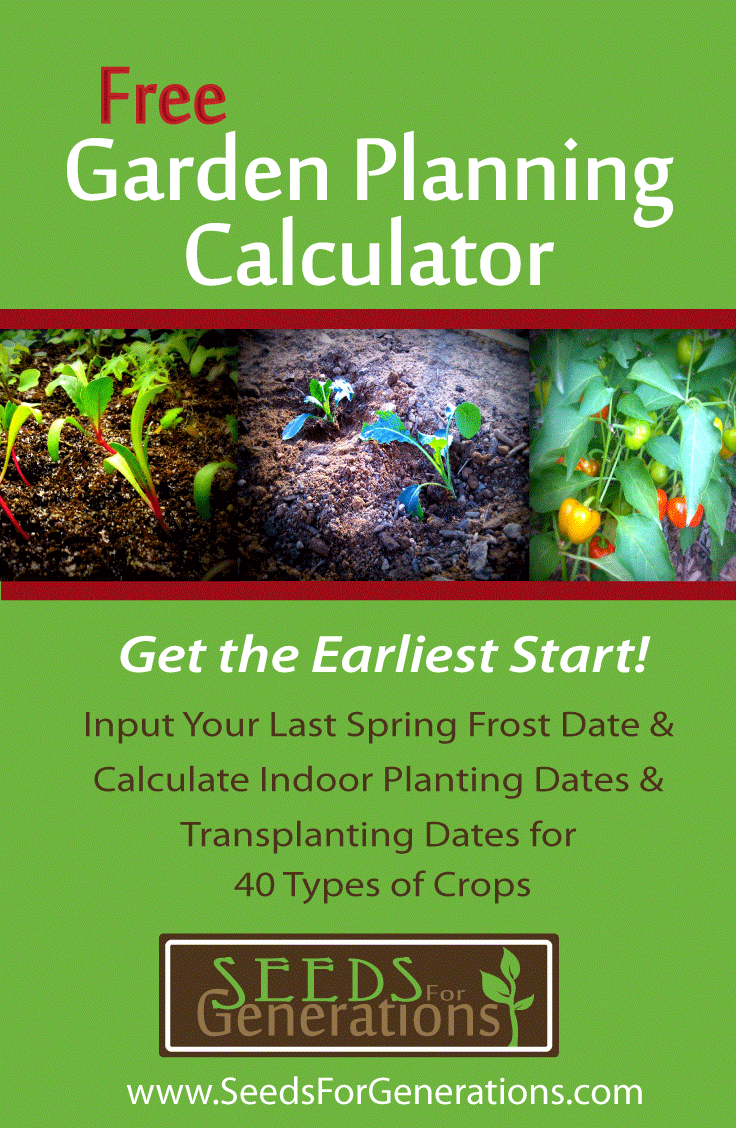
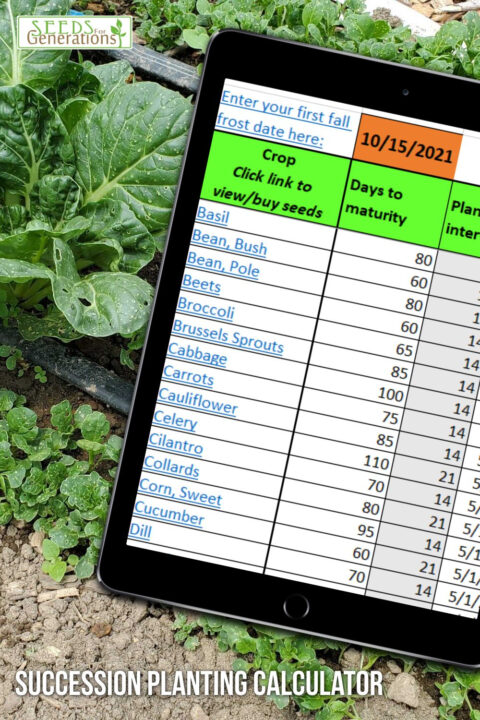
Don’t know when to plant your crops outdoors? Calculate your planting dates here.
Decoding Monocots vs. Dicots: Unraveling Seedling Growth
One other thing to consider is the difference between different types of seedlings. Monocots, such as corn and wheat, have a single seed leaf (cotyledon), while dicots, like beans and tomatoes, have two cotyledons. Knowing what to look for helps you know what type of crop you’re growing.
Okay, let’s dive into what seeds need to germinate well…

What Seeds Need to Germinate
The Importance of Light in Seed Germination
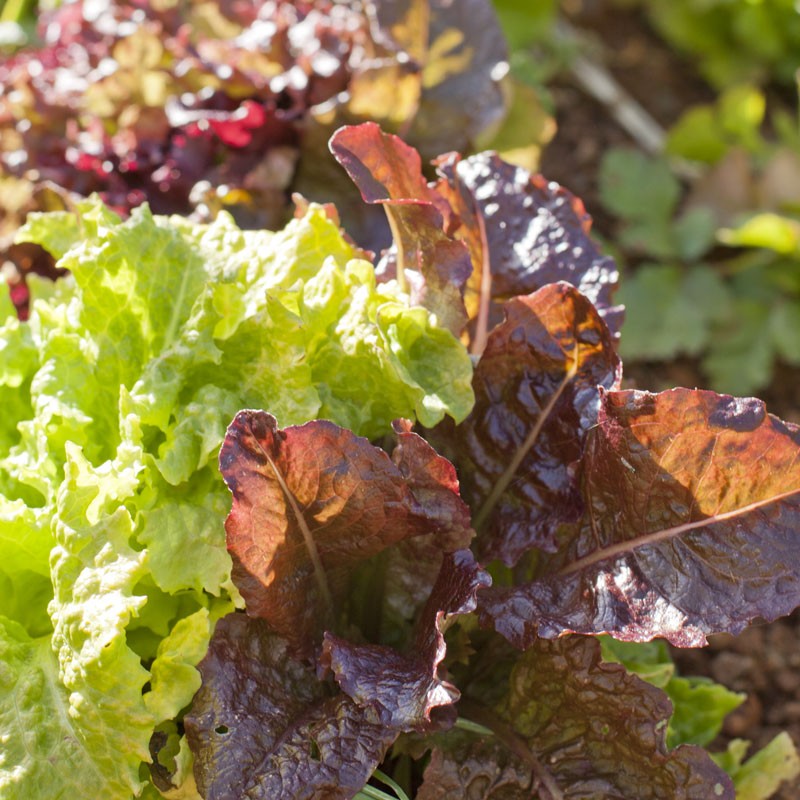
Light plays a vital role in seed germination, with some seeds requiring exposure to light to initiate the process. Different plant species have varying light requirements for germination – for instance, lettuce seeds need light to germinate, while others like carrot seeds prefer darkness. It’s important to know what your crop needs, so you can plant them at the proper depth and provide the proper lighting if growing indoors.
Moisture Levels for Seed Germination
Maintaining optimal moisture levels is critical for successful seed germination. This is probably one of the most important factors to whether or not your seedlings will sprout successfully. Some crops, such as watermelon and cucumbers, require higher moisture levels for germination, but pretty much all seedlings will need consistent moisture. It’s stressful on plants when growing conditions swing between sopping wet and bone dry. In most cases, you want to provide consistent, even moisture, especially during their earliest days.
The Impact of Temperature on Seed Germination
Seeds also have specific temperature requirements for successful germination, with some plants preferring warmer conditions while others tolerating cooler temperatures. For instance, tomatoes and peppers, like we mentioned earlier, require warm soil to germinate effectively, whereas cool-season crops like spinach and peas prefer cooler temperatures. Understanding these temperature preferences is essential for creating optimal growing conditions for different plant varieties. If you plant seeds in soil that isn’t the right temperature, it has a big impact on germination of the seeds themselves. This is a very common mistake many new gardeners make.
Other Seed Germination Needs
In addition to light, moisture, and temperature, seeds also require protection from diseases and pests. One of the biggest is providing proper ventilation and air flow, as well as good growing medium like sterile seed starting mix. It’s much easier to ward off pests and prevent diseases than it is to try to control them after they start attacking your young seedlings.

How to Test Your Seed Germination Rates Before Planting
If you aren’t sure how much of your seed will germinate, or if you’re using older seeds, it can pay off to do a germination test indoors before actually planting your crops. Here’s how:
1. Gather materials: You will need a paper towel, a resealable plastic bag, water, and the seeds you want to test.
2. Prepare the setup: Moisten a paper towel with water until it’s damp but not dripping wet. You want to put the damp paper towel on a flat surface too.
3. Place seeds: Spread a few seeds evenly on one half of the damp paper towel. Make sure to leave enough space between the seeds for roots and shoots to develop.
4. Fold and seal: Fold the other half of the paper towel over the seeds to cover them. Place the paper towel with the seeds inside a resealable plastic bag.
5. Label and incubate: Label the bag with the seed type and date. Keep the bag in a warm, dark place, such as on top of the refrigerator or in a kitchen cabinet.
6. Check and record: Check the seeds every day to monitor germination progress. Record the number of seeds that have sprouted to calculate the germination rate.
7. Calculate germination rate: After a few days, count the number of seeds that have germinated. Divide this number by the total number of seeds tested and multiply by 100 to calculate the germination rate as a percentage.
By testing seed germination rates before planting, you can identify any low-viability seeds and adjust your planting strategy accordingly to maximize your garden’s success.
Using the Board Planting Method for Germinating Seeds
Have you ever lifted a board or large rock from your garden, only to uncover strong seedlings germinating underneath it? You can mimic this in your own garden planting!
Placing a board over directly sown seeds in the garden, such as carrots, is a technique known as “boarding” or “board mulching.” This method involves covering the seeded area with a board to create a protective barrier that can help retain moisture, regulate temperature, and prevent seeds from washing away or being disturbed by birds or pests. The board can also shield the seeds from direct sunlight, promoting a more stable and favorable environment for germination. Once the seeds have sprouted and seedlings have emerged, the board should be gently removed to allow the plants to continue growing freely. Boarding can be particularly useful for seeds that require darkness for germination or for gardeners looking to protect newly sown seeds in the early stages of growth.

Common Seed Germination Problems & How to Fix Them
Through the years, we’ve heard lots of questions about germination. Most questions come down to the same common mistakes and mixups:
Germination Problem: Improper Planting Depth
Seeds planted too deep or too shallow may struggle to germinate. This happens for two reasons: First, seedlings could struggle to push through the soil if they’re planted too deeply or don’t have proper support if they’re planted too shallowly. Second, some seeds may need light to germinate. If you plant them too deeply, they won’t receive the light they need. Just ensure seeds are planted at the recommended depth indicated on their packets.
Germination Problem: Inadequate or Inconsistent Water
We mentioned this earlier, but it bears repeating: Insufficient watering can lead to poor germination rates. Maintain consistent moisture levels by watering gently but frequently. Fluctuating moisture levels can stress seeds and impede germination. Water consistently to keep the seedlings evenly moist.
Germination Problem: Poor Soil Quality
Soil lacking essential nutrients or proper drainage can hinder seed germination. It’s often helpful to amend your soil with organic matter and ensure good drainage, so seedlings aren’t sitting in puddles of water.
Consider what types of soil your seeds need. Some crops, for example, will thrive in clay soil, while others need looser soil conditions. It always helps to focus on growing plants that will thrive in your specific soil conditions, which vary from location to location.
Quick Tips: Aren’t sure what kind of soil you have and haven’t done a soil test yet? An easy clue is by looking at what types of weeds grow naturally in your soil and then researching what type of soil those plants prefer.
Germination Problem: Seed Age & Viability
Seed viability refers to the ability of a seed to germinate and grow into a healthy plant under the right conditions. The viability of a seed is influenced by factors such as age, storage conditions, and genetics. Seeds have a limited lifespan, which means their viability decreases over time. Some seeds, like those of tomatoes or peppers, can remain viable for several years if stored properly, while others, such as onions or leeks, have shorter viability periods.
That said, in our experience, it’s less about seed age and more about seed quality and storage conditions. Seeds don’t “expire”, so if you store your seeds properly in a dry cool place, preferably dark, and they will store several years and still have good germination rates. Depending on the type of seed, after several years, the germination rate will begin to slowly decline, but we still personally get over 50% germination rates on tomatoes that are almost a decade old.
Germination Problem: Incorrect Temperature
This is something else we already mentioned, but seeds planted in unsuitable temperature conditions may fail to germinate. Check seed packets for recommended temperature ranges.
It’s also important to consider the difference between ambient outdoor air temperature and soil temperature. When you’re planting seeds, most of the time you want to look at the soil temperature itself. (This is usually what is listed on the seed packets too.) Even if the weather outdoors has warmed, it doesn’t mean the soil has caught up yet, especially earlier in the spring.
If you’re not sure of your local soil temperature, you can use a soil thermometer to check or find a source online such as this Soil Temperature App. (Your local extension or weather office may also provide this data to your area. Search something like “soil temperature in [YOUR LOCATION]” online to find your local source.)

Germination Problem: Lack of Light
Seeds that require light for germination may struggle in dark conditions. Ensure light-loving seeds receive adequate exposure to trigger germination. Seeds generally need plenty of strong sunlight (or equivalent artificial light) to germinate well, like they would out in the wild.
Germination Problem: Overcrowding Plants
You may not think of this right away, but planting seeds too closely together can lead to competition for resources and hinder germination too. It’s important to thin out seedlings as they grow to provide adequate space as well. This is especially true for root crops, for example, that need lots of underground space to expand. That said, overcrowding can cause all sorts of crops to have stunted growth, reduced yields, and a propensity towards diseases (especially fungal diseases, which thrive in damp, airflow-restricted conditions).
Germination Problem: Improperly Prepared Seeds
While most seeds don’t require anything but the proper moisture, sunlight, and soil conditions to sprout, there are a few types of seeds that need a little extra help.
Scarification is a process that involves breaking, scratching, or weakening the seed coat to promote germination. Seeds with hard outer coats, such as those of certain legumes like beans and peas, as well as some flower seeds like morning glories and sweet peas, benefit from scarification. By scarifying these seeds, you help water penetrate the seed coat more easily, allowing germination to occur.
Stratification is a method used to simulate the natural conditions seeds need to germinate. It involves exposing seeds to a period of cold and moist conditions, typically in the refrigerator, to break dormancy and trigger germination. Seeds of plants native to cold climates, like many trees (e.g., oaks, maples) and shrubs, as well as some perennial flowers (e.g., echinacea, black-eyed susans), often require stratification to germinate successfully.
Pre-soaking is another simple, yet effective technique used to improve seed germination by softening the seed coat and kickstarting the germination process. To pre-soak seeds, you typically place them in a container of room temperature water and let them soak for a specific period before planting. The duration of pre-soaking varies depending on the type of seed, but it usually ranges from a few hours to overnight. Seeds with hard outer coatings, such as peas, beans, morning glories, and sweet peas, benefit most from pre-soaking. This process helps hydrate the seeds, making it easier for water to penetrate the seed coat and initiate the germination process. After pre-soaking, you can plant the seeds as usual, ensuring they have adequate moisture, warmth, and light to continue growing into healthy seedlings.
Germination Problems: Compacted Soil
Soil compaction restricts root growth and makes it challenging for seeds to sprout. Loosen compacted soil to improve aeration and water infiltration.
Frequently Asked Questions on Garden Seed Germination
Q: How often should I water newly planted seeds?
A: Water newly planted seeds gently but frequently to keep the soil consistently moist without saturating it.
Q: How long does it take for seeds to germinate?
A: Germination times vary depending on the plant species and growing conditions, with some seeds sprouting in days while others may take weeks. Radish seeds, for example, can appear in as few as 3-7 days from planting, while carrot seeds can take up to 21 days! “Days to sprout” or “days to germination” usually appears on the seed packet, so you know what to expect when you’re planting.
Understanding Damping Off in Seedlings
Your seedlings have sprouted, germinating perfectly. But suddenly, they start looked a little sick or start falling over. What happened?
Damping off is a common fungal disease you may face when seed starting. Basically put, the fungus attacks young seedlings, causing them to wilt and die. It’s one of the biggest threats to young seedlings that have already germinated successfully. To learn how to prevent and naturally control damping off, check out this article.
Order Heirloom Seeds with Great Germination Rates!

We love ordering our seeds from Seeds for Generations! The germination rate is the best compared to any other seeds we have ever bought!

I’m a repeat customer. SFG has great customer service and timely delivery. I’ve had such good germination results with everything I’ve purchased for the past 3 years.
Shipment came in great condition. Very good germination from all the seeds I’ve bought from you over the years. I would say better than any other source.