Disclosure: Seeds for Generations is a part of Amazon Services LLC Associates Program, as well as other affiliate and/or referral programs. If you purchase or opt-in after clicking on these links, at no additional cost to you, we may receive a small commission for making you aware of these important resources.
Imagine this: Your seedlings are growing beautifully, stretching their itty bitty leaves toward the light as they grow. Until one day, you notice they’re not looking quite as spry as yesterday. Before you know it, one of the plants falls over and the others look like they’re getting sick too. What in the world is going on?
These symptoms indicate the presence of damping off, a fungal disease that can lead to the eventual death of your seedlings if not addressed immediately. In this article, you’ll learn how to mitigate this all-too-common gardening problem of damping off.
What is Damping Off?
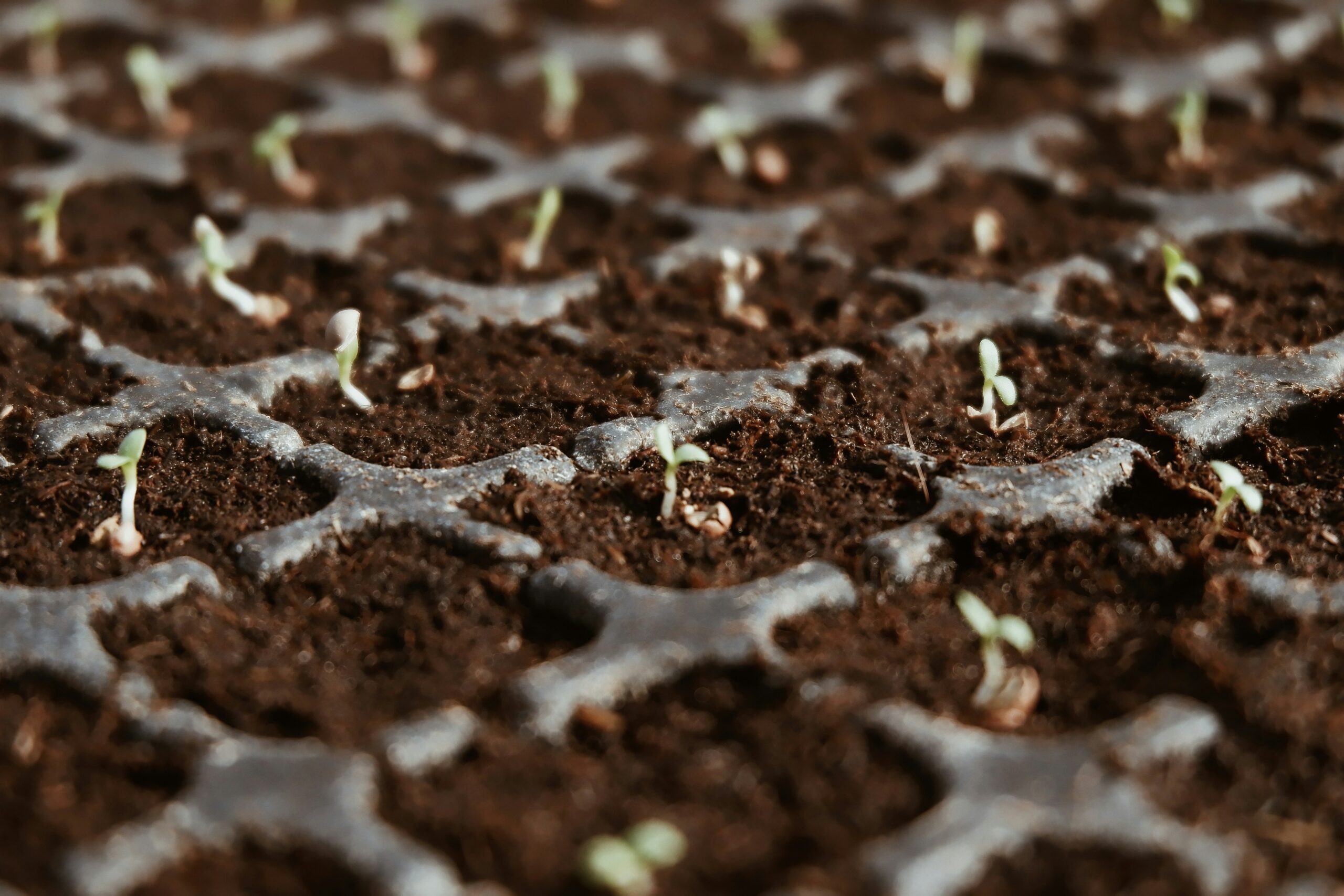
Damping off is a type of fungal disease that affects young seedlings in particular. It is typically caused by soilborne fungi from the Rhizoctonia, Fusarium, and Pythium genera. These fungi are present in the soil and can infect plants when conditions are favorable to their overgrowth of the plant – typically excessive moisture, poor air circulation, overwatering, or using contaminated soil or tools.
There are two major kinds of damping off:
- Pre-emergence damping off occurs before the seedlings emerge from the soil. It is caused by fungal pathogens that attack the seeds or young roots, preventing the seedlings from germinating or emerging properly.
- Post-emergence damping off, on the other hand, occurs after the seedlings have emerged from the soil. It is also caused by fungal pathogens that attack the stem or root of the young seedling, leading to wilting and death.
What Type of Plants Does Damping Off Infect?
Damping off can infect a wide variety of plant species, but it is most commonly observed in young seedlings and tender plants that don’t have the strength yet to resist. Vegetables such as tomatoes, peppers, cucumbers, and lettuce are particularly susceptible to damping off. Additionally, annual flowers, herbs, and ornamental plants grown from seed are at risk of being affected by this fungal disease.
How Does Damping Off Attack a Seedling?
When a plant is affected by damping off, the fungi attack the plant at the soil level, causing lesions and rot in the stem tissue. This impairs the plant’s ability to transport water and nutrients, leading to wilting and ultimately, death.
Signs and Symptoms of Damping Off in Seedlings
The signs and symptoms of damping off can vary depending on the type of plant and the severity of the infection.
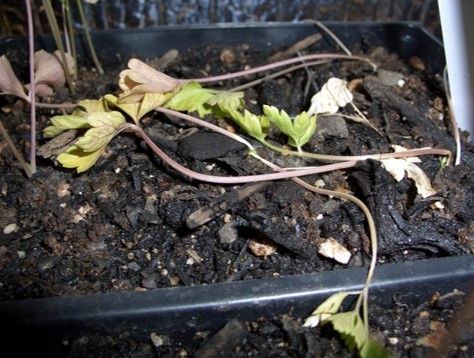
- Wilting is one of the most noticeable and common symptoms of damping off. The seedlings may appear healthy one day and suddenly wilt and collapse the next.
- Stunted growth is another common symptom, where the seedlings fail to grow as expected or remain small in size.
- Discoloration is another sign. The stem or root of the seedling may turn brown or black, indicating fungal infection. In some cases, a white, fuzzy mold may also be present on the affected parts.
Note that these symptoms can also be caused by other factors, such as overwatering or nutrient deficiencies, so it’s important to look at your seedling setup as a whole to make sure you’re dealing with damping off and not another problem.
How to Control Damping Off in Seedlings
Preventing Damping Off in Seedlings
One of the best things you can do with damping off is simply prevent it. Here are some essential tips to help you keep damping off at bay:
Use Sterile Soil
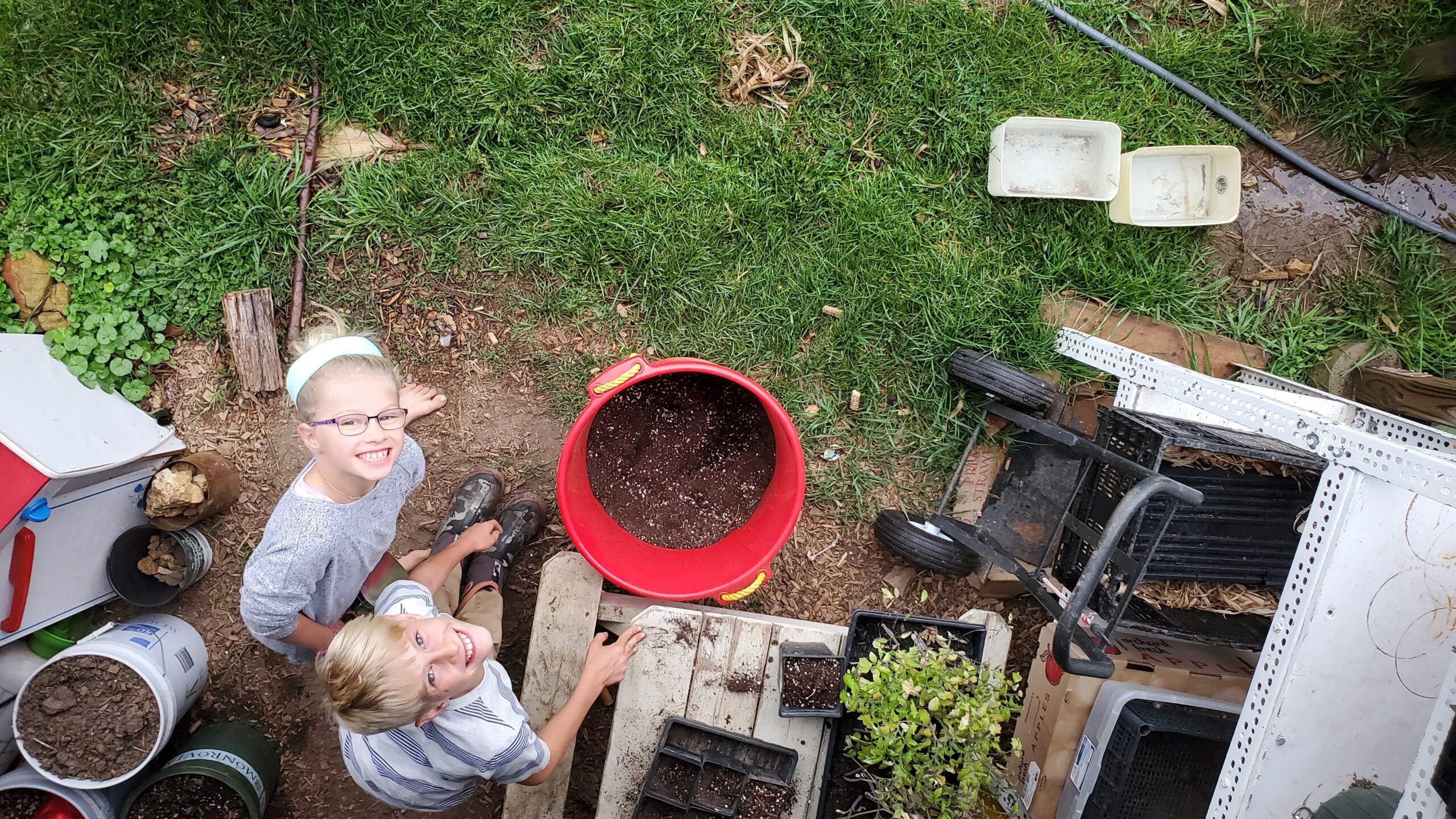
Start with clean, sterile soil that is free from fungal pathogens. Avoid using garden soil or compost that may contain contaminants. Most pre-made potting soils are sterile already. While we mix our own potting soil (recipe here), we don’t sterilize it because we have a low incidence of disease and I’d rather have the biological organisms stay alive and contribute to soil life. That said, sterilizing your mix would be worth it if you’re using your own soil blend and you’ve had issues previously with damping off.
In addition, avoid reusing soil. Use fresh, high-quality potting soil for each new planting. If you have old soil from previous batches of plants, compost it or use it for other plants where damping off isn’t a concern.
Avoid Overwatering Your Seedlings & Provide Proper Drainage
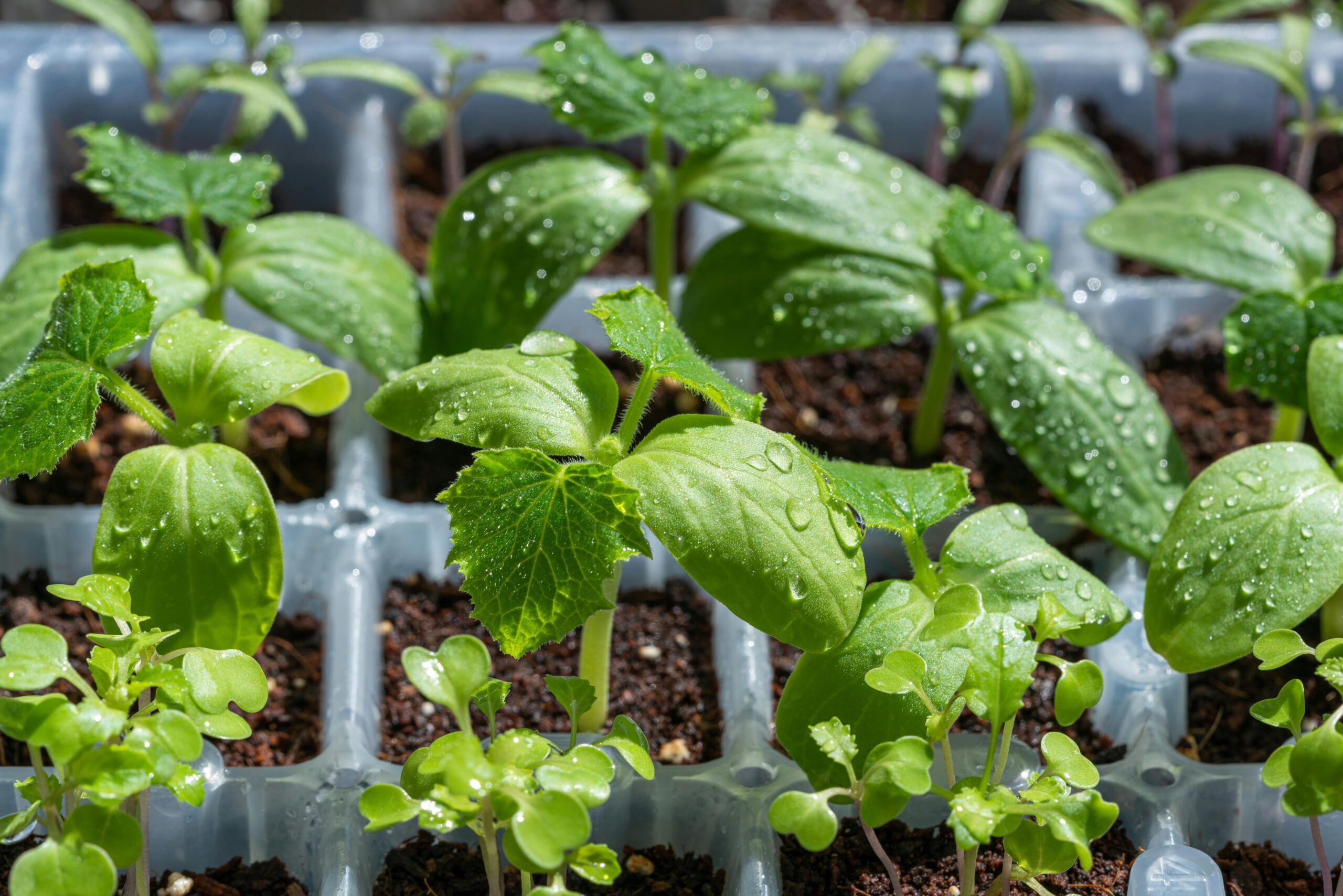
Water your seedlings carefully and avoid overwatering, since that makes the plants sit in water longer than ideal and gives the opportunity for fungus to take hold. Allow the soil to dry out slightly between waterings to prevent excess moisture. Too much water leads to mildew issues and fungal diseases. Ensure that your pots or containers have adequate drainage holes to allow excess water to escape, instead of pooling stagnant underneath your plants.
Provide Proper Ventilation for Your Seedlings
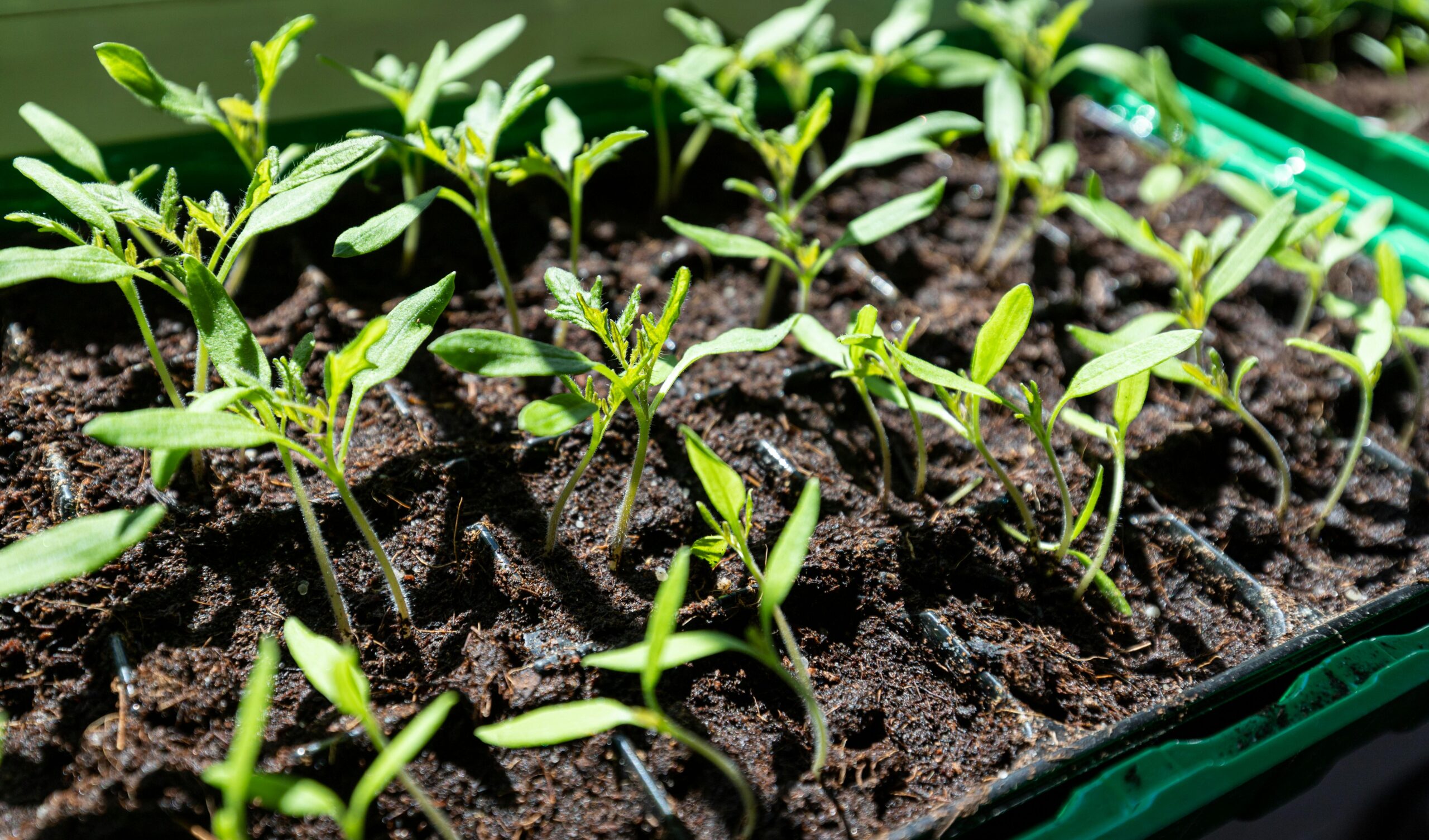
Good air circulation is always important for preventing fungal growth. Make sure your seedlings are not overcrowded and provide adequate spacing between them. Adding a fan can help dry the surface of the soil and stiffen up your plants too, which they’ll need to do anyway when planted outdoors. Read more about hardening off here.
Maintain a Clean Environment
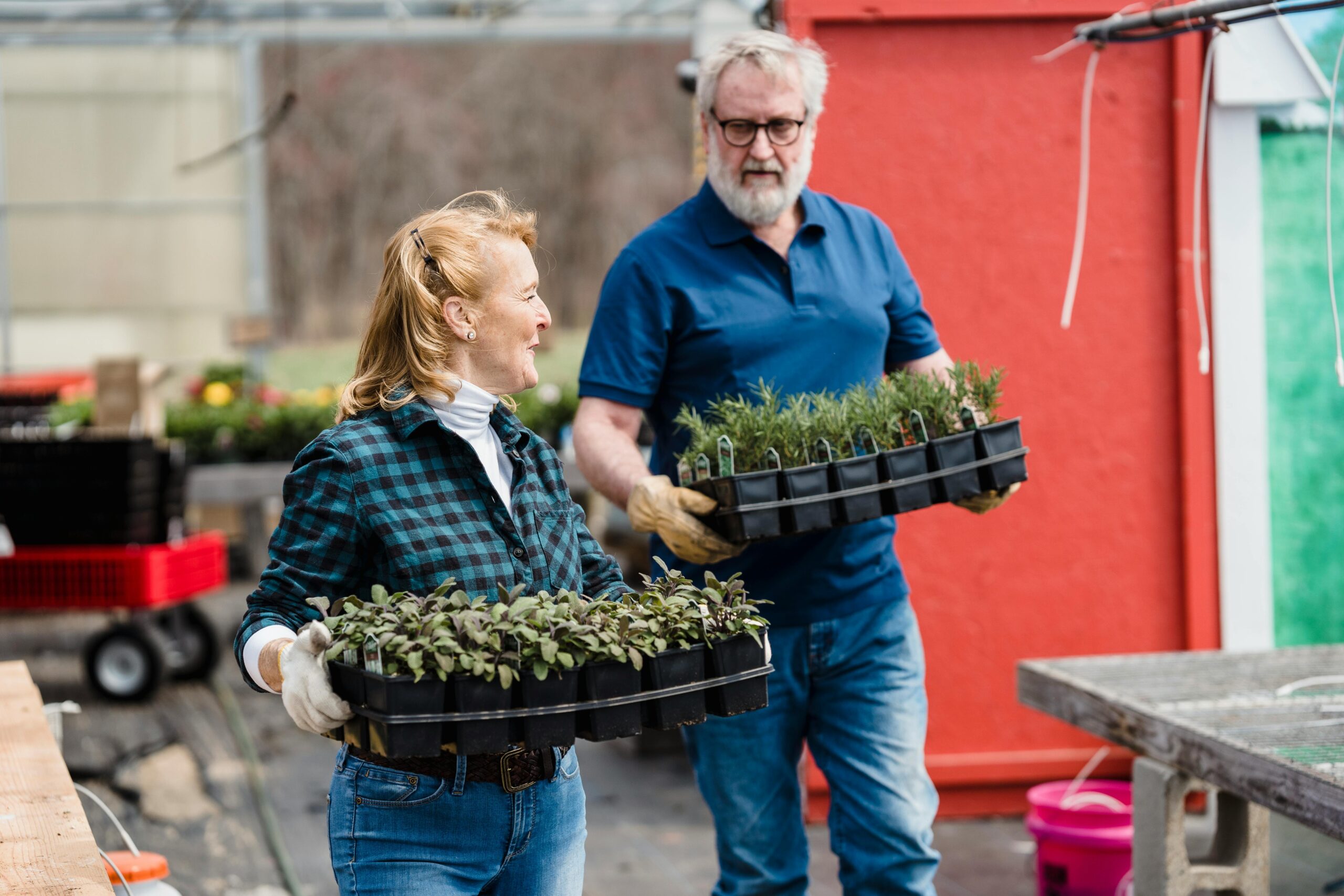
Another way to prevent damping off? Keep your gardening tools and containers clean and disinfected to prevent the spread of fungal pathogens. From year to year, regularly wash and disinfect trays and pots using soap and water or even bleach (1 part bleach to 9 parts water). Rinse thoroughly with clean water before planting in these containers again.
It’s also important to keep your seedling area clean and free from plant debris. Store gardening tools properly and keep them clean as well, so you don’t spread pathogens in the garden. Avoid leaving pots, trays, and gardening supplies lying around in areas that will attract disease-carrying pests.
Natural Methods to Mitigate Damping Off
If you see signs of damping off, you need to work quickly. Isolate infected seedlings from healthy ones, dispose any infected seedlings in the trash or burn them to prevent further contamination, and clean and disinfect the surrounding area to prevent spread.
Thankfully, there are natural methods that can help prevent and treat this common plant disease – without chemicals! Let’s explore some effective solutions:
Chamomile Tea for Damping Off
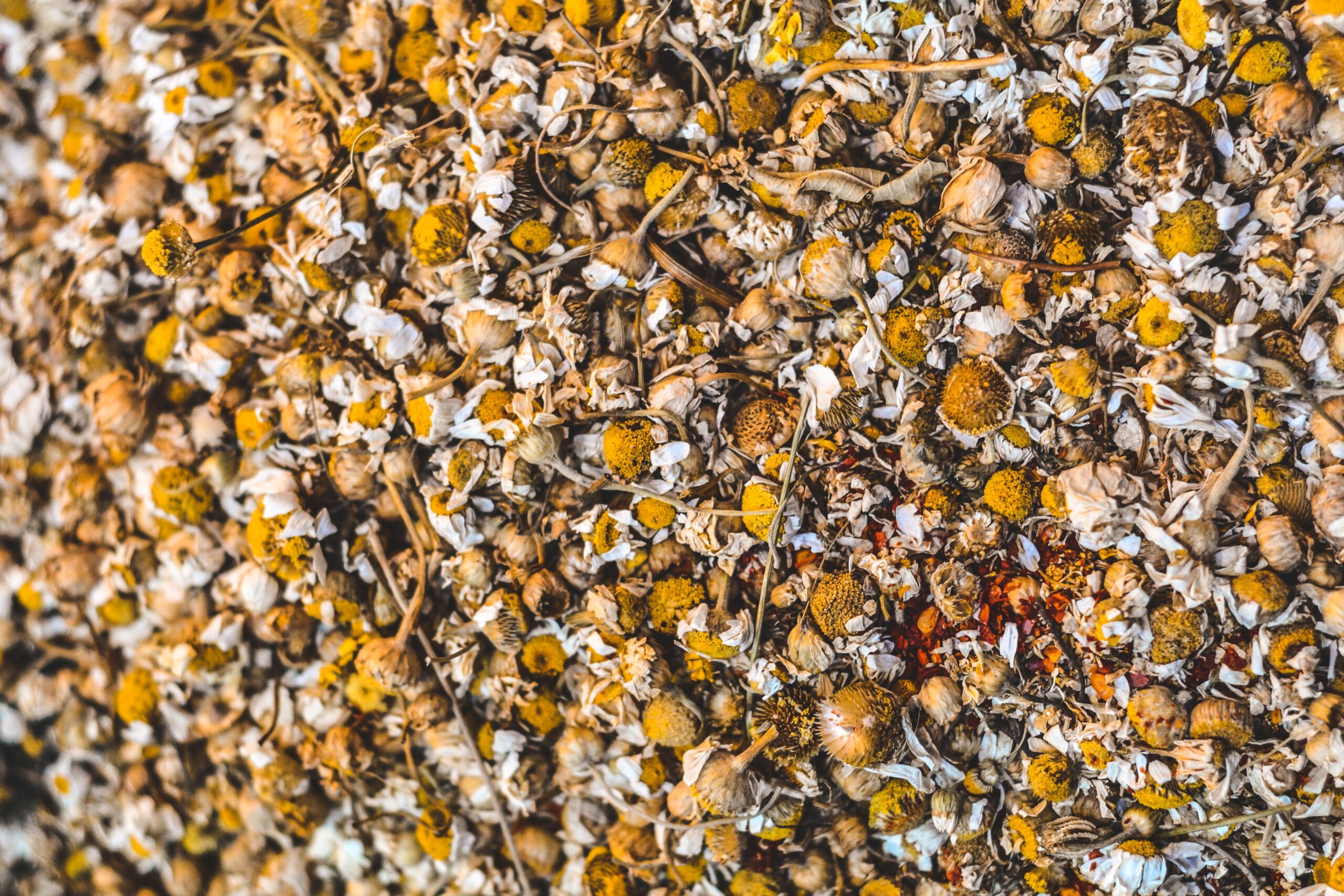
Chamomile tea is known for its anti-fungal properties, making it a great natural remedy for damping off. Start by brewing a strong chamomile tea. Steep a handful of dried chamomile in hot water for about 15 minutes. Strain and let it cool. Mix the chamomile tea with an equal amount of water to dilute it. This will ensure that it is not too strong for the seedlings.
Use the diluted chamomile tea to water your seedlings, making sure to thoroughly moisten the soil. Repeat regularly, applying the chamomile tea once a week or whenever you water your seedlings to maintain its effectiveness.
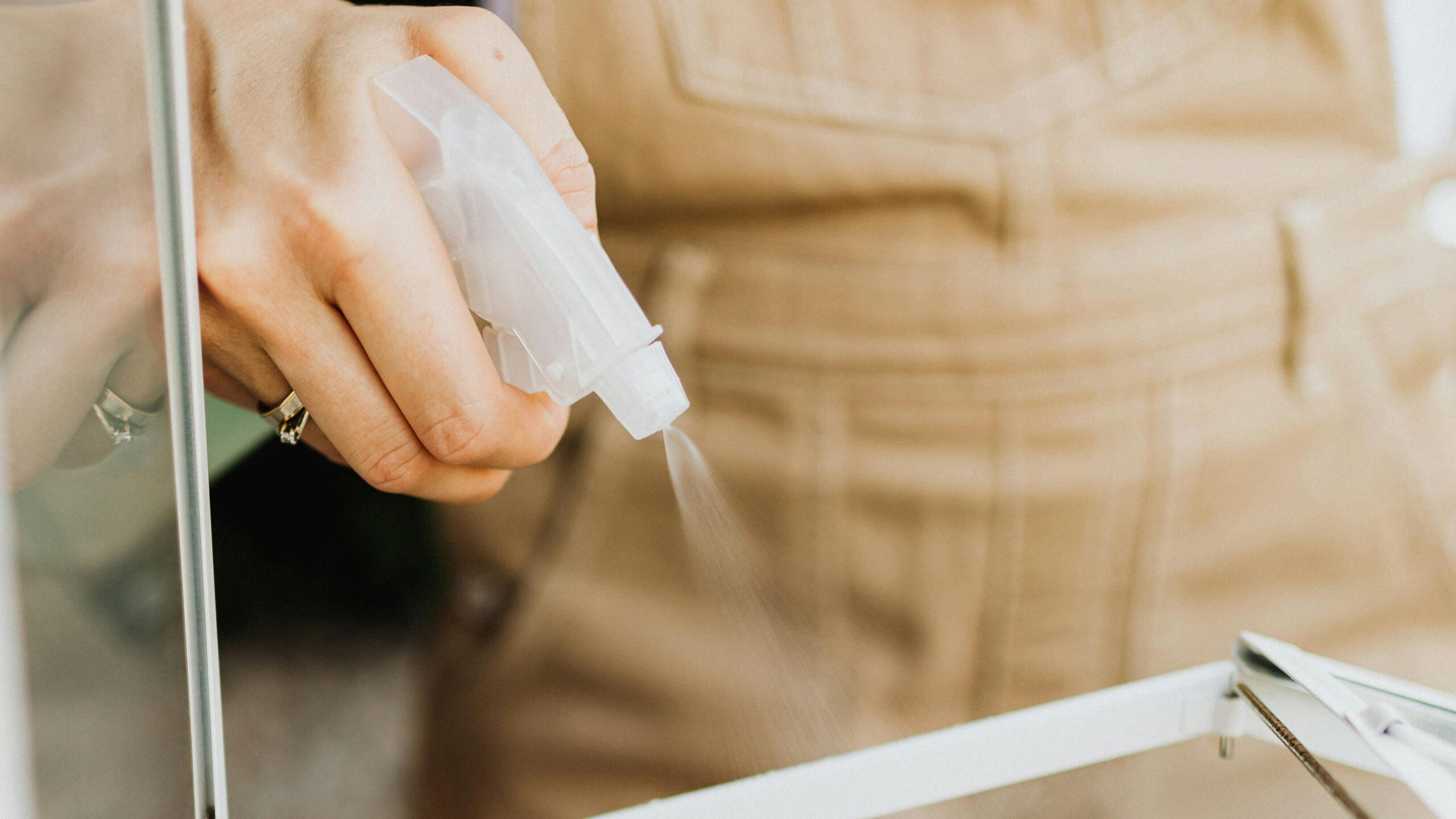
Hydrogen Peroxide Spray for Damping Off
Hydrogen peroxide can also be used as a gentle disinfectant to combat damping off. Mix a solution of hydrogen peroxide and water (1:3 ratio) and spray it on the soil to help kill off harmful pathogens. Just be careful not to use too strong of a solution.
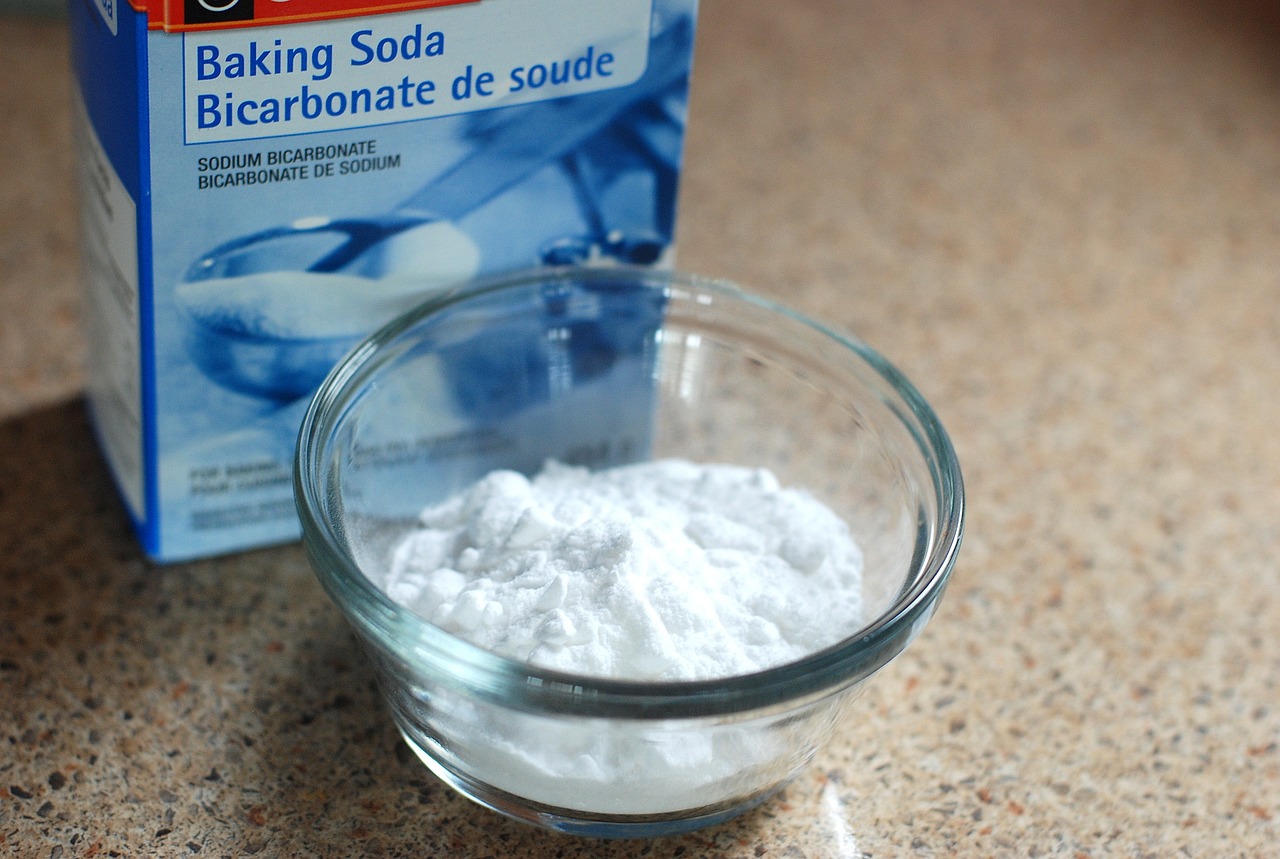
Baking Soda Solution for Damping Off
Baking soda is another household item that can be used to prevent damping off, according to our research. To use it, you can create a solution by mixing 1 teaspoon of baking soda in about 4 cups of water. The alkaline properties of baking soda can create an environment less hospitable to fungi. Be careful not to overdo this one, since it may change the pH of the growing medium.
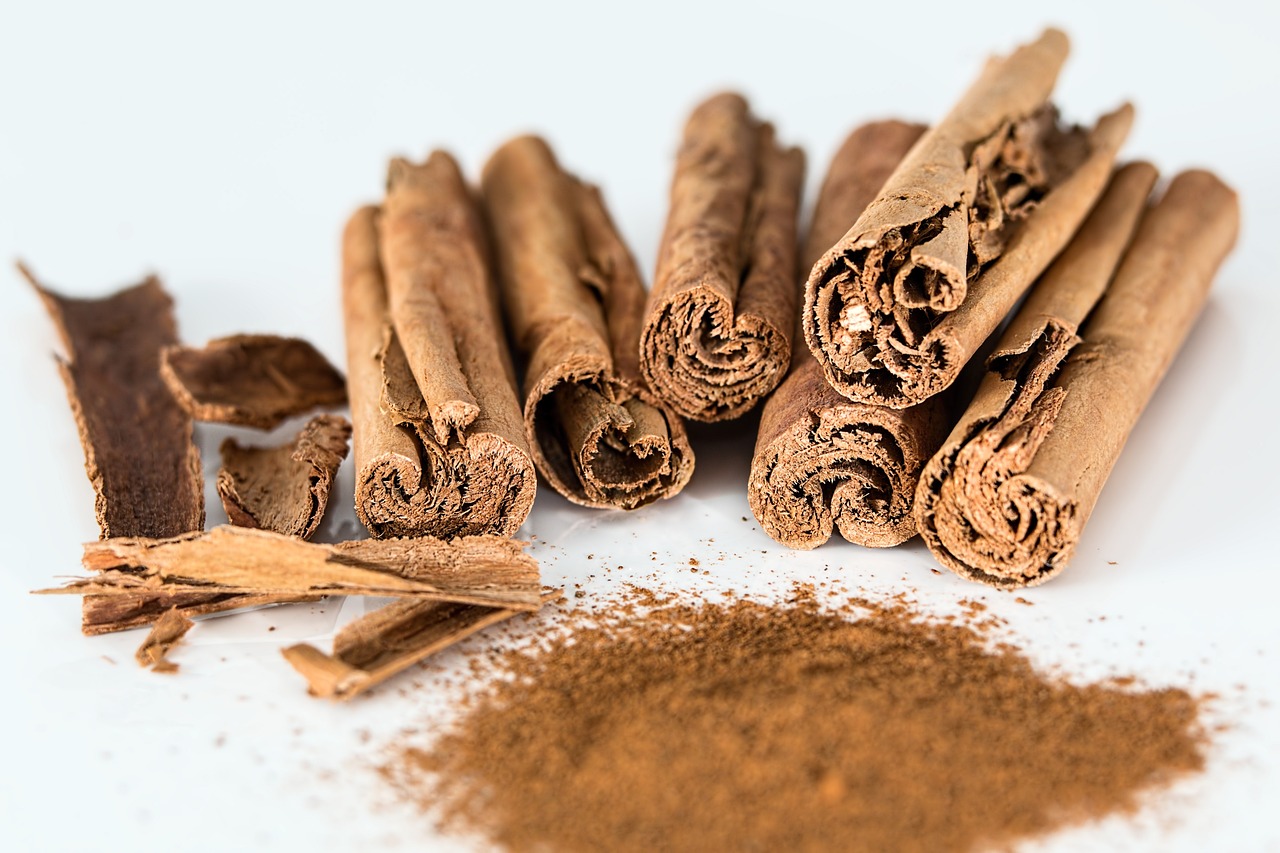
Cinnamon on the Soil for Damping Off
Cinnamon is not only a delicious spice, but it also acts as a natural anti-fungal agent. Simply sprinkle cinnamon powder on the surface of the soil to help inhibit the growth of damping off-causing fungi.
Conclusion
By incorporating these natural methods into your plant care routine, you can help prevent and treat damping off in a safe and natural way. Experiment with these solutions to find what works best for your plants. Let us know in the comments what works best for you!
Read the Whole Seed Starting Series!

- How to Calculate Your Garden Planting Dates
- How to Choose Garden Seeds
- How to Start Seeds Indoors: Seed Starting Supplies
- Homemade Potting Soil Mix
- How to Care for Seedlings: Tracking, Managing, & Hardening Young Plants
- Hardening Off Seedlings: How to Move Seedlings to Your Garden
- How to Prevent Damping Off in Seedlings
- Mastering Seed Germination: Tips, Tricks, & Troubleshooting Problems