Disclosure: Seeds for Generations is a part of Amazon Services LLC Associates Program, as well as other affiliate and/or referral programs. If you purchase or opt-in after clicking on these links, at no additional cost to you, we may receive a small commission for making you aware of these important resources.
We’ve already discussed the most important planning considerations for your garden, but there are a few other considerations that you may find helpful as you’re finalizing your plot. Keep these things in mind while considering how to lay out a garden plot, with all of its crops and functionality. These factors will help your garden produce more!

Garden Plot & Size
In an earlier article, we touched on garden size (i.e., available space), but it’s worth repeating here. The size of your garden is determined by which growing method you use. There are many different methods, but the most basic methods are row gardening, square foot gardening (popularized by Mel Bartholomew), and container gardening. You can also use vertical growing methods, which are great for small spaces.
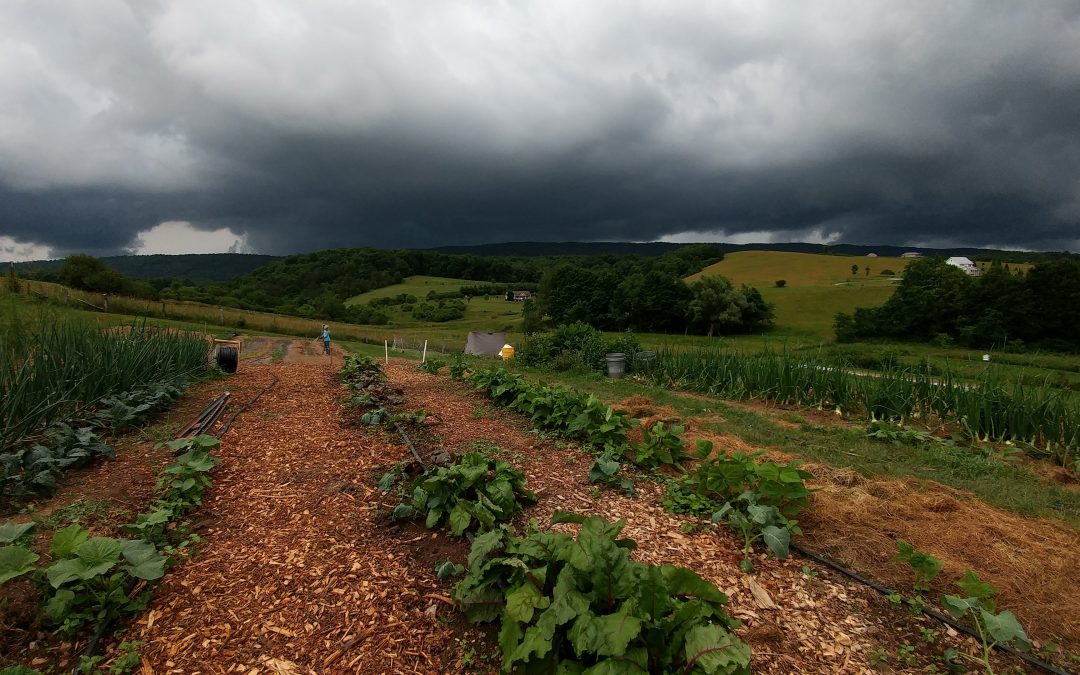
Regardless, you’ll want to maximize your planting area by placing paths only where absolutely necessary. Generally, you don’t want more than four or five feet between your paths, because most people can only reach two and a half feet and any longer makes tending and harvesting difficult.

Laying Out Your Garden
Considering the Elements
Once again, your layout entirely depends several factors, including sunlight. Like we mentioned previously, you’ll want to orient your plot towards the south to get the maximum sunshine potential, which will help plants grow better. If you’re growing plants that may struggle in a lot of direct sun and heat or bolt (i.e., go to seed) in hot conditions, consider planting those varieties where they’ll be protected from afternoon sun.
In addition, you’ll want to consider how water moves throughout your garden. If a crop has a relatively low tolerance of water, for example, you want to make sure and plant that crop in the area of your garden that drains better.
Finally, don’t forget about air flow. Look on seed packets or research online to find proper spacing for your palnts. Overcrowding plants can introduce opportunities for fungal diseases in particular to thrive and be passed quickly throughout your crop.
Functionality
We mentioned this earlier, but it bears repeating: Consider how you’ll be using your garden and what layout makes the most sense. How will traffic flow to and from your garden? Where will your garden hoses come into the garden? Where will you be picking and hauling heavy baskets of produce on the plot? How far away from the house will your garden be & will that help your goals or hinder them? Will you actually use the herbs you grow if they’re too far from the house, for example. All of these things are important to consider.
Positioning Crops in Your Garden
Planting Things Together
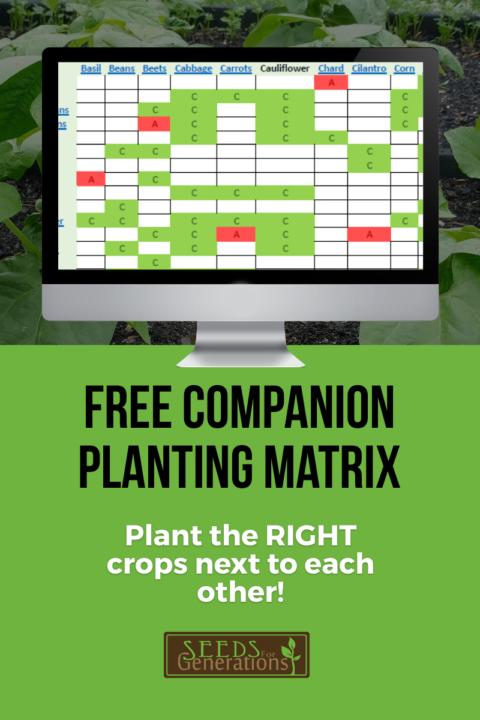
How you position crops together may impact their productivity, so consider using companion planting techniques to create synergy and play off of natural relationships between different plants. Plants like basil and tomatoes grow well together, for example. In addition, certain plants may attract pollinators or repel pests from the garden.

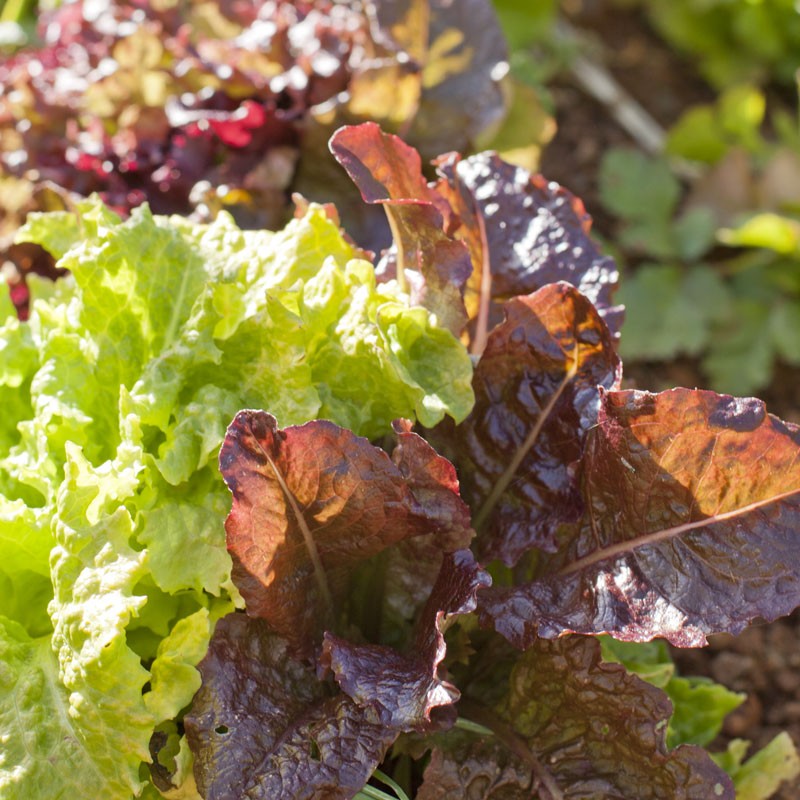
In addition, sometimes you can plant two different crops in one space during the same growing season, such as lettuce with cabbage. This is called interplanting. If you do this, you will have harvested the lettuce before the cabbage grows completely into its space. If you don’t know how many days the plant takes to grow to maturity, check the seed packet–that information should be listed there.
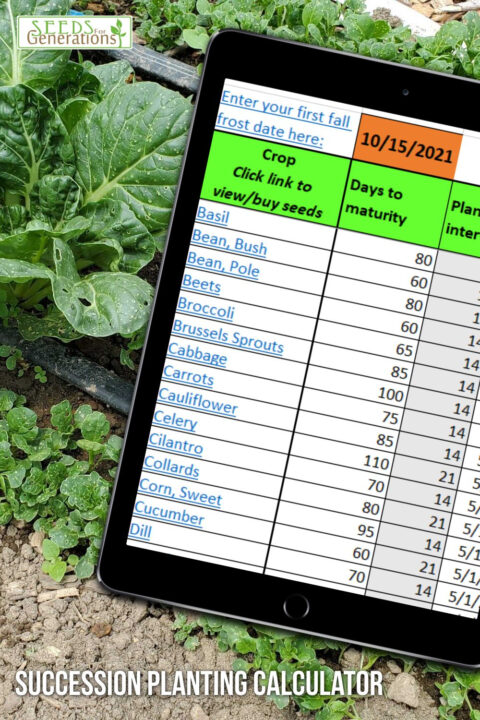
A related planting technique is known as succession planting. With succession planting, you sow again and again to get a continuous harvest. Use this tool for easily calculating your successive plantings.
Also, while planting, again, ensure that you have adequate access for harvesting later. If you don’t harvest winter squash or corn until late in the year, for example, you usually don’t need to make it very accessible during the spring and summer. But tomatoes and cucumbers that will need picked every other day? You’ll need to access them easily, without crushing other plants.
Finally, don’t forget to incorporate beauty into your garden layout! Part of the joy of gardening is that it doesn’t produce a faceless, sterile setting like so much of modern design does. You have much creativity with the plants in your garden to tantilize all of the senses merely by where you place different plants. Enjoy it!
Productivity Tips on How to Lay Out a Garden – Conclusion
Garden size, garden layout, and garden plant positioning. That’s all you really need to know when it comes to learning how to lay out a garden. Now get planting!
Read the Entire Garden Planning Series!