
Disclosure: Seeds for Generations is a part of Amazon Services LLC Associates Program, as well as other affiliate and/or referral programs. If you purchase or opt-in after clicking on these links, at no additional cost to you, we may receive a small commission for making you aware of these important resources.
What’s the ONE thing that’s most likely to ensure a productive and successful garden this year? Planning beforehand.
Specifically, if you want to make sure that you’re getting the MOST from your efforts, you need to start the season months before you actually start planting or preparing your garden plot! It all starts with garden timeline calculations. You need to know exactly what you’re planting, when you’re planting it, and when those crops will mature so you’re ready to get the most out of your harvest. Without those important garden timeline calculations, you’re likely to get behind and not get the most out of your garden production as you could otherwise.
Gardening isn’t always predictable, as most gardeners will admit. But if you take the time to do these simple timeline calculations, you won’t be starting the season completely unaware or ill-prepared, and will have the most possible chance at an abundant harvest.
How to Calculate Your Garden Planting Dates

Know Your Season Length
Your climate is the main determiner of your season length, which means your season length will vary depending on your location. A gardener in Missouri, for example, will enjoy a longer growing season than a gardener in North Dakota, but a shorter growing season than a gardener in Georgia.
To calculate your season length, you need to reference two important numbers:
- Your last average spring frost.
- Your first average fall frost.
Your last average spring frost is the average last frost for your area. In some areas of the country, it could be as early as April. In other areas of the country, it could be as late as June.
Your first average fall frost is the earliest frost you get in the fall for your area. In some areas of the country, it could be as early as September. In other areas of the country, it could be as late as November.
Your season length is the difference between these two frost dates. Written mathematically, FAFF – LASF = season length.
(Quick tip! To easily calculate season length, use Julian numbers in your calculations. For example, make January 1st = 1, February 1st = 32, and December 31st=365.)
How to Find Your Frost Dates
You can look up your frost dates using a tool like this one. If you don’t live in a large city, however, you may only be able to find data from the next largest population center nearby, so your dates may be slightly different. In addition, realize that in every location, all of these are AVERAGE frost dates. Exact frost dates vary from year to year, and microclimates could have an massive impact on how cold your particular garden will get too.
For example, we live in a high mountain valley in Virginia that regularly has temps 5-10 degrees lower than surrounding areas, plus we get a lot of wind that lowers the temp even further. That means our location’s growing season more closely mimics Pennsylvania than many areas of Virginia. If your location has a similar type of variation from where official frost data is available, be sure to factor your conditions into the frost dates you use for calculations.
Also check with your local agriculture extension office and ask gardening neighbors, especially those who have lived in the area for a long time (or who have generational rules of thumb to follow from their grandparents and beyond). Here in Virginia, we have neighbors whose families have lived here for hundreds of years now, and those people have a stockpile of valuable information about the land they tend that has been passed down through the generations now.

How Does Season Length Impact Your Planting Timelines in the Spring?
When you’re planning a garden in the spring, you need to know exactly how long your plants will need to mature and whether or not your climate can provide that to them, or if it needs a little help in the meantime.
Ask yourself…
- What plants should be directly sown into your garden?
- What plants should be started indoors first?
- When should you plant those seeds?
Starting seeds indoors extends your growing season, especially for crops like peppers that require a very long growing season that many climates can’t provide naturally. In this case, it’s most important to know your lead times, so your seedlings are ready to plant at the right time, instead of being too late or too early and risking frost damage.
Seed packets usually display the planning factors you need, such as the number of weeks you need to plant seeds indoors before the last frost date (LFD) and the number of weeks to plant seeds or transplant seedlings outside after the LFD.
Lead times really impact your ability to get the most of your seeds. That’s why garden timeline calculations (especially season length and lead times) are so important – the earlier you can get your seeds in the ground, the earlier you get a harvest, and the more you can produce in your garden, given your season length.
Here are some examples of calculating lead times, using an example last frost date of April 15:
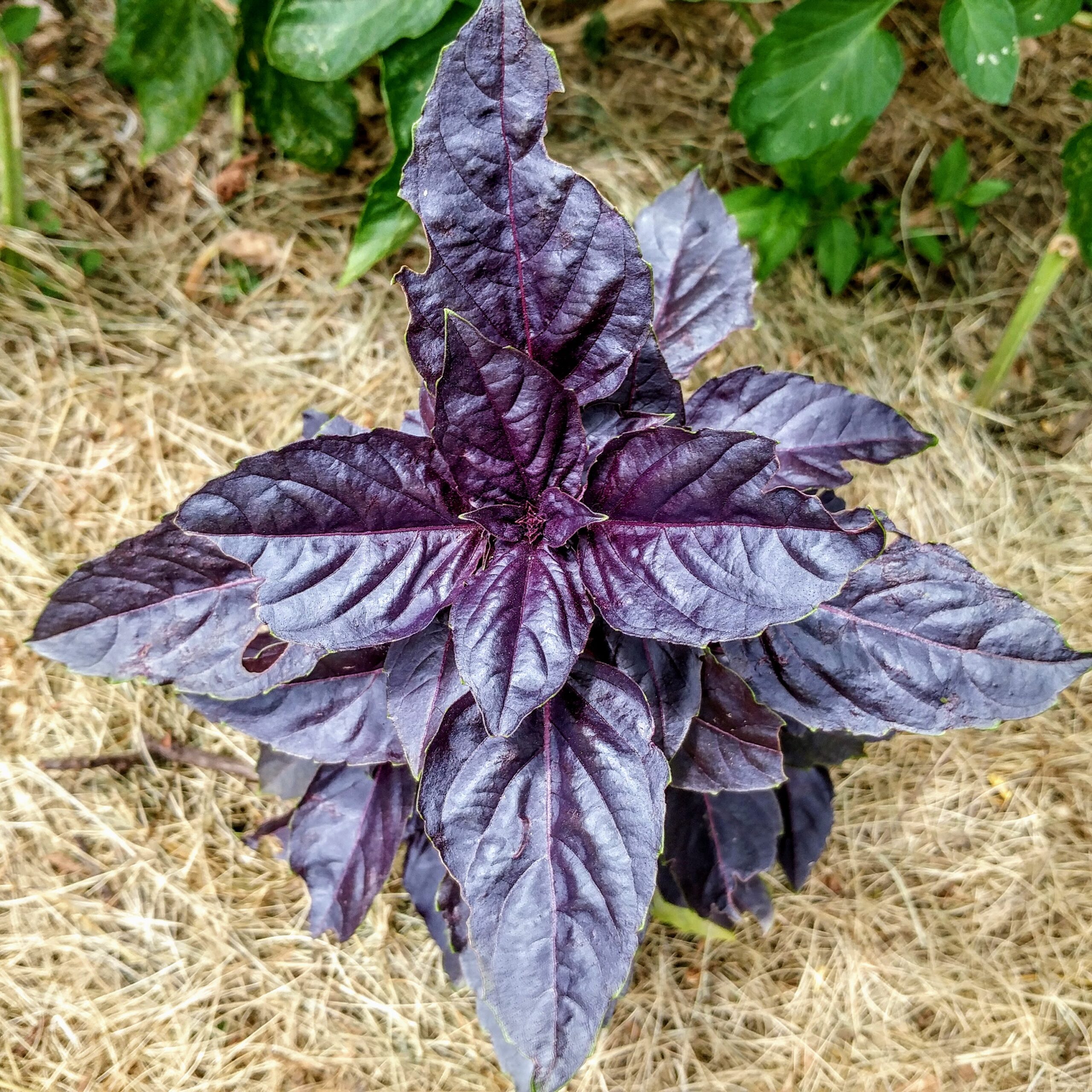
Basil
- Weeks before LFD: 6
- Indoor planting date: March 1
- Plant outside x weeks after LFD: 2
- Outdoor planting date: April 28
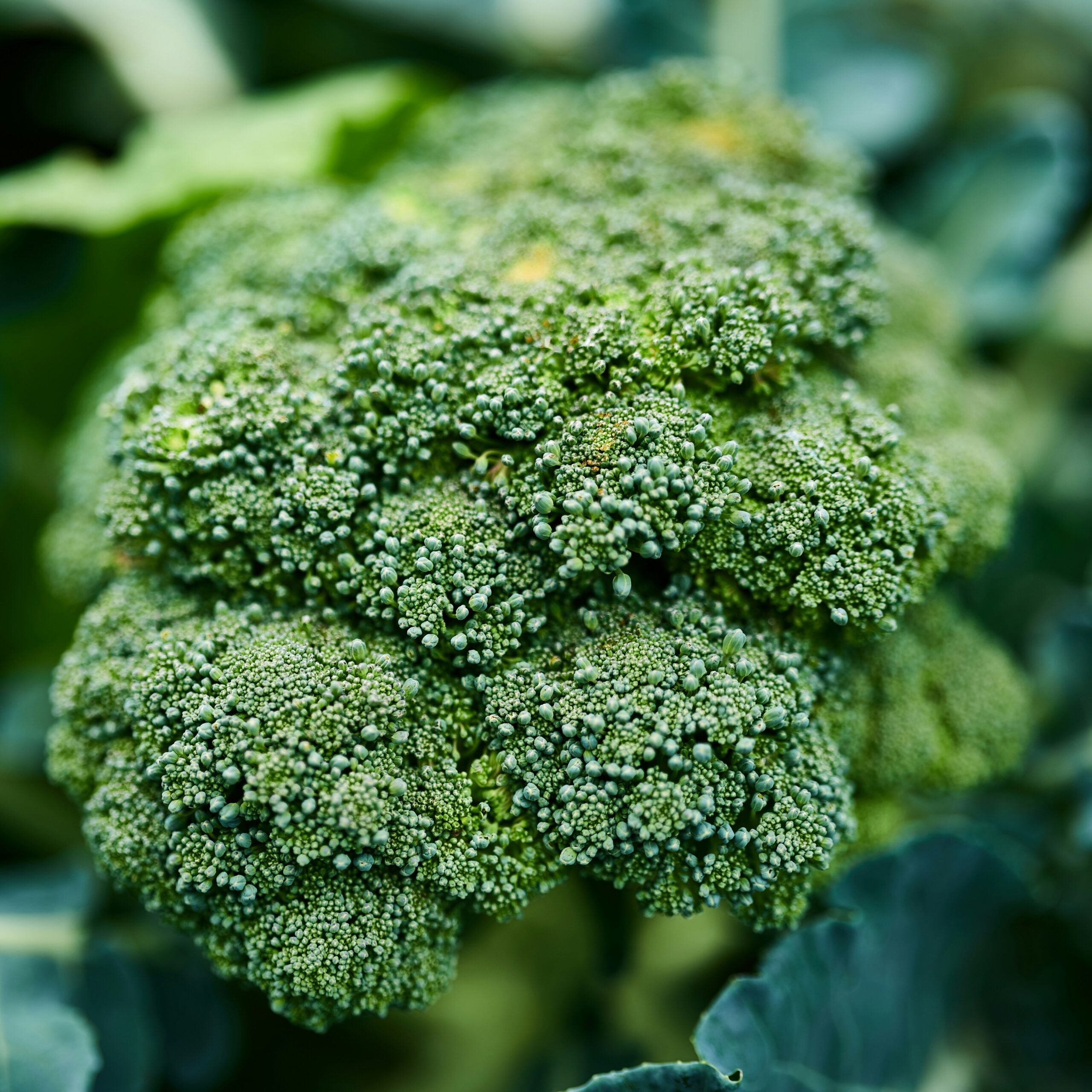
Broccoli
- Weeks before LFD: 6
- Indoor planting date: March 1
- Plant outside x weeks after LFD: -2
- Outdoor planting date: March 28

Pepper
- Weeks before LFD: 10
- Indoor planting date: February 1
- Plant outside x weeks after LFD: 2
- Outdoor planting date: April 28
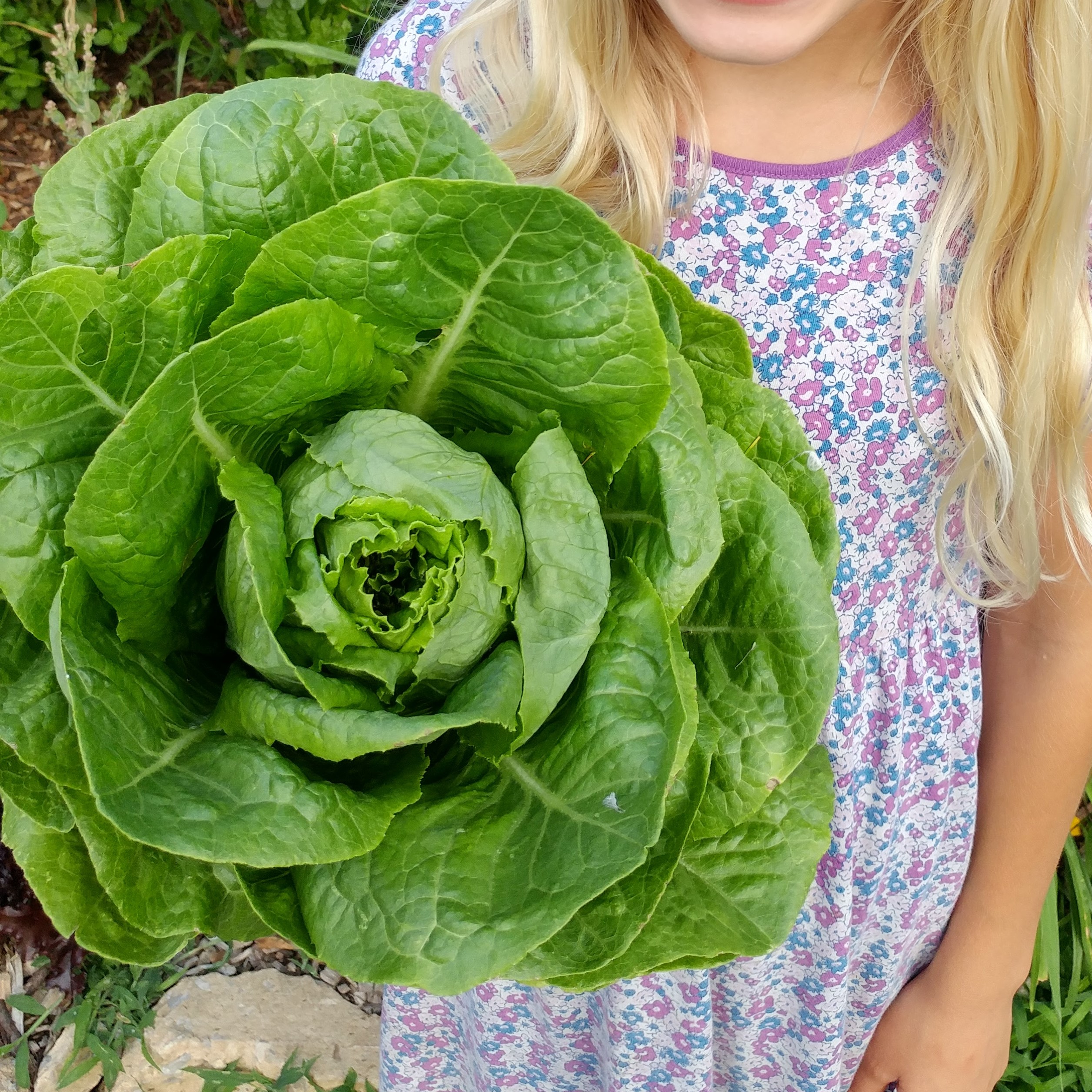
Lettuce
- Weeks before LFD: 5
- Indoor planting date: March 8
- Plant outside x weeks after LFD: 0
- Outdoor planting date: April 15

Tomato
- Weeks before LFD: 8
- Indoor planting date: February 15
- Plant outside x weeks after LFD: 4
- Outdoor planting date: May 15
Common Garden Planting Terms You Might See
Seed packets usually have basic information about the seeds they contain. Here are some terms you might see on your seed packets that could also inform your planting dates:
- Days to Maturity: This is how long the seed takes to grow from a seed to a mature crop. Some varieties have shorter or longer days to maturity than others.
- Soil Temperature: This is the optimal temperature the soil should be for planting (Note: Soil temperature is different than ambient temperature. You can use a tool like this to find your soil temperature.)
- Last Frost: This is typically used to explain when you should start the seeds indoors. Your “last frost” in this case refers to your last spring frost.
- What about USDA Zones? You can read more about USDA Zones (and why you might be using them wrong) here.
Want to Plan Your Garden Planting Dates in JUST SECONDS?
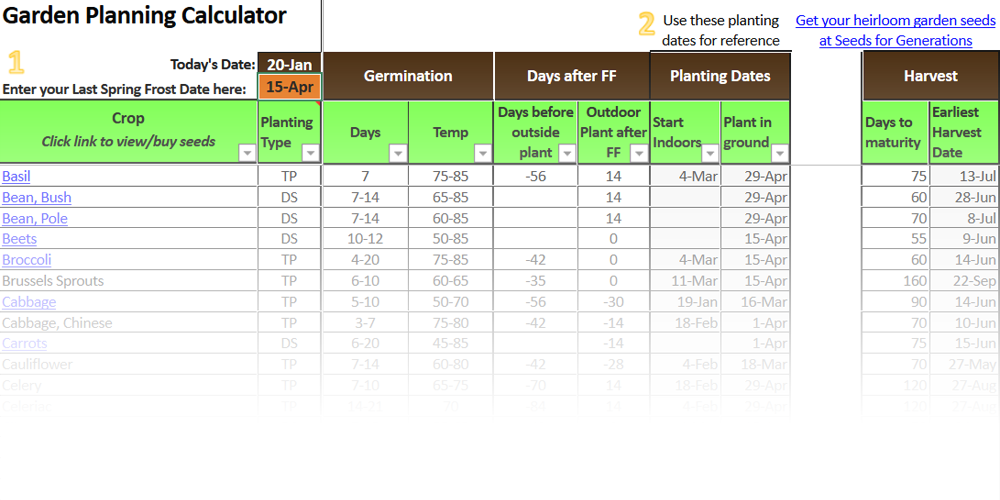
For a new gardener, or someone who just struggles with keeping all of these numbers straight, all of the garden timeline calculations can feel overwhelming. You know that you need the right numbers to garden efficiently, but you aren’t confident in your ability to calculate those numbers by yourself…or you just don’t have time this year to set up a calculation system before seeds need purchased or started.
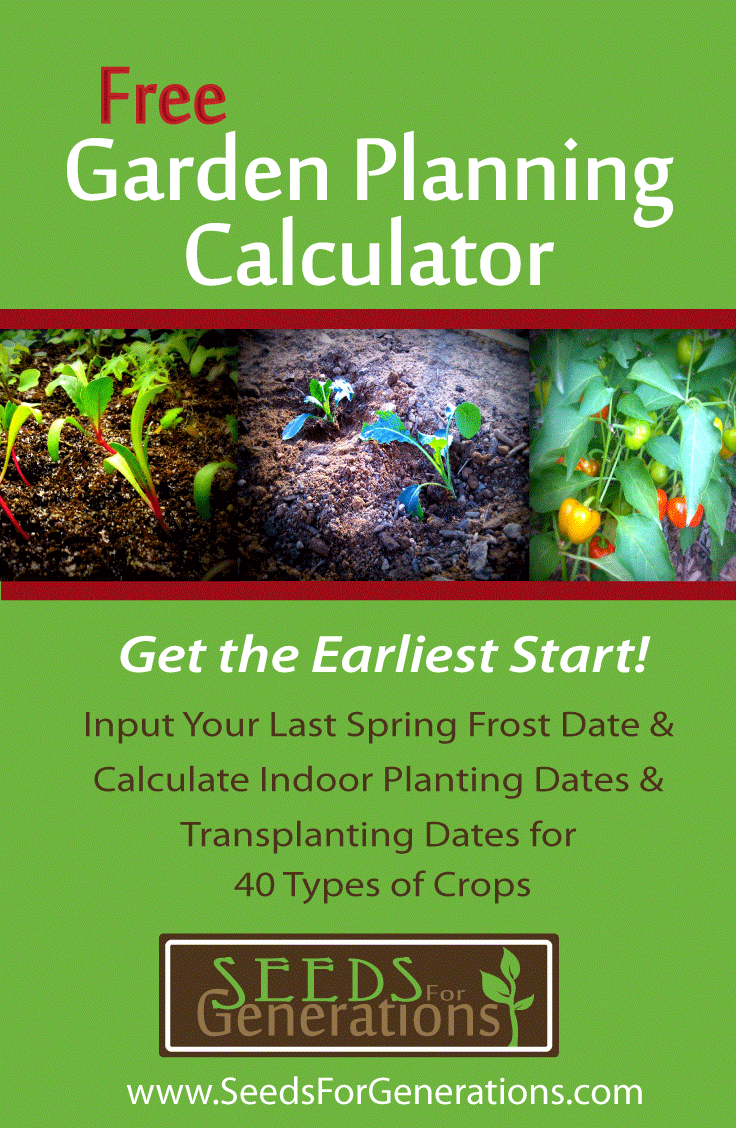
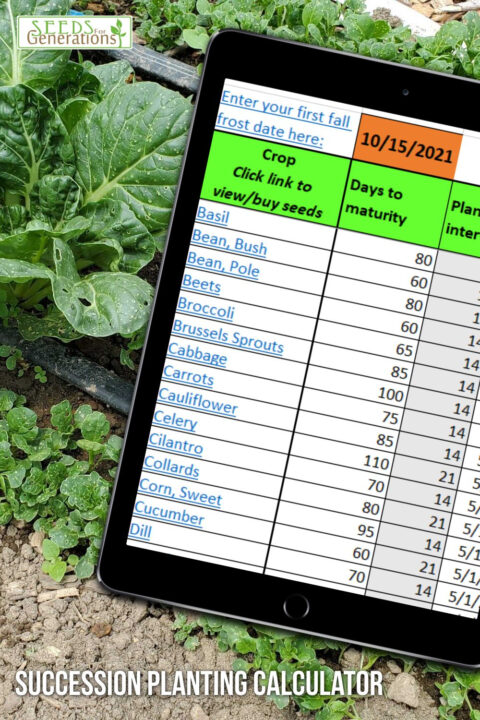
That’s why we offer a FREE Garden Planning Calculator on our website! With this calculator, you just need to input your last average spring frost date, and it will provide you with everything else:
- Germination timelines for all crop types
- Germination temperatures for optimal results
- For plants that need to be started as seedlings, then transplanted into the garden, the Indoor Start Date
- For plants that are direct seeded, the earliest date to plant them outdoors
- For seedlings, the earliest transplant date relative to the last frost
- AND it provides you with forecast earliest harvest dates based on the days to maturity for each crop


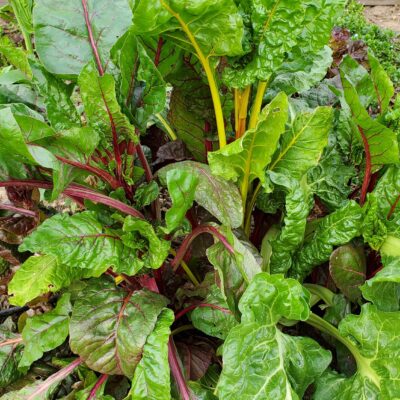
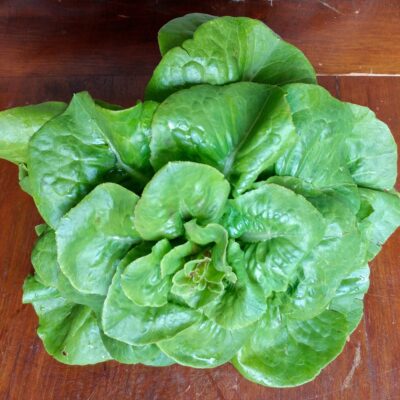
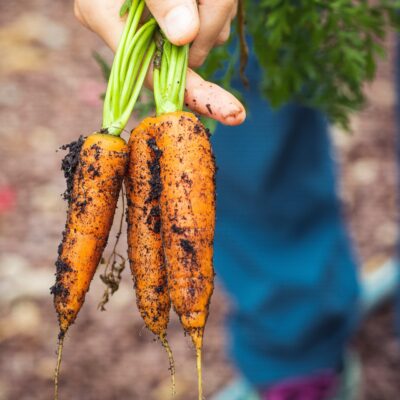
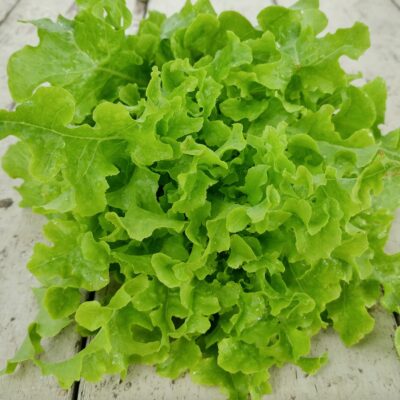
I rotate my crops according to a book I have and I already have my layout done for the 2019 season. My garden area is 25′ wide and 50′ long. I rototill in the spring and again in the fall after I’ve cleaned the old plants out. My spring rototilling will have the compost I’ve cooked for two years tilled into the soil. We are very blessed as this plan has worked well for us.
We enjoy our onions and squash all year long as they are stored in plastic milk crates in the garage on shelves(not directly on the floor). I freeze a lot of my veggies & fruits. Homemade yogurt with my own raspberries or peaches for breakfast is a treat in the morning.