Disclosure: The links in this post may be affiliate links. If you purchase any products after clicking on these links, at no additional cost to you, Seeds for Generations may receive a small commission for making you aware of these important resources.

Got flea beetles? You probably do, even if you haven’t noticed these small pests in the garden yet. We’ve dealt with lots of flea beetles here in Virginia, especially on leafy brassicas. If you notice tiny holes in the leaves of your plants, you might be dealing with flea beetles!

What are Flea Beetles?

Flea beetles are small, jumping insects in the Chrysomelidae family. Their name comes from their remarkable ability to leap, much like fleas, when disturbed. These tiny pests typically measure between 1/16- to 1/2-inch in length and are often shiny and black, though some species can be brightly colored with metallic hues or patterns.

Flea beetles are most active during warm days and prefer to feed on young, tender plant leaves. If you see small holes or pits in your plants, particularly in cruciferous vegetables, it’s a strong indication that flea beetles are present.

But all isn’t lost! There are still ways to control flea beetles, even without chemicals. Let’s learn more!

Close-up image of a small beetle with a black, shiny body featuring yellow stripes and long, segmented antennae, shown against a plain white background.

Identifying Flea Beetles

Flea beetles have a distinct appearance that makes them relatively easy to identify. They have elongated bodies and large hind legs that allow them to jump away quickly when threatened.

The most common species include:

  • Common Flea Beetle (Psylliodes punctulatus): Usually black and shiny.
  • Striped Flea Beetle (Phyllotreta striolata): Characterized by its yellowish or greenish body with dark stripes.
  • Spotted Flea Beetle (Phyllotreta spp.): Recognizable by the spots on its back.

Lifecycle of Flea Beetles

Understanding the flea beetle lifecycle is crucial for effective management. In warmer climates, flea beetles may complete multiple generations within one growing season, leading to increased populations and potential damage.

Here’s the quick summary of the lifecycle:

  • Egg Stage: Late spring to early summer (5 to 10 days)
  • Larva Stage: Early summer (2 to 3 weeks)
  • Pupa Stage: Mid-summer (1 to 2 weeks)
  • Adult Stage: Late spring to early summer (several weeks to a few months)

Let’s look at each stage in more detail:

Flea Beetle Egg Stage

Female flea beetles lay eggs in the soil or on the surface of host plants, typically in late spring to early summer. The eggs are tiny, often oval-shaped, and can be difficult to see. They are usually deposited in clusters.

Flea Beetle Larva Stage

After about 5 to 10 days, the eggs hatch into larvae. The larval stage lasts about 2 to 3 weeks. Flea beetle larvae are small, white, and wriggly. They primarily feed on the roots of plants, which can lead to stunted growth and wilting.

Flea Beetle Pupa Stage

Once they have matured, larvae enter the pupal stage for about 1 to 2 weeks. The pupae are often found in the soil and are not as easily visible. During this stage, larvae undergo transformation into adult beetles.

Flea Beetle Adult Stage

Adults emerge from the pupae in late spring to early summer, coinciding with warmer temperatures. They can live for several weeks to a few months. Newly emerged adults begin feeding on plant leaves almost immediately after they emerge. They can reproduce quickly, leading to multiple generations within a single growing season.
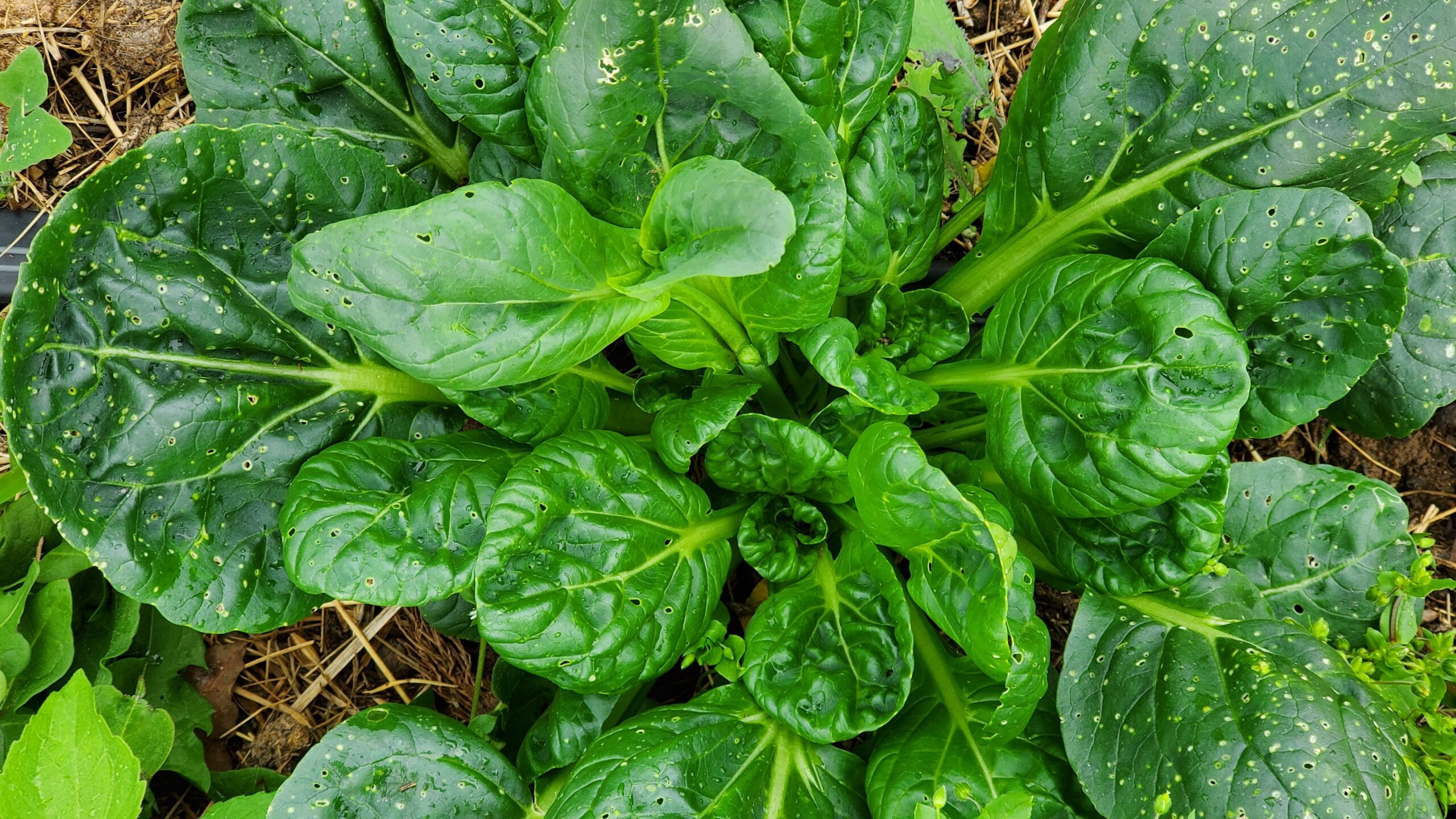
Tatsoi mustard with tiny holes from flea beetles all over the leaves.

What Crops Do Flea Beetles Attack in the Garden?

Flea beetles are particular about their culinary preferences, and understanding which crops they target can help you protect your garden effectively. These pests are known to feast on a variety of plants, especially those in specific families that provide a tasty meal for them.

Let’s dive into the main crops that flea beetles commonly attack:

Flea Beetles on Cruciferous Vegetables

One of the primary groups of plants affected by flea beetles is the cruciferous family, also known as the Brassicaceae family. These plants are especially popular in the vegetable garden AND vulnerable to flea beetle feasting too.

Brassicas include:

  • Cabbage: Whether it’s green, red, or savoy, cabbage is a favorite for flea beetles.
  • Kale: The leafy greens attract these pests, leading to noticeable damage.
  • Broccoli: Young broccoli plants can suffer significantly if not protected early in the growing process.
  • Cauliflower: Like broccoli, cauliflower is another target that flea beetles seem to love.
  • Radishes: These fast-growing root vegetables are often attacked, especially when young.
  • Asian Greens: We’ve noticed flea beetles on our bok choi/tatsoi in particular. Flea beetles love them too!

Flea Beetles on Nightshades

Flea beetles also have an affinity for nightshades, though they may not be as damaging to these plants as they are to cruciferous vegetables. Common nightshades susceptible to flea beetle feeding include:

  • Tomatoes: Although they prefer the foliage, flea beetles can affect young tomato plants.
  • Eggplants: These tender plants can experience stunted growth if flea beetles are left unchecked.
  • Peppers: Both sweet and hot peppers are at risk, particularly during their early growth stages.

Flea Beetles on Legumes

Certain legumes can also fall prey to flea beetles. While they may not be the first choice, they can still be affected:

  • Beans: Young bean plants can be vulnerable, especially when they first emerge from the soil.
  • Peas: Flea beetles may target pea seedlings, impacting their growth and yield.

Other Vegetables & Herbs Flea Beetles Eat

In addition to the crops mentioned above, flea beetles can sometimes attack other vegetables and herbs. Some of these include:

  • Potatoes: Although not as common, flea beetles may occasionally feed on potato plants.
  • Basil: This fragrant herb can attract flea beetles, particularly in warmer weather.
  • Cilantro: Another herb that may be affected if flea beetle populations rise.

Factors Influencing Attack from Flea Beetles

Several factors can influence whether flea beetles will target your crops. Young plants are often more susceptible to attack due to their tender leaves. Additionally, certain environmental conditions, like warm weather and dry spells, can increase flea beetle activity.
Flea beetle damage on a leaf.

Signs & Symptoms of Flea Beetle Infestation

Recognizing the signs of flea beetle infestation early is essential for protecting your garden. These tiny pests can cause significant damage if left unchecked, so being aware of their telltale symptoms can save your plants from serious harm.

Let’s explore the key indicators that you might be dealing with a flea beetle problem:

Characteristic Leaf Damage

The most obvious sign of a flea beetle infestation is the distinctive damage they cause to plant leaves. You’ll notice small holes or pits, often resembling a shotgun pattern. These irregularly shaped holes can vary in size, but they typically range from tiny pinpricks to larger gaps, depending on the severity of the infestation. The feeding begins on the leaf surface, where adult beetles scrape away the outer tissue, leading to these visible holes. This damage can weaken the plant and make it more susceptible to disease and environmental stress.

Wilting & Stunted Growth

In addition to visible leaf damage, infected plants may show signs of wilting or stunted growth. As flea beetles feed on the foliage, the plant’s ability to photosynthesize decreases. Plants may start to turn yellow due to nutritional stress. Young plants are particularly vulnerable; their growth may be significantly slowed down as they struggle to recover from damage.

Presence of Adult Beetles & Larvae

While inspecting your plants, look for the flea beetles themselves. Adult beetles are small and can vary in color from shiny black to metallic green or striped. They are agile jumpers and can quickly escape when disturbed. If you disturb the plants, you might notice these tiny insects jumping away, which is a strong indicator of their presence.

Although adult flea beetles are more commonly recognized, their larvae can also cause damage underground. The larvae are small and white, often found feeding on roots or within the soil around affected plants. If you notice wilting plants and suspect a flea beetle issue, consider checking the roots. Root damage may lead to poor nutrient uptake and further health decline in the plants.

In addition, flea beetle damage can weaken plants and make them more susceptible to other pests and diseases in general. If you notice an increase in aphids or fungal infections in your garden, it could be a sign that flea beetles or another pest have compromised your plants.

Plant Damage Caused by Flea Beetles

Flea beetles may be small, but their impact on your garden can be quite significant.

The most noticeable damage caused by flea beetles is the feeding they do on plant leaves. These insects have mouthparts designed for chewing, which allows them to create distinct feeding patterns as mentioned above. Young leaves are particularly susceptible to this type of damage.

Preventing Flea Beetles

Prevention is the best strategy when it comes to managing flea beetles in your garden. By taking proactive measures, you can create an environment that discourages these pests from settling in and causing damage.

Use Floating Row Covers

Floating row covers are a fantastic way to protect young plants from flea beetles while allowing light and moisture to penetrate. These lightweight fabrics create a physical barrier that prevents adult beetles from reaching your plants. Apply row covers as soon as you plant susceptible crops, and keep them in place until the plants are established. Be sure to secure the edges to prevent sneaky pests from getting underneath or the wind from catching the covers and pulling them away.

It’s best to use row covers as soon as you plant susceptible crops, particularly in early spring when flea beetles emerge.

Maintain Healthy Soil

Healthy soil contributes to robust plant growth, making them less susceptible to pest damage. Incorporate plenty of organic matter, such as compost, to improve soil structure and fertility. Regularly test your soil and ensure it has a balanced nutrient profile, which will help produce vigorous plants that can withstand pest pressures.

Remove Debris & Weeds from the Garden

Flea beetles can find refuge in garden debris and nearby weeds. Keeping your garden tidy is crucial for reducing their habitat. Remove any dead plant material, fallen leaves, or weeds that could harbor pests. Regularly pull or mulch over weeds, especially those that are known host plants for flea beetles. This practice reduces their potential breeding grounds.

Encourage Beneficial Insects

Creating a diverse ecosystem in your garden can help promote natural predators that keep flea beetle populations in check. (See more on this topic below.) Incorporate a variety of flowering plants that attract beneficial insects and provide habitats for them.
A close-up of a shiny black beetle with thin antennae and six legs standing on a white surface.

Using Crop Rotation, Companion Planting, & Trap Crops to Manage Flea Beetles

Managing flea beetles in your garden can be a challenge, but employing strategic practices like crop rotation, companion planting, and trap crops can significantly reduce their impact. These techniques not only help control pest populations but also promote a healthier garden ecosystem.

Crop Rotation

By rotating crops, you prevent flea beetles from returning to the same food sources year after year. This makes it harder for them to establish large populations. Different crops have varying nutrient requirements and root structures, which can enhance soil fertility and structure over time.

Create a crop rotation plan for at least three years, ensuring that susceptible crops (like brassicas) are not planted in the same location consecutively. Organize your crops into families and rotate them accordingly. For example, if you plant cabbage in one bed this year, consider planting tomatoes or beans (which are not favored as much by flea beetles) in that same bed the following year. This in generally a good practice in the garden because it helps prevent various types of pest and diseases problems, well beyond flea beetles.

Companion Planting

Companion planting is the practice of growing different plants together that can benefit each other in various ways, including pest control. Certain plants can repel flea beetles or attract beneficial insects that prey on them.

For flea beetle control, consider planting:

  • Nasturtiums: These vibrant flowers are known to repel flea beetles while attracting beneficial insects like aphid predators.
  • Marigolds: Marigolds can deter various pests with their scent and are often used as a companion plant to protect vegetables.
  • Garlic and Onions: Strong-smelling plants like garlic and onions can help repel flea beetles when planted near susceptible crops.

Interplant companion plants among your vulnerable crops. For example, surround your cabbage with nasturtiums or marigolds to create a protective barrier. A diverse garden is less appealing to pests. Incorporating a variety of companion plants can help confuse and deter flea beetles.

Trap Crops

Trap cropping involves planting specific crops that are more attractive to flea beetles than your main crops. This technique draws pests away from your valuable plants, allowing you to manage the infestation more effectively.

Choose plants that flea beetles prefer over your main crops. Common trap crops include:

  • Mustard Greens: These are highly attractive to flea beetles and can effectively lure them away from brassicas.
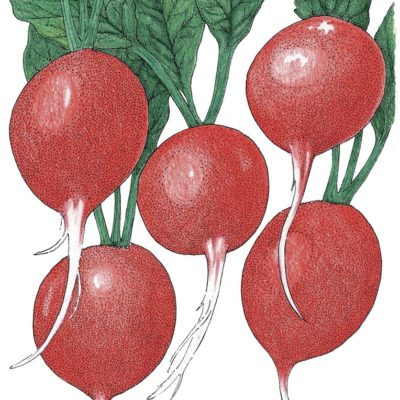
  • Radishes: Planting radishes can also serve as a trap crop since they are favored by flea beetles. Radish seeds are also widely available, plus they grow quickly and easily.

Plant trap crops around the perimeter of your garden or near susceptible crops. This placement encourages flea beetles to focus their feeding on the trap crops instead of your main crops. Keep an eye on trap crops for signs of infestation. Once they become heavily infested, you can remove them or treat them separately, preventing the spread to your main plants.

Controlling Flea Beetles Organically

Flea beetles may be small, but they can cause significant damage to your vegetable garden. Fortunately, there are various organic methods to control these pesky pests without relying on synthetic chemicals. In this section, we will explore a range of organic options for managing flea beetles effectively, helping you protect your crops and maintain a healthy garden ecosystem.

Handpicking

Though it can be time-consuming, handpicking flea beetles is a straightforward method for controlling small populations. Check your plants regularly, especially in the morning when flea beetles are less active. Gently shake the plants or tap them to dislodge the beetles, and then collect them on a piece of paper/tape and into a container with soapy water.

Organic Insecticidal Treatments

Neem Oil

Neem oil is a natural pesticide derived from the seeds of the neem tree. It works by disrupting the feeding and reproductive patterns of pests, including flea beetles. Mix neem oil with water according to package instructions and spray it directly on affected plants. Apply in the morning or late afternoon when temperatures are cooler to prevent leaf burn. Reapply every 7-14 days or after rain.

Insecticidal Soap

Insecticidal soap is another effective organic option for controlling flea beetles. It works by suffocating soft-bodied insects upon contact. While you can use a commercially available insecticidal soap, you can more easily make your own by mixing mild liquid soap (like Castile soap) with water. Spray directly onto the beetles and infested foliage. Ensure thorough coverage, especially on the undersides of leaves where pests often hide. Repeat every few days until you notice flea beetles are more under control.

Traps

Yellow sticky traps can be an effective monitoring tool for adult flea beetles. These traps attract adults with their bright color and capture them. Position sticky traps near susceptible crops to gauge flea beetle populations. While this method may not eliminate infestations, since flea beetles are small, it helps you monitor their presence and take action as needed.

Beneficial Insects for Flea Beetle Control

When it comes to managing pests in the garden, not all insects are foes. In fact, many beneficial insects can play a vital role in controlling flea beetle populations.
Ladybugs, also known as ladybird beetles, are easily recognizable by their round bodies and bright colors, often red or orange with black spots. These charming insects are more than just garden decorations; they are voracious predators of soft-bodied pests. While ladybugs primarily target aphids, they will also consume flea beetle eggs and larvae if available, making them valuable allies in your fight against these pests.

Lacewings are delicate insects with large, transparent wings that resemble lace. Their larvae, known as “aphid lions,” are formidable predators that feed on various garden pests. Lacewing larvae actively hunt and consume flea beetles, aphids, and other soft-bodied insects, helping to keep pest populations in check. Plant nectar-rich flowers such as cosmos, marigolds, and sweet alyssum to attract adult lacewings.

Parasitic wasps are tiny wasps that lay their eggs in or on the bodies of pest insects. While they may not be as visible as ladybugs or lacewings, they play a critical role in natural pest control. Certain species of parasitic wasps specifically target flea beetles. The wasp larvae develop inside the beetle, ultimately killing it.
Ground beetles are dark-colored beetles that scavenge around the soil surface and are often found under rocks or debris. They are excellent predators of numerous garden pests. Ground beetles feed on flea beetle larvae as well as other harmful insects in the soil, contributing to pest control.
Finally, while not insects themselves, spiders are important predators in the garden. They can often go unnoticed but play a significant role in pest management. Spiders catch various pests, including adult flea beetles, in their webs. They help keep the pest population balanced naturally.

How to Get Rid of Flea Beetles in the Garden Conclusion
In conclusion, while flea beetles can pose a serious threat to your garden, especially to young plants, there are numerous strategies you can implement to protect your crops. By identifying these pests early and understanding their lifecycle, you can take proactive measures to minimize damage. Utilizing organic methods such as handpicking, insecticidal treatments, and encouraging beneficial insects can create a balanced ecosystem that naturally controls flea beetle populations. Additionally, practices like crop rotation, companion planting, and maintaining healthy soil will further enhance your garden’s resilience. With a little diligence and care, you can keep your garden flourishing despite the challenges posed by these small yet troublesome pests. Happy gardening!
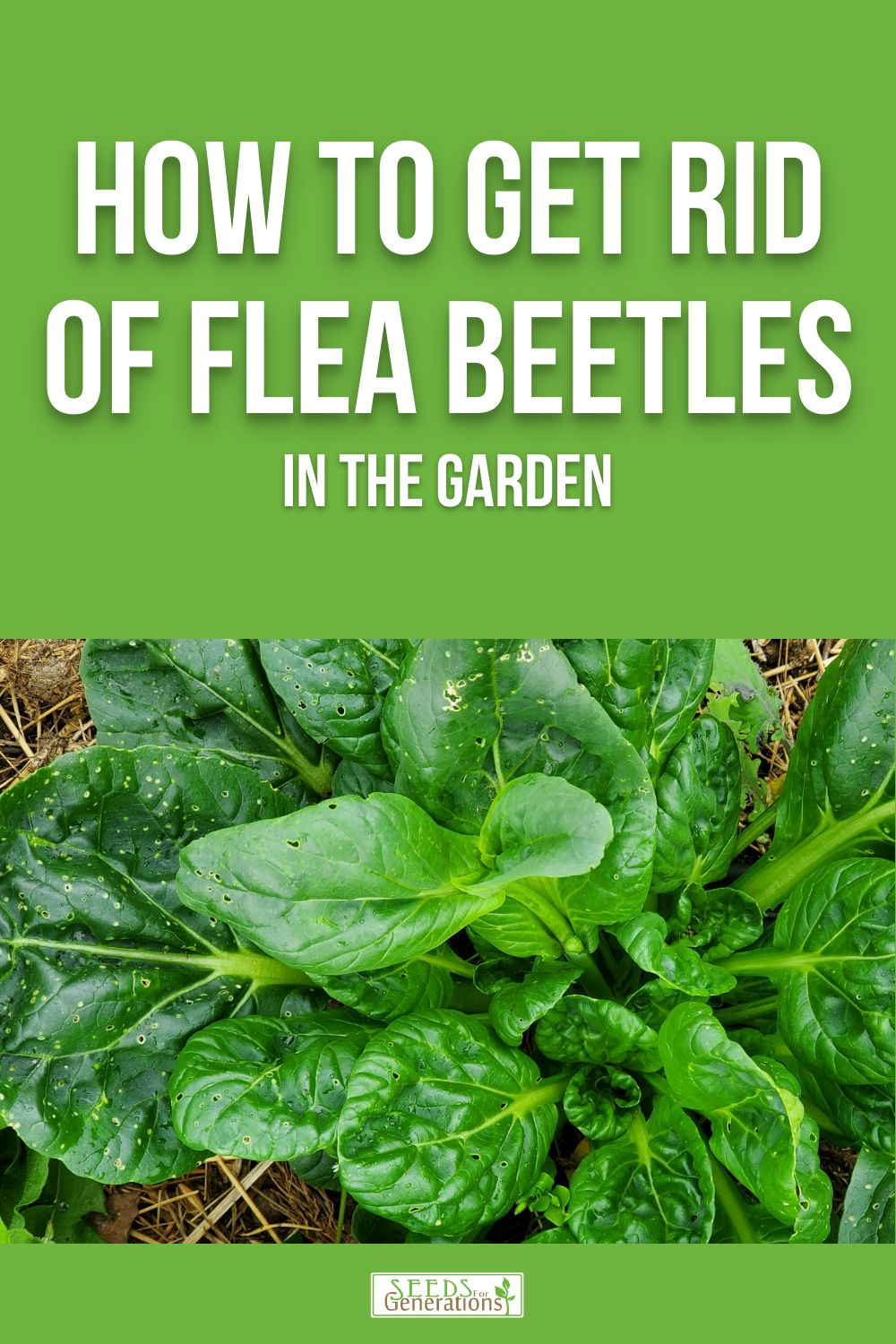
Learn how to get rid of flea beetles in the garden! Those tiny little holes in your plant leaves? That's what this small pest can do to brassicas like cabbage, kale, radishes, and many more!

Pin It on Pinterest

Share This
2