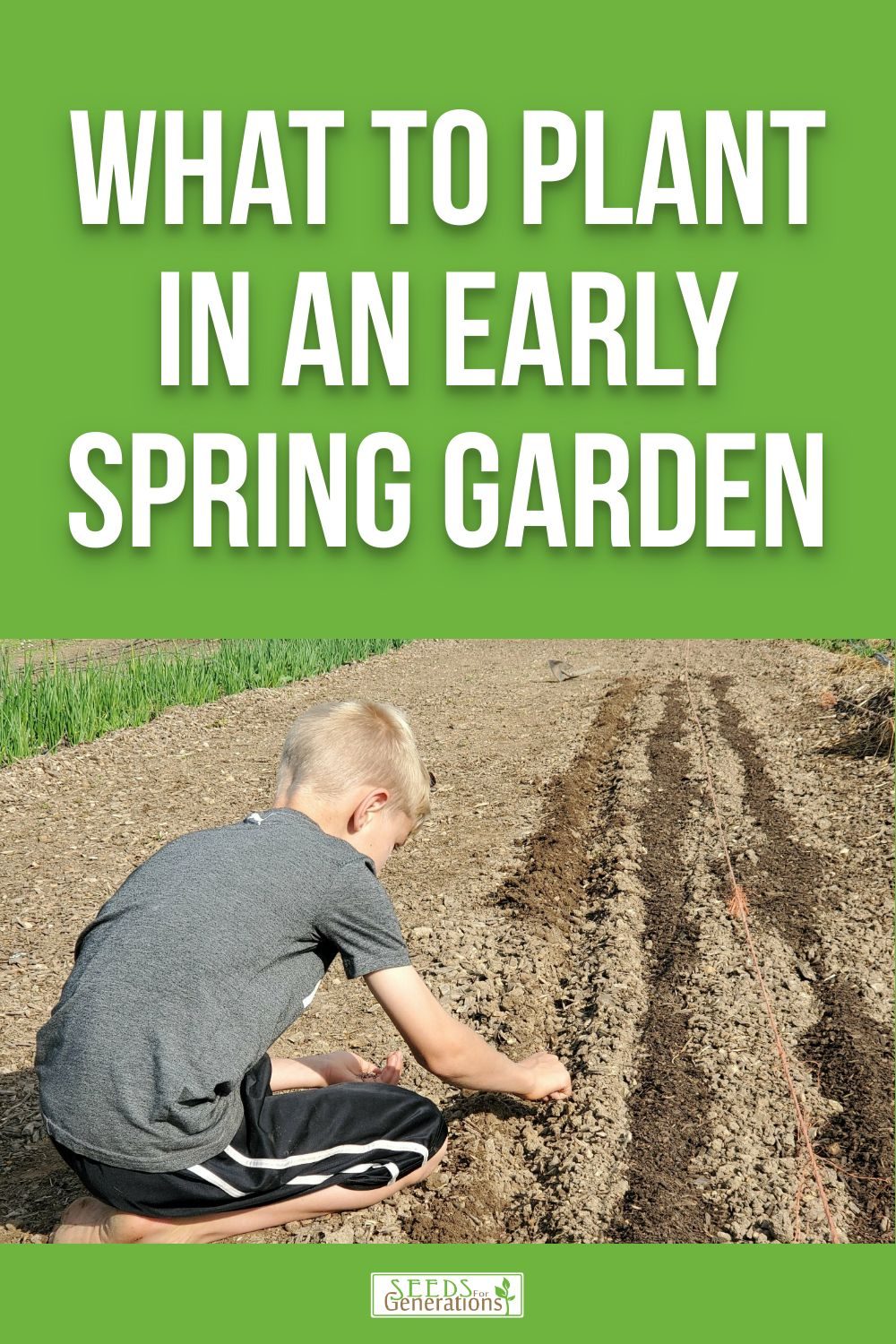
Early in the springtime, when the days are getting a little longer, the grass starts greening up, and the birds start singing a bit louder, every gardener feels that itch. The desire to get into the dirt and start gardening again after a long, cold winter. Unfortunately, just because it’s a beautiful day today doesn’t mean the threat of frost has passed yet! So hold off on those tomatoes and cucumbers.
BUT you can still plant some early veggies! If you know what to plant, an early spring garden can be quite productive.
Wondering what to plant in an early spring garden? Some of these veggies will hit the spot.

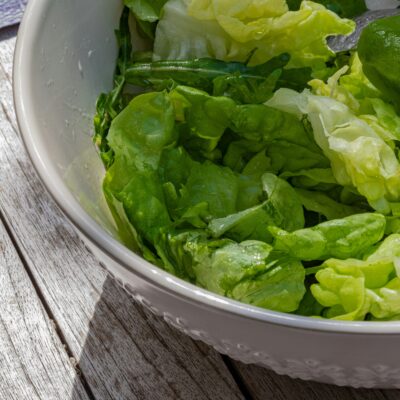
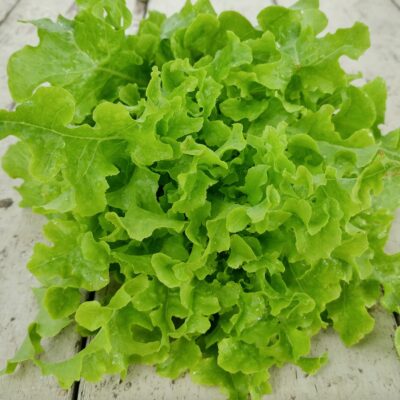
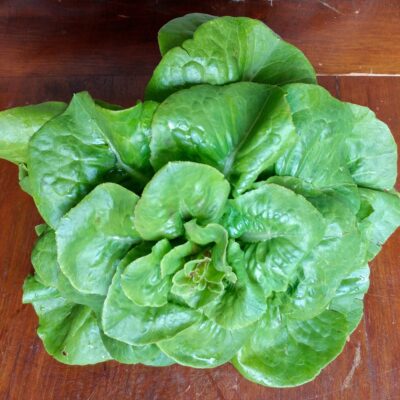
Lettuce
Tired of buying soggy (or expensive) lettuce greens from the store? Lettuce is one of the easiest plants to grow in a spring garden, and you can harvest it continually and allow it to grow back, too.
- When to Plant: Start seeds indoors 4–6 weeks before the last spring frost or sow directly in the garden as soon as the soil can be worked.
- Planting Depth: Sow seeds 1/4 inch deep.
- Spacing: Thin seedlings to 12 inches apart.
- Tips: Lettuce prefers partial sunlight and consistent moisture. Mulching helps retain soil moisture and keep roots cool. Most varieties will tend to get bitter and bolt (i.e., go to seed) if allowed to get too hot.
Spinach
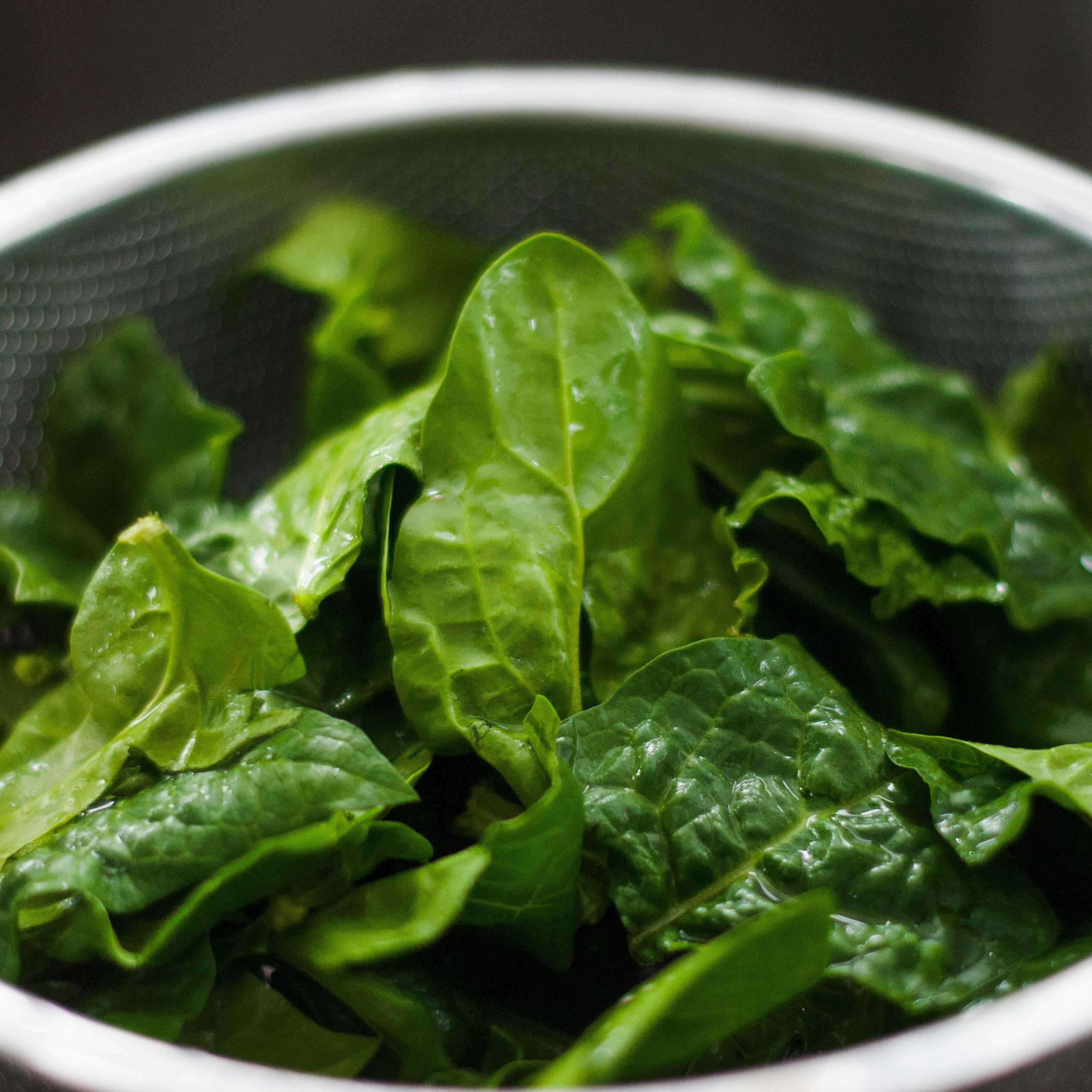
Spinach is another great early crop. Even if you don’t like spinach from the store, give homegrown a try! It might just taste different than what you’ve eaten in the past. Plus, it’s very nutritious – great for when you’re craving something green in the springtime.
- When to Plant: Sow seeds 6–8 weeks before the last expected frost.
- Planting Depth: Plant seeds 1/2 inch deep.
- Spacing: Space plants 6 inches apart after thinning.
- Tips: Spinach thrives in rich, well-drained soil. Regular watring is crucial, especially during dry spells.
Kale
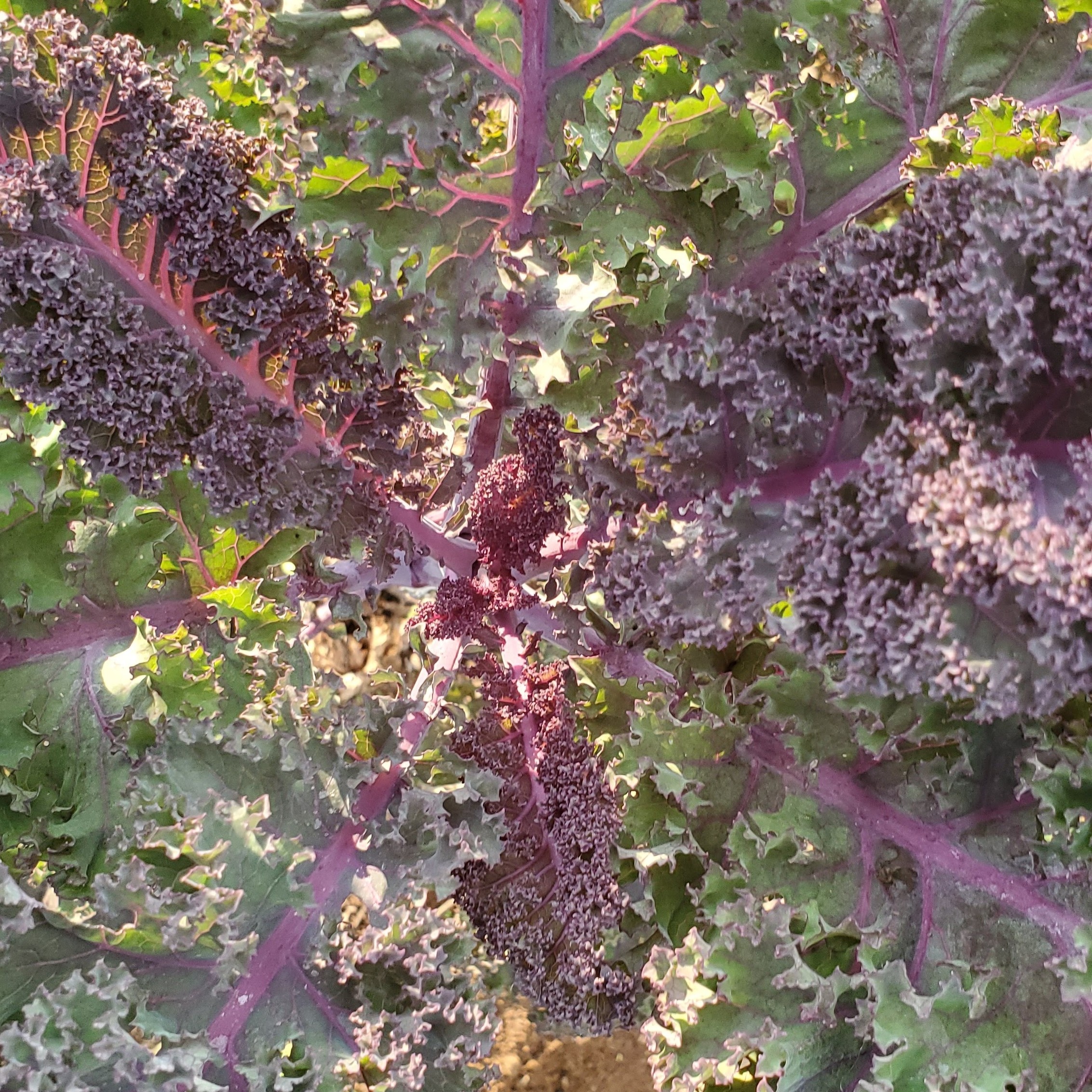
Kale has only recently become a famous plant. But long-time gardneers have been growing this member of the brassica family long before it became mainstream! It’s high in nutrients and also a hardy veggie. Don’t let the green fool you! It comes in several different shades and varieties.
- When to Plant: Direct sow or transplant seedlings 4–6 weeks before the last frost.
- Planting Depth: Sow seeds 1/4 to 1/2 inch deep.
- Spacing: Space plants 12–18 inches apart.
- Tips: Kale can tolerate frost and benefits from cooler temperatures, which enhance its flavor.
Bok Choy
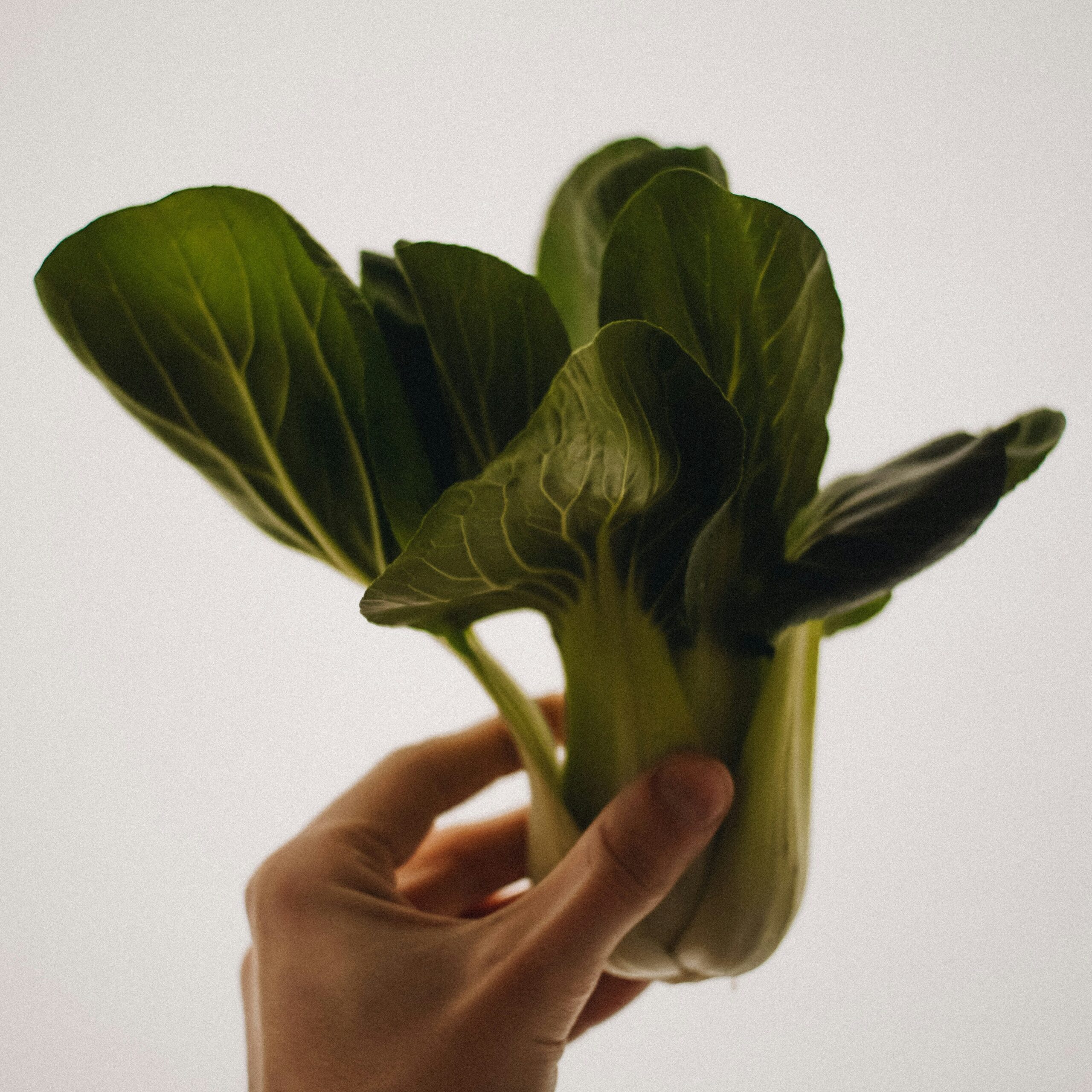
Bok choy is one of those less-common greens that packs the flavor and nutrition. An Asian green, you might have seen it used in stir fries, but it’s also delicious eaten raw.
- When to Plant: Start indoors 4–6 weeks before the last frost or sow directly in the garden as soon as the soil can be worked.
- Planting Depth: Sow seeds 1/4 inch deep.
- Spacing: Thin or transplant to 6–12 inches apart.
- Tips: Ensure consistent watering and protect from pests like flea beetles with row covers.
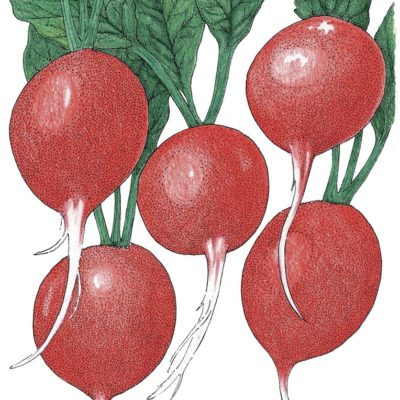
Radishes
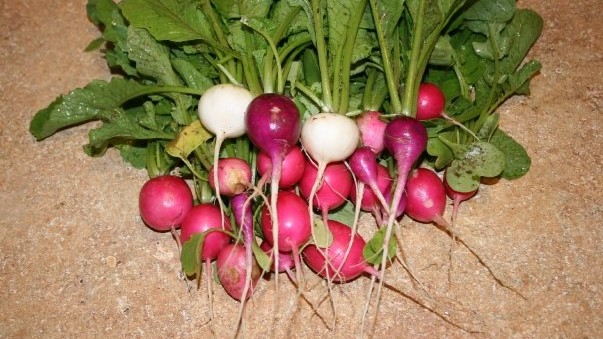
We love growing radishes in our garden! Some varieties are spicy; others are sweet. Some varieties are bright red; others are purple or even black! Some varieties are round; others are long and icicle-like.
- When to Plant: Direct sow seeds as soon as the soil can be worked, about 4–6 weeks before the last frost.
- Planting Depth: Sow seeds 1/2 inch deep.
- Spacing: Space seeds 1 inch apart in rows.
- Tips: Radishes mature quickly, often ready in 20–30 days or even less. Harvest promptly for best flavor.
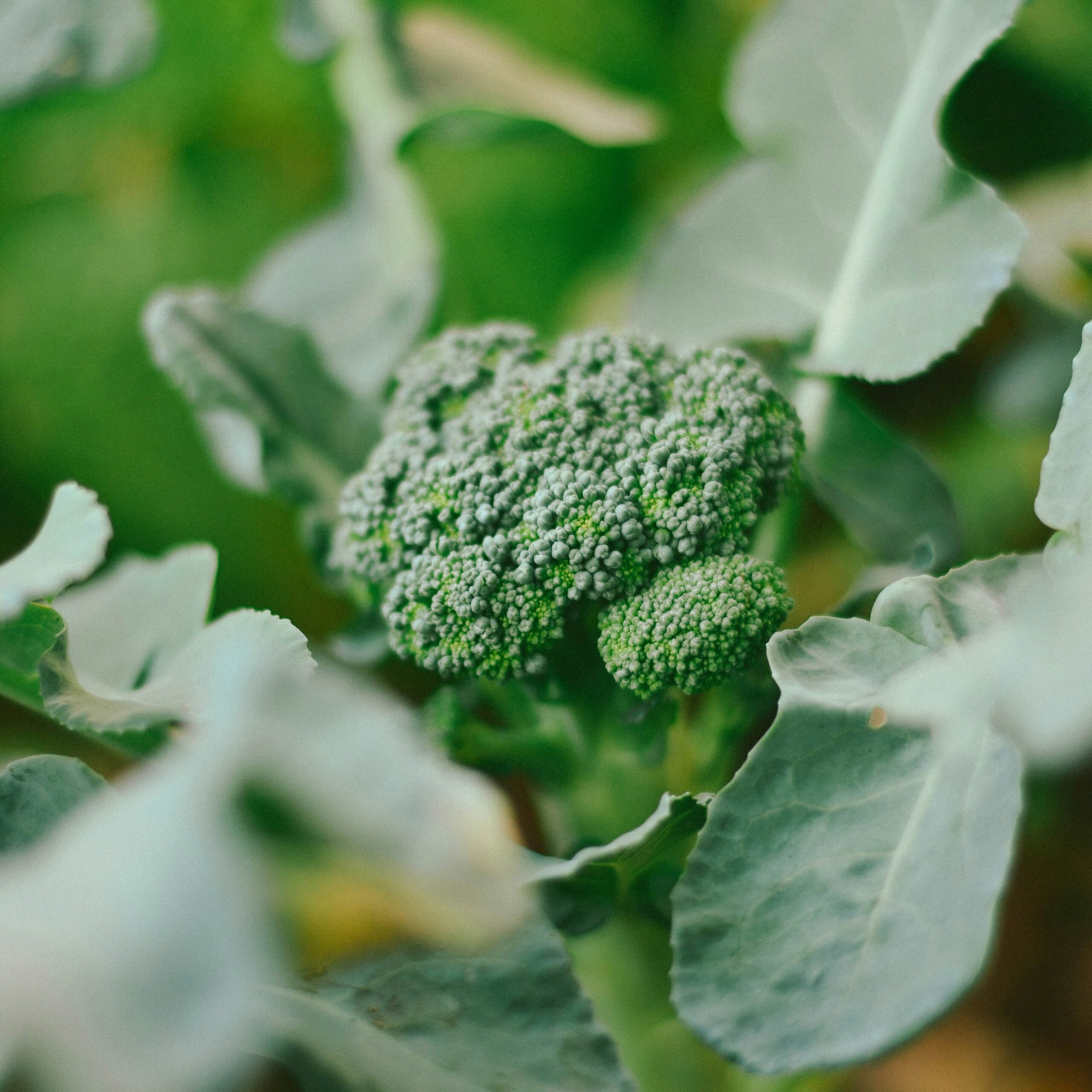
Broccoli
Broccoli is another crop that requires a bit of planning for spring, but it will be well worth it.
- When to Plant: Start seeds indoors 6–8 weeks before the last frost and transplant when seedlings are a few inches tall.
- Planting Depth: Sow seeds 1/2 inch deep.
- Spacing: Space plants 18 inches apart in rows.
- Tips: Use a nitrogen-rich fertilizer and ensure adequate sunlight for optimal growth.

Cabbage
Cabbage is a great spring crop, and it’s also one of the crops on this list that can be easily preserved. Many spring veggies are better for fresh eating, but you can turn cabbage into yummy (and healthy) sauerkraut using just salt and time.
- When to Plant: Start seeds indoors 6–8 weeks before the last frost and transplant outdoors after hardening off.
- Planting Depth: Sow seeds 1/4 inch deep.
- Spacing: Space plants 12–24 inches apart.
- Tips: Cabbage enjoys rich, well-drained soil and regular watering.
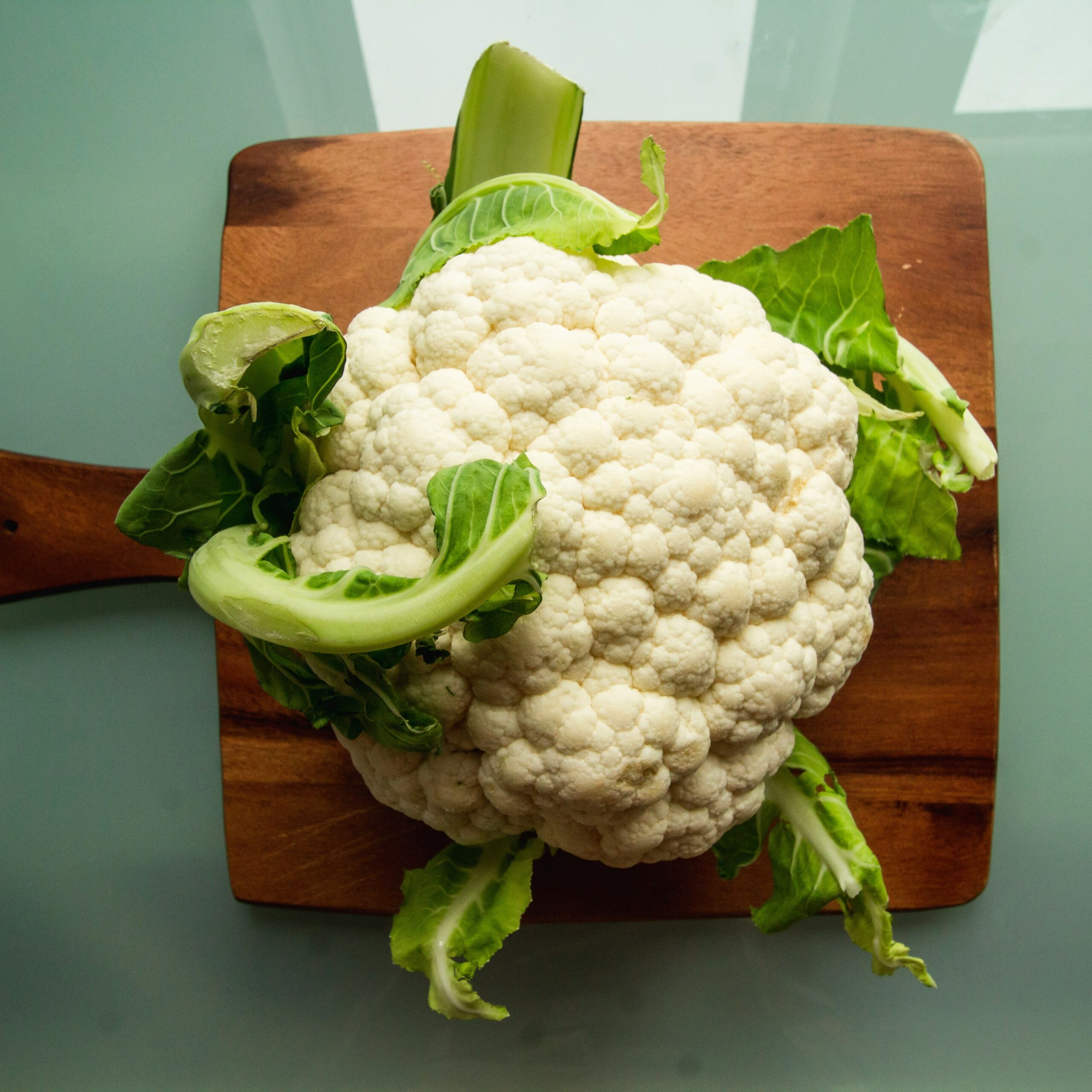
Cauliflower
Cauliflower is another brassica on this list. With its white, tender heads, it’s a great addition to your dinner table. And did I mention there’s a cauliflower craze in the low-carb world? What could you experiment with if you grew some in your own garden?
- When to Plant: Start seeds indoors 8–10 weeks before the last frost and transplant outside when seedlings are established.
- Planting Depth: Sow seeds 1/2 inch deep.
- Spacing: Space plants 18–24 inches apart.
- Tips: Consistent moisture is key; fluctuating conditions can cause heads to “button.”
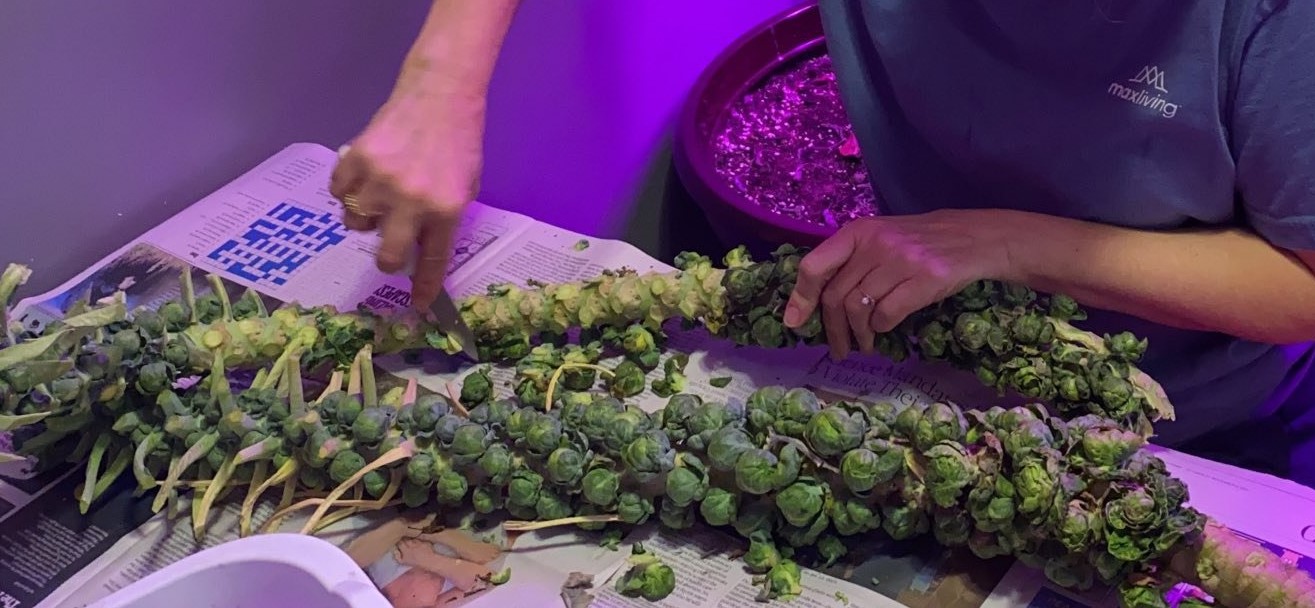
Brussels Sprouts
I’ll bet you’ve never thought of growing your own brussels sprouts! But perhaps they’ll taste different than you might imagine.
- When to Plant: Start indoors 6–8 weeks before the last frost and transplant outdoors early in spring.
- Planting Depth: Sow seeds 1/2 inch deep.
- Spacing: Space plants 18–24 inches apart.
- Tips: Brussels sprouts require a long growing season; providing support can prevent toppling.
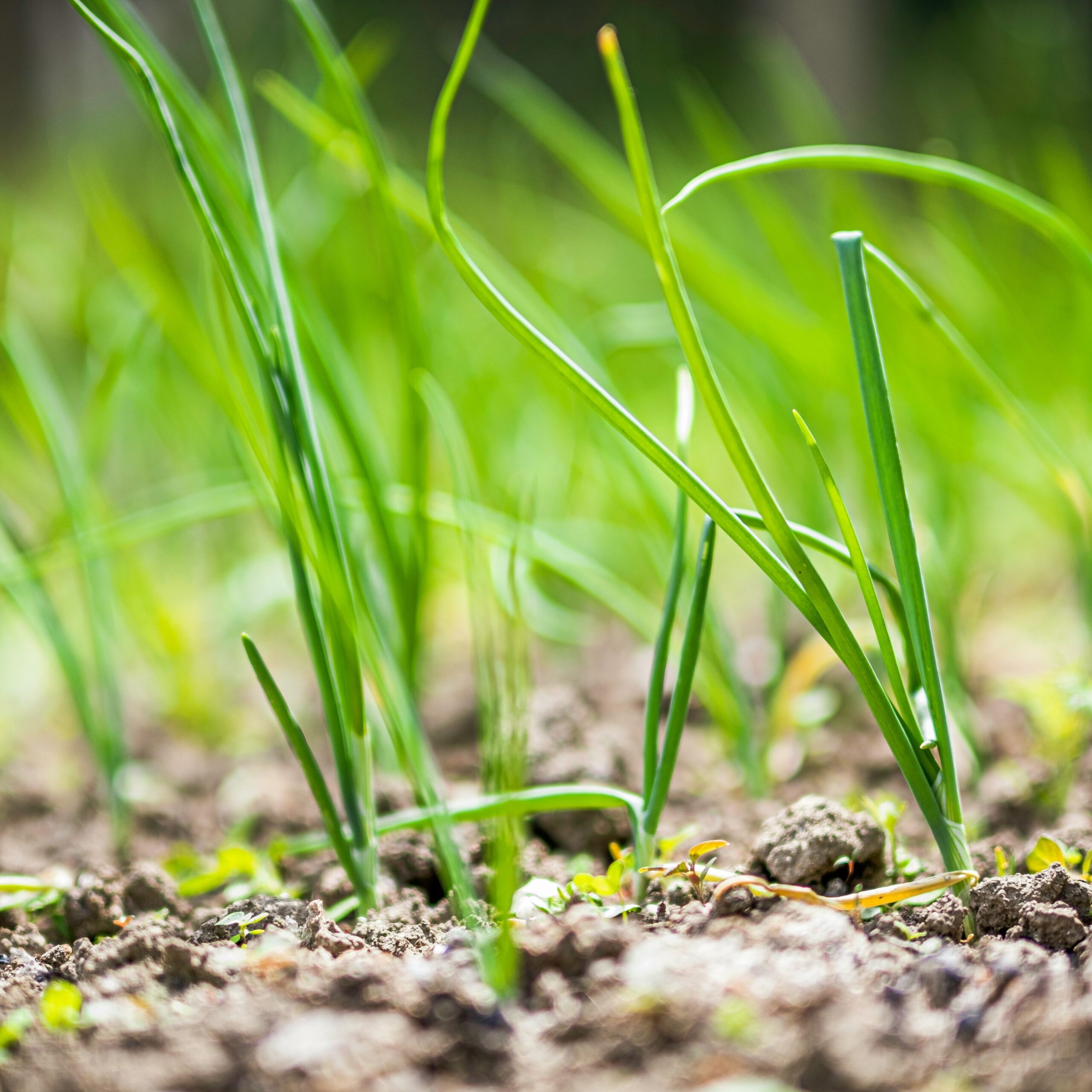
Green Onions
Green onions are wonderful to have in the garden! They are highly perishable, so it’s much better to harvest and then use. Growing them yourself gives you that time.
- When to Plant: Direct sow seeds or plant sets outdoors as soon as the ground is workable, about 4 weeks before the last frost.
- Planting Depth: Sow seeds 1/4 inch deep.
- Spacing: Space plants about 1–2 inches apart in rows.
- Tips: Green onions are relatively low-maintenance and can be harvested at various stages.
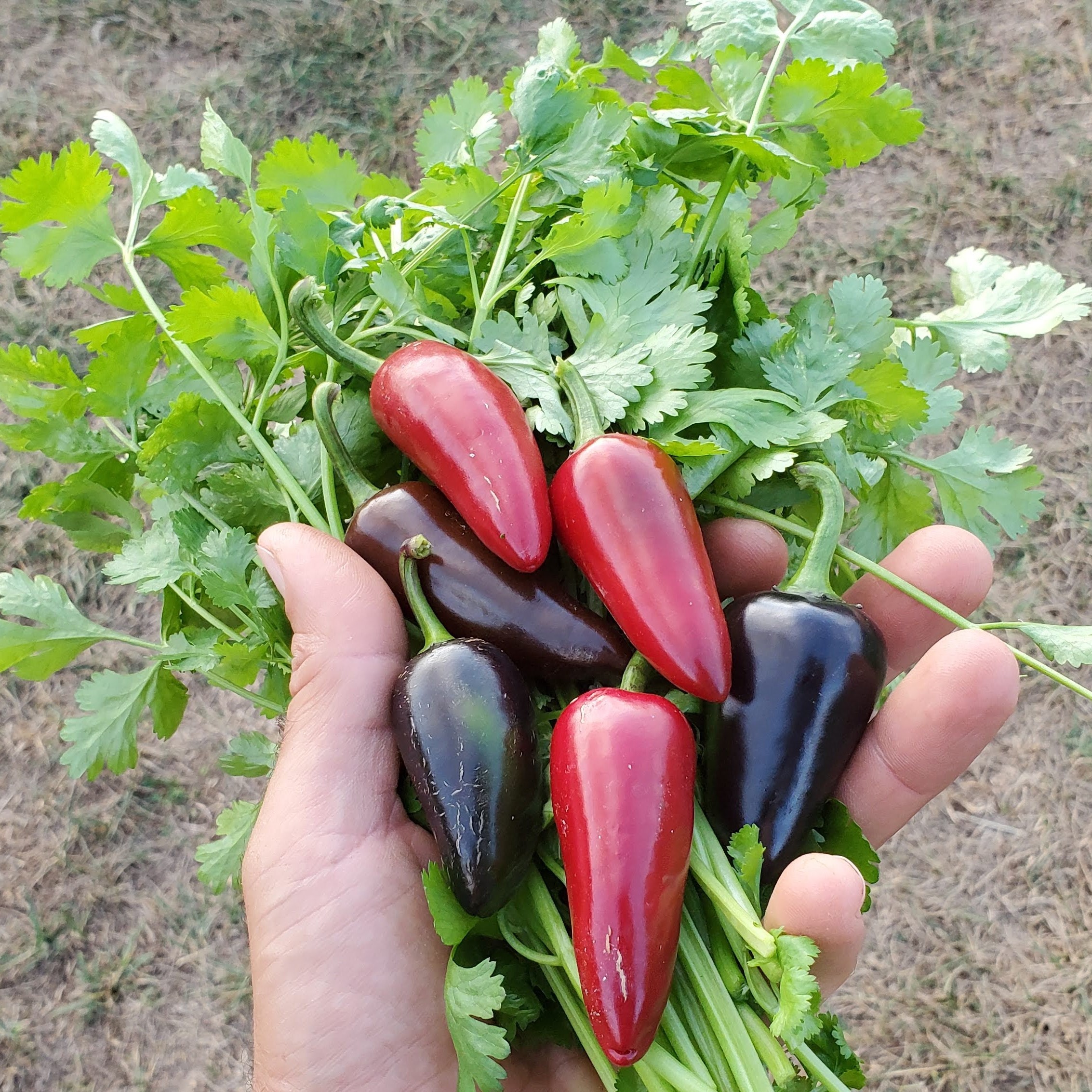
Cilantro
Cilantro is a commonly used herb, not to mention healthy – it is said to bind to heavy metals and help them be removed from the body! Plus, it’s yummy in salsa.
- When to Plant: Direct sow seeds outdoors a few weeks before the last frost date.
- Planting Depth: Sow seeds 1/4 inch deep.
- Spacing: Space plants about 6 inches apart after thinning.
- Tips: Regularly sow new seeds every few weeks for continuous harvests.

Peas
When it comes to garden joys, sweet peas are one of the most delightful. Children and adults alike enjoy them. And they actually like colder weather.
- When to Plant: Direct sow seeds outdoors as soon as soil is thawed, about 4–6 weeks before the last frost.
- Planting Depth: Sow seeds 1 inch deep.
- Spacing: Space seeds about 2 inches apart in rows.
- Tips: Provide trellis support for climbing varieties and harvest regularly to encourage production.

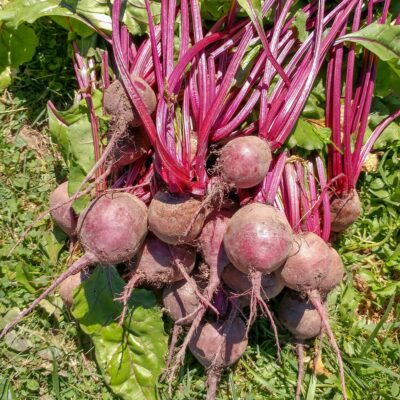
Beets
Beets are jam-packed with nutrients that your body needs. Why not plant a few in the spring garden?
- When to Plant: Direct sow seeds outdoors as soon as the soil is workable, about 4 weeks before the last frost.
- Planting Depth: Sow seeds 1/2 inch deep.
- Spacing: Thin seedlings to about 3–4 inches apart in rows.
- Tips: Beets benefit from thinning and consistent watering for proper root development.
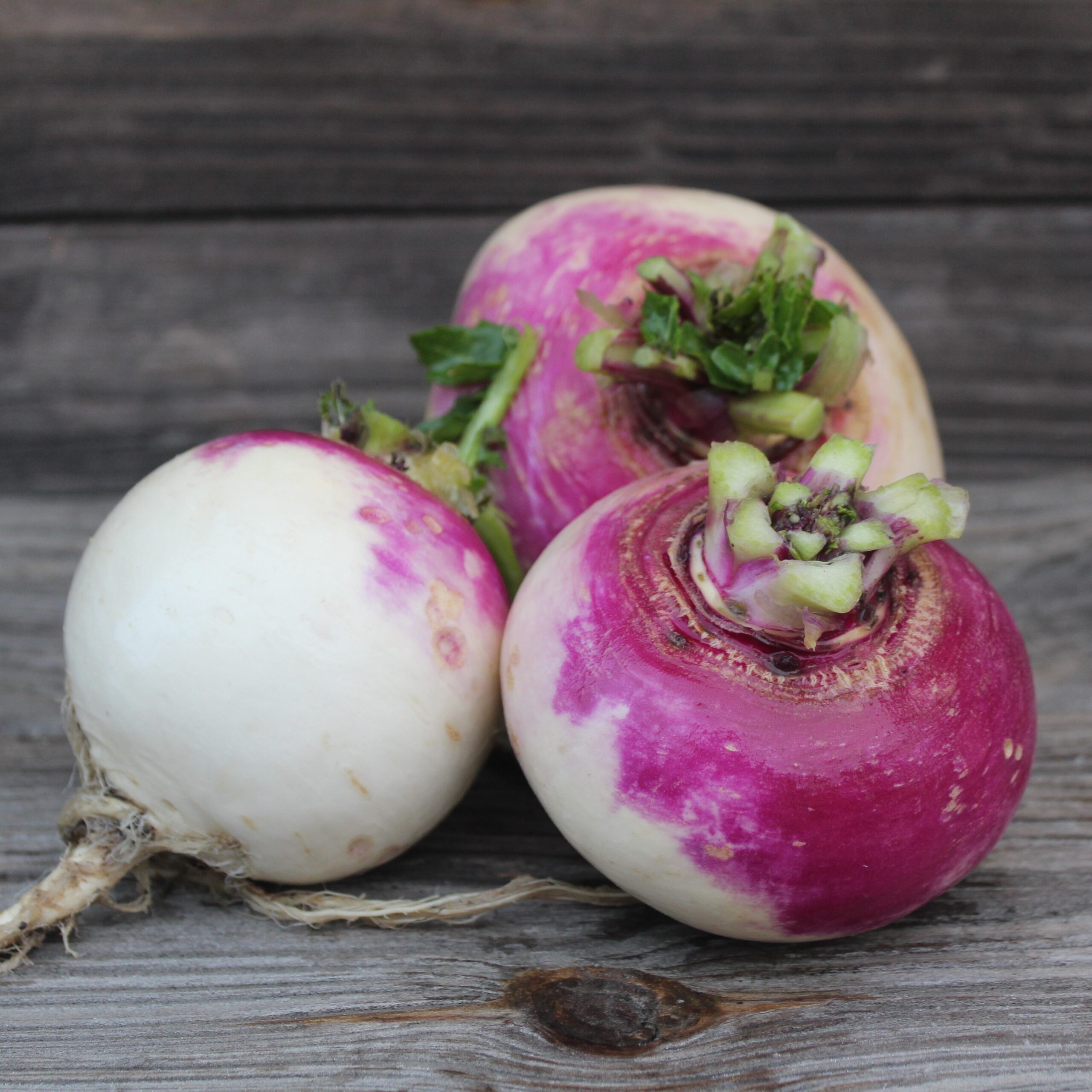
Turnips
Turnips are another cold-hardy veggie and while many gardeners grow them in the fall into the winter, they can also be grown in the spring.
- When to Plant: Direct sow seeds outdoors as soon as the soil can be worked, about 2–4 weeks before the last frost.
- Planting Depth: Sow seeds 1/2 inch deep.
- Spacing: Thin seedlings to about 4 inches apart in rows.
- Tips: Harvest greens while young and roots when they reach desired size.
Seed Potatoes
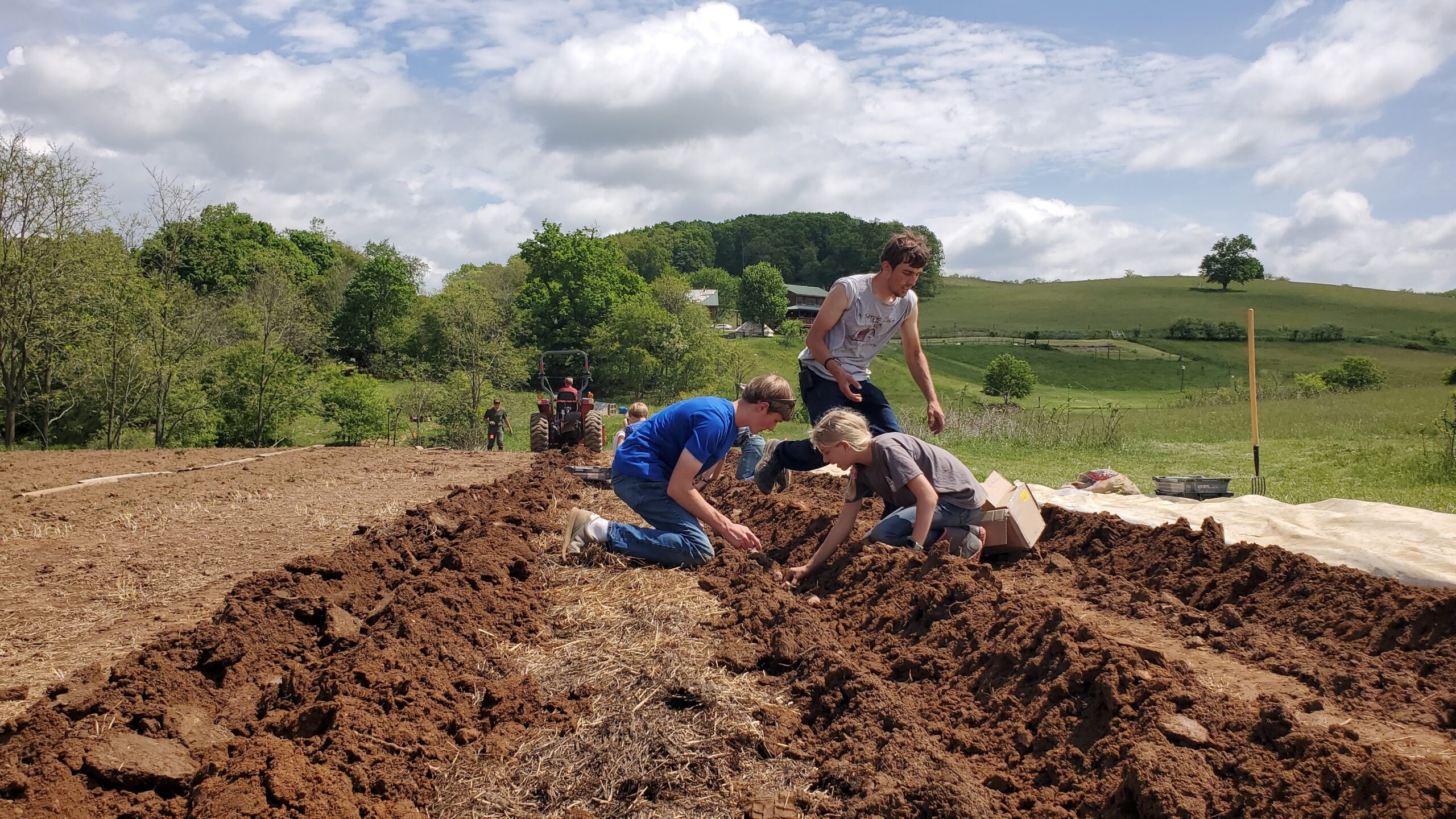
Most of the veggies on this list are things that will grow relatively quickly. But it’s worth mentioning that if you want to grow your own potatoes and have a summer harvest, this is also the time to plant them.
- When to Plant: Plant seed potatoes as soon as the soil can be worked, about 2–4 weeks before the last frost.
- Planting Depth: Place pieces with eyes up, about 4 inches deep in trenches.
- Spacing: Space pieces about 12 inches apart in rows, with rows about 3 feet apart.
- Tips: Hilling around plants as they grow supports tuber development and prevents greening.
Quick Tips for an Early Spring Garden
1. Plan Ahead: Identify your desired crops and gather necessary supplies well in advance of planting season. You don’t want to wait until the weekend you’re planting, only to realize you don’t have what you need.
2. Prepare Soil & Garden Beds: Incorporate organic matter like compost into soil for enriched fertility and improved structure. Some of the crops mentioned above (like cabbage) are particularly heavy feeders and may require additional fertilizer.
3. Check Frost Dates & Use Cold Protection: Monitor local frost dates; use row covers or cloches for added protection against late frosts. If you aren’t sure how to calculate when to plant, check out this free planning tool.
4. Choose Suitable Varieties: Select varieties adapted for early spring planting with appropriate days to maturity. This is especially important for veggies like radishes.
FAQs for Planting an Early Spring Garden
Q: How can I start seeds indoors effectively?
A: Use seed trays filled with a high-quality potting mix. You want the soil to be moist moist (not waterlogged). Use grow lights or a sunny windowsill to provide light to your plants. Maintain a temperature of around 65–75°F for optimal germination. You can learn more about seed starting here.
Q: What are some common pests in early spring gardens, and how can I manage them?
A: Common pests include cabbage worms, flea beetles, and aphids. To manage them, you can use physical barriers like row covers, introduce beneficial insects, use manual removal, or apply organic sprays like BT.
Q: How do I know when my crops are ready for harvest?
A: Each crop has specific indicators. For example, radishes are ready when they are about 1 inch in diameter, leafy greens like lettuce and spinach can be harvested when leaves are large enough to eat, and peas should be picked when pods are plump.
Q: Can I succession plant in early spring, and how does it work?
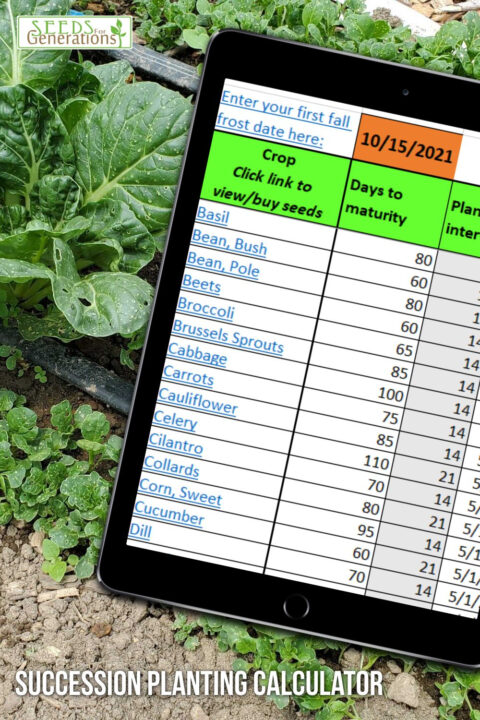
A: Yes, succession planting involves sowing seeds at intervals (every few weeks) to extend the harvest period. This is effective with fast-growing crops like lettuce, spinach, and radishes, ensuring a constant supply of fresh produce. Use our free Succession Planting Calculator to make knowing when to plant easier.
Q: How do I protect young spring plants from unexpected frost?
A: Use floating row covers, cloches, or cold frames to shield young plants from frost damage. You can find gardening supplies here.
Q: Is it necessary to harden off transplants before moving them outdoors?
A: Yes, hardening off acclimates indoor-grown seedlings to outdoor conditions. Gradually expose them to sunlight, wind, and varying temperatures over 7–10 days before transplanting. Read more about hardening off here.
Q: How often should I water my early spring garden?
A: Water needs depend on weather and soil conditions. Generally, provide 1 inch of water per week through rainfall or irrigation. Ensure the soil is moist but not soggy, especially for young seedlings.
Q: What are the benefits of using mulch in an early spring garden?
A: Mulch helps retain soil moisture, suppress weeds, and regulate soil temperature. Organic mulches like straw or shredded leaves also add nutrients as they decompose.
Q: Can I plant flowers alongside my vegetables in an early spring garden?
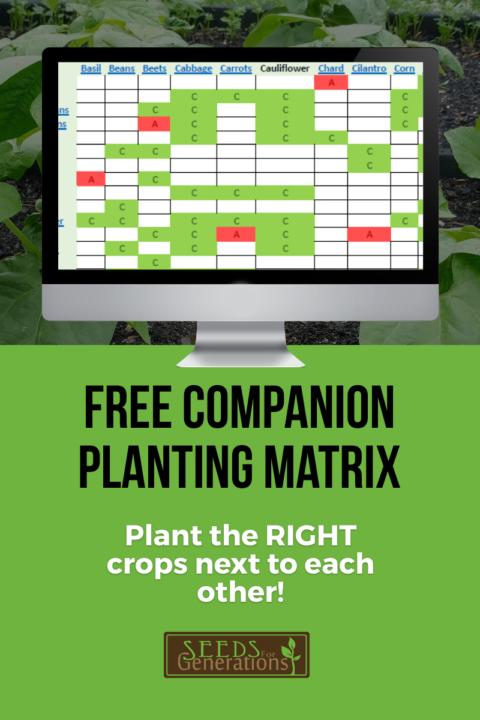
A: Yes, companion planting flowers like marigolds or nasturtiums can deter pests and attract pollinators, benefiting your vegetable garden both aesthetically and functionally.
What to Plant in an Early Spring Garden Conclusion
An early spring garden is a rewarding endeavor that brings fresh produce to your kitchen while extending your growing season. With careful planning and attention to detail, you can enjoy a lush harvest of cool-weather crops that will delight your taste buds…and scratch that gardening itch, too!

Enter your last spring frost date, and it instantly calculates your indoor and outdoor planting dates for 40+ types of crops!