If you’ve been around gardeners for long, you’ve probably heard someone ask, “What zone are you in?” Often, this question is asked because someone is curious whether or not his growing zone is anything like someone else’s. Unfortunately, this question is based on a common misconception – that USDA zones apply to annual vegetables.
Why Don’t USDA Zones Apply to Annual Vegetables?
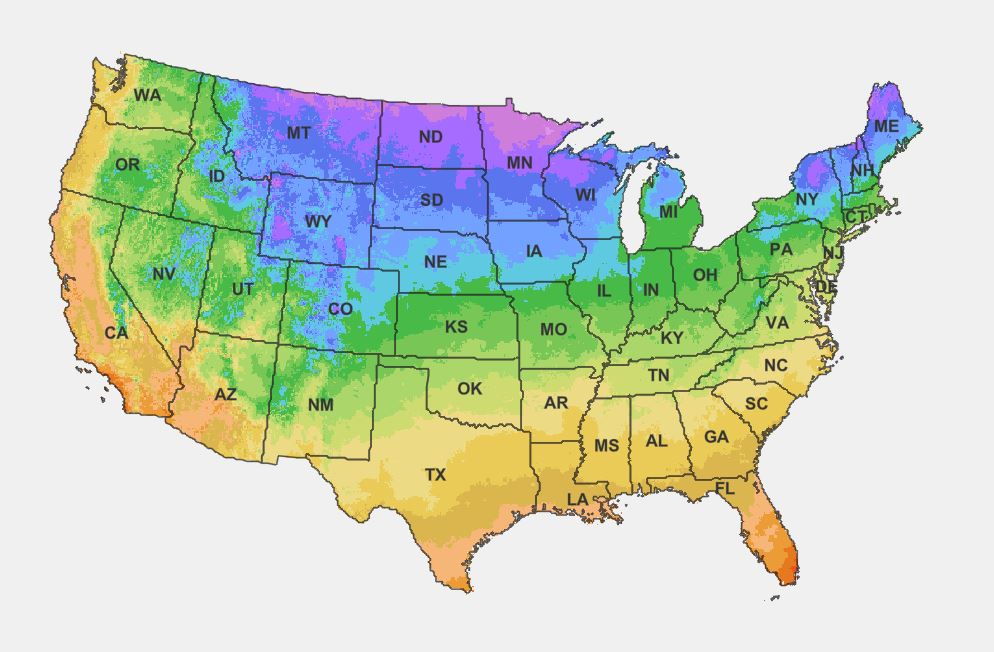
If you’re talking about growing annual vegetable crops in the garden, your zone doesn’t really matter. It isn’t a useful metric, because the Plant Hardiness Zone map focuses on the hardiness factor. It defines different zones based upon the average annual extreme minimum temperatures over a 30-year period.
With the Plant Hardiness Zone Map, put out by the USDA, you can tell about how cold it gets in the winter, which doesn’t really have much to do with your summer growing conditions.
How to Properly Use the Plant Hardiness Zone Map
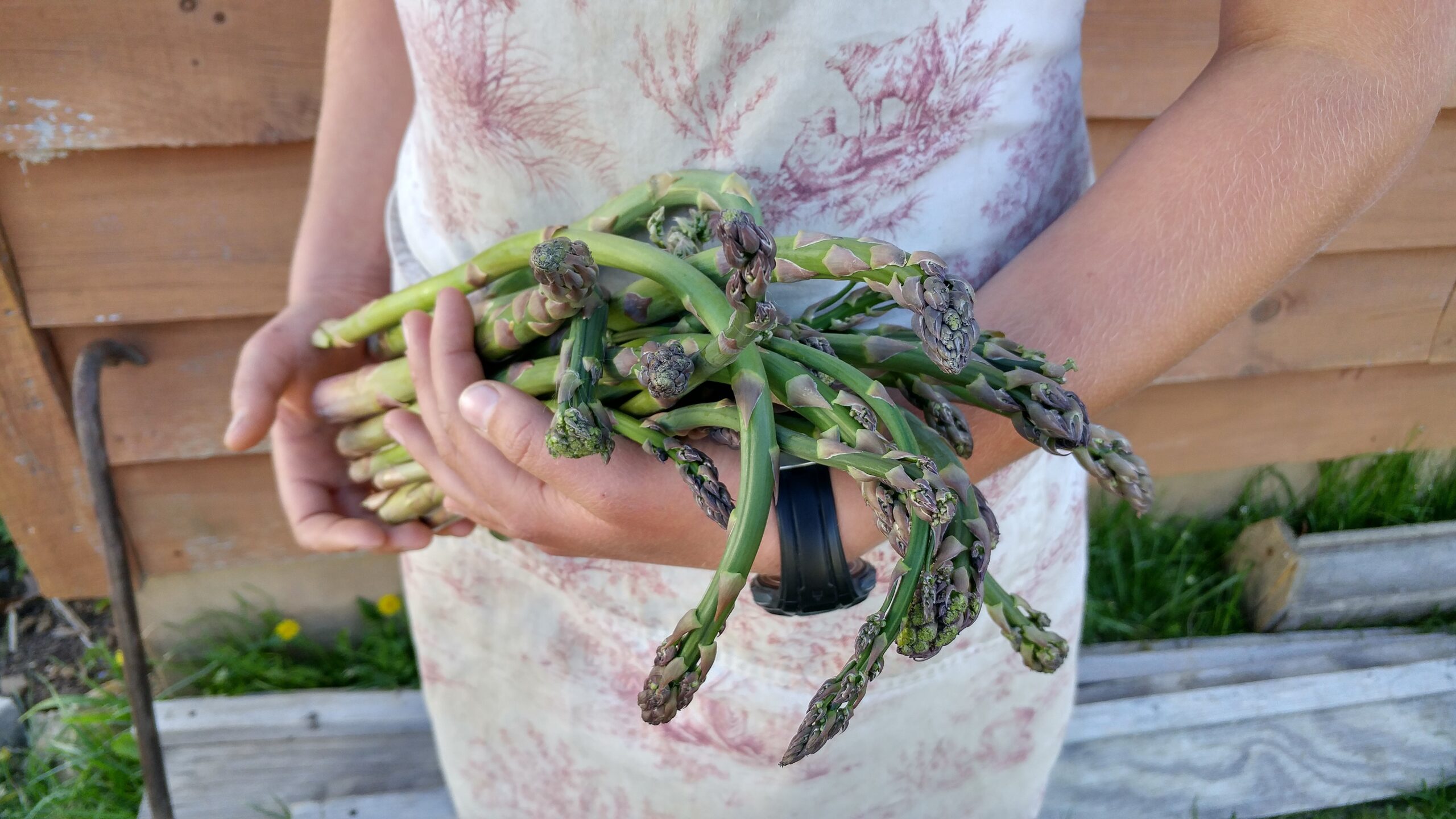
The Plant Hardiness Zone Map is used for perennial crops. This includes plants like flowers/flower bulbs, fruit trees, asparagus plants, berry bushes, and other trees – anything that returns year after year. This guide applies to each of those plants to ensure the perennial crop will survive the winter temperatures in that particular zone.
In other words, if a fruit tree is labeled with a zone, it means that particular tree should tolerate winter temperatures as low as those occurring within that USDA zone.
So if you don’t use the Plant Hardiness Zone Map for vegetables, how do you know what to grow in the garden?
If you’re looking to grow annual garden vegetables, check out this Heat Zone Map, which is a much better metric for knowing what might grow well in your climate. This map is based on the average number of days over 86 degrees F for the region.

Credit: Fast, Fresh Garden Edibles book
For annual garden veggies, you simply need to know your Last Average Spring Frost Date and calculate your growing season based upon that particular number. You can learn how to calculate your important planting dates in this post.
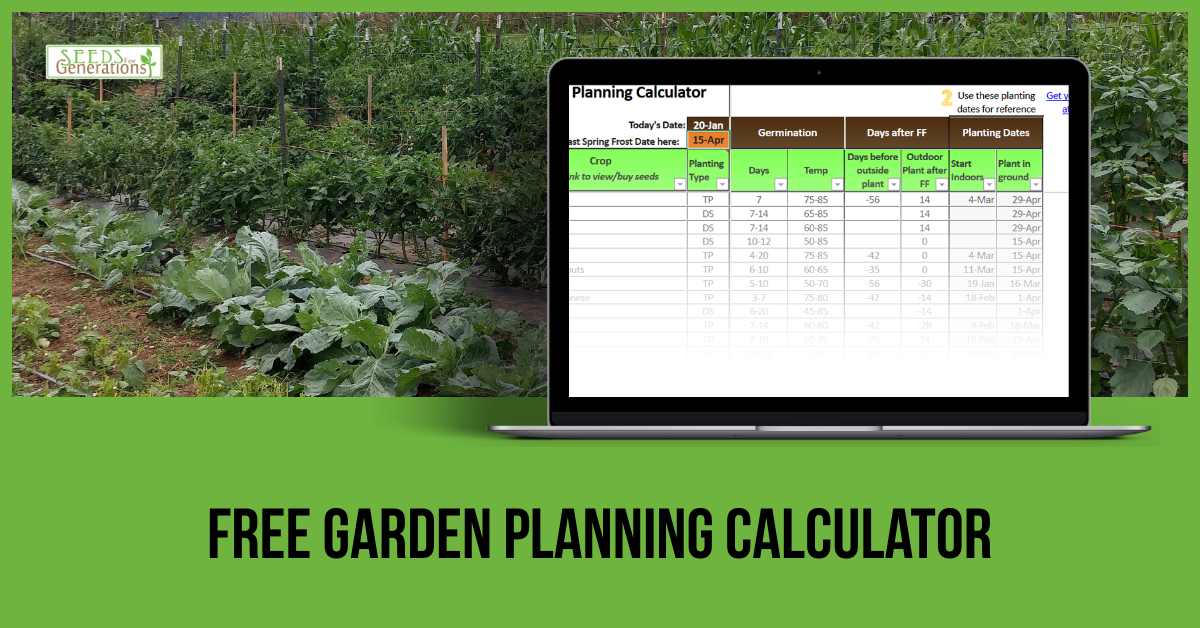
We also have a free Garden Planning Calculator that will help you calculate planting dates for YOUR specific location – in just a few minutes! Check it out here.