
Disclosure: Seeds for Generations is a part of Amazon Services LLC Associates Program, as well as other affiliate and/or referral programs. If you purchase or opt-in after clicking on these links, at no additional cost to you, we may receive a small commission for making you aware of these important resources.
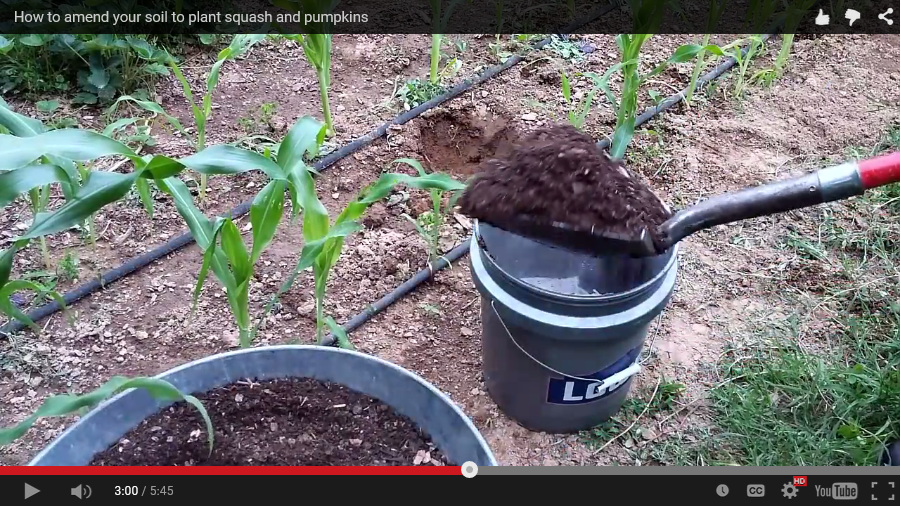
Want to grow great squash? They like loose soil rich in organic matter, so this video will show you how to easy amend your soil with compost and other soil amendments and to plant squash and give them the perfect growing medium they need. It’s easy and only requires a couple hand tools!
What You Need…
All right, we are going to talk in this video about planting squash—whether it’s summer squash, winter squash, or even pumpkins.
I’m going to be planting winter squash here with my corn because I like to use the Three Sisters Method, as it’s called. This is an interplanting technique learned from the American Indians, where they planted corn with pole beans growing up the corn as a trellis, along with winter squash which vines out underneath and creates a canopy. It shades the soil, keeps the weeds down, and makes better use of the available space underneath the corn.
What you’ll need if you’re going to use this method—and the reason I’m using this method—is basically because squash and pumpkins like very loose, rich soil and a lot of high organic matter. So, I am going to amend the soil to give them what they want.
What you’re going to need:
– A round shovel
– Good well-rotted compost
– A 5-gallon bucket
– Some soil amendments for whatever your soil may be deficient in
In the video, I’ve got a mixture of lime, phosphate, something called azomite (which is trace minerals), green sand, and I think some kelp too. It’s a whole bunch of stuff.
The Process
First thing you’re going to do is put your bucket by where you’re digging and take your spot. Generally, it’s good to plant summer squash about 2 to 3 feet apart. If you have more room, use 3 feet; if you’re limited on space like I am in this application, you can use 2 feet, which is what I’m using for spacing.
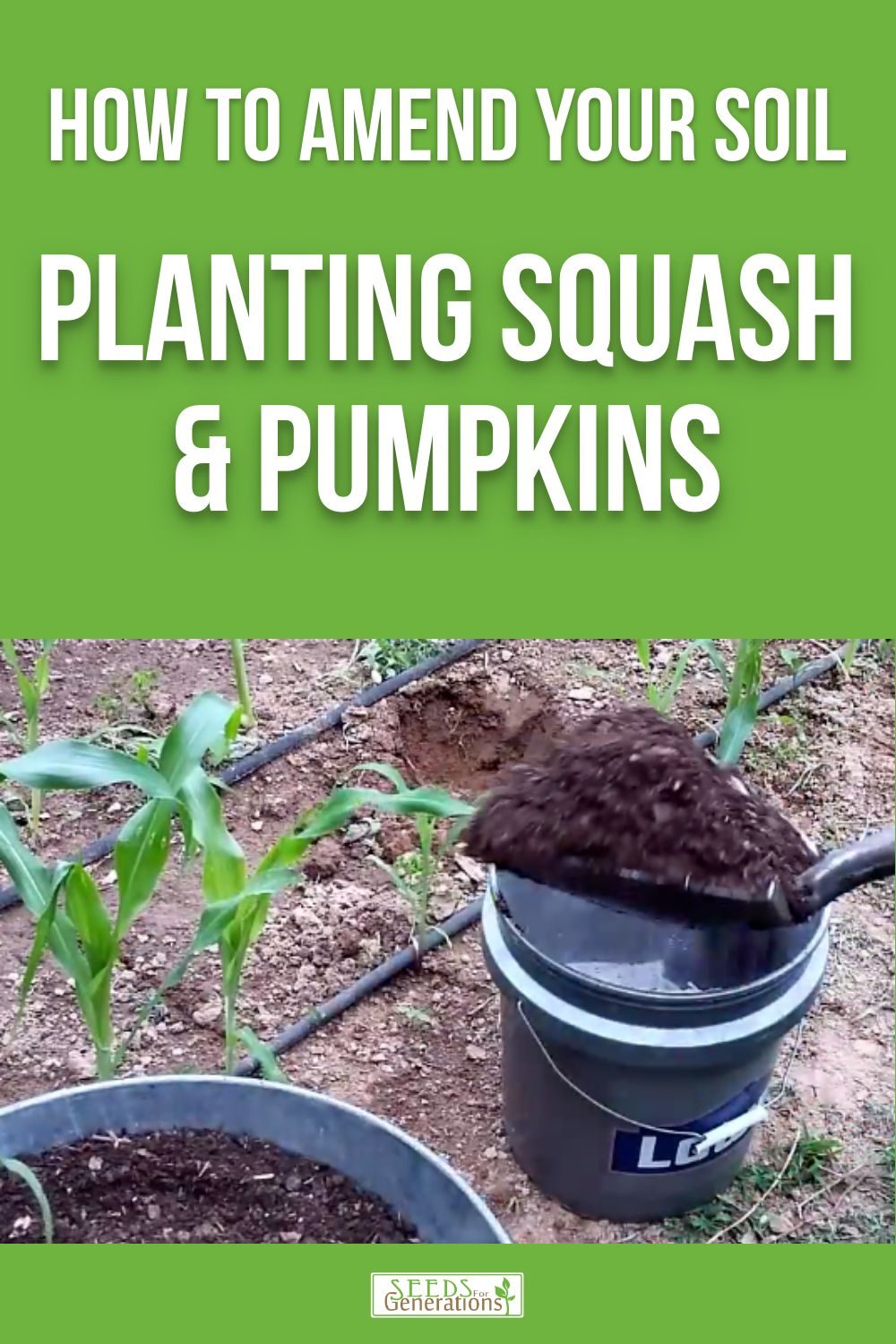
You’re going to basically dig a hole that’s about the size of your shovel and put the dirt into your 5-gallon bucket. This is just your garden soil you’re digging out. What I’m doing is digging out the area where the roots are going to grow, and I want to replace this more compacted garden soil with a very loose, high organic matter growing medium.
Next, I take a scoop or two, probably two scoops of compost, and then I mix it. The reason why I do this one bucket at a time and mix it each time is because it allows me to make good use of one of my favorite garden tools, which I call a garden auger. This is basically a long shaft connected to a power drill with an 8- or 9-inch-long auger screw on the end of it. It’s about 2 inches in diameter. This tool is intended primarily for digging small holes like for transplanting bulbs or other plants; however, I find it even better for mixing soil amendments into soil like this. I use it almost like a paint mixer would be used. See below for links.
If you have a variable speed drill, once you do it a little bit at low speed and mix it between layers, you can put it on high speed. This does a better job of actually mixing everything together. You can also hold the shaft to help guide it.
Now that I’ve thoroughly mixed my mixture, all you do is take the bucket and dump it back into the hole. I may have a little bit of dirt at the bottom where the auger couldn’t reach it, but basically what I have here is a nice big mound of pretty well-mixed soil that has compost and other garden amendments in it.
I have a nice planting hill like is typically done for squash and pumpkins. On a hill like this, I’ll typically plant four or five seeds—kind of in quadrants and maybe one in the middle. Generally, as long as you keep it well watered, you’ll get good germination.
The nice thing is that the squash roots will go down into this medium, and they’ve got basically about a 12 to 16-inch mass here that they can grow in. They have a nice loose medium with very high compost and organic matter material—exactly what they want—so it works really well.
Here’s the Auger…
The garden auger. This attachment is used with a power drill and while often labeled for use planting bulbs, I find it great for digging holes to plant my transplants into. It’s also great for mixing soil amendments.
You can find the Yard Butler Roto Auger that I have here, but I would also recommend you check out the Tanaka Planting Auger Bit, which has a larger, 3-inch wide head, and a bigger shaft with a hex end so it won’t slip under the high torque conditions encountered when using a garden auger on compacted soil.
You can learn more in this post about How to plant Squash, Melons, and Pumpkins in Hills.
Let me know your thoughts and questions in the comments.
Shop Squash & Pumpkin Seeds!
-
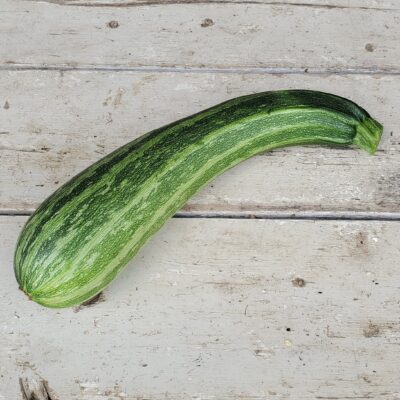
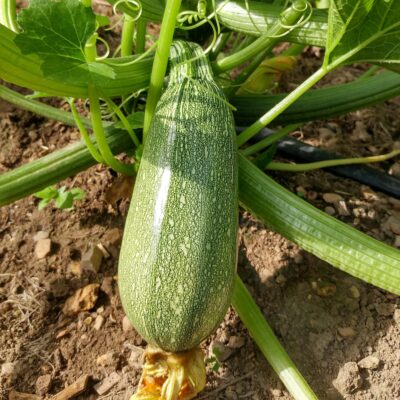
Summer Squash Cocozelle (Zucchini)
$3.25 Add to cartQuick View -

Summer Squash Dark Green Zucchini Organic
$3.50Quick View×Subscribe to get notified when this product is restocked.
-
Pumpkin Connecticut Field
$3.25 Add to cartQuick View -
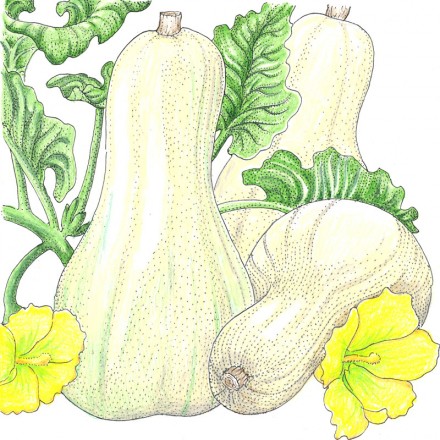
Winter Squash Butternut Waltham
$3.25 Add to cartQuick View -
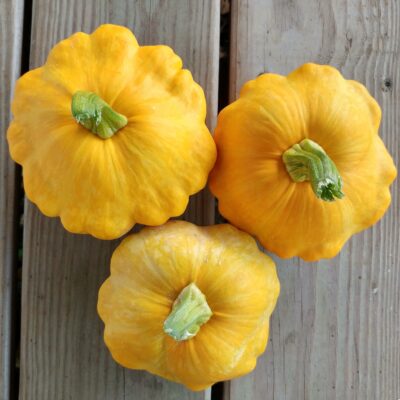
Summer Squash Yellow Scallop (Patty Pan)
$3.25 Add to cartQuick View -
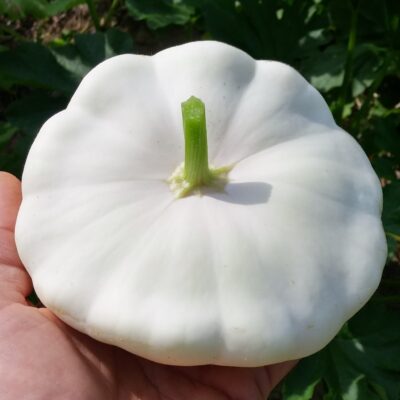
Summer Squash White Scallop (Patty Pan)
$3.25 Add to cartQuick View -
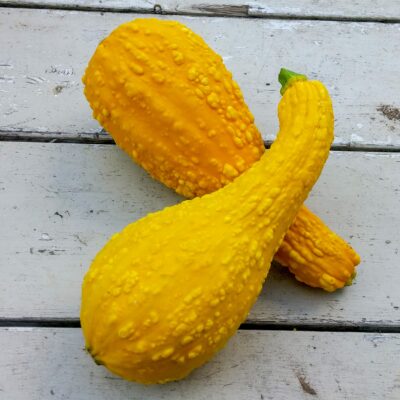
Summer Squash Early Golden Crookneck Organic
$3.50Quick View×Subscribe to get notified when this product is restocked.
-
Winter Squash Spaghetti
$3.25 Add to cartQuick View -
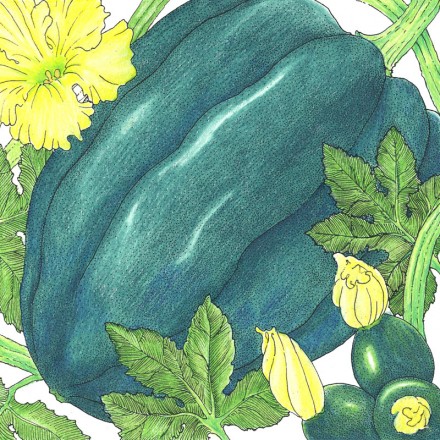
Winter Squash Table Queen Acorn
$3.25 Add to cartQuick View -
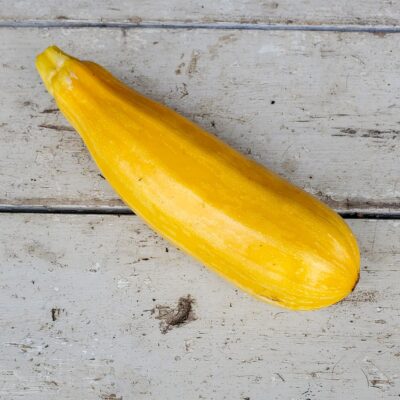
Summer Squash Golden Zucchini
$3.25 Add to cartQuick View -
Summer Squash Gray Zucchini
$3.25 Add to cartQuick View -
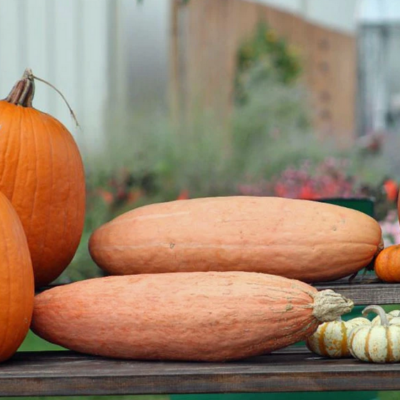
Winter Squash Jumbo Pink Banana
$3.25 Add to cartQuick View

-
Summer Squash Cocozelle (Zucchini)
$3.25 Add to cart -
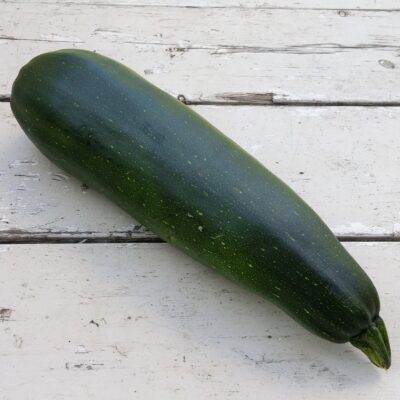
Summer Squash Dark Green Zucchini Organic
$3.50×Subscribe to get notified when this product is restocked.
-
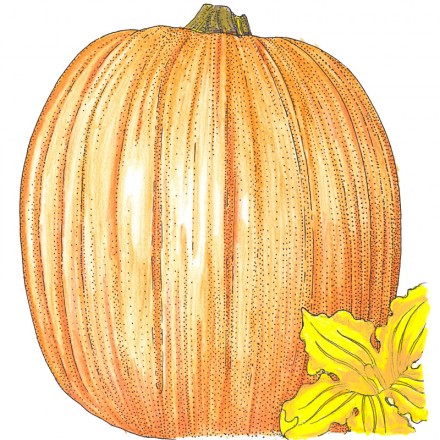
Pumpkin Connecticut Field
$3.25 Add to cart -
Winter Squash Butternut Waltham
$3.25 Add to cart -
Summer Squash Yellow Scallop (Patty Pan)
$3.25 Add to cart -
Summer Squash White Scallop (Patty Pan)
$3.25 Add to cart -
Summer Squash Early Golden Crookneck Organic
$3.50×Subscribe to get notified when this product is restocked.
-
Winter Squash Spaghetti
$3.25 Add to cart -
Winter Squash Table Queen Acorn
$3.25 Add to cart -
Summer Squash Golden Zucchini
$3.25 Add to cart -
Summer Squash Gray Zucchini
$3.25 Add to cart -
Winter Squash Jumbo Pink Banana
$3.25 Add to cart





I enjoy all of your videos and look forward to each one. When they say you should water at least 1″ per week, how do you know how much that is?? A gallon,- 2? I’m talking about a container plant.
I didn’t say to water 1″ per week, just that you need to keep the soil moist for the seeds to germinate. Squash generally like it moist when they’re flowering and producing fruit too. I recommend using soaker hoses on the soil surface to get the water where it’s needed and not waste it on the leaves where it will evaporate more quickly.
I don’t know any other tricks to measure watering other than I use an empty cat food tin can, the water collects as I water and when it’s half full I stop and later in the week do it again! Hope that helps!
1″ of rain = 1 gal of water/sq ft