(Use the information in this blog post at your own risk. Nothing presented in any form is to be construed as medical, nutritional, legal, or financial advice, or any other form of advice requiring a licensed professional. The opinions expressed here are intended for informational and entertainment purposes only.)
Seeds for Generations is a part of Amazon Services LLC Associates Program, as well as other affiliate and/or referral programs. If you purchase or opt-in after clicking on these links, at no additional cost to you, we may receive a small commission for making you aware of these important resources.
ACHOO!
’tis the season for colds and flu. Especially if you have a large family like us, you probably get sick at least a few times every winter, even with the best immune systems. But did you know that standard over-the-counter medications may not be what you want to put into your body, even if you feel crummy?
What most people don’t know is that while over-the-counter (OTC) cold and flu medications can provide relief from symptoms, they may also come with potential side effects. Antihistamines, for example, can cause drowsiness, dry mouth and eyes, dizziness, and even difficulty concentrating. Decongestants can increase your heart rate and blood pressure, as well as cause feelings of restless.
Cough suppressants can cause drowsiness and dizziness. Nonsteroidal anti-inflammatory drugs (NSAIDs) like ibuprofen can irritate the stomach lining, while excessive use of acetaminophen can lead to liver damage, especially when combined with alcohol consumption.
What if I told you that there were natural herbs you and your family can use instead – herbs that come straight from God’s creation and with less risk?
It’s time to learn about herbal remedies for colds and flu! In this article, we are going to talk about several common herbs you might want to use to fill your medicine chest this winter.
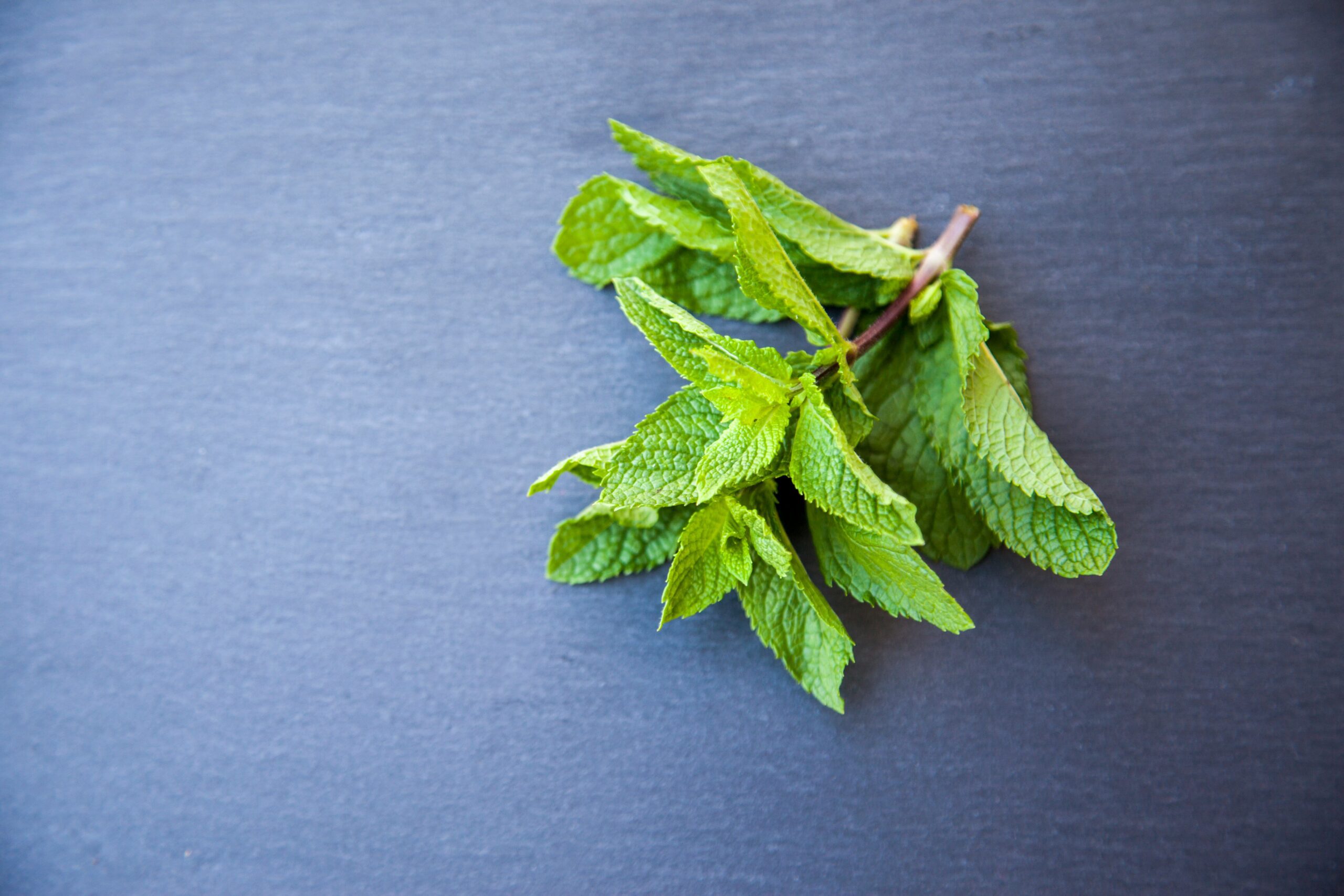
Peppermint (Mentha x piperita)
Peppermint is a hybrid mint, a cross between watermint and spearmint. Renowned for its aromatic properties and therapeutic benefits, peppermint has been a staple in traditional medicine for centuries. It is perennial herb that thrives in temperate climates (it will go out of control if planted in the ground) and is characterized by its square stems, dark green leaves with reddish veins, and small purple flowers. The plant’s distinctive aroma is due to its high essential oil content, primarily menthol and menthone, which also contribute to its various medicinal properties.
Susie Ransom at Dr. Christopher’s Herbal Legacy adds this.
“Peppermint has many medicinal qualities that make it a useful and easy herb to use. One of its paradoxes is that it is both a stimulant and a relaxant. That means that peppermint is predominantly stimulating to the circulation yet soothing to the nerves, thus having both qualities at once. It is possible, however, for one of these qualities to overwhelm the other, depending upon the type of preparation. Peppermint oil is more stimulating and peppermint tea is generally more soothing”
The primary parts of peppermint used for medicinal purposes are its leaves and the essential oil extracted from them. The leaves contain volatile oils, flavonoids, and phenolic acids, which are responsible for therapeutic effects too.
Peppermint oil, distilled from the leaves, is particularly rich in menthol. As a result, peppermint is highly effective in relieving respiratory symptoms. Menthol acts as a natural decongestant by thinning mucus and opening up the airways, making it easier to breathe. It also has antispasmodic properties that can help alleviate coughing. You can use a bit of peppermint essential oil in a bowl of hot water to make a homemade inhalation.
Peppermint also cooling properties that can help reduce fever. The menthol in peppermint stimulates cold receptors in the skin, providing a cooling sensation that can make fevers more manageable. Drinking peppermint tea can induce sweating, which may help lower body temperature. Additionally, it soothes sore throats.
The analgesic and anti-inflammatory properties of peppermint can also help alleviate headaches, muscle aches, and digestive discomfort often accompanying colds and flu.
Specific Use Idea: Feeling nauseous yourself after eating or are your children vomiting? Try peppermint.
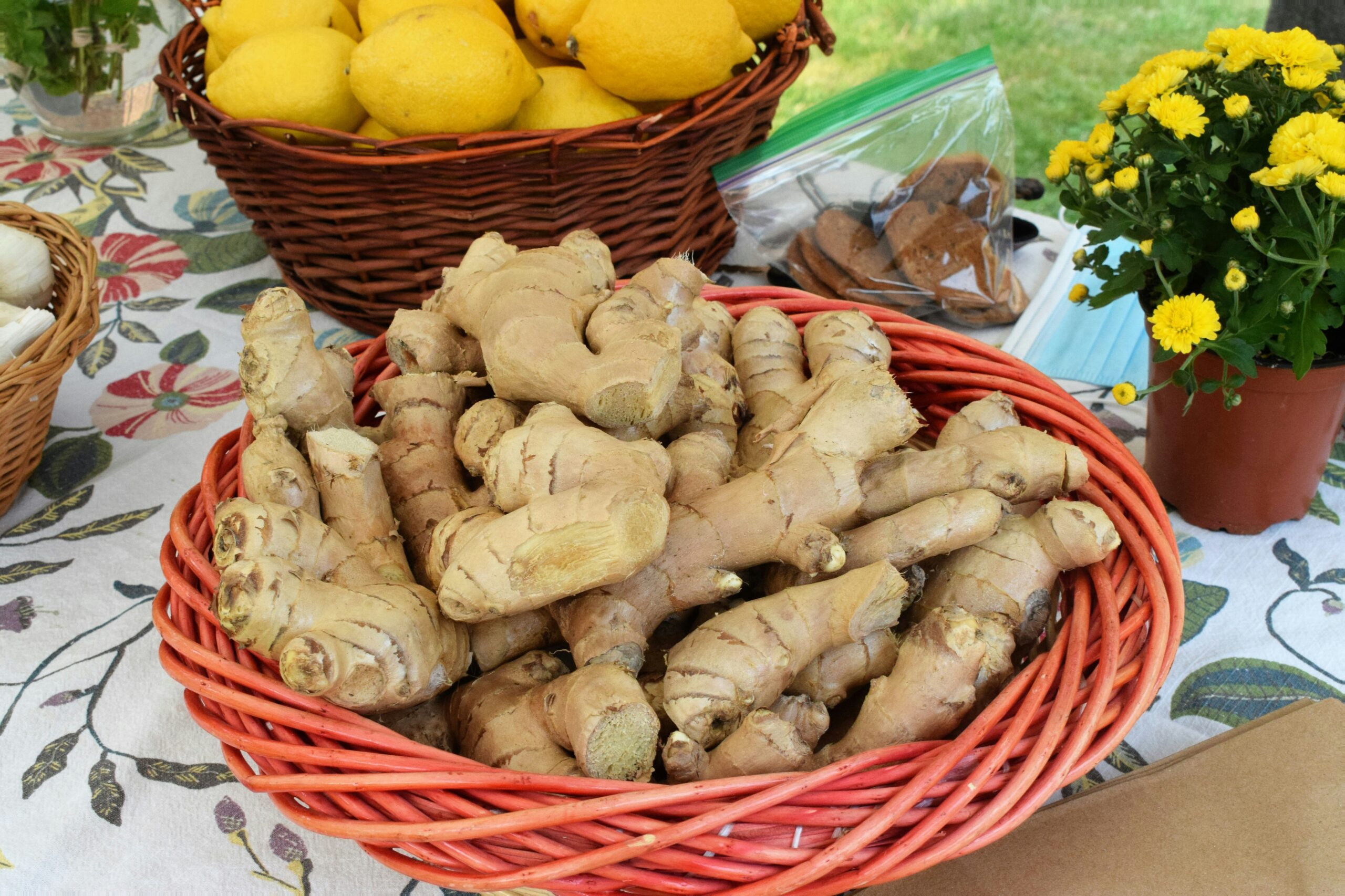
Ginger (Zingiber officinale)
Ginger is a widely used herbal remedy with a long history in traditional medicine. This flowering plant originates from Southeast Asia and belongs to the Zingiberaceae family, which also includes the spices turmeric and cardamom.
The ginger plant features narrow leaves and yellow-green flowers, but it is the rhizome—the underground part of the stem—that is most commonly used for medicinal and culinary purposes. The rhizome is knobby and pale brown, with a fibrous texture and a pungent, spicy aroma.
This is a very warming plant, as The Herbal Academy explains,
“A great way to use ginger every day, especially during the cooler months ahead, is to help promote warmth and proper circulation in the body. Ginger is considered a premier circulatory stimulant, making it an ideal herb to use for poor circulation (think cold hands and feet), cramps, and chilblains (Hoffmann, 2003).” https://theherbalacademy.com/blog/ginger-every-day/
The rhizome contains an array of bioactive compounds, including gingerols and shogaols, which contribute to its anti-inflammatory, antioxidant, and antimicrobial properties. These compounds make ginger an effective remedy for a variety of symptoms associated with colds and flu.
Fresh ginger enhances immune function, helping the body to fend off infections. Its antioxidant properties assist in reducing oxidative stress, potentially boosting immune response. Ginger also has natural antihistamine and decongestant effects that can help alleviate respiratory symptoms such as congestion and sore throat.
Ginger is most well-known, however, for its ability to ease nausea and support digestion, beneficial when colds or flu lead to gastrointestinal discomfort. Ginger chews can be a fun way of consuming ginger to help alleviate nausea. Fresh ginger can be sliced or grated and steeped in hot water to make a delicious tea. YUM.
Specific Use Idea: Coming down with chills and a headcold? Go drink a cup of ginger tea.
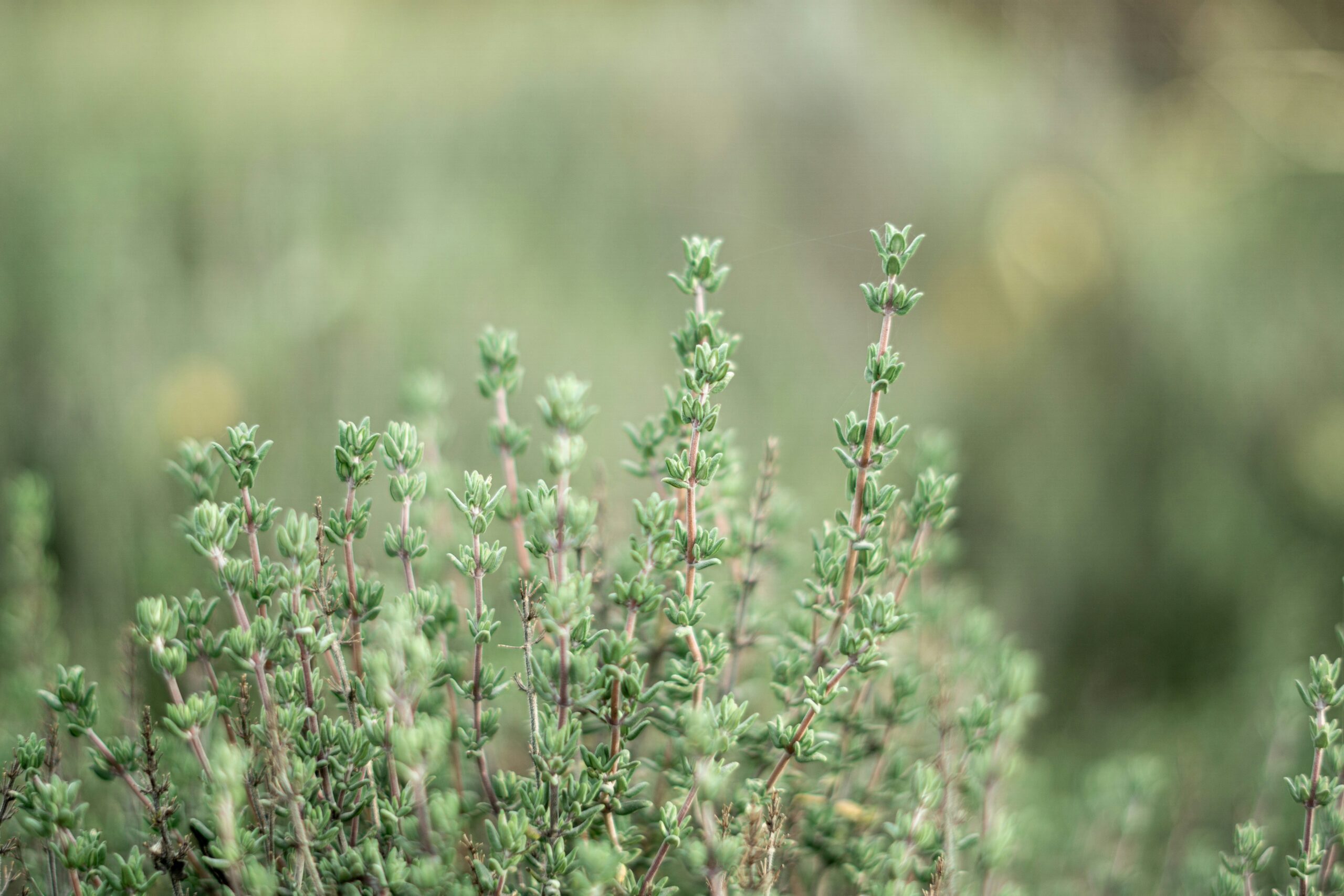
Thyme (Thymus vulgaris)
Thyme is a perennial member of the mint family, Lamiaceae. It is a small, bushy shrub with woody stems, tiny oval leaves, and clusters of small, pink or purple flowers. Native to the Mediterranean region, thyme is now cultivated worldwide. The herb is recognized for its strong, earthy aroma and flavor, which come from its essential oils.
Thyme leaves and flowers are used for medicinal purposes. These parts are rich in volatile oils, primarily thymol and carvacrol, which have antimicrobia properties. These bioactive compounds make thyme an effective natural remedy for a range of cold and flu symptoms. (Thymol and carvacrol inhibit the growth of bacteria and viruses.)
Thyme is particularly beneficial in alleviating respiratory symptoms such as coughs and congestion. It is an expectorant, which simply means it is a plant that help loosen congested mucus. Additionally, thymol acts as a natural antiseptic, helping to clear respiratory infections.
Here’s something from Richard Whelan, a medical herbalist:
“I have had some excellent experiences with the use of Thyme for people with the severe and stubborn bronchitis. Whenever I think about Thyme I am reminded to ‘never underestimate the little guy’ as the simple fact is that I have seen for myself how these tiny leaves pack enough punch to knock out infections that have defied repeated courses of the most potent antibiotics that were available at the time!” https://rjwhelan.co.nz/herbs%20A-Z/thyme.html
You can make thyme tea, inhalations, or even a throat gargle! It’s also a delicious herb to add into your diet, being commonly added to Italian dishes.
Specific Use Idea: Feeling like your lungs are all congested? Try breathing some thyme.
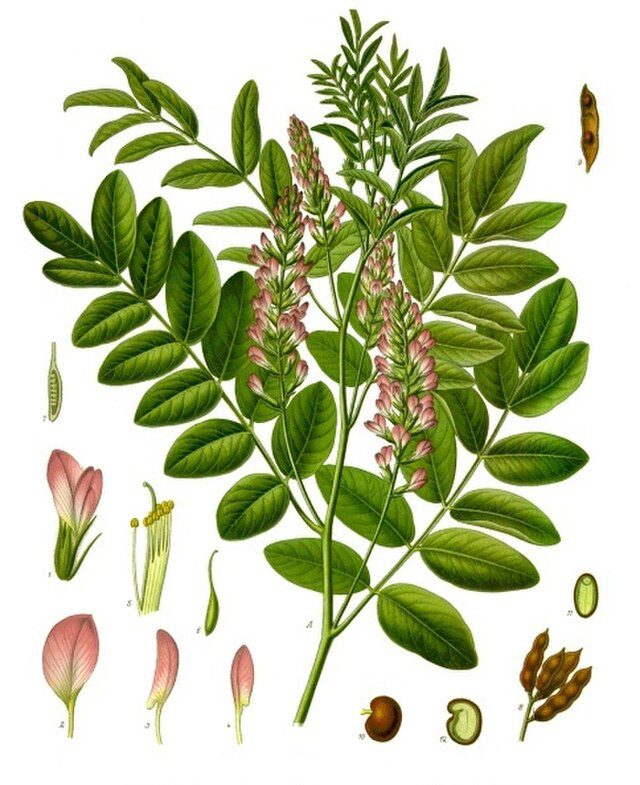
Licorice Root (Glycyrrhiza glabra)
Licorice root (the herb, not the candy, haha) has been a cornerstone in traditional herbal medicine for centuries. It is a perennial herb native to Southern Europe and parts of Asia. It is characterized by its tall, erect stems, pinnate leaves, and pale blue to violet flowers. The plant can grow up to 40 inches in height, but it is the root that holds the key to its medicinal properties.
Licorice root is long, cylindrical, and brown on the outside with a yellow interior, known for its naturally sweet taste due to the compound glycyrrhizin, which is 50x sweeter than sugar! (Before you go start using it as a sweetener, it is worth noting that licorice root isn’t intended for long-term or high usage. When used improperly, it is said to cause issues with thyroid function and metabolism.)
That said, licorice root acts as a demulcent, the polysaccharides in the plant forming a protective coating over mucous membranes in the throat. This property helps soothe irritation, especially since the herb reduces coughing. Licorice root also possesses antiviral properties that can help combat viruses responsible for colds and flu.
Its antimicrobial activity also helps in preventing secondary bacterial infections. The anti-inflammatory properties of licorice root can help alleviate inflammation in the respiratory tract, reducing symptoms such as sore throats and swollen mucous membranes. Finally, licorice root can modulate immune responses, enhancing the body’s ability to fight off infections properly. (This is why it has been used for allergies and autoimmune conditions.)
While licorice root is effective for many, it must be used with caution. Prolonged use or high doses of glycyrrhizin can lead to side effects such as high blood pressure, fluid retention, and imbalances in potassium levels. Individuals with hypertension or kidney issues should avoid licorice root. Deglycyrrhizinated licorice (DGL) is an alternative that lacks glycyrrhizin and is safer for long-term use if these properties are a concern.
Specific Use Idea: Have a long-term cough that is causing an irritated throat? Give some licorice a try.
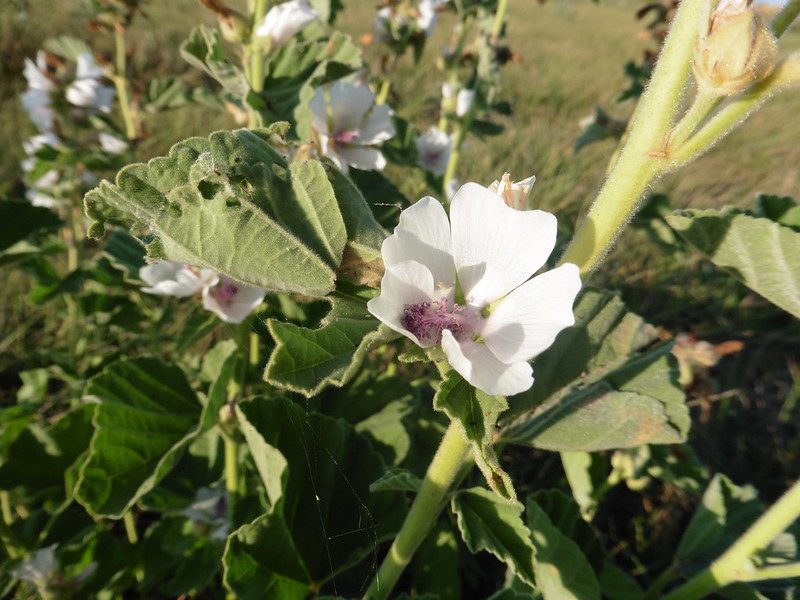
Marshmallow Root (Althaea officinalis)
Marshmallow (again, the plant, not the candy) is a well-regarded herb in traditional medicine, valued for its soothing properties. It is a perennial herb native to Europe, Western Asia, and North Africa and it grows in damp environments like marshes and meadows. The plant features soft, velvety leaves, pale pink or white flowers, and a robust root system. The root is thick, fleshy, and brown on the outside, while the inside is a white color. Its mucilaginous nature is key to its medicinal utility, as well as its history in confectionery projects.
The root of Althaea officinalis is primarily used for medicinal purposes due to its high mucilage content. Mucilage is a gelatinous substance that provides demulcent and emollient properties, which help form a protective layer on mucous membranes. This makes marshmallow root effective in soothing irritation and inflammation. This property can effectively soothe sore throats and suppress dry coughs by reducing irritation. While not a decongestant per se, the soothing nature of marshmallow root helps reduce irritation in the nasal passages, making it easier to manage congestion.
“The root contains up to 35 percent mucilage, which forms a soothing gel that coats, cools, and moisturizes wounded, inflamed tissue. Its anti-inflammatory properties also make marshmallow useful as a mouthwash.”
Steep dried marshmallow root in cold water for several hours or overnight (a process called cold infusion) to extract the mucilage properly. Strain and drink this tea to coat the throat and alleviate soreness and dry coughing.
Specific Use Idea: Do you tend to be sensitive to very strong herbs? This is one herb that’s considered a safe “food herb”.
Mullein (Verbascum thapsus)
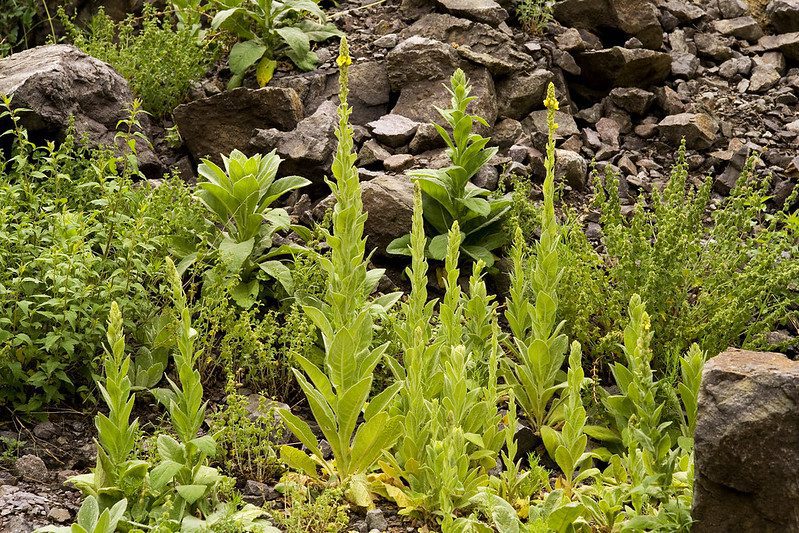
Mullein is a versatile herb that has been used in traditional medicine for centuries. It is especially valued for its ability to alleviate respiratory symptoms associated with colds and flu. It is a biennial plant native to Europe, North Africa, and Asia, but it has also been naturalized in North America. It is easily recognizable by its tall, erect stalk that can reach up to 2 meters in height during its second year of growth. The plant features large, velvety leaves and dense spikes of small, yellow flowers. The leaves and flowers are covered with fine hairs, giving them a soft texture (though they can be irritating to some people’s skin too).
The leaves and flowers of Verbascum thapsus are primarily used for medicinal purposes, though the root has been used medically too. They contain saponins (leaves), mucilage (leaves), flavonoids, and glycosides, which contribute to their therapeutic effects. The saponins help loosen mucus, while the mucilage soothes irritated tissues, making mullein an effective remedy for respiratory issues and other painful conditions.
Mullein is renowned for its expectorant properties, which help clear mucus from the lungs and airways. This makes it particularly beneficial for treating coughs and congestion. Mullein’s anti-inflammatory properties can help reduce swelling in the respiratory tract, alleviating discomfort associated with colds and flu. This plant is commonly prepared as a tea (specifically an infusion). The flowers can be infused into oil to use for ear drops.
To quote A Modern Herbal by Mrs. M. Grieve, we also get a glimpse at its historical use:
“The dried leaves are sometimes smoked in an ordinary tobacco pipe to relieve the irritation of the respiratory mucus membranes, and will completely control, it is said, the hacking cough of consumption. They can be employed with equal benefit when made into cigarettes, for asthma and spasmodic coughs in general.”
Specific Use Idea: Mullein is good for both dry and wet coughs.
Elderberry (Sambucus nigra)
Elderberry has been used in traditional medicine for centuries, especially for treating colds and flu. Its rich antioxidant and antiviral properties make it a valuable ally during the cold and flu season. This chapter explores the benefits of elderberry, detailing its applications and methods of use.
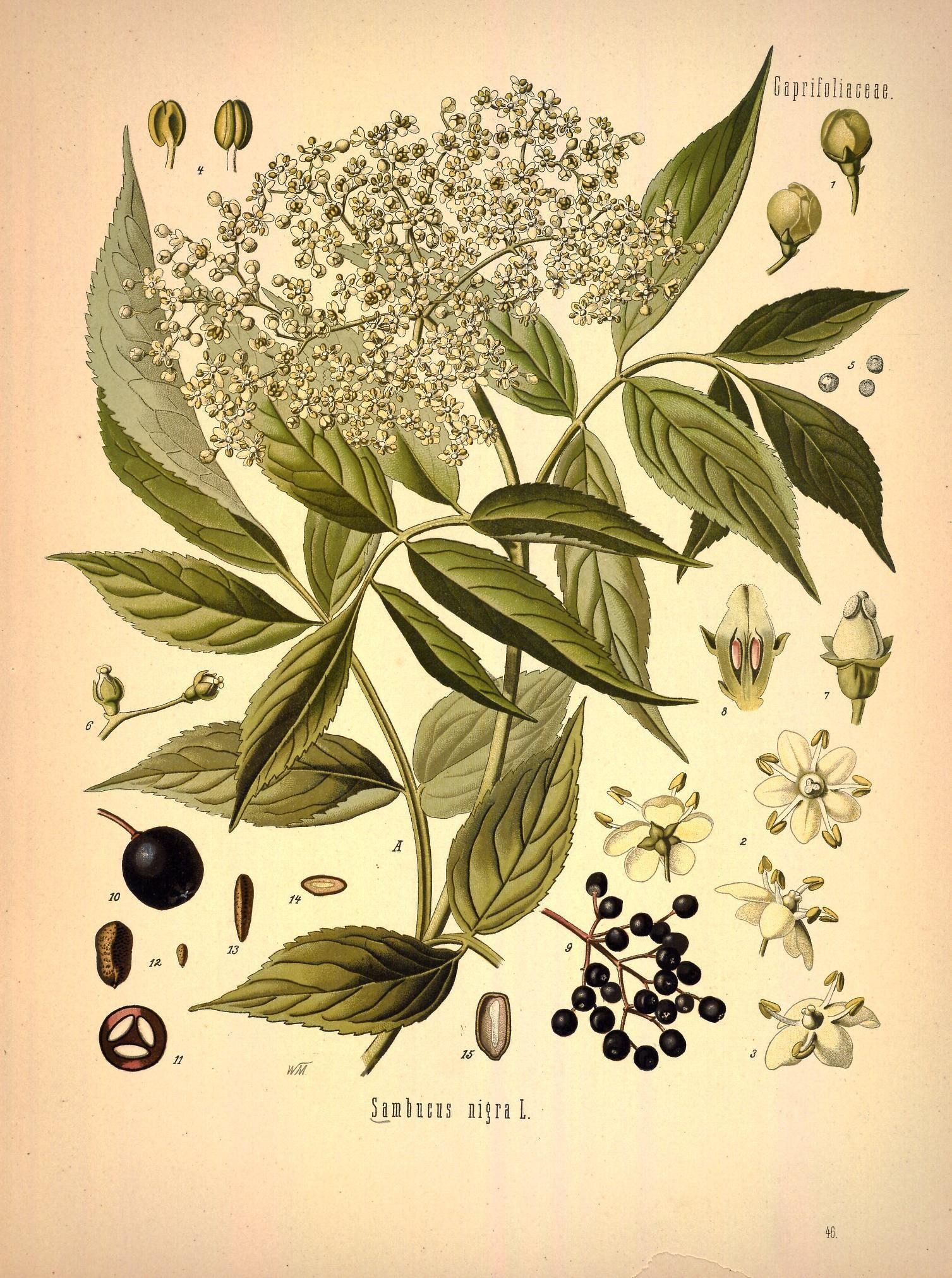
Elderberry is a deciduous shrub native to Europe, Northern Africa, and parts of Asia, though it is now cultivated in many parts of the world and grows wild in many places in America as well. The plant is characterized by its compound leaves, creamy white flowers, and clusters of small, dark purple-black berries (not to be confused with other lookalike plants). Elderberry shrubs can sometimes grow quite tall and are often found in woodlands and hedgerows where it grows naturally. Birds love eating the berries.
The primary parts of Sambucus nigra used for medicinal purposes are the berries and flowers. The berries are rich in flavonoids, particularly anthocyanins, which give them their deep color and potent antioxidant properties. These compounds are believed to enhance immune function and possess antiviral effects. The flowers also have beneficial properties and are often used for their anti-inflammatory and diaphoretic effects.
Elderberries are known to boost immune function by increasing cytokine production, which helps the body fight off infections more effectively. Elderberries have demonstrated antiviral activity against several strains of influenza viruses. They may block the virus’s ability to replicate, reducing the duration and severity of symptoms.
Prepared elderberry syrup is one of the most popular ways to consume elderberries. It can be taken daily as a preventative measure or more frequently during acute infections, while elderflower tea is also helpful for lowering fevers and soothing inflammation in the respiratory tract.
While elderberry products are generally safe when properly prepared, raw berries, leaves, bark, and roots contain toxic compounds that can cause nausea or vomiting if ingested. Always use cooked elderberries.
Specific Use Idea: Have children who don’t like bitter herbal remedies? Elderberry syrup is something for picky children AND adults. Make your own by using this convenient elderberry syrup kit.
Sage (Salvia officinalis)
Sage has been revered in traditional medicine for its versatile therapeutic properties. Known for its aromatic leaves and potent medicinal benefits, sage is particularly effective in treating symptoms associated with colds and flu.
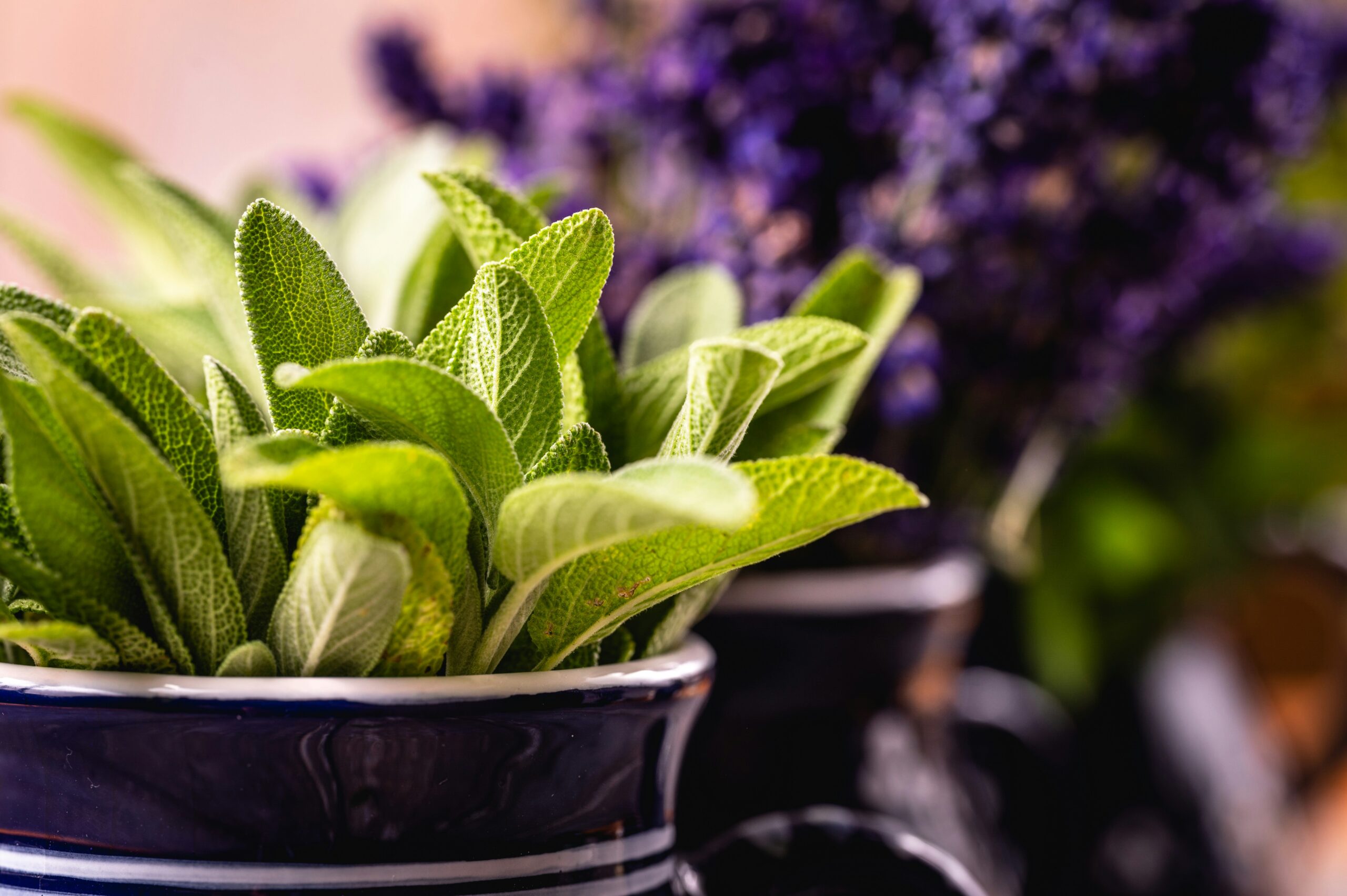
Sage is perennial, evergreen shrub native to the Mediterranean region, now grown worldwide for both culinary and medicinal purposes. It is a member of the mint family, Lamiaceae. The plant is characterized by its woody stems, grayish-green leaves, and purplish-blue flowers. Sage leaves are oblong and velvety to the touch, releasing a strong, earthy aroma when crushed.
The leaves of the plant are what is used for medicinal purposes. They contain essential oils, flavonoids, phenolic acids, and tannins, which contribute to their antimicrobial, anti-inflammatory, and astringent properties. These active compounds make sage an effective remedy for a variety of cold and flu symptoms. Sage’s astringent and anti-inflammatory properties make it effective in soothing sore throats in particular. It helps reduce inflammation and irritation in the throat, so it is commonly used as a gargle. Sage also possesses antimicrobial properties that can help fight bacteria and viruses responsible for colds and flu, reducing the risk of secondary infections. The anti-inflammatory and antispasmodic properties of sage can help relieve respiratory symptoms such as congestion and coughing.
Specific Use Idea: Dealing with throat issues like laryngitis, tonsillitis, or a plain ol’ sore throat? Try using a sage gargle.
Yarrow (Achillea millefolium)
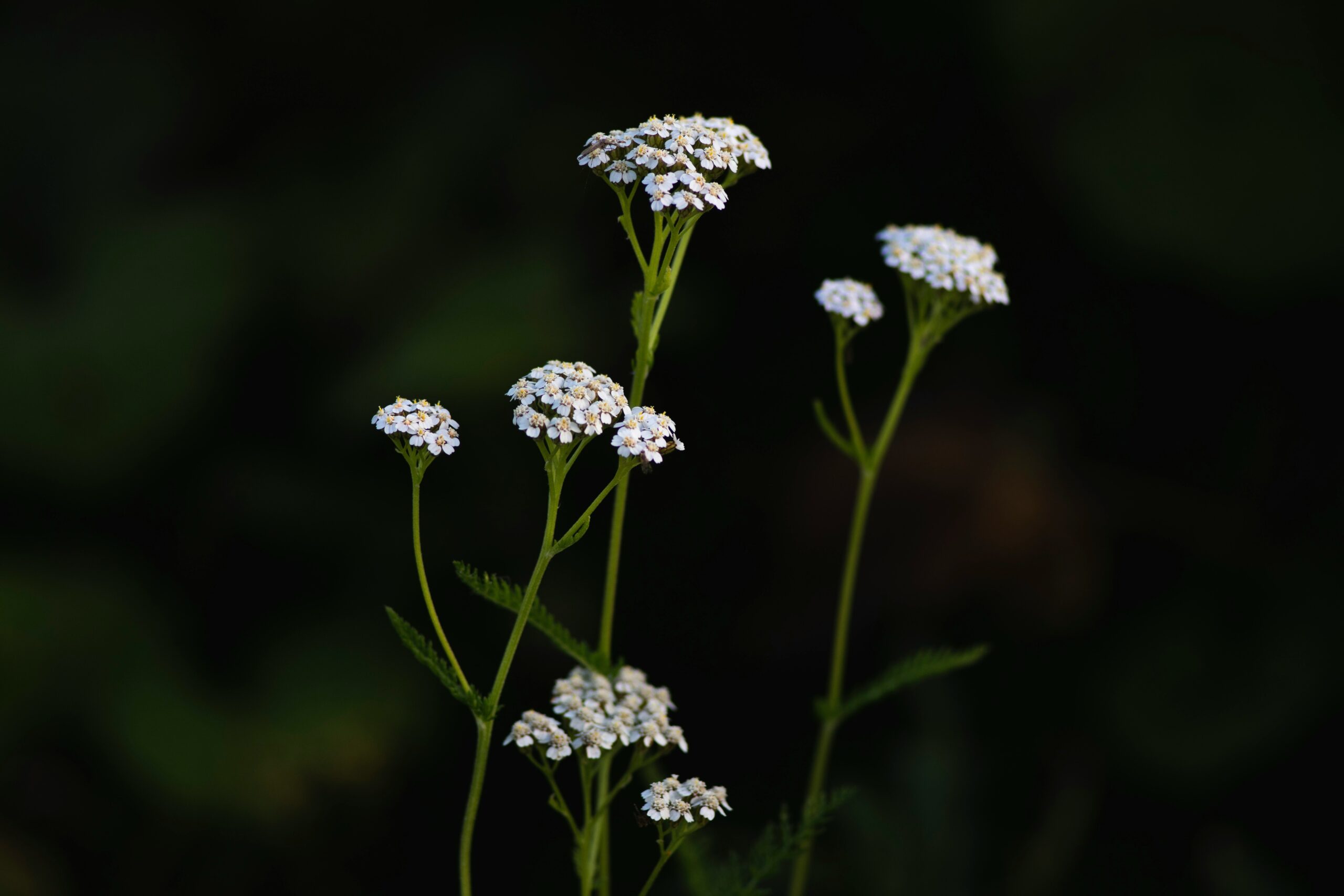
Yarrow is a hardy perennial herb native to temperate regions of the Northern Hemisphere and it commonly grows wild in some areas. It belongs to the Asteraceae family (the same family as daisies and ragweed). The plant is characterized by its feathery, fern-like leaves and clusters of small, white to pink flowers that bloom from spring to fall. Yarrow typically grows up to 3 feet in height and is often found in meadows, grasslands, and along roadsides.
The aerial parts of Achillea millefolium—including the leaves and flowers—are used for medicinal purposes. It has been used historically to quench bleeding from wounds and ulcers. The plant parts also contain various active compounds, such as flavonoids, sesquiterpene lactones, and essential oils, which contribute to its anti-inflammatory, antispasmodic, and diaphoretic properties.
Specific Use Idea: Yarrow promotes sweating, helping to reduce fever naturally by encouraging the body’s cooling mechanisms. Drink a cup of hot tea!
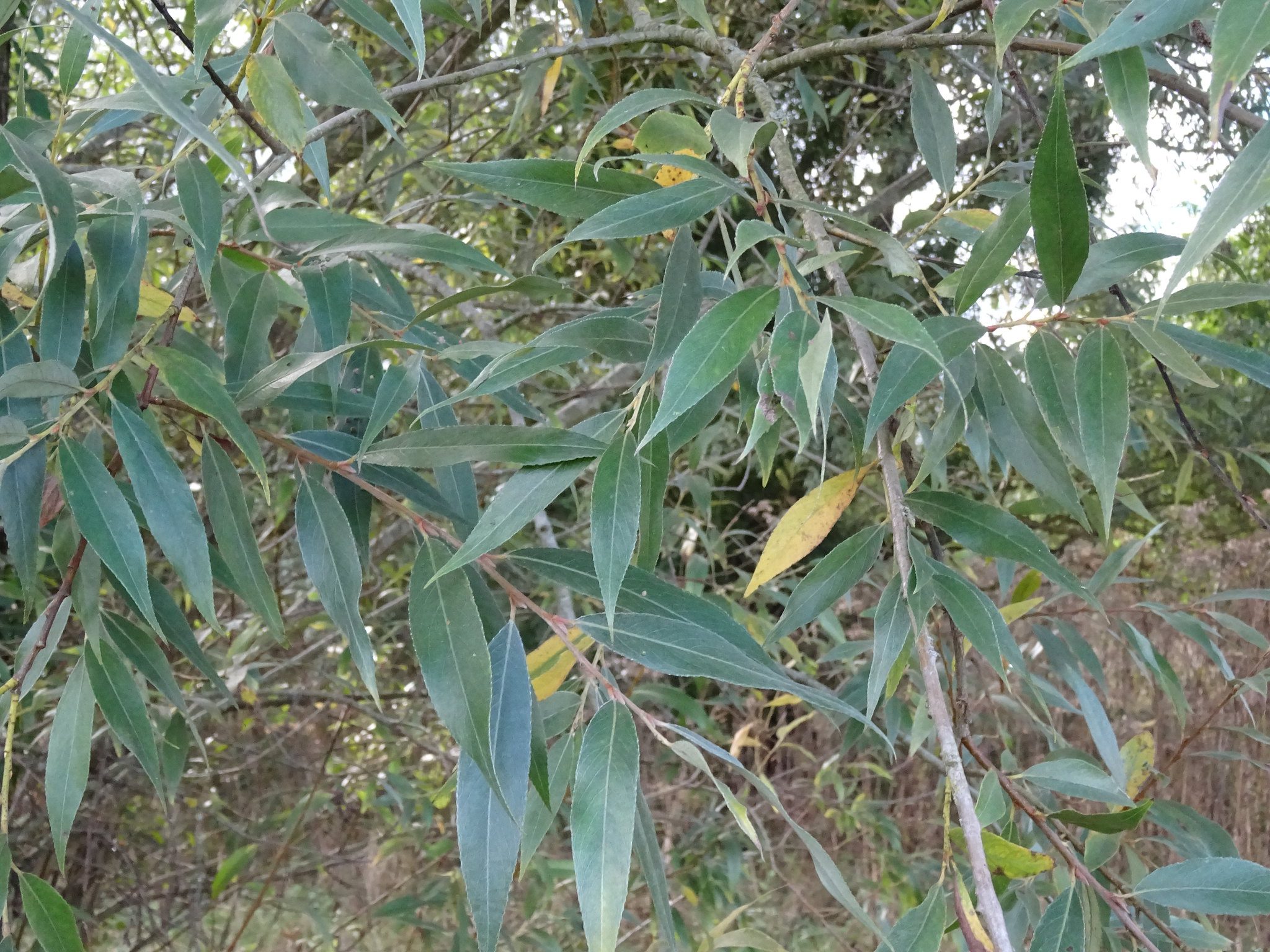
Willow Bark (Salix alba)
Before there was aspirin, we had willow bark! Willow bark is a traditional herbal remedy renowned for its analgesic and anti-inflammatory properties. Willow trees are deciduous, growing in temperate and cold regions across the globe. Salix alba, commonly known as white willow, is most commonly used. It is characterized by its slender, flexible branches, narrow leaves with a silvery underside, and rough, grayish bark. Willow trees can grow quite tall and are often found near bodies of water.
The inner bark of Salix alba is used for medicinal purposes. It contains salicin, a compound that the body converts into salicylic acid, which is responsible for its pain-relieving and anti-inflammatory effects. This makes willow bark an effective natural remedy for various symptoms. Compared to commercial aspirin, it has slower pain-relieving effects but once in place, it lasts longer and doesn’t irritate the digestive tract.
Willow bark is most well-known for its analgesic properties, making it effective in relieving headaches, muscle aches, and body pains often associated with colds and flu. The anti-inflammatory properties of willow bark can help reduce fever by lowering inflammation and promoting overall comfort. Willow bark’s natural anti-inflammatory effects can help reduce inflammation in the respiratory tract, providing relief from sore throats and other irritations.
Specific Use Tip: This is another good herb to use for arthritis. If you’re struggling with pain already that colds/flu just exacerbates, give this herb a try (be careful combining with other drugs/medications).
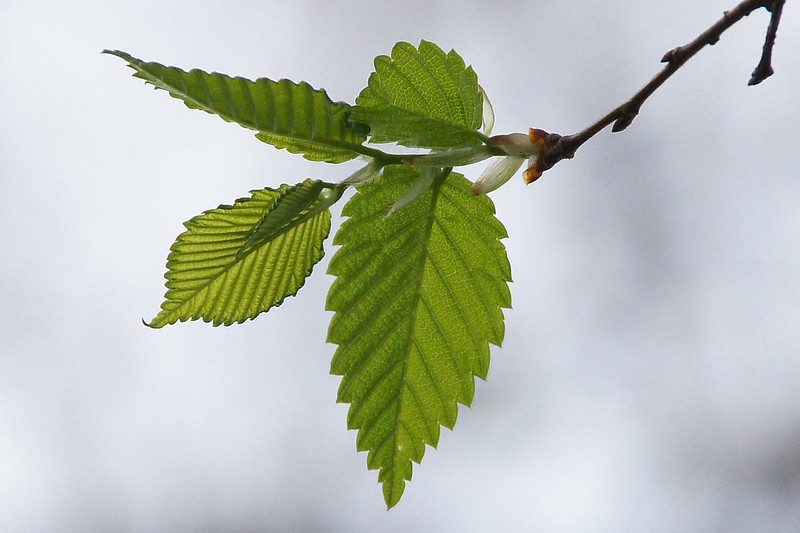
Slippery Elm (Ulmus fulva)
Slippery elm is a revered herb in traditional medicine, especially for its soothing properties. It has been used to treat a variety of ailments, particularly those affecting the respiratory and digestive systems.
Slippery elm is a deciduous tree native to North America, commonly found in moist forests and along stream banks. The tree is characterized by its rough, furrowed bark, which is reddish-brown on the exterior. Its leaves are large, ovate, and have a sandpapery texture on the top surface.
The inner bark is what is used for medicinal purposes. It is rich in mucilage, a gelatinous substance that provides demulcent properties. This mucilage forms a protective layer on mucous membranes, helping to soothe irritation and inflammation, making slippery elm particularly effective for treating symptoms related to colds and flu. Slippery elm’s mucilage content makes it an excellent remedy for soothing sore throats by coating the throat and reducing irritation. It is commonly made into lozenges and tea. The demulcent properties of slippery elm help suppress coughs by soothing the mucous membranes in the respiratory tract. It is also useful for digestive and urinary system irritation.
Specific Use Tip: You can make slippery elm gruel similar to cream of wheat! Since it is considered a safe food herb, anyone can enjoy it.

Oregano (Origanum vulgare)
Oregano is a potent herb commonly known for its culinary uses. It is a perennial herb native to the Mediterranean region but is now cultivated worldwide. It belongs to the mint family, Lamiaceae. The plant is characterized by its bushy appearance, with small, oval-shaped leaves and clusters of tiny purple or white flowers. Oregano’s leaves are aromatic and slightly fuzzy, releasing a robust, spicy fragrance when crushed.
The leaves of oregano are used for medicinal purposes. They contain high concentrations of essential oils, notably carvacrol and thymol, which contribute to oregano’s strong antimicrobial, antiviral, antifungal, and anti-inflammatory properties. These compounds make oregano an effective remedy for various cold and flu symptoms. This is what makes oregano oil, though strong, a common remedy these days.
The expectorant properties of oregano can help clear mucus from the lungs and airways, alleviating symptoms like congestion and coughs. Oregano can enhance immune function due to its antioxidant properties, helping the body resist infections more effectively.
Specific Use Idea: Got sickness in your household? Go make some dinner with oregano sprinkled liberally into the food along with other herbs! Yummy, plus it’s good for the respiratory system.
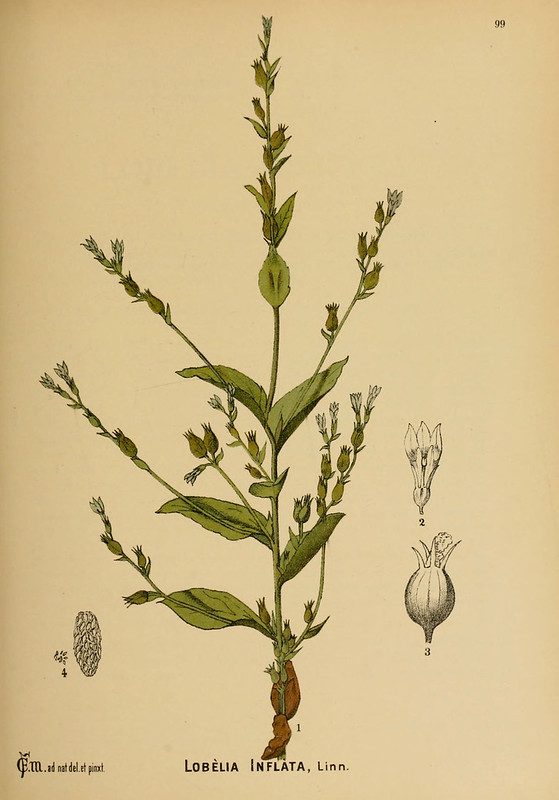
Lobelia (Lobelia inflata)
Lobelia is a potent herb traditionally used to address respiratory issues. Often referred to as Indian tobacco, it has a long history in herbal medicine for its ability to support lung health and alleviate symptoms associated with respiratory infections.
Lobelia is an annual or biennial plant native to North America. It is commonly found in fields and open spaces. The plant features branching stems, light green leaves, and small pale violet-blue flowers. The inflated seed pods are a distinctive characteristic, giving rise to its name inflata.
The aerial parts of Lobelia inflata, including the leaves, flowers, and seeds, are used for medicinal purposes. These parts contain several alkaloids, with lobeline being the most notable. Lobeline is thought to have bronchodilator and expectorant effects, making lobelia particularly effective for respiratory conditions. As a result, lobelia is known for its bronchodilator properties, which can help relax the airways and make breathing easier during respiratory infections. The anti-inflammatory properties of lobelia can help soothe irritated tissues in the respiratory system, reducing symptoms like sore throats and coughs.
One note: Lobelia is commonly used in small doses, since it is considered a more potent herb that comes with cautions. It is important to follow dosage recommendations carefully, as high doses can cause adverse effects such as nausea or vomiting.
Dr. Marisa Marciano, ND, has some good information on this herb at her website.
“Pharmacology: Piperidine alkaloids (lobeline) shares a structural similarity with nicotine, and thus binds to nicotinic acid receptors and exerts many of the same effects to a lesser degree (is 1/20 -1/5 as potent as nicotine). The alkaloids in Lobelia exert paradoxical effects. Lobeline is a powerful respiratory stimulant by stimulating the respiratory centers and exerts this effect even in relatively small doses. Isolobeline is an emetic and respiratory relaxant (relaxes smooth muscle) that most powerfully exerts its action at higher doses. The combined action of both of these alkaloids makes Lobelia a stimulating relaxant. The net effect in the lungs will be a promotion of mucous secretion, expectoration and a reduction in bronchial spasm.
Pharmacy: Infusion: 1/4-1/2 tsp dried leaves/ cup water; 1 cup TID. Tincture (1:5, 60%) fresh or (1:8, 60%) dried, 0.5 ml TID.
Toxicity: Burning esophagus, salivation, N/V, weakness, stupor, tremors, paralysis, tachypnea, hypothermia, rapid pulse, pinpoint pupils, unconsciousness, convulsions, coma, exhaustion, sweating, prostration, miosis, death. The toxic dose is variable and some individuals are sensitive to the therapeutic dose with vomiting.”
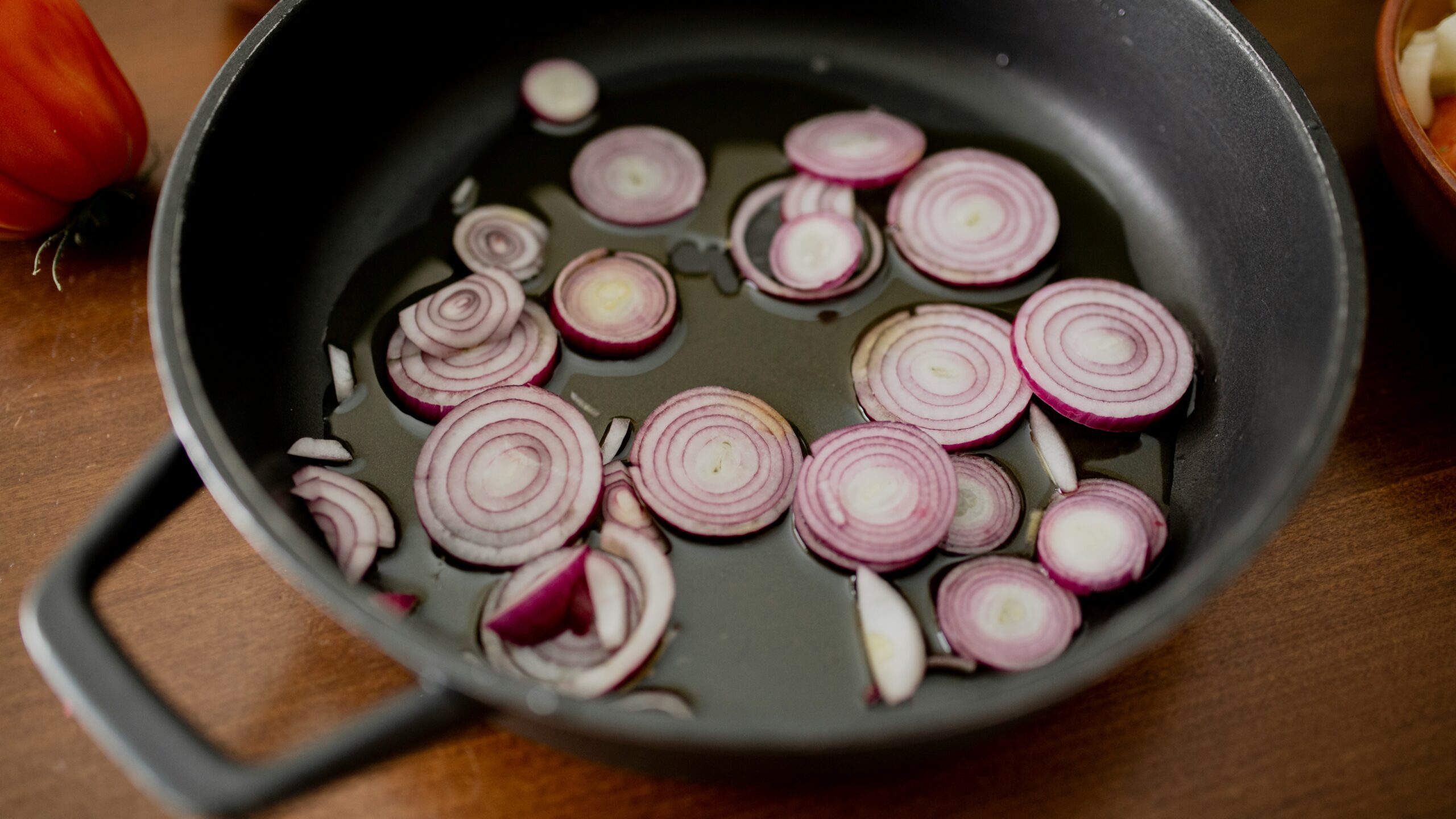
Onion (Allium cepa)
Onion is not only a staple in kitchens worldwide but also a traditional remedy in herbal medicine. Known for its antimicrobial and anti-inflammatory properties, onion has been used to alleviate symptoms of colds and flu.
The onion is a biennial plant in the Allium family, which also includes garlic, leeks, and chives. It is characterized by its bulbous shape, papery outer skin, and layered flesh. Onions are cultivated worldwide and come in various varieties, including red, yellow, and white onions. They are readily available at grocery stores and farmer’s markets, which makes them a great addition to your wintertime medicine chest–you can find them anywhere!
The bulb of Allium cepa is primarily used for medicinal purposes. It contains numerous beneficial compounds, including quercetin, sulfur compounds, and vitamins C and B6. These components contribute to its antioxidant, antimicrobial, and anti-inflammatory properties, making onions effective in treating various cold and flu symptoms. Onions also contain sulfur compounds that have antibacterial, anti-inflammatory, and other properties. You can turn onions in homemade syrups and eat them in your food.
Specific Use Idea: Sautee a large pan full of sliced onions in a little olive oil. This is a great way to feed your family more onions when they’re sick, without it feeling like medicine.
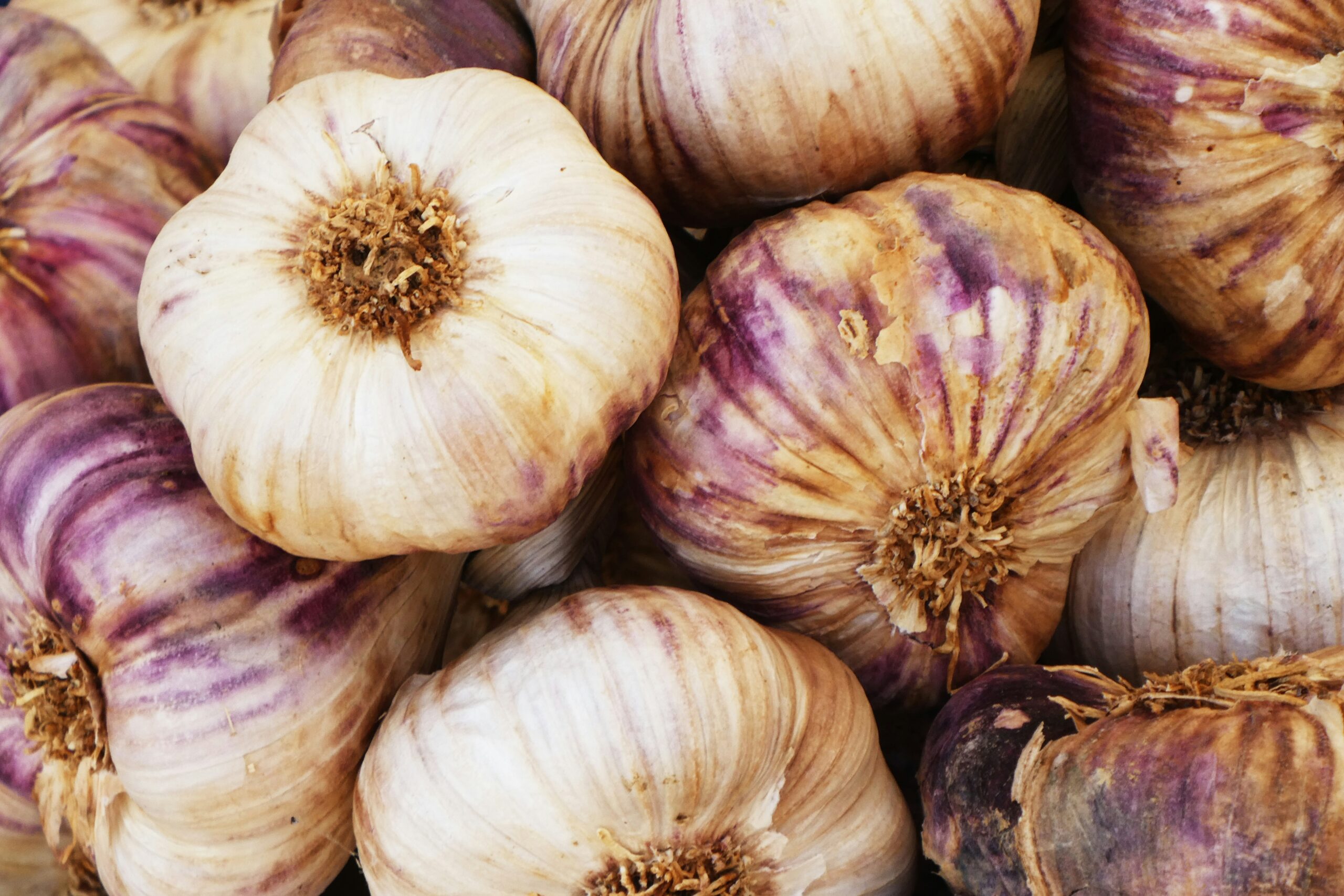
Garlic (Allium sativum)
Garlic is a perennial plant in the Allium family, related to onions, leeks, and chives. Native to Central Asia, it is now cultivated globally. The plant features a tall, flowering stalk with an umbel of small, white or pink flowers. Its most distinctive part is the bulb, which consists of multiple cloves covered in a papery skin. The pungent aroma and flavor of garlic are due to its sulfur-containing compounds. Allicin and related sulfur compounds provide garlic with its potent antimicrobial, antiviral, and anti-inflammatory properties.
Garlic exhibits strong antimicrobial and antiviral effects, making it effective in fighting the pathogens responsible for colds and flu. It is especially potent when used raw–crush or chop fresh cloves and let them sit for a few minutes to activate allicin.
Garlic also enhances immune function by stimulating the activity of immune cells, helping the body fend off infections more effectively. It can also help alleviate respiratory symptoms by thinning mucus and making it easier to expel from the airways. As a side note, it is also a blood thinning herb.
Specific Use Idea: Great herb for someone with allergic asthma with a dry spastic cough.

Cinnamon (Cinnamomum verum or Cinnamomum cassia)
Cinnamon is derived from the inner bark of trees belonging to the Cinnamomum genus, primarily Cinnamomum verum (true cinnamon or Ceylon cinnamon) and Cinnamomum cassia (Cassia or Chinese cinnamon). These evergreen trees are native to Sri Lanka, India, and Southeast Asia. The bark is harvested, dried, and rolled into sticks or ground into powder. Cinnamon is characterized by its sweet, woody fragrance and spicy-sweet flavor, commonly found in treats like cinnamon rolls, apple pie, pumpkin bread, and more.
The bark of the cinnamon tree is used for medicinal purposes too. It contains essential oils, cinnamaldehyde, and various polyphenols, which contribute to its antioxidant, anti-inflammatory, and antimicrobial properties. Cinnamon’s essential oils possess strong antimicrobial effects. The warming nature of cinnamon can help alleviate respiratory symptoms by promoting circulation and easing congestion. It is also a smooth muscle relaxant, especially for the digestive system.
Specific Use Idea: Feeling a little tummy upset with your cold/flu bug? Might be time to give a bit of cinnamon tea a try.
How to Use Herbal Remedies
In general, there are several different ways to use herbal remedies. Here are the three most common ways:
- Tea – There are two types of teas, generally speaking: Infusions and decoctions.
- Infusions – Heat water to boiling. Add plant material to hot water. Cover container and steep off the heat. Strain & drink.
- Decoctions – Put plant material in water and bring to a boil in a covered container. Steep. Strain & drink.
- Tip for All Teas – Loose leaf tea is better than tea bags, since tea bags are typically not as fresh or high-quality herbs and the material used to make the bags may also contain toxins.
- Inhalation – Add essential oils or plant material to hot water to use as a steam inhalation for aromatic plants.
- Tinctures/Extracts – Tinctures/extracts are plants that have been soaked in alcohol or glycerin to extract their medicinal properties and make them readily accessible as a medicine using a dropper bottle. You can make your own or buy them. Here’s a good tutorial from The Herbal Academy on making your own tinctures.
How Much of Each Herb to Use for Colds & Flu?
Herbal dosage is a common question. You can find information for dosages at these websites:
How to Make Your Own Herbal Blend for Colds & Flu
Creating your own herbal blend for medicinal purposes involves careful consideration of the herbs’ properties and the desired therapeutic effect. Below is a general formula to guide you in making a balanced herbal blend.
Formula for Creating an Herbal Blend
- Primary Herbs (40-70%): Choose one or two herbs that directly address the main concern. These should be the primary focus of your blend.
- Supporting Herbs (20-40%): Select herbs that complement the primary herbs by enhancing their effects or providing additional benefits.
- Balancing Herbs (10-20%): Include herbs that improve taste, balance the blend, or mitigate any potential side effects.
One common approach is 3 parts primary herb, 2 parts supporting herb, and 1 part balancing herb.
Want to Learn More
Herbalism is a fascinating field, one that requires a lot more study and research than even this article can do. We have only scratched the surface of the chemical constituents and medicinal actions of these plants!
That’s why we put together this page full of herbal resources, so you can dive deeper into the resources to learn more.