Disclosure: Seeds for Generations is a part of Amazon Services LLC Associates Program, as well as other affiliate and/or referral programs. If you purchase or opt-in after clicking on these links, at no additional cost to you, we may receive a small commission for making you aware of these important resources.
Weeding is one of the most time-consuming and difficult chores for home gardeners. What gardener hasn’t experienced the backbreaking day of swinging the hoe or yanking at deep roots? (Can’t you feel those muscles screaming now?) And worse yet, it has to be done repeatedly or it gets out of control in a matter of days.
While you might not be fighting the weeds quite yet, the beginning in the season is the best time to think about how you’re going to control the weeds throughout the rest of the year. With a few smart strategies, you can drastically reduce the effort and frustration involved in keeping your beds tidy and your crops thriving.
Here are several practical ways to make weeding easier in your garden:
#1: Use Solarization to Kill Weeds Before Planting
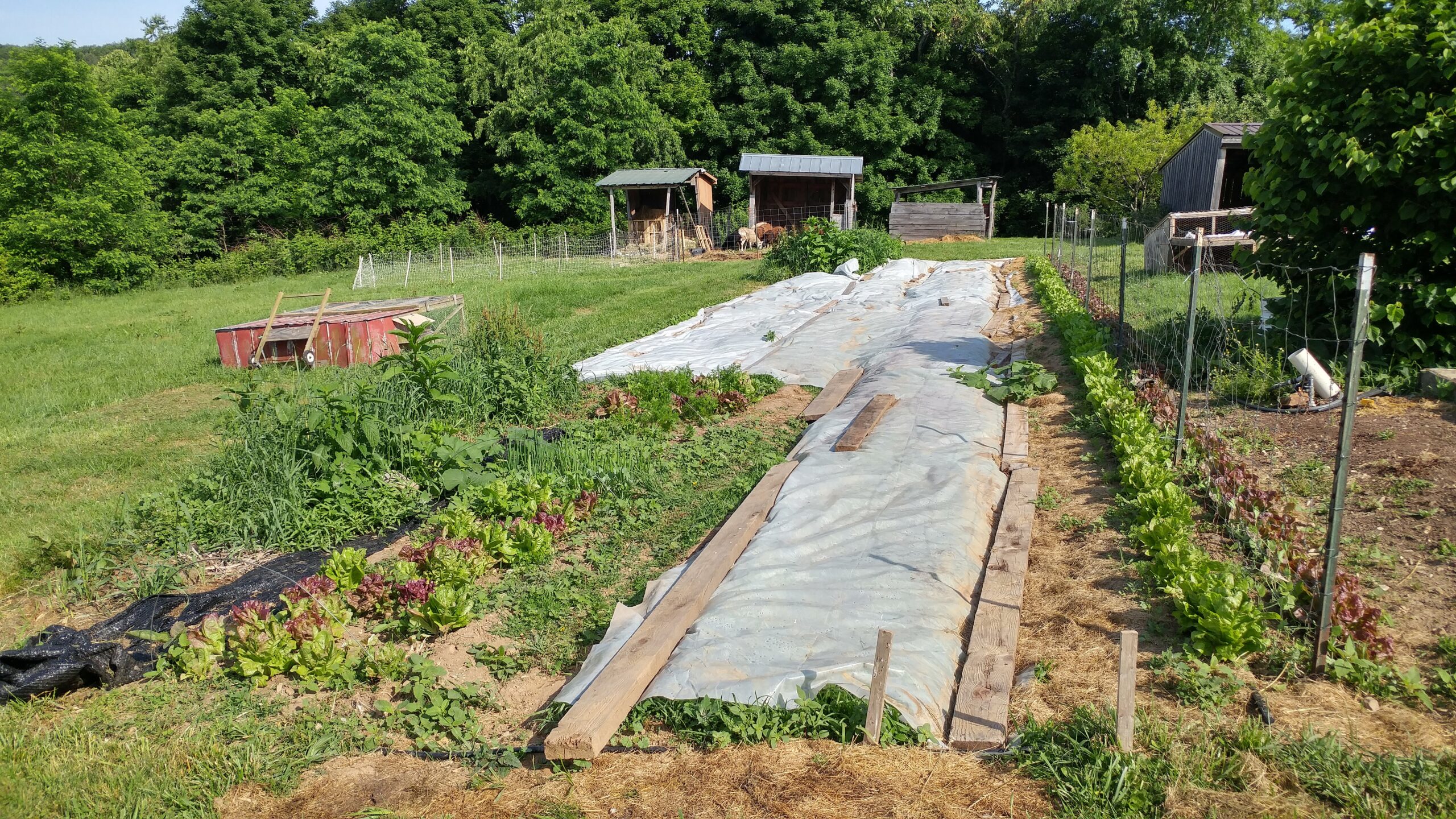
Solarization is a simple, natural method that uses the sun’s heat to sterilize soil and reduce weed seeds. It works especially well for plots you plan to use the following year, since it does take some time to work.
During the hottest months 6 weeks either side of the summer solstice, cover your prepared garden beds with clear plastic sheeting tightly secured to the ground. The trapped heat raises soil temperatures high enough to kill many weed seeds and soil-borne pests. This process typically takes 4-6 weeks in full sun. Solarization reduces the weed seed bank, meaning fewer weeds sprout once you start planting afterwards, usually the following growing season. You can use occultation – the same process but using black plastic to germinate and smother weeds – during the rest of the gardening season when the sun is not strong enough for solarization to work well.
#2: Apply Lots of Mulch
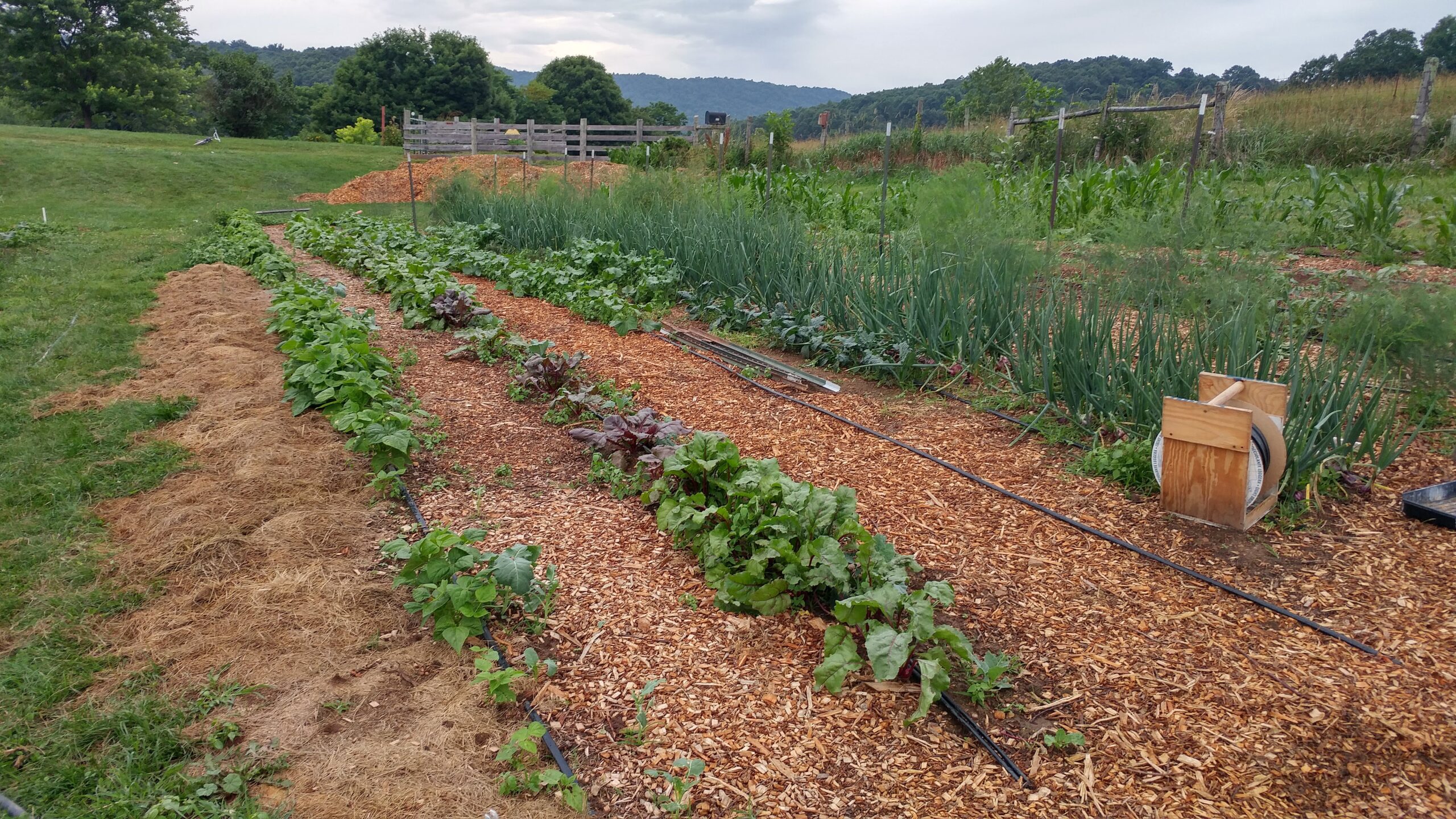
Mulching is one of the best accessible defenses against weeds. A 2-4″, thick layer of organic mulch—such as wood chips, straw, or leaves—blocks sunlight from reaching weed seeds, preventing them from germinating. Mulch also conserves moisture and adds organic matter as it breaks down, improving soil health over time, so it is truly a win-win.
Be careful to use quality mulch without added chemicals or ingredients. It should be something you feel comfortable using around food you eat, from a source you trust. Don’t use black walnut mulch either, since black walnuts contain a naturally produced toxin called juglone that prevents other plants from growing around the trees. In addition, straw and hay can be contaminated with broadleaf herbicides, some of which don’t break down very quickly in the soil and can actually destroy your ability to grow any plants in a space for even years in the future!
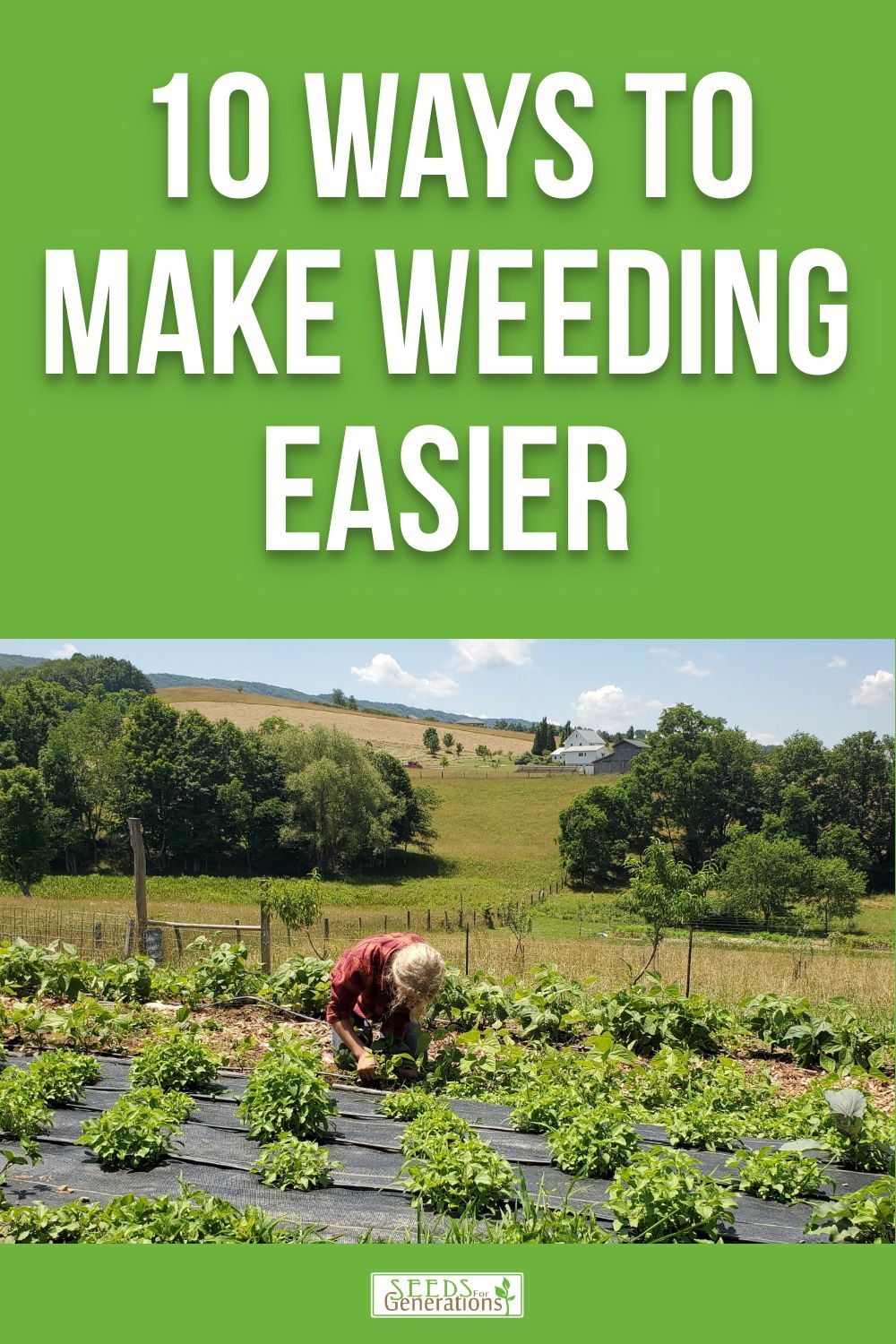
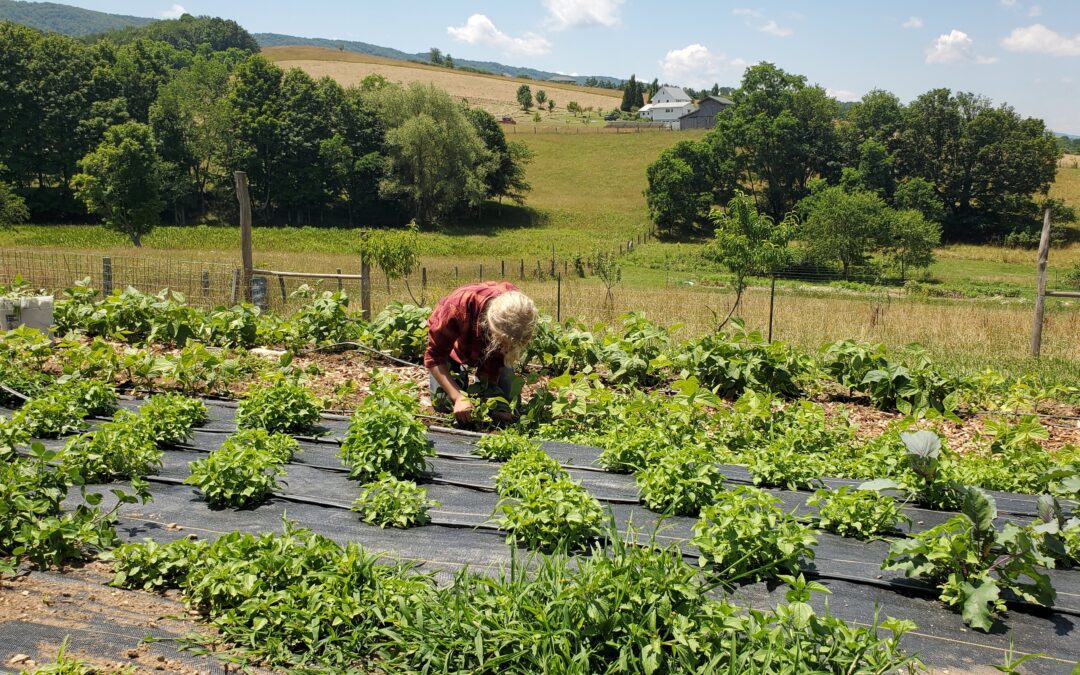
Black landscape fabric is a synthetic mulch alternative that is designed to hold back the weeds and let you plant your crops in holes in the fabric. It put int place using metal landscape pins you push into the ground over the fabric. Holes can be cut or burned into the material for planting. We’ve also used cardboard in a similar manner, which can be topped with mulch as well.
#3: Practice No-Till or Reduced Tillage
Disturbing soil too often brings buried weed seeds to the surface where they can germinate. By minimizing tillage, you reduce this “seed awakening.” No-till gardening also supports soil structure and beneficial organisms. Instead of digging or turning beds every season, consider layering compost and mulch on top and planting directly into this enriched surface.
#4: Plant Dense, Competitive Crops
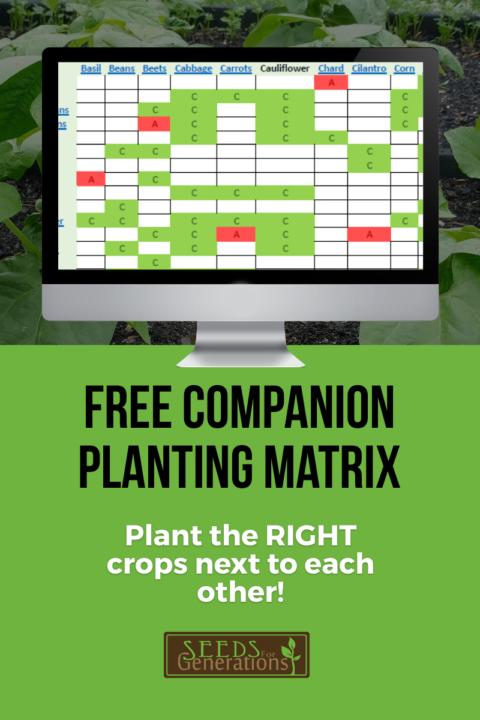
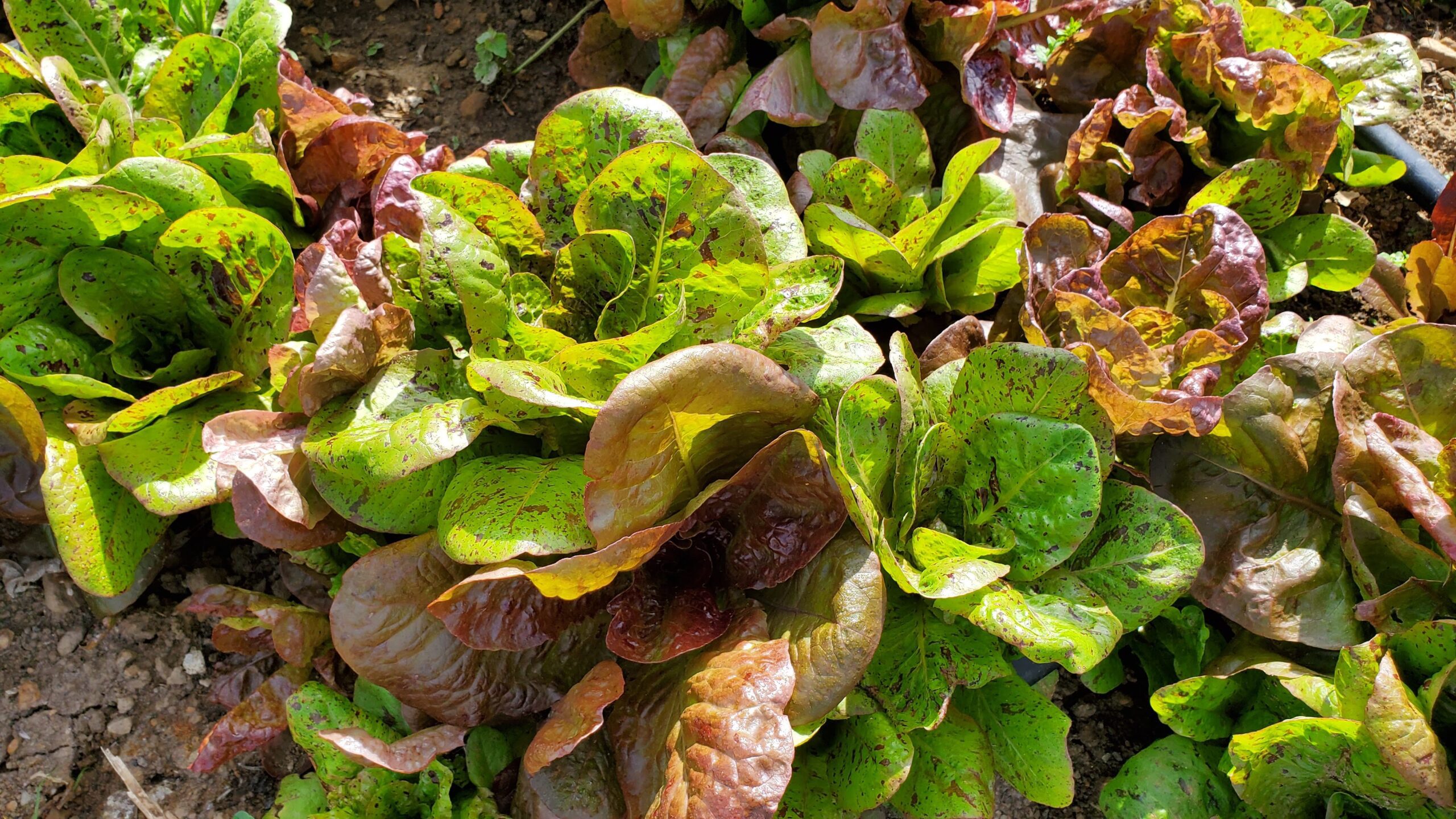
One of nature’s best weed controls is planting densely so crops shade the ground and leave little room for weeds. Use companion planting or cover crops that grow quickly and form a living mulch. You can interplant crops that grow well together to reduce the amount of bare ground, which is especially prone to weed growth.
This is also useful for after the main growing season is over. Peas, clover, and rye grass are some common cover crop options that some gardeners use in the off-season to build soil health while also preventing weeds from taking hold.
#5: Use Good Hand Tools Like a Hoe or Hand Rake for Weeding
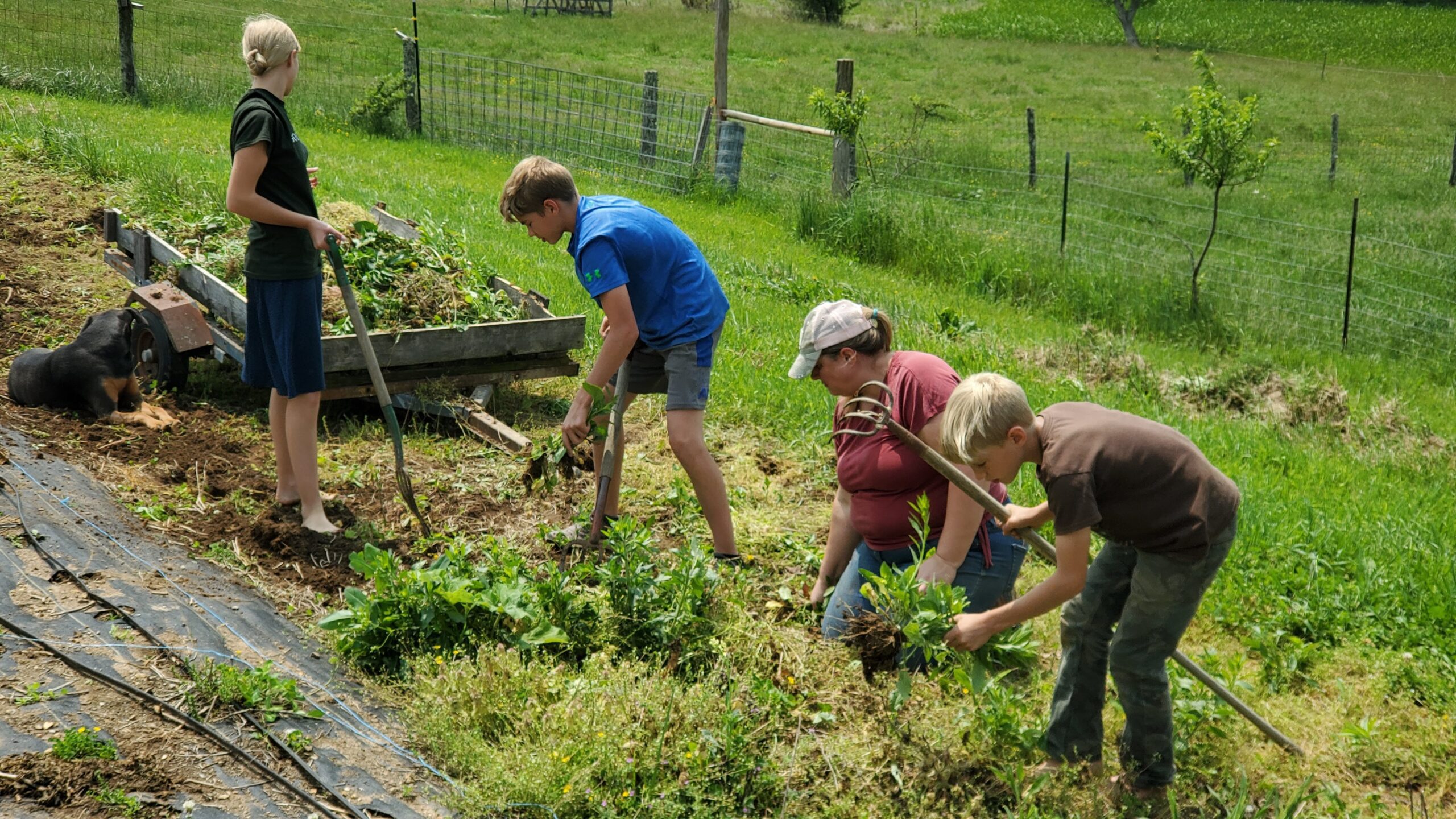
For targeted weeding, a sharp hand tool such as a good hoe or hand rake makes quick work of small weeds with minimal soil disturbance. These tools allow you to chop weeds at the root level efficiently without flipping soil and bringing up new seeds. This is especially good for catching those big weeds that come up in the garden before they get too large to remove without a lot of work too.
#6: Remove Weeds Before They Set Seed
The best time to control weeds is BEFORE they produce seeds. Regularly inspect your garden and pull or cut weeds early in their growth stage. Preventing seed production stops new weed problems before they start and keeps your garden cleaner year after year.
#7: Water Strategically to Favor Crops Over Weeds
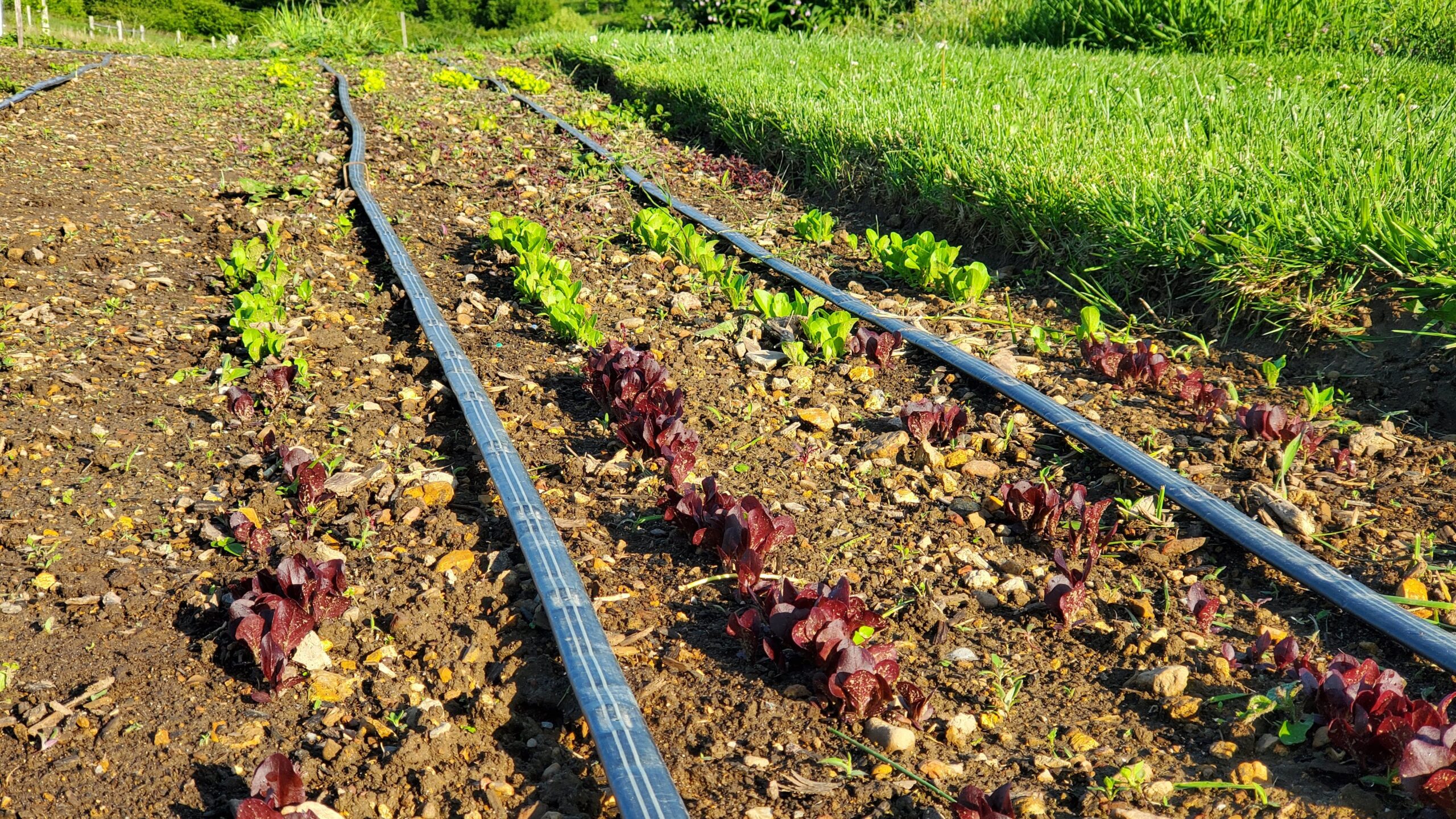
Weeds often thrive in moist conditions just like your crops, but you can control them by watering precisely where your plants need it most. Drip irrigation delivers water directly to crop roots while leaving surrounding soil drier, making it harder for weed seeds to germinate. The broader you water, the more weeds will thrive. Mulch, again, also helps plants retain moisture longer.
#8: Create Permanent Beds or Paths
Defining permanent growing beds and paths reduces how often you disturb soil in those areas. When you walk only on paths and avoid stepping into beds, you compact less soil and reduce opportunities for weed seed exposure and spread. Using materials like wood chips or gravel on paths also suppresses weeds in walking areas.
#9: Use Flame Weeding in Organic Gardens
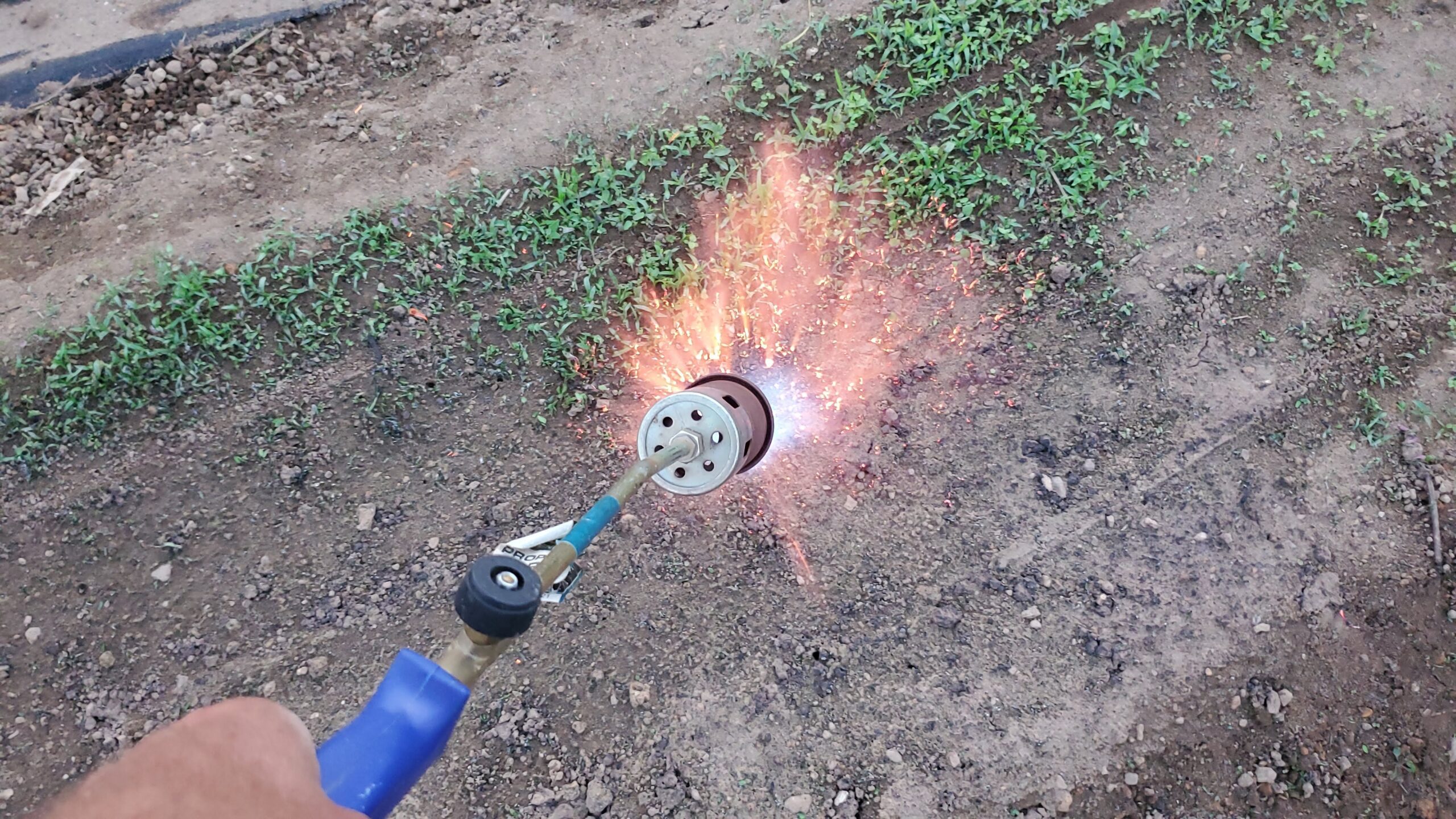
Flame weeding is a chemical-free way to kill small weeds by briefly exposing them to intense heat. Using a handheld propane torch carefully over young weeds causes their cells to burst without harming soil life or nearby plants if done correctly. It’s especially handy for eliminating weed competition for slow germinating seeds like carrots – just flame weed a day or two before the emergence of your crop to kill the faster-germinating weeds before your carrots or other crops emerge. And be honest: Doesn’t it sound fun? 😉
#10: Build Healthy Soil with Organic Matter
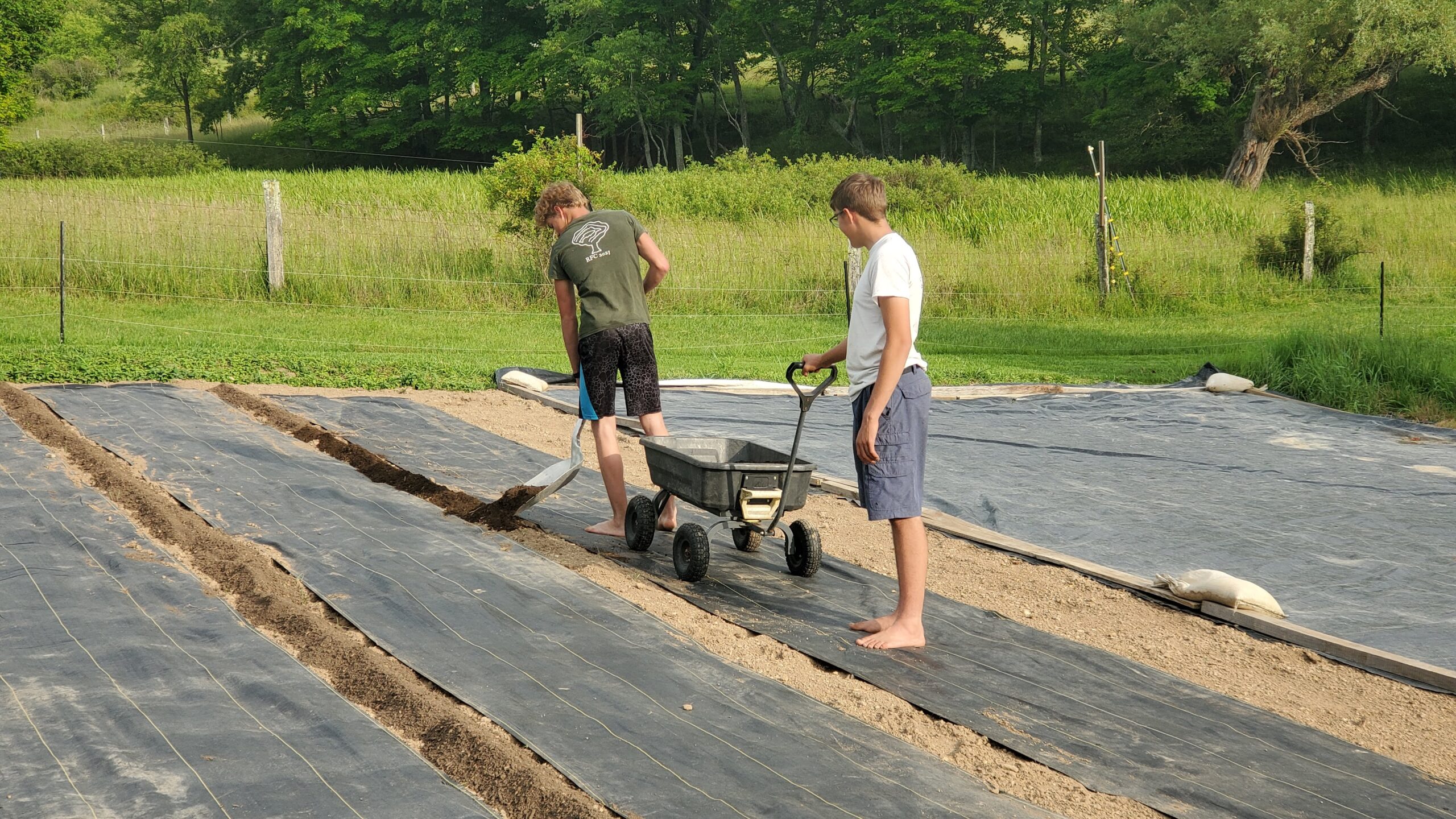
Healthy soil produces strong, vigorous crops that naturally compete better with weeds. Regularly adding homemade compost, high-quality mulch, and aged manure builds soil fertility and structure, supporting plants’ growth and resilience. Over time, this reduces the space available for weeds to take hold.
By combining these methods, you can spend less time battling weeds and more time enjoying your garden’s bounty. Happy gardening!