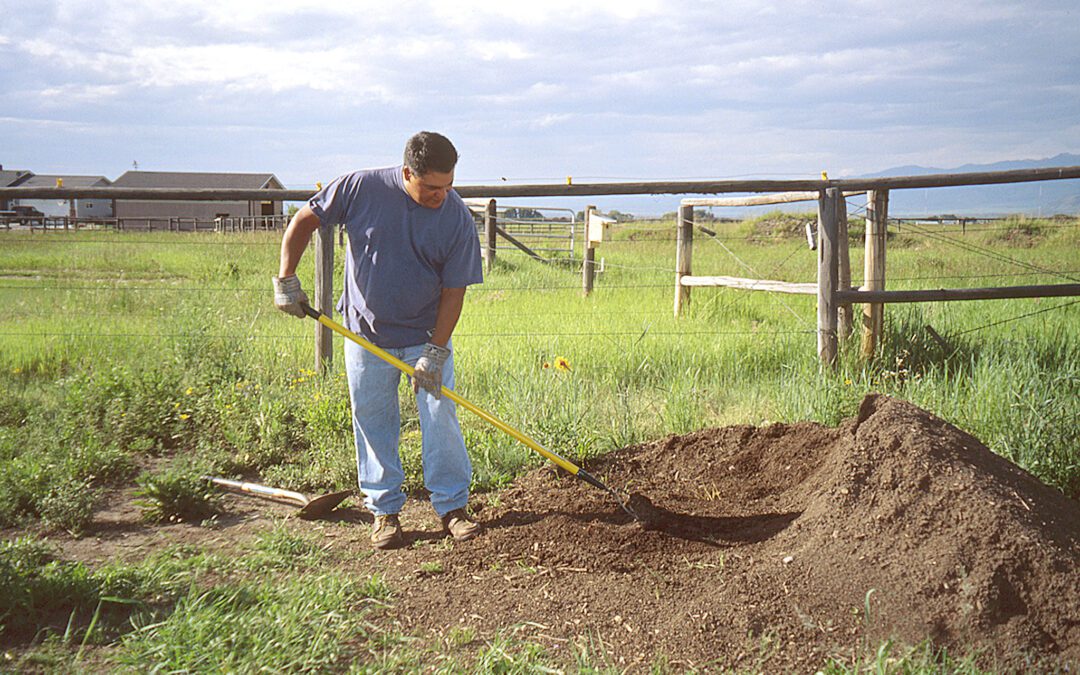
Once upon a time in a small town, there was a dedicated gardener named Clara. She spent countless hours tending to her established vegetable gardens filled to the brim with tomatoes, peppers, and a variety of herbs. Clara was known for her green thumb and often shared the fruits of her labor with her friends and neighbors.
One spring, Clara decided to build her garden’s soil with composted manure from a local farm. Clara, excited about the potential benefits, eagerly applied the compost across her garden beds. However, before long, she noticed something troubling: Her once-healthy plants began to show signs of distress. The leaves of her beans started curling and yellowing, while the peppers looked stunted and weak. Even her herbs, which usually thrived, were wilting and turning brown. Confused and worried, she sought advice from fellow gardeners and researched online.
Clara soon discovered that the composted manure she had used contained persistent residual broadleaf herbicides. These chemicals were effective in killing unwanted weeds on pastureland, yes, but they were also harmful to broadleaf plants, including most garden vegetables. The herbicide residues were consumed in the hay by the horses that had produced the manure that she obtained, and persisted in the manure, even after composting, to negatively affect her plants’ growth.
A devasted Clara realized that she had unknowingly contaminated her entire garden patch with the herbicide. Not only would it damage her plants, but she was now also growing in soil that had been touched by chemicals she wouldn’t dare spray on her food to begin with!
Many gardeners are in the same situation as Clara. They’ve heard manure is good for gardens and yet this one mistake could destroy their future productivity. Don’t let it happen to you! Let’s learn about protecting your garden from persistent broadleaf herbicide in manure.
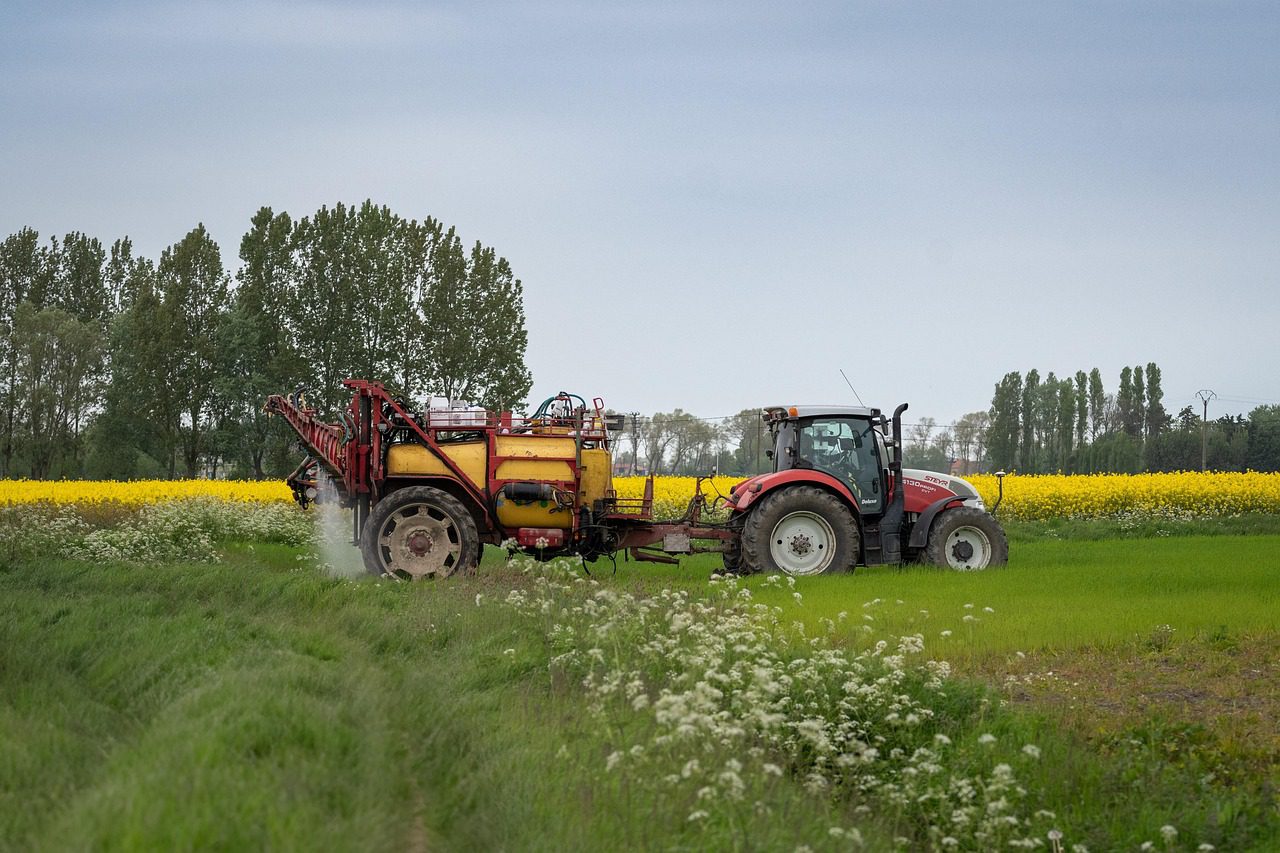
What are Broadleaf Herbicides?
Some of the most common types of broadleaf herbicides include:
1. 2,4-Dichlorophenoxyacetic Acid (2,4-D): One of the most widely used broadleaf herbicides, such as Weed-B-Gon and Killex, targets a variety of broadleaf weeds and is commonly used in lawns, pastures, and agricultural fields.
2. Dicamba: Effective against many broadleaf weeds, dicamba is often found in products like Banvel and Clarity. It can be applied to control weeds in crops and non-crop areas.
3. MCPP (Mecoprop): This herbicide, available in formulations like Triplet and Confront, is used to control a range of broadleaf weeds in turf and ornamental settings and is often found in combination products with other herbicides.
4. Triclopyr: Primarily used for controlling woody plants and broadleaf weeds, triclopyr is commonly applied in forestry and along rights-of-way, with brand names like Garlon and Release.
5. Aminopyralid: A more selective herbicide that targets a wide range of broadleaf weeds while being less harmful to grasses, making it suitable for pasture and rangeland use. Notable products include Milestone and ForeFront.
6. Clopyralid: Used to control certain broadleaf weeds in crops and non-crop areas, clopyralid is particularly effective against weeds like thistles and clover, with brand names such as Stinger and Transline.
7. Fluroxypyr: This herbicide is effective against a variety of broadleaf weeds and is often used in agricultural settings, especially for cereal crops, under brands like Vista and Starane.
8. Picloram: Mostly used for controlling tough broadleaf weeds and woody species, picloram is effective in rangeland and forestry applications, with well-known products like Tordon and Grazon.
How Do Broadleaf Herbicides End Up in Manure?
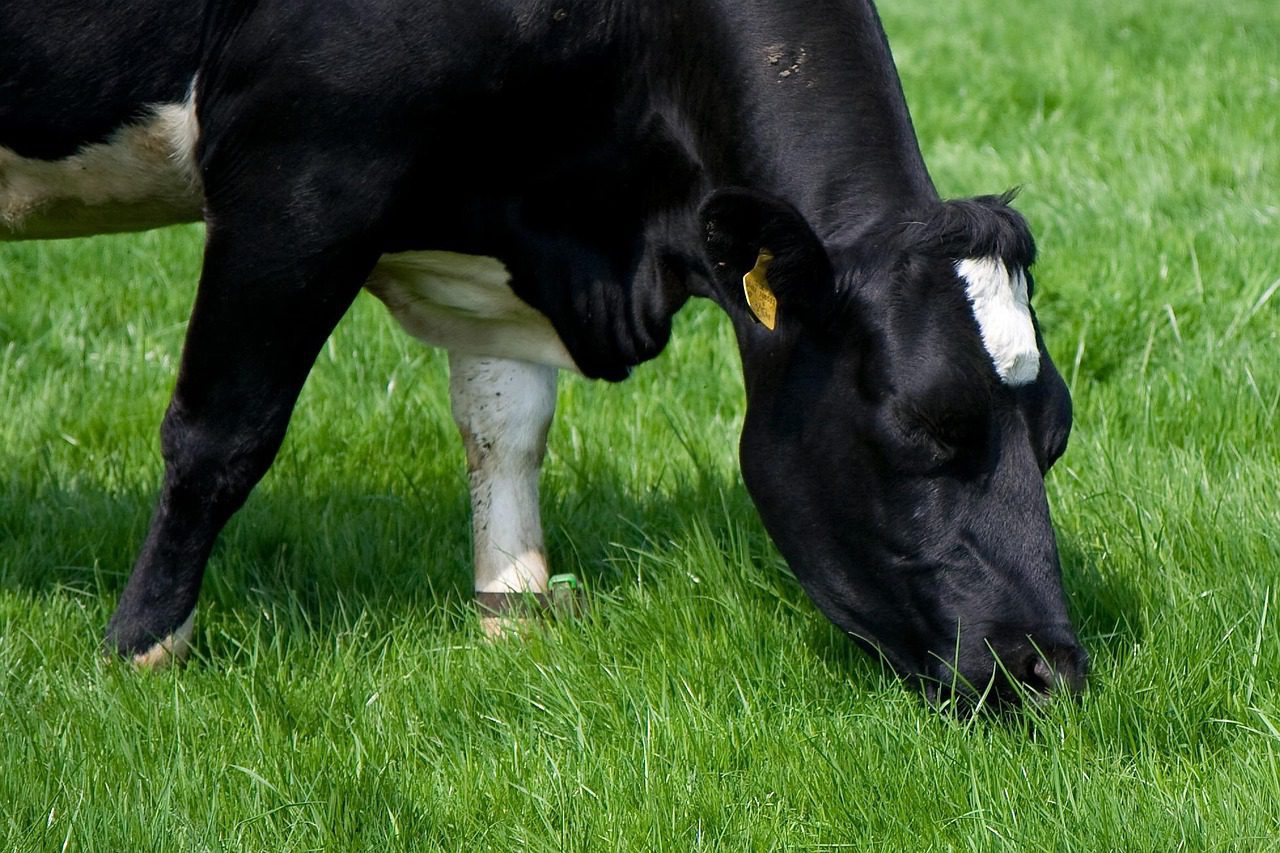
Broadleaf herbicides can end up in manure through several pathways, primarily related to agricultural practices and the use of herbicides on crops. Farmers may apply broadleaf herbicides to control unwanted weeds in their fields. Livestock, such as cows, sheep, or goats, may graze on pastures or fields where these herbicides have been applied. Even if no direct grazing occurs, if animals are fed forage or hay from treated areas, it can still lead to contamination in their manure.
Either way, if the animals consume plants that contain residues of the herbicide, the chemicals can enter their digestive systems. As animals digest their food, a portion of the herbicide may pass through their systems and be excreted in their manure. The amount of herbicide that remains in the manure can vary based on factors such as the type of herbicide, the animal’s metabolism, and the time elapsed since application.
As a result, when this manure is collected and stored for further use as fertilizer in gardens or on fields, it may still contain residual traces of the broadleaf herbicides. If this herbicide-laden manure is then applied to crops or gardens, it can lead to unintended consequences like Clara experienced.
Worse yet, some broadleaf herbicides have a long residual life in the soil, which means they can persist for many months after application. This increases the likelihood that they will remain in manure collected from animals grazing on treated land or eating hay cut from fields that were treated. For example, 2,4-D can remain active in soil for up to 30 days, while dicamba may persist for several months under certain conditions.
The Impact of Broadleaf Herbicides
Research has shown that residues of broadleaf herbicides like dicamba can persist in the soil for several months, with studies indicating that detectable levels can remain for up to 6 months after application under certain environmental conditions. Studies have also demonstrated that residual broadleaf herbicides can affect subsequent crops. Residual levels of dicamba as low as 0.1 ppm can cause significant damage to sensitive broadleaf crops, such as soybeans. The carryover effects of herbicides can lead to reduced crop yields and stunted growth. And while non-ionic surfactants used in some formulations can enhance herbicide effectiveness, they may also impact the persistence and bioavailability of the active ingredients in the soil.
How to Avoid Broadleaf Herbicides in Manure
If you’re serious about protecting your organic vegetable garden, you must avoid broadleaf herbicide contamination. It’s best to opt for manure from farms that practice organic and regenerative agriculture. When purchasing manure, ask your supplier about any herbicide treatments used in the fields where the animals grazed or where their hay was cut from. Be extra careful about what external sources of feed the animals are given. A farmer may not necessarily know exactly what was sprayed on pastures he didn’t own, for example, and may be clueless as to the herbicide exposure.
If the farmer cannot assure you with 100% certainty that the grass/hay source for the animals was NOT sprayed, then it’s best to not use manure from that source. The risk of catastrophic damage to your garden soil is not worth taking the chance.
If you have already obtained composted manure and cannot confirm that it came from a herbicide-free source, it’s very important to perform a bioassay yourself to test the compost, just to be safe.
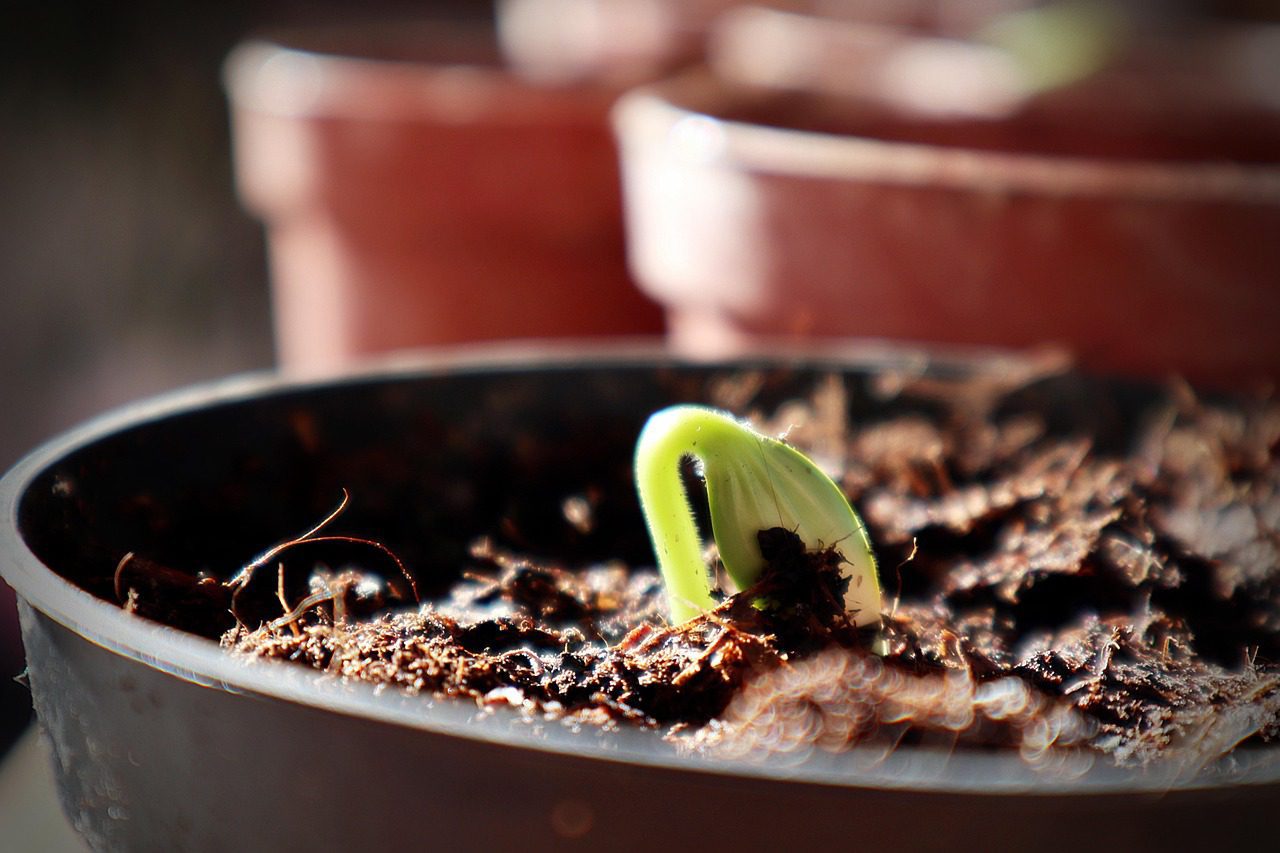
How to Perform a Bioassay for Broadleaf Herbicide in Manure
Steps to Perform a Bioassay
Step #1: Select Test Plants
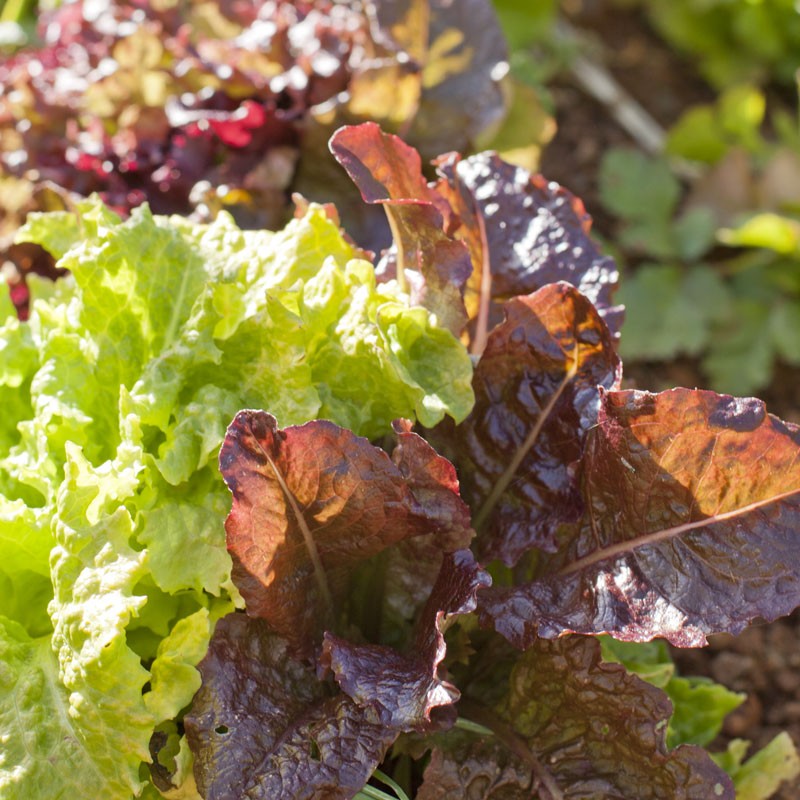
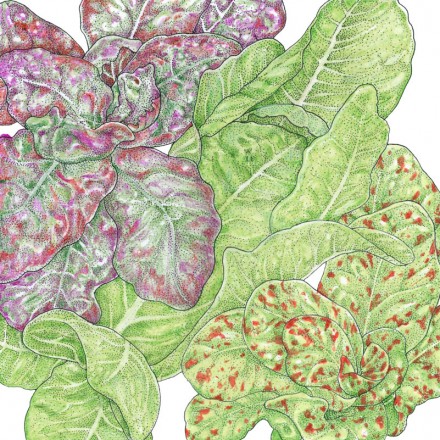
Choose sensitive broadleaf plants that are commonly grown in your garden. Examples include lettuce, radishes, beans, and sunflowers. These plants are known to exhibit clear symptoms of herbicide damage, making them suitable for detecting residues.
Step #2: Prepare Manure Samples
Collect representative samples of the manure you wish to test. Ensure that the samples are taken from different areas of the manure pile for accuracy. If possible, use fresh manure, as older manure may have degraded some of the herbicides over time.
Step #3: Create Test Mixes
Prepare different dilutions or mixes of the manure with a neutral growth medium (such as potting soil) to create various treatment levels. For example, you might create treatments with 0%, 10%, 25%, and 50% manure by volume mixed into the soil.
Step #4: Planting
Fill pots or trays with the prepared soil mixes and plant seeds of your chosen test plants according to the recommended depth and spacing. Ensure that each treatment group is replicated (e.g., at least three pots per treatment) to obtain reliable results.
Step #5: Growing Conditions
Place the pots in a controlled environment where they can receive adequate light, moisture, and temperature. Water the plants regularly but avoid overwatering, which can leach out nutrients and herbicides.
Step #6: Monitor Plant Growth
Observe the plants over a designated growth period (typically 2-4 weeks) and record data on growth parameters such as germination rates, plant height, leaf color and number, and any visible signs of stress or damage (e.g., curling leaves, stunted growth).
Step #7: Data Analysis & Interpretation
Compare the growth metrics from the treated pots against those from the control group (0% manure). Look for significant differences in growth parameters that indicate herbicide effects, such as reduced height or poor germination rates.
If plants in the manure-treated pots show signs of distress compared to controls, this may indicate the presence of harmful herbicide residues. Conversely, if there are no significant differences, it suggests that the manure is safe for use in your garden.
Conclusion
Conducting a bioassay for broadleaf herbicides in manure is a practical approach for gardeners and farmers to assess potential risks associated with herbicide residues. By selecting sensitive test plants and carefully monitoring their growth responses, you can gain valuable insights into whether the manure is suitable for your garden application.