Disclosure: Seeds for Generations is a part of Amazon Services LLC Associates Program, as well as other affiliate and/or referral programs. If you purchase or opt-in after clicking on these links, at no additional cost to you, we may receive a small commission for making you aware of these important resources.
After the worst of winter fades and temperatures begin to rise, many gardeners get in a hurry to plant tender vegetables. But especially in certain areas of the country, the risk of frost can persist long after the warmth of spring seems to arrive. All it takes is one or two nights below freezing to destroy or severely stunt your vegetable garden plans!
Learning how to protect plants from frost is key. You might not be able to control the frost, but there are some things you can do to make sure your garden can weather the worst of it.
What Causes Frost?
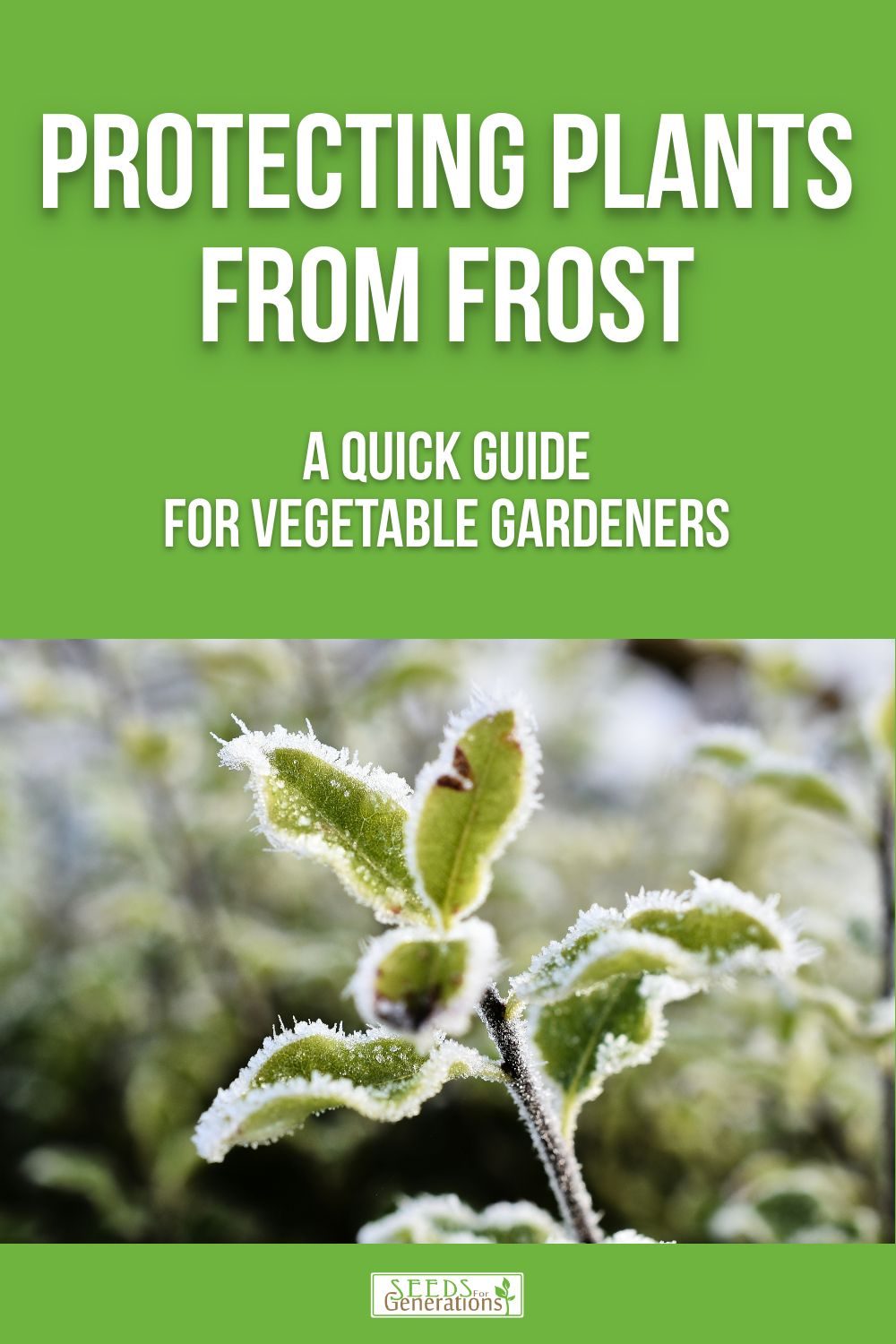
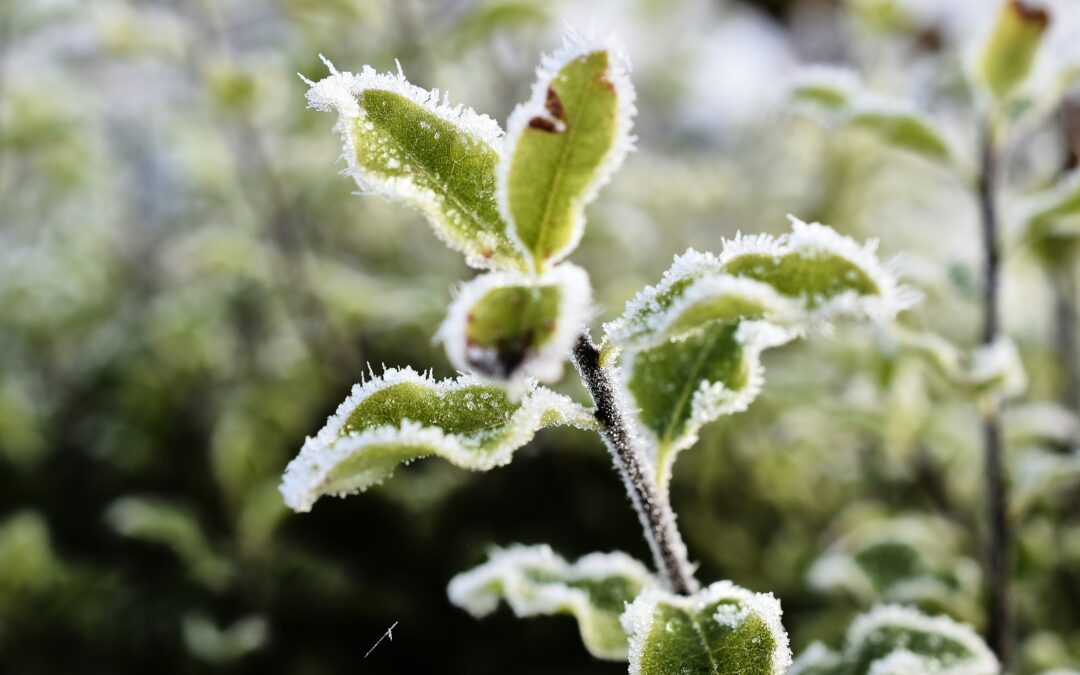
Frost occurs when the temperature near the surface drops below 32°F (0°C), causing moisture in the air to freeze into delicate ice crystals on plants and soil. This natural phenomenon is common in early spring and late fall, but late spring frosts can be especially damaging and frustrating for vegetable gardeners and orchard owners.
Paying close attention to local weather forecasts and knowing when frost is likely to happen helps gardeners take timely precautions to protect their crops and avoid costly losses. You want to keep an eye on the forecast and prepare for frosts even if the temperature is borderline. It isn’t uncommon for the temperature to slide lower than forecasted and a few degrees can make a BIG difference.
When Should You Be Concerned About Frosts?
One of the most important tools for vegetable gardeners is knowing their area’s average last frost date—the typical date after which frost is unlikely to occur in the spring. This date varies widely depending on geographic location. For example, gardeners in southern states might expect their last frost as early as March, while those in northern climates may not see frost-free conditions until May or June. However, these dates are averages, not guarantees. Frost can and does occasionally occur beyond these points, particularly during unusual weather patterns or unique microclimates.
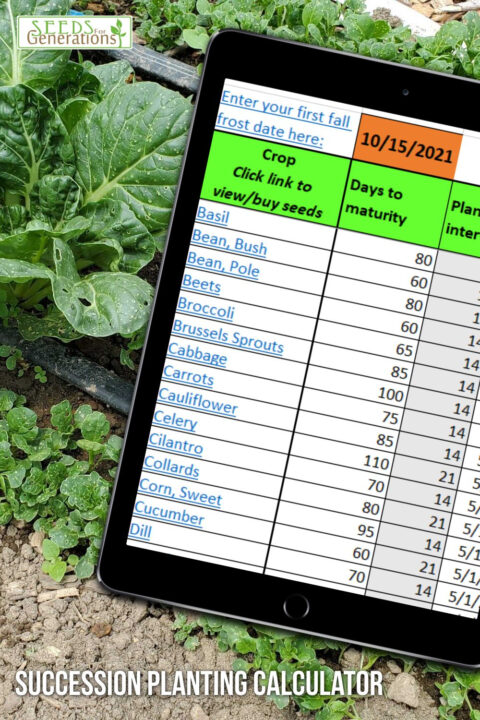
Quick Tip: Learn how to calculate your planting dates & find your frost dates here!
Frost usually forms on clear, calm nights because clouds act like a blanket, trapping heat near the ground, and wind mixes warmer air layers. When skies are clear and winds are calm, heat escapes rapidly from the earth’s surface, however, causing temperatures near the ground to drop sharply. Areas like valleys or low-lying garden beds are more vulnerable because cold air sinks and pools in these spots, increasing frost risk.
Why Does Frost Appear at Sunrise?
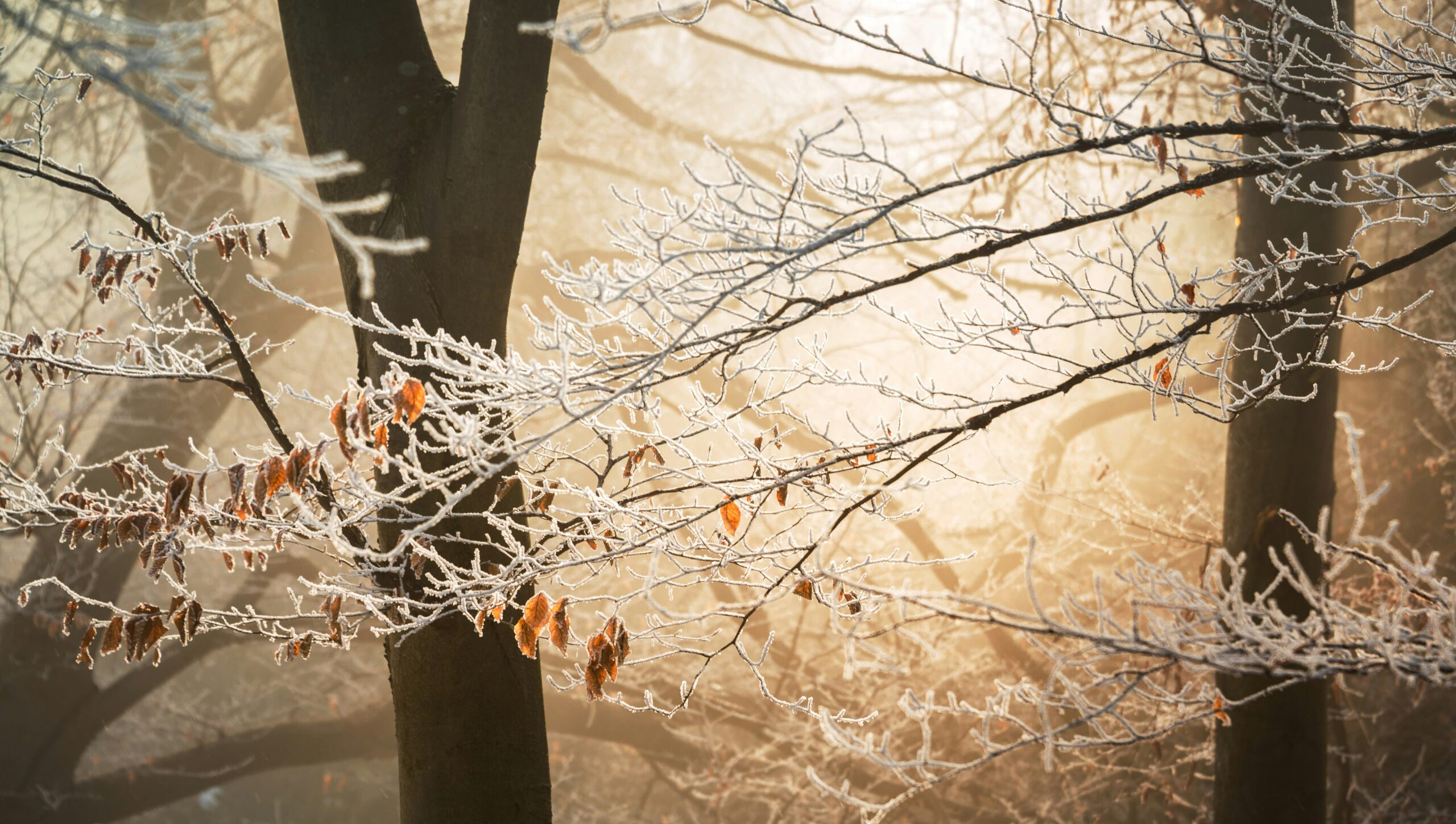
Frost crystals often become visible at sunrise because of how temperature and moisture interact overnight. The crystals are usually very small and hard to see in the dark. When the sun rises, its light illuminates the frost, making the ice crystals sparkle and become much more noticeable. Additionally, the calm conditions that allow frost to form often mean there’s little wind to disturb or melt the crystals before dawn, so they accumulate overnight and appear prominently at sunrise.

What Plants Does Frost Kill? What Plants Can Tolerate Frost?
The primary damage from frost occurs when ice crystals form inside plant cells. As water freezes, it expands and punctures cell walls, leading to tissue death. Young, tender plants are especially susceptible because their cells contain large amounts of water and have not yet developed protective structures like thicker cell walls or waxy coatings.
Vegetable crops such as tomatoes, peppers, cucumbers, basil, and beans are highly sensitive to frost. Even a light frost can cause their leaves to blacken, stems to wilt, and often leads to plant death if they are not protected.
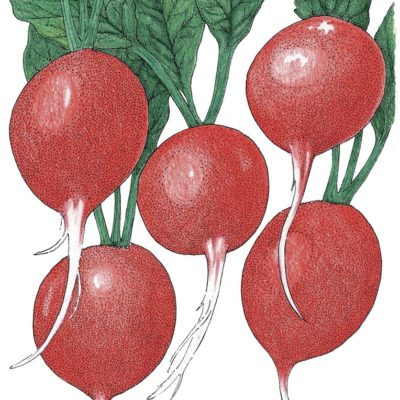
On the other hand, certain vegetables have some tolerance to colder temperatures and can survive brief periods of frost with little damage. These include hardy greens like kale, spinach, broccoli, and root vegetables like carrots, beets, turnips, and radishes.
It is also important to consider the plant’s stage of growth. Seedlings and newly transplanted plants are far more vulnerable than mature plants that have hardened off through gradual exposure to outdoor conditions. For instance, young lettuce seedlings may survive a light frost better than delicate tomato seedlings freshly moved outside from a greenhouse. Understanding which plants in your garden are frost-sensitive versus frost-hardy will help you prioritize protection efforts where they matter most.
How to Protect the Vegetable Garden from Frost
Planting at the Right Time
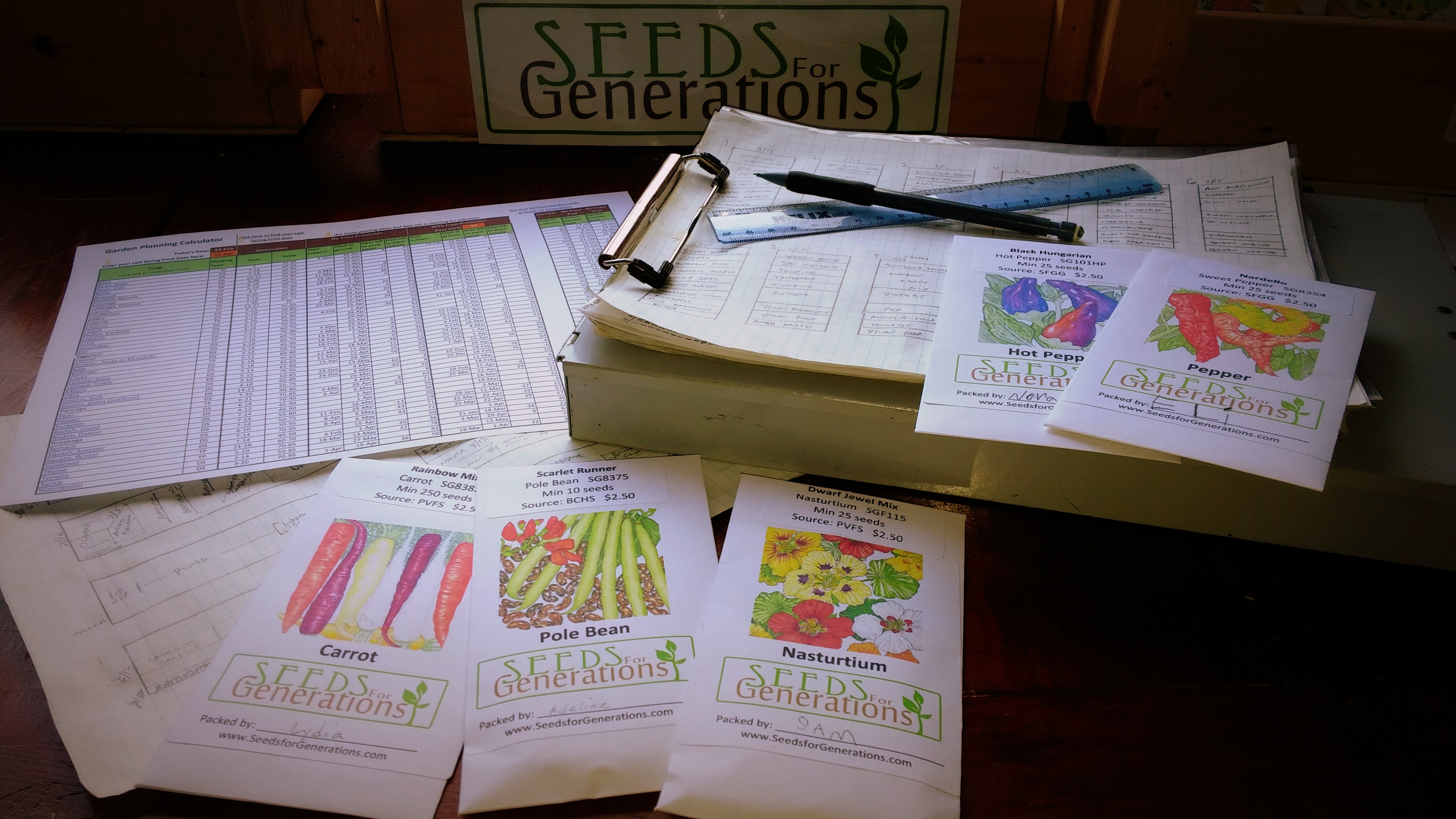
One of the most effective strategies to avoid frost damage is careful planning around frost dates. Plant tender vegetables only after your area’s average last frost date has passed, erring on the side of caution to prevent losses. Here in Virginia, since we’re in a cooler area of the state, we can’t plant our hot weather crops outside until the middle of May.
Additionally, choosing planting sites with natural protection from frost can make a significant difference. South-facing slopes or areas near walls tend to stay warmer because they receive more sunlight during the day and the mass of stone can absorb heat from the sunlight to release at night.
Physical Frost Protection
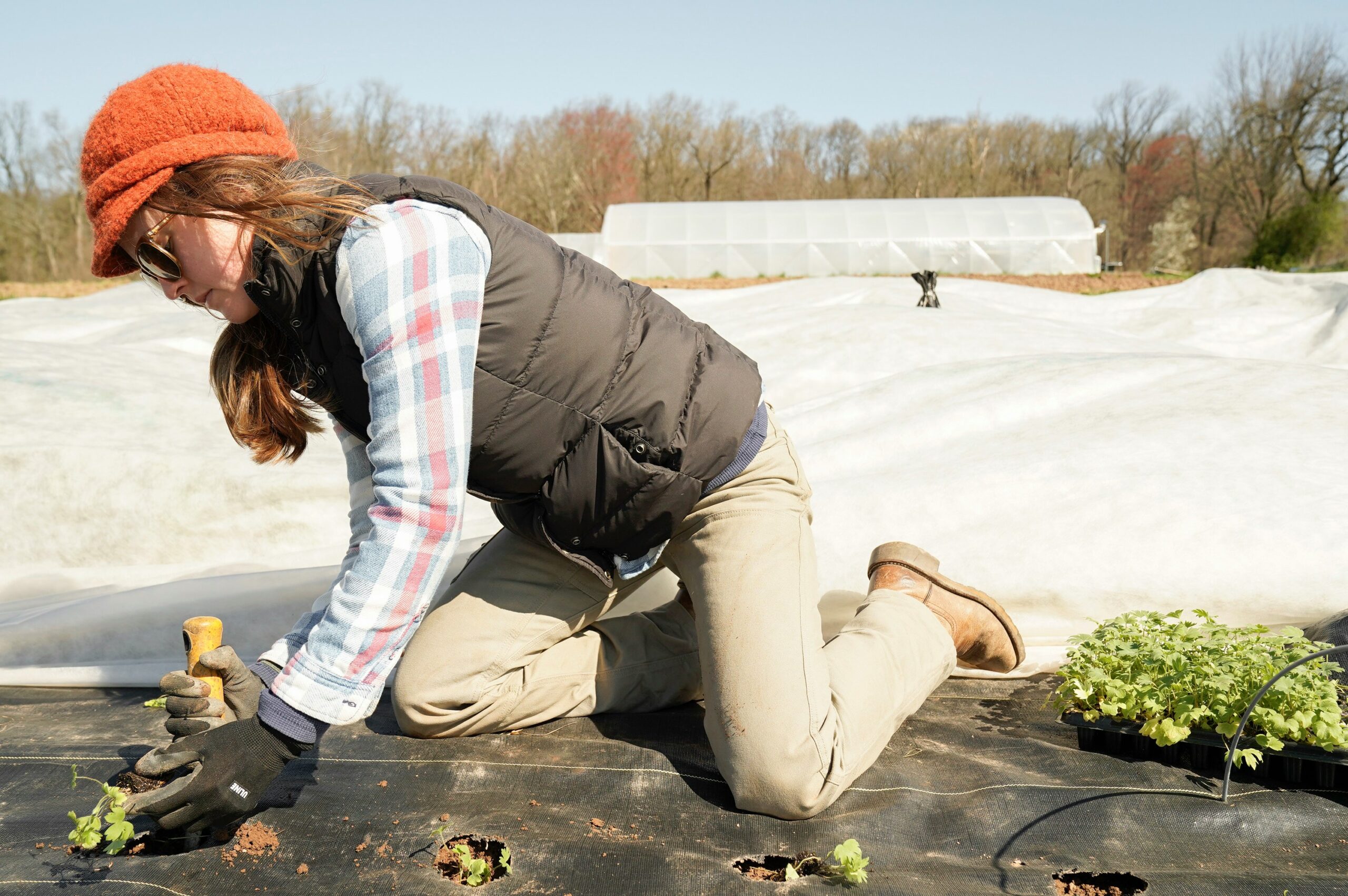
Physical barriers are essential for protecting vulnerable plants during the random cold nights. Row covers made of lightweight fabric or plastic can trap heat radiating from the soil while allowing light and moisture to penetrate during the day.
When placing covers over plants, avoid letting the material rest directly on leaves because this contact can cause ice crystals to form on foliage and increase damage. Instead, support covers with stakes or hoops to create space around plants and secure edges with soil or bricks to trap warmth underneath.
For individual plants or small groups of seedlings, cloches (plastic domes), cold frames, or mini-greenhouses made from plastic tunnels provide additional warmth by creating a controlled environment that buffers against freezing temperatures. Or be creative! You can use bed sheets, plastic bags, scrap pieces of fabric, recycled plastic containers, buckets, and more, depending on the side of your plants. (We’ve used Mason jars over asparagus before! It fits perfectly.)
For containers, sometimes it is easier to just move them indoors entirely. Just be sure to harden them off again if you leave them indoors for a long period of time.

Water for Frost Protection
Using water is another well-known and effective method to protect plants from frost damage. When water is applied to the soil or plants before a frost event, it releases heat as it freezes—a process called latent heat of fusion. This released heat helps keep the temperature around the plants just above freezing, reducing the risk of damage.
However, watering needs to be managed carefully. It’s best to water the soil rather than the leaves, especially at night, because wet leaves are more prone to freezing and ice formation, which can harm delicate plant tissues. Some gardeners also use overhead sprinklers during frost events; as water freezes on the plants, it forms a protective layer of ice that actually insulates the tissue underneath and prevents temperatures inside the plant from dropping below freezing. This method requires continuous application until temperatures rise to avoid ice melting and refreezing, which can cause damage. Overall, using water strategically is another option, but again, not as reliable than physical forst protection.
Mulching
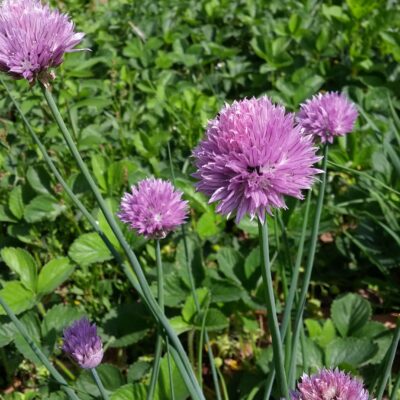
Applying a thick layer of organic mulch around vegetable bases insulates the soil and roots from temperature fluctuations. Materials like straw, shredded leaves, or wood chips help retain warmth in the soil during cold nights and prevent roots from freezing. This is especially true for alliums, which need planted early but may also need some minor protection for extremely low temperature events.
Increasing & Retaining Heat
Using heat sources is another way to protect vegetable plants from frost damage, especially during unexpected cold snaps, though it isn’t usually as easy for small home gardeners to use. Small heat lamps or outdoor-safe lights can be placed near vulnerable crops to gently raise the temperature around them, preventing freezing. Additionally, placing containers filled with water among plants can serve as a natural heat reservoir, releasing stored heat slowly throughout the night.
When using any heat source, safety precautions should be taken to avoid fire hazards, and the setup should allow for adequate ventilation. This method isn’t as accessible for most home gardeners, so we suggest other methods instead.

What to Do in a Frost Warning
When a frost is coming, acting quickly is crucial. Know the temperature thresholds for your crops—tomatoes suffer damage around 28°F (-2°C), while spinach can tolerate temperatures down to about 20°F (-6°C). If possible, move potted plants indoors or into garages overnight. For in-ground plants, cover them with blankets, sheets, or row covers well before sunset to trap heat radiating from warm soil.
After Frost Damage & Recovery
If you’ve covered any crops during the frost, remove the covers the next morning. You want the temperature outside to have increased somewhat, but don’t wait too long because frost covers can also burn up plants if allowed to sit too long in the sunshine without ventilation.
Once temperatures rise after a frost, assess your plants thoroughly. Damaged tissue will appear blackened or brown and feel soft or mushy to the touch. Prune dead leaves and stems carefully using clean tools to encourage new growth without stressing the plant further. Avoid heavy fertilization immediately after frost damage since stressed plants may struggle with excess nutrients; wait until you see signs of recovery before feeding them again.
Conclusion
Late spring frosts remain a significant challenge for vegetable gardeners because they often occur unexpectedly when tender crops have just been planted outdoors. By understanding how frost forms and affects different vegetables—and knowing when your local frost risk is highest—you can take effective steps to protect your garden.
With careful planning and timely intervention, you will greatly improve your chances of enjoying a healthy vegetable harvest despite cold spring nights!
Wondering what you can plant in the cool weather? Check out our cool weather seeds here!