Disclosure: Seeds for Generations is a part of Amazon Services LLC Associates Program, as well as other affiliate and/or referral programs. If you purchase or opt-in after clicking on these links, at no additional cost to you, we may receive a small commission for making you aware of these important resources.
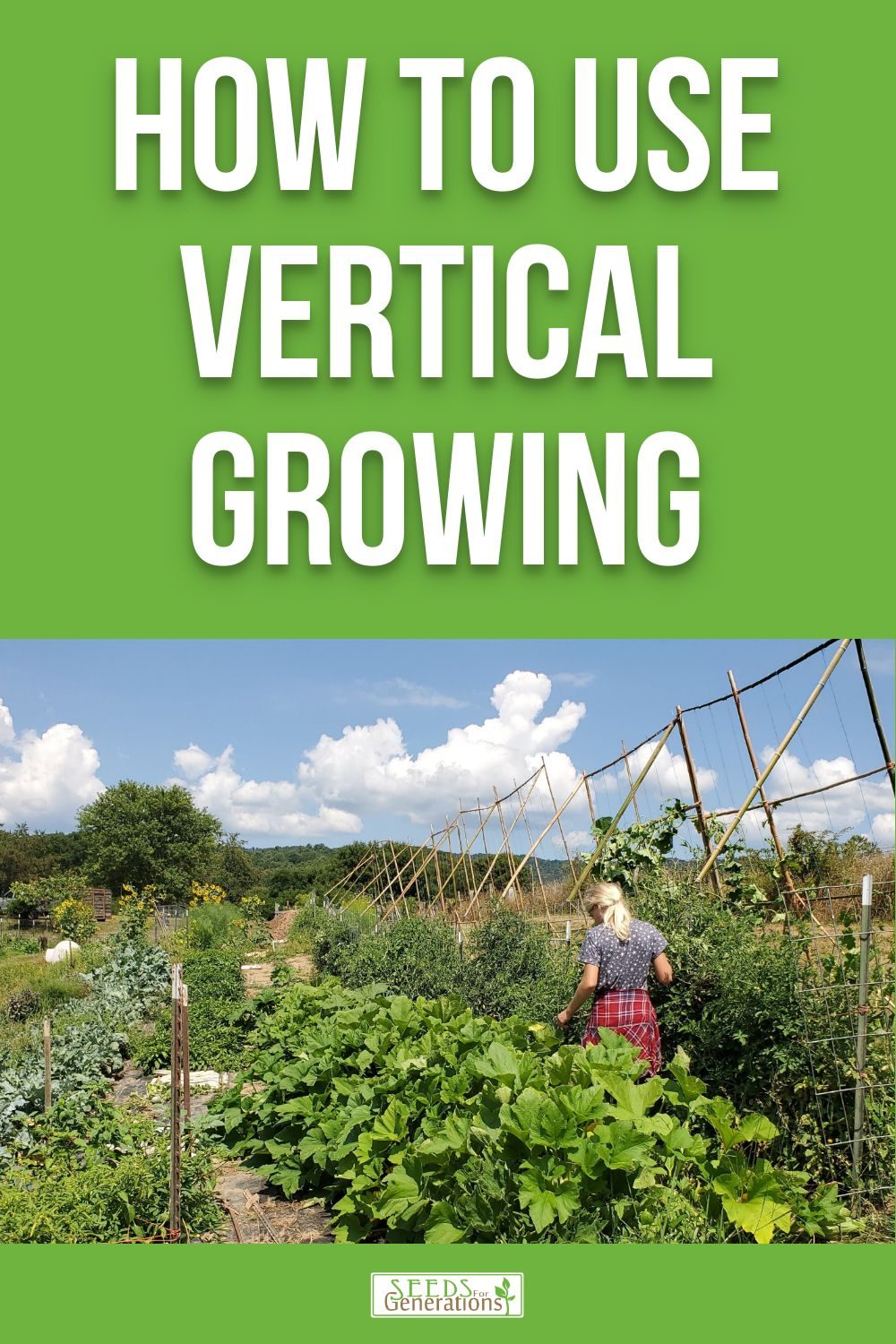
When most of us think of productive vegetable gardens, we tend to think of straight, even rows. But there’s another layout that can maximize your space, while also improving air circulation around plants and even making harvesting easier on your back. It’s called vertical growing.
If you have a small yard, balcony, or flower bed, let’s learn some of the different methods you can use to grow upwards, where only the sky (and gravity) limits you! 🙂
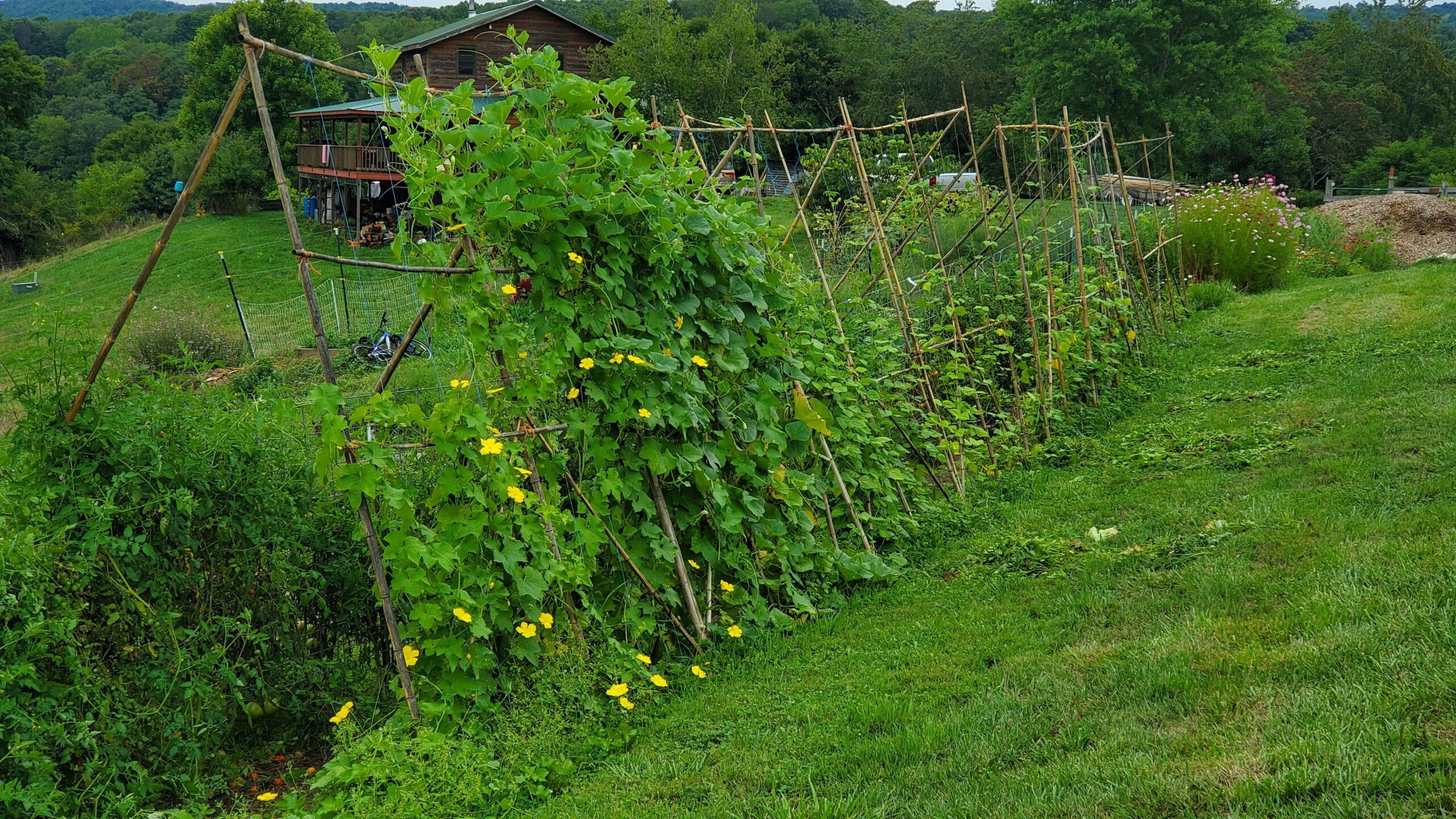
Using Trellises for Vertical Growing
Trellises are frameworks made from wood, metal, or plastic that support climbing plants. They provide a vertical surface for vines like beans, peas, cucumbers, gourds, and tomatoes to latch onto and grow upward.
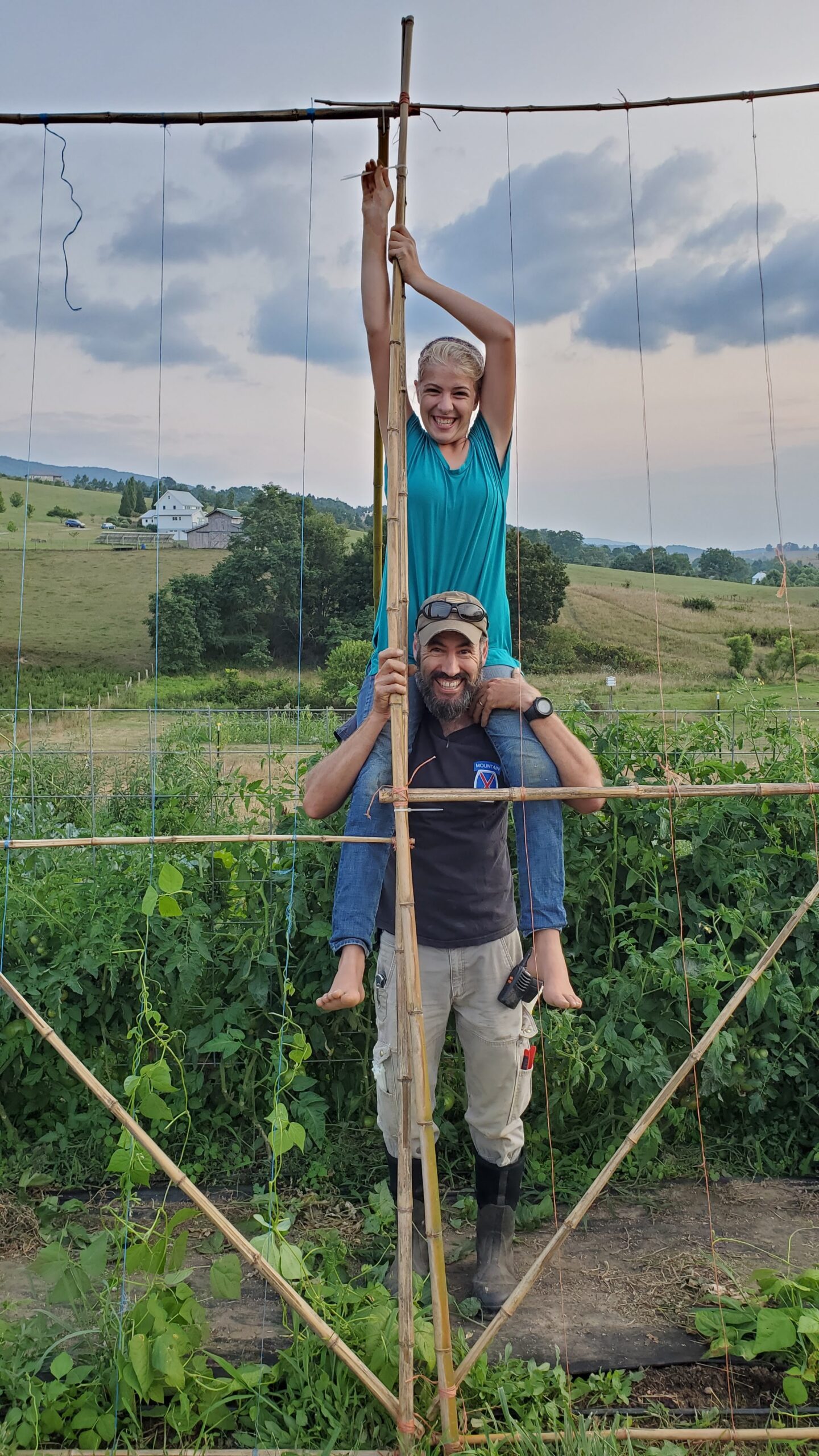
Trellises can be freestanding or attached to walls and fences. They come in various shapes—flat panels, A-frames, or arches—depending on your garden space and plant needs. Building a trellis can be as simple as attaching horizontal slats to vertical posts or repurposing old window frames or wooden pallets. Or you can invest in other materials like bamboo to build more extravagant systems.
When using a trellis, secure plants early by gently guiding young vines onto the structure. This encourages proper growth and prevents sprawling.
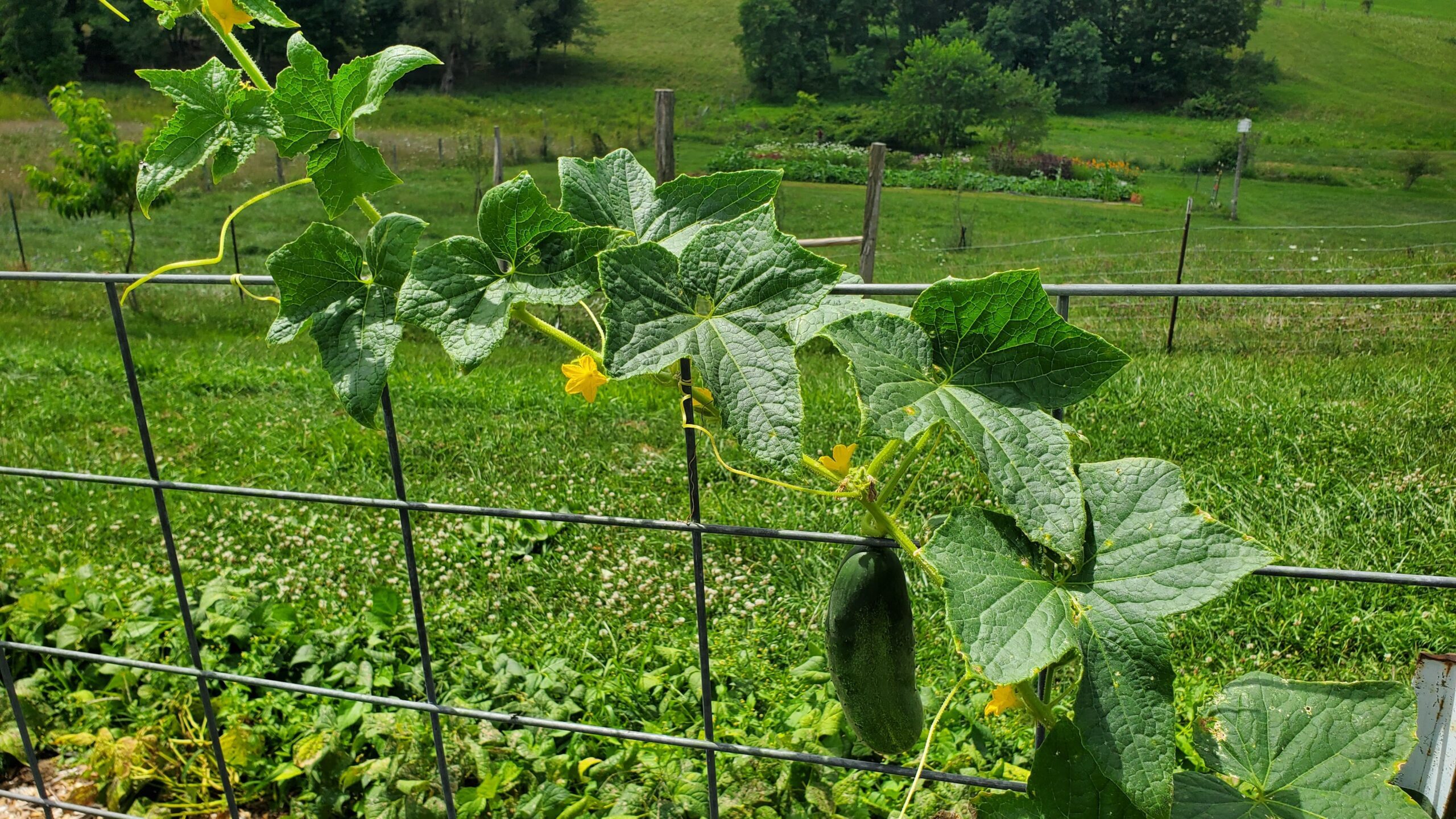
Using Fences & Rigid Grids for Vertical Growing
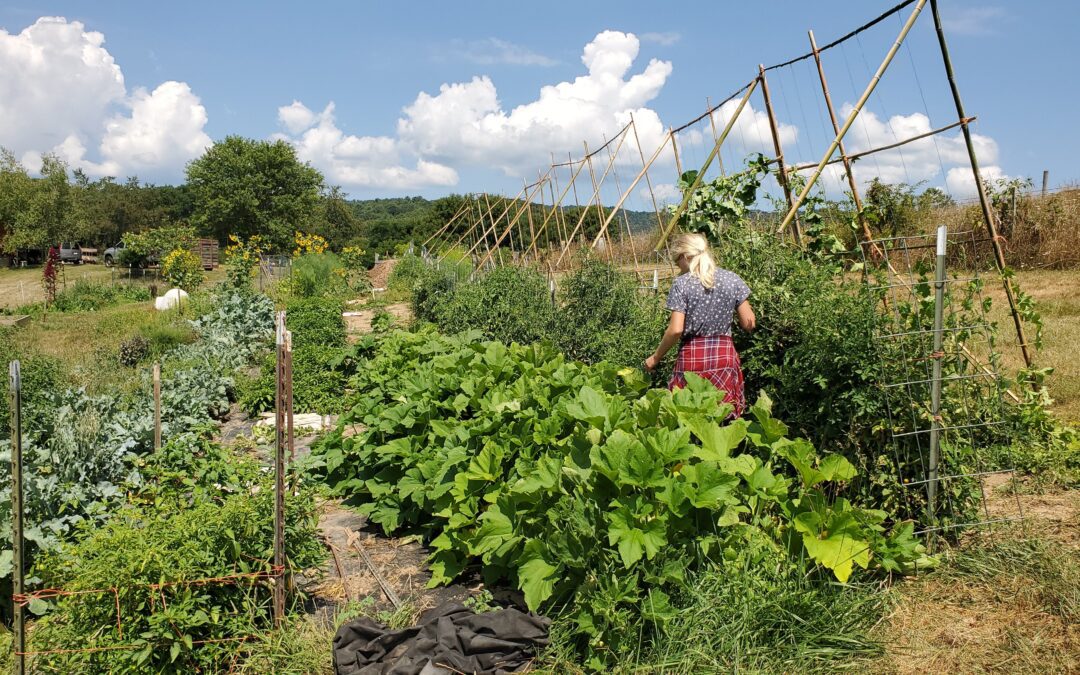
Fences and rigid grids serve as large vertical supports for heavier climbing vegetables. These structures offer multiple points for plants to grip and climb. Beans, peas, cucumbers, and vining squash grow well on these surfaces. We commonly use cattle panels with metal T-posts to set up a vertical system for our tomatoes, since we grow so many, and it works beautifully. If you have any existing fence or rock wall, you can also guide your plants to grow up it. It both cases, it may help to weave your plants gently through the grids, just to get them started and growing in the right direction.
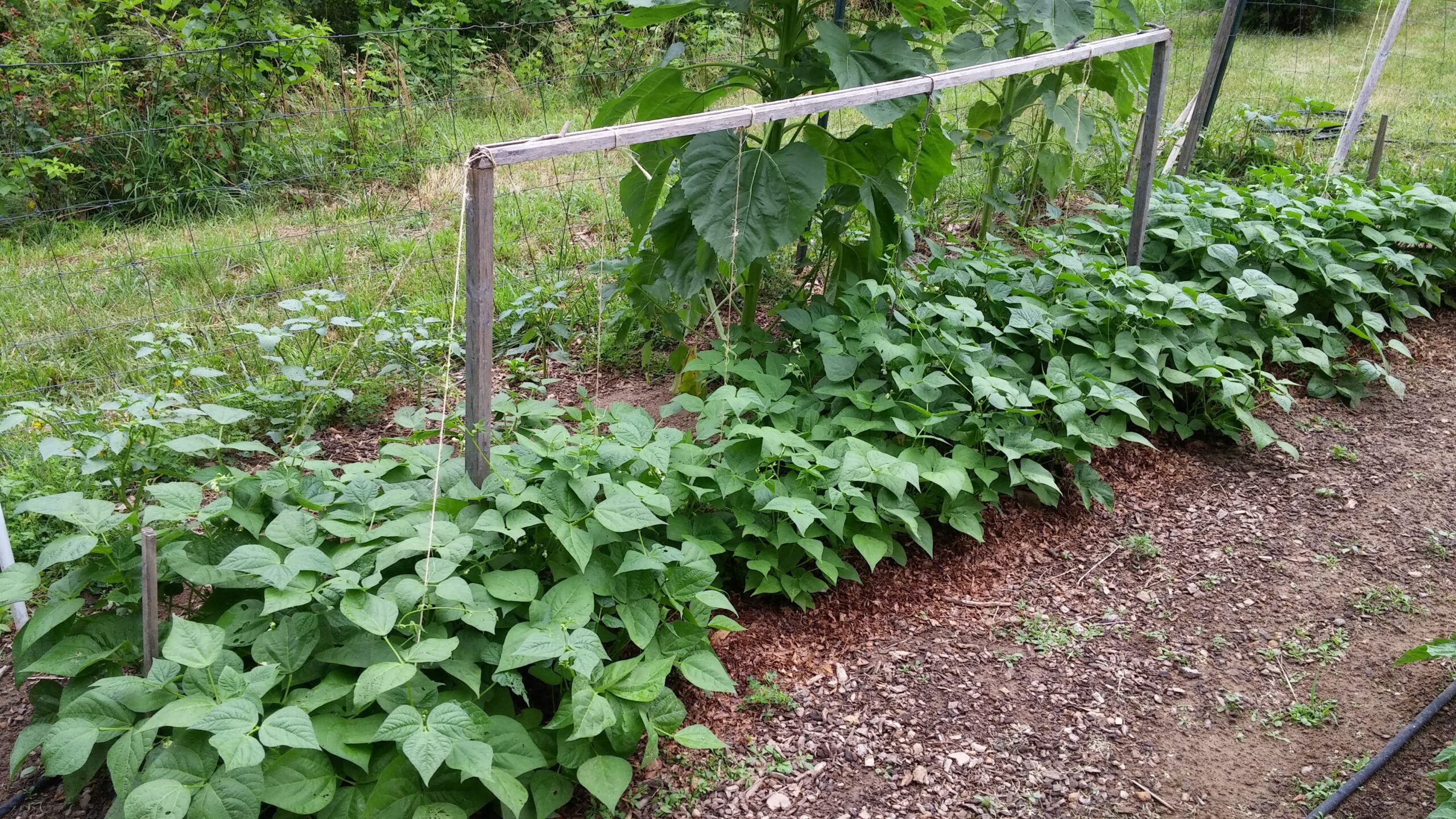
Using Twine for Vertical Growing
This is another favorite option, especially if you’re on a tight budget. Twine is strung vertically between stakes, poles, or overhead wires to create a simple climbing support. It’s inexpensive, flexible, and easy to install or adjust throughout the growing season. Climbing vegetables like beans and peas grab hold of the twine as they grow. Twine supports can be arranged in straight rows or grid patterns depending on space and plant density. With twine, however, make sure you provide enough support for heavier crops, since it will sag under weight a bit more than sturdier materials.
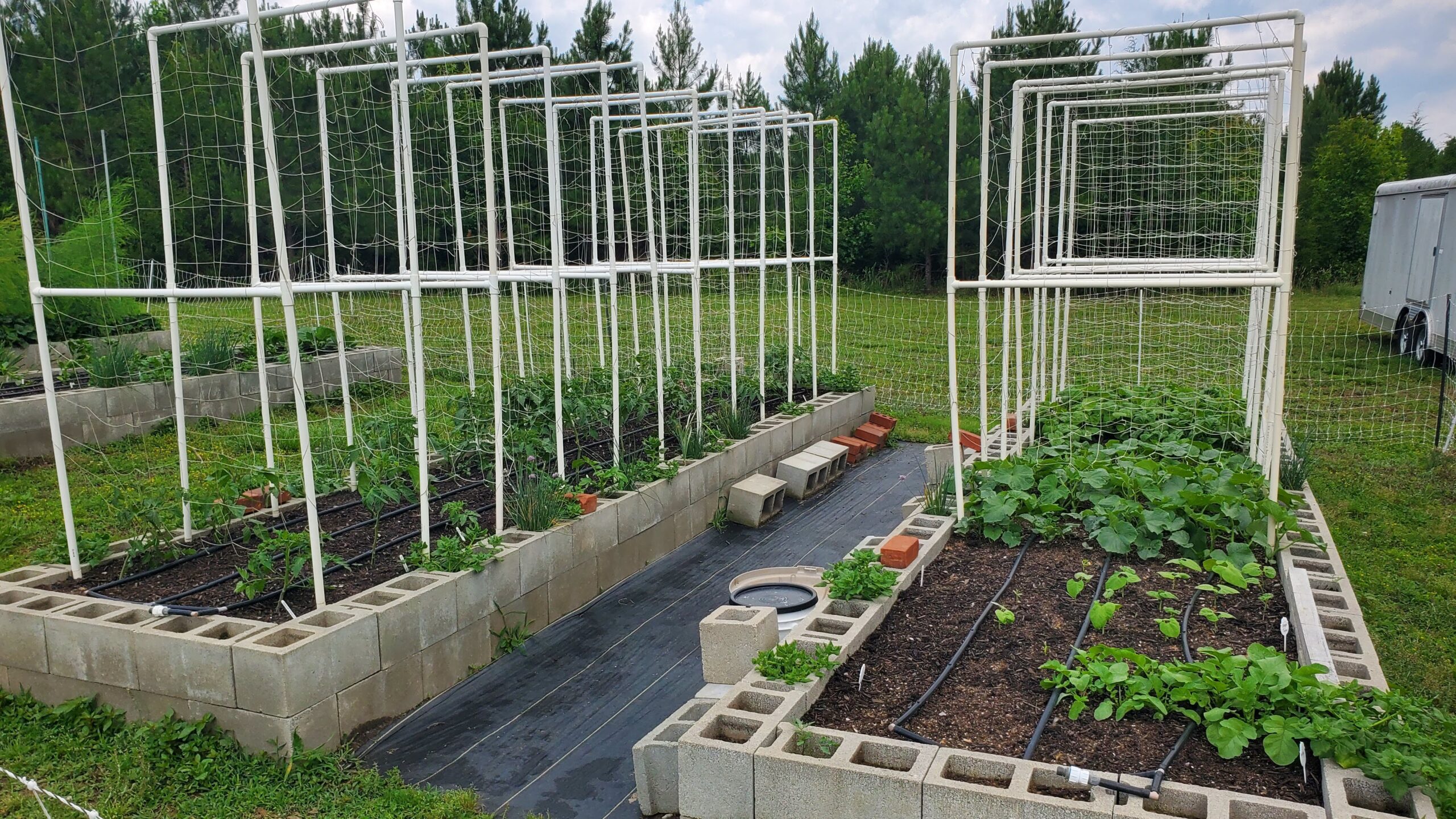
Using Netting for Vertical Growing
Netting consists of plastic or nylon mesh stretched between supports to form a climbing surface. The mesh size varies but generally allows tendrils to grip easily. This method supports multiple plants over a wide area simultaneously. Peas, beans, cucumbers, and melons commonly use netting for vertical growth. I’ve also seen netting thrown over a wooden fence, to allow the plants to grip onto it and grow upwards.
Tighten netting firmly to prevent sagging under plant weight and guide young plants by weaving their shoots through the mesh early in their growing season. This method isn’t always as neat, but it does still work.
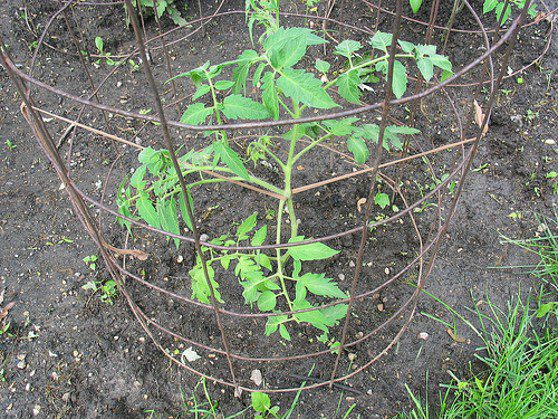
Using Cages for Vertical Growing
Cages are cylindrical or conical wire structures placed around individual plants. Commonly used for tomatoes, they keep plants upright and contained.
Wire cages can be purchased or made from sturdy fencing materials shaped into rings or cones. They support heavy fruit loads without external ties. Cages also allow for good airflow around the plant and reduce the risk of damage from wind or rain.

Using Plants as Natural Trellis Options
Some sturdy plants can also serve as natural supports for climbing vegetables. Tall cornstalks are classic examples—beans climb up their stalks without additional structures. Sunflowers or other thick-stemmed plants like okra can also act as natural trellises for squash and beans. Interplanting these with climbing crops creates a living support system. The traditional Three Sisters Method is an example of this in practice.
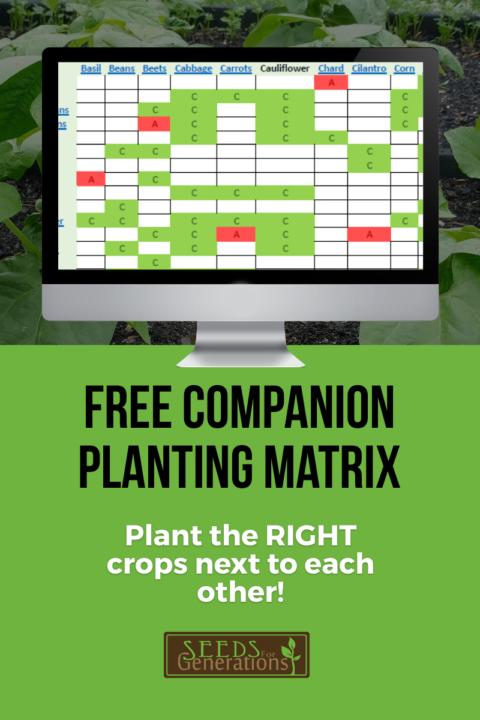
Stacking in general can be useful when vertical growing, since not all crops have the same height. If you can find combinations of plants that grow well together, you can take advantage of their different heights and growing needs. Just be aware of any companion relationships between plants. (Click here to learn more about companion planting.) Sunflowers, for example, excrete a chemical to discourage some other types of plants from growing, and black walnuts do the same.
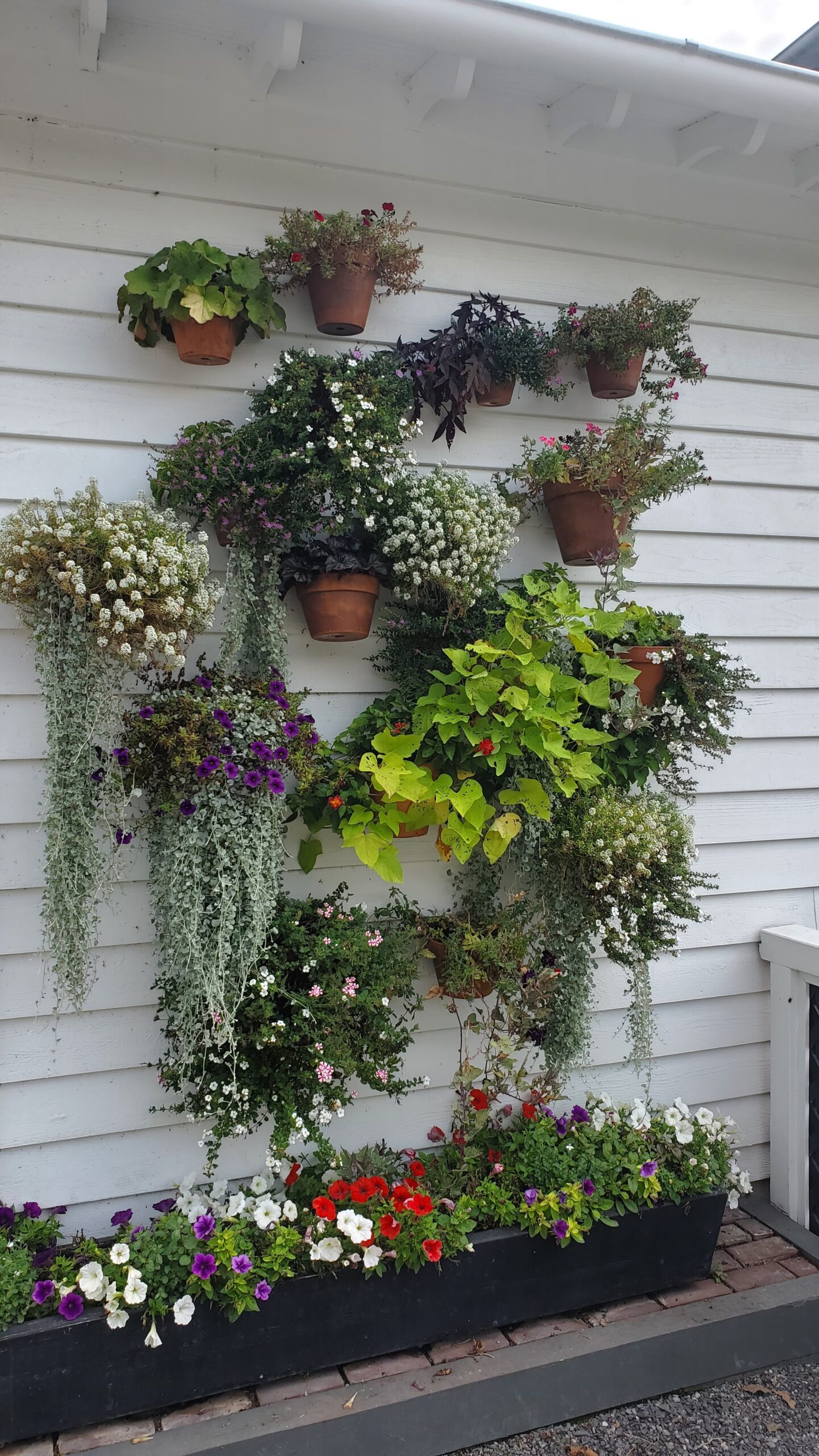
Using Hanging Containers, Planter Boxes, & Towers
Hanging containers are suspended pots or baskets that hold trailing or compact vegetables like herbs, strawberries, or leafy greens like lettuce. They’re also popular for certain types of flowers!
Planter boxes mounted on walls or fences turn vertical surfaces into productive growing areas too. They allow multiple layers of plants without occupying ground space. Vertical towers stack multiple planting levels in a compact footprint. These can be soil-based systems or hydroponic setups designed to maximize production in limited areas.
You can also make a DIY version by stacking pots onto an old step ladder. Remember, uppcycling is a great way to get started with vertical growing; just use what you already have laying around in the garage! There really isn’t any need to make things expensive.
Common Vertical Growing Mistakes
mWhen using vertical growing techniques, watch out for these common pitfalls:
- Overloading Supports: Make sure trellises or structures can handle the weight of mature plants + fruit. Many garden crops get very heavy as they mature.
- Poor Plant Selection: Choose plants suited for vertical growth; not all species climb or do well in containers. Focus on garden crops that spread out and take up a lot of space or produce vines that would otherwise sprawl across the garden bed.
- Improper Watering: Containers may dry out faster, so regular watering is essential. Even vertical plants that aren’t in pots may also have different watering needs than others.
- Lack of Sunlight: Ensure vertical setups receive enough light, especially if placed near walls or shaded areas. You’ll also want to make sure your vertical setups don’t shade the sun too much from your other crops, as can happen if you have a limited amout of sunlight available.
That said, by planning carefully and choosing appropriate plants and supports, you can enjoy a successful vertical garden. More space = more production, plus it looks pretty at the same time. Have fun!