Disclosure: Seeds for Generations is a part of Amazon Services LLC Associates Program, as well as other affiliate and/or referral programs. If you purchase or opt-in after clicking on these links, at no additional cost to you, we may receive a small commission for making you aware of these important resources.
Companion planting is a an oft-overlooked gardening technique that involves growing different plants close to one another to make the most of their mutual benefits. The practice leverages natural plant relationships to improve growth, deter pests, enhance flavors, and make the best use of garden space.
Whether you are a seasoned gardener or just starting a garden this year, understanding companion planting can significantly boost your garden’s health and productivity, especially if you don’t have a lot of space. You might be surprised how much you can cram into a bed while thinking about companion planting options.
Different Types of Companion Planting
There are several “flavors” of companion planting, each serving a distinct purpose in a home vegetable garden.
- Structural companion planting uses plants to physically support or shelter one another—tall plants might provide a useful natural trellis for vines or shade to crops that prefer cooler conditions.
- Pest control companion planting involves pairing plants that repel harmful insects or attract beneficial insects, reducing the need for external pest control.
- Nutrient enhancement companion planting focuses on improving soil fertility; for example, legumes like beans and peas fix nitrogen, enriching the soil for neighboring plants. (This is usually used more like crop rotation; more on that below.)
- Pollination support involves planting flowers or herbs that attract pollinators near fruiting crops to increase yields.
- Growth enhancement refers to combinations where plants stimulate each other’s development through chemical signals or microclimate improvements.
Why Use Companion Planting?
Using companion planting offers many advantages that make it an excellent choice for sustainable gardening. It helps deter pests, encourage stalwart plant growth, and squeeze more plants in the same amount of space.
Examples of Companion Planting
Positive Companion Planting
There are many examples of plant pairings that work well together and demonstrate the power of companion planting.
- Tomatoes and basil are a classic example; basil repels mosquitoes and improves the flavor of tomatoes when grown nearby. Plus, they like the same growing conditions.
- Carrots and onions make a great team because onions deter carrot flies while carrots help loosen soil for onion roots.
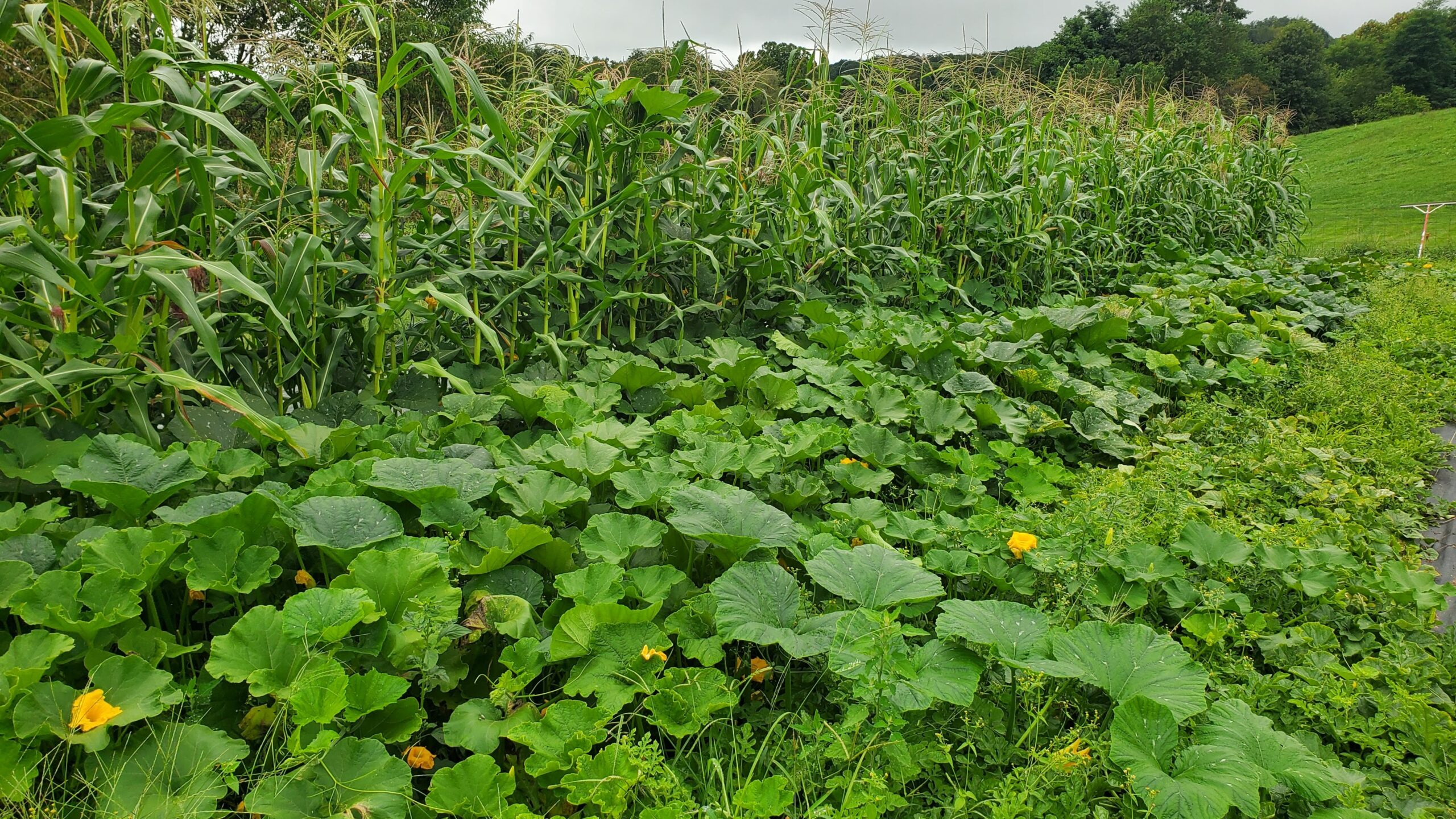
- The traditional “Three Sisters” combination—corn, beans, and squash—is another well-known example where each plant supports the others in unique ways: corn provides support for beans to climb, beans fix nitrogen in the soil, and squash spreads across the ground to reduce weeds.
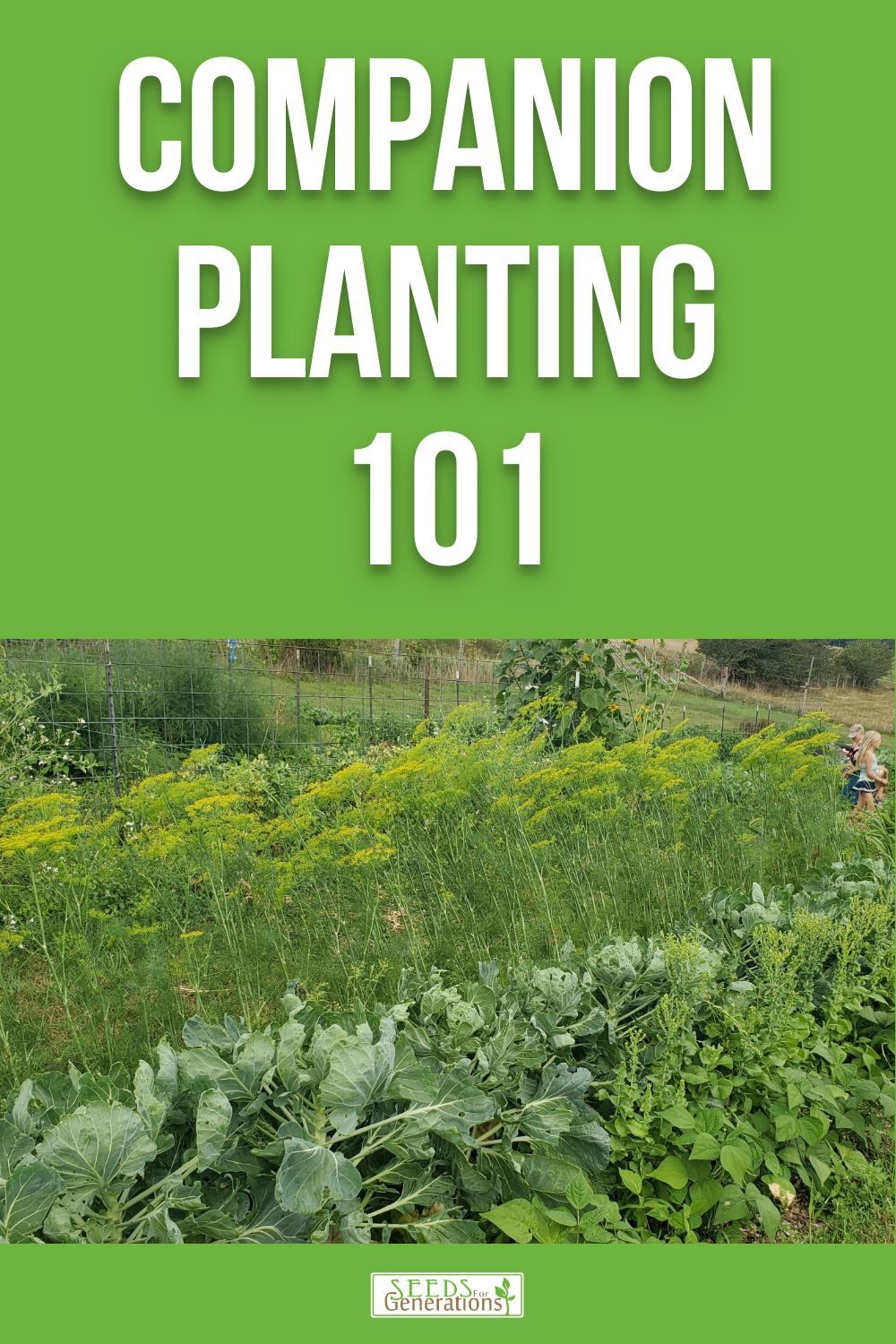
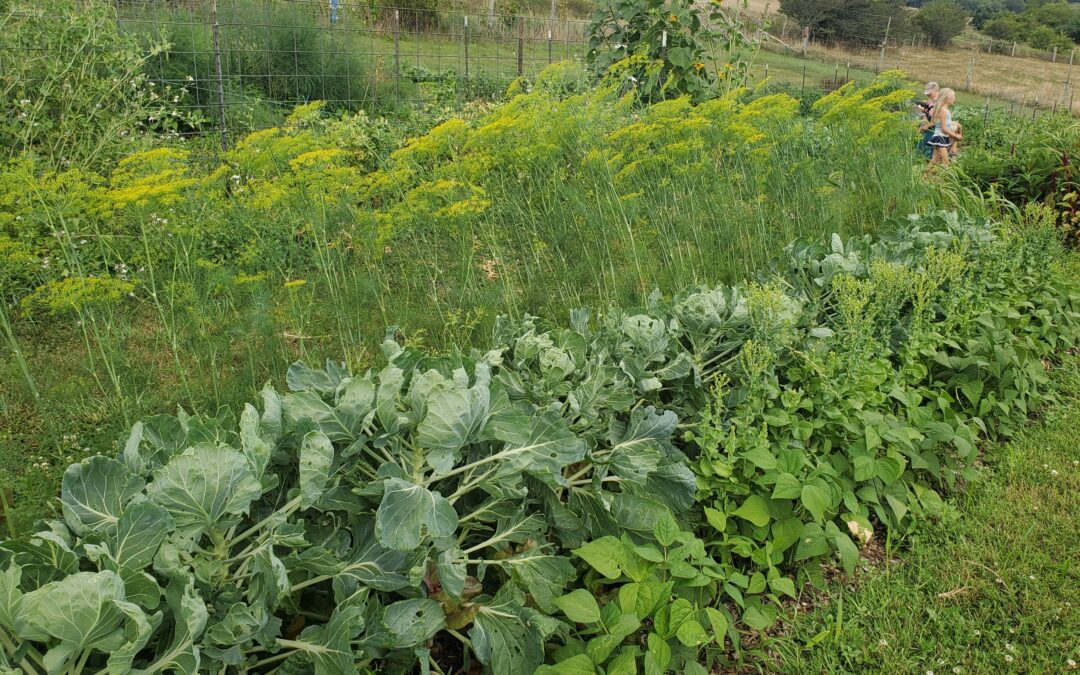
- Dill attracts helpful wasps that prey on cabbage pests, while also deterring other pests, making it a good match with cabbage. (Aromatic herbs can often be used this way.)
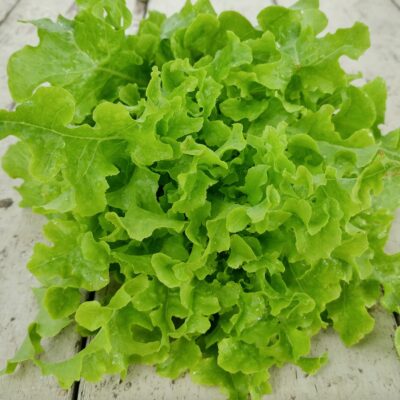
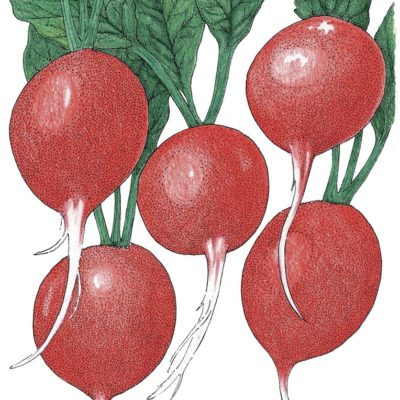
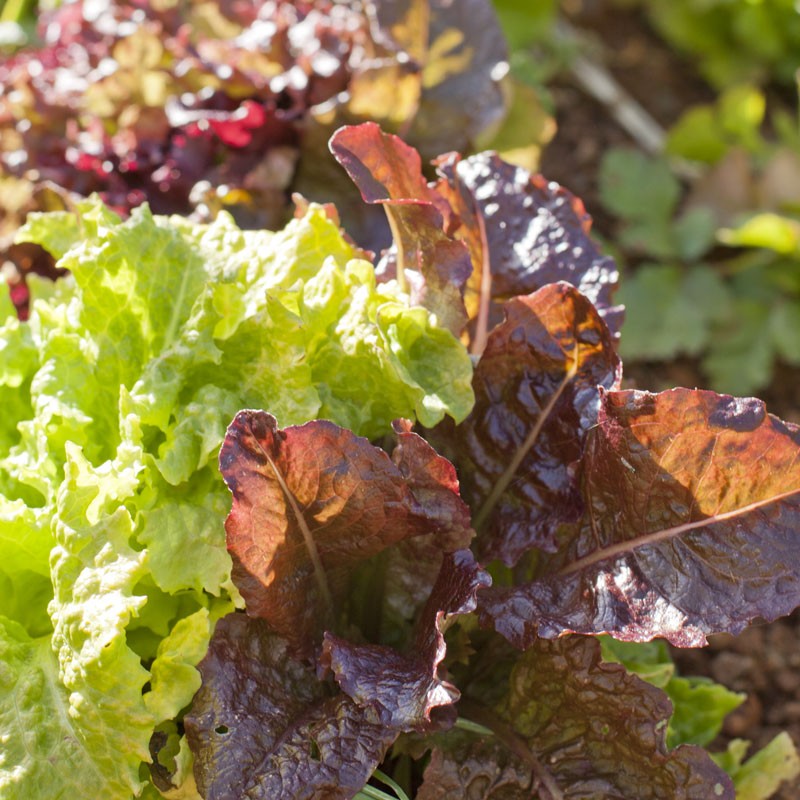
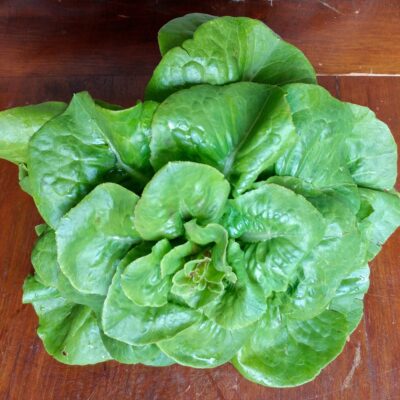
- Lettuce grows well alongside radishes because radishes mature quickly and help loosen the soil early in the season, while lettuce roots are fairly shallow.
- Marigolds are often described as “the gardener’s friend” because they repel many pests when planted near almost any vegetable crop. Some gardeners actually surround their entire garden plot with marigolds!
- Peas fix nitrogen that benefits spinach growth while spinach helps retain soil moisture. Plus, they both love cooler weather.
- Cucumbers benefit from nasturtiums, which act as a trap crop for aphids and beetles.

Negative Companion Planting
While many plant combinations are beneficial, some pairings should be avoided due to negative interactions too. These are even less commonly thought about, but just as important.
- Onions and beans generally do not grow well together as onions may stunt bean growth through chemical interference.
- Fennel is notorious for releasing chemicals that inhibit the growth of most garden plants nearby, so it is best planted alone.
- Nightshades share susceptibility to similar diseases and pests, so planting them together increases the risk, especially if you don’t rotate the crops from year to year.
- Dill can inhibit carrot growth if planted too close or for too long during the growing season, which makes careful spacing important.
- Sunflowers can also inhibit the growth of other plants around them, even though you might be tempted to make them into a natural trellis.
- Cabbage does not thrive near strawberries because cabbage is such a heavy feeding plant and don’t grow well together either.
- Garlic’s strong odor may inhibit pea growth, so it’s better to keep these apart.
- Chives, like other alliums, can stunt bean growth due to allelopathic chemicals they release.
Also, while not really a companion plant, black walnut trees can also excrete a chemical that stunts the growth of other plants around them. Interactions like this are also worth considering when you have a lot of existing trees, shrubs, or other wild or domesticated plants in your garden area.
Companion Planting FAQs
How is Companion Planting Different from Crop Rotation?
Companion planting and crop rotation are both gardening techniques used to improve plant health and soil quality, but they differ in their approach and focus.
- Companion planting involves growing different plant species close together at the same time to create beneficial interactions.
- Crop rotation is the practice of changing the type of crop planted in a particular area from season to season or year to year to prevent soil depletion, reduce pest buildup, and minimize disease.
While companion planting emphasizes spatial relationships between plants growing simultaneously, crop rotation focuses on temporal changes in planting patterns to maintain long-term soil fertility and reduce risks associated with monoculture. Both are important methods for organic gardeners who care about long-term garden health.

What is a Trap Crop?
A trap crop is a plant grown specifically to attract pests away from the main crops you want to protect. By planting a trap crop nearby, the pests focus their attention on this sacrificial plant, reducing damage to your more valuable vegetables or flowers.
For example, nasturtiums are often used as trap crops because they attract aphids away from crops like cucumbers and tomatoes. This method can be an effective way to manage pests by exploiting their feeding preferences. (Some people also plant sacrificial stands of the same crop separate from their main planting, though this is obviously a bit riskier.)
How to Get Started with Companion Planting the Easy Way
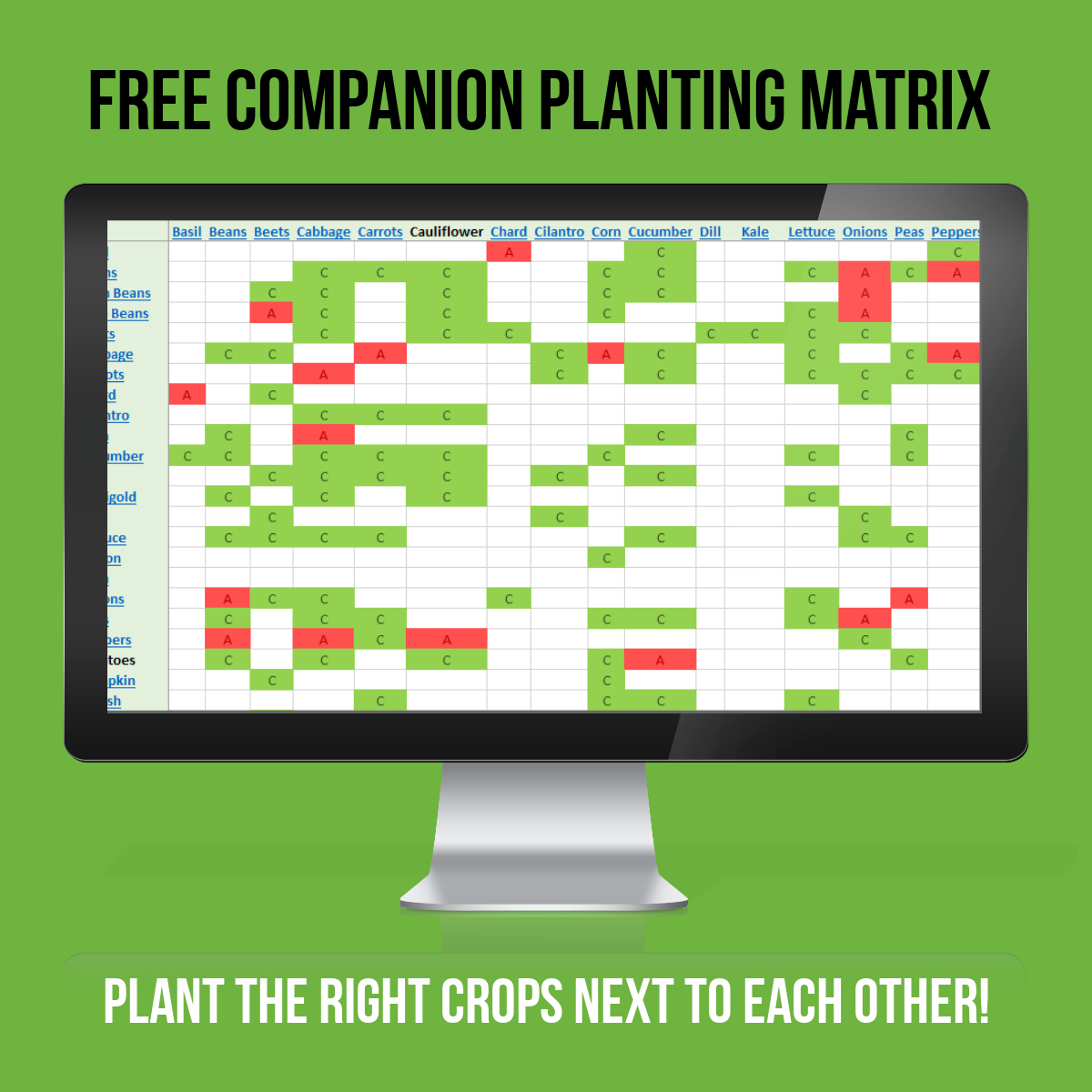
Getting started with companion planting doesn’t have to be complicated or overwhelming!
Begin by researching the plants you want to grow to understand their known companion relationships. Starting small is key; try simple combinations before expanding to more complex arrangements. Planning your garden layout carefully will help ensure proper spacing, sunlight exposure, and companion groupings that maximize benefits. Watch how your plants grow, note pest activity, and adjust your companion planting strategies based on what you learn each season. Keeping records of successful and unsuccessful pairings will help you refine your methods year after year.
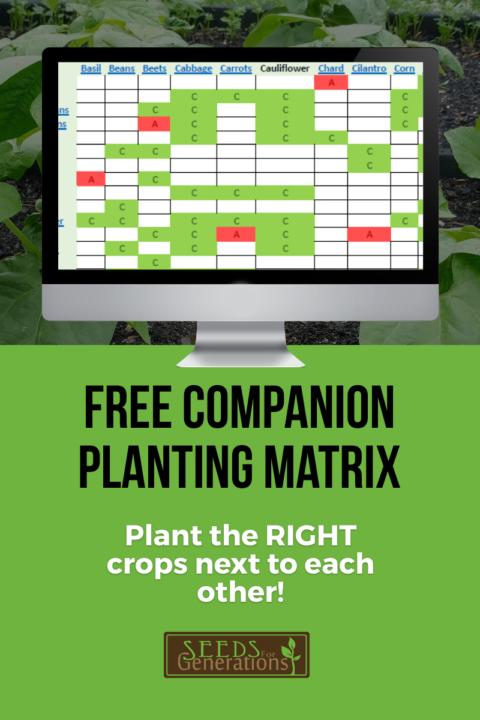
Need a quick way to get started? Check out our free Companion Planting Matrix tool here!