Disclosure: Seeds for Generations is a part of Amazon Services LLC Associates Program, as well as other affiliate and/or referral programs. If you purchase or opt-in after clicking on these links, at no additional cost to you, we may receive a small commission for making you aware of these important resources.
Pollinators play a vital role in home vegetable gardens and orchards by helping plants produce fruits and seeds. Without them, many of the foods we love would be much harder, if not impossible, to grow. Understanding the common pollinators and how to attract them can improve your garden’s productivity and create a lively, healthy ecosystem right outside your door.
When it comes to pollinators, a variety of insects contribute to the health and productivity of your garden. Let’s learn more!
Bees as Pollinators in the Garden
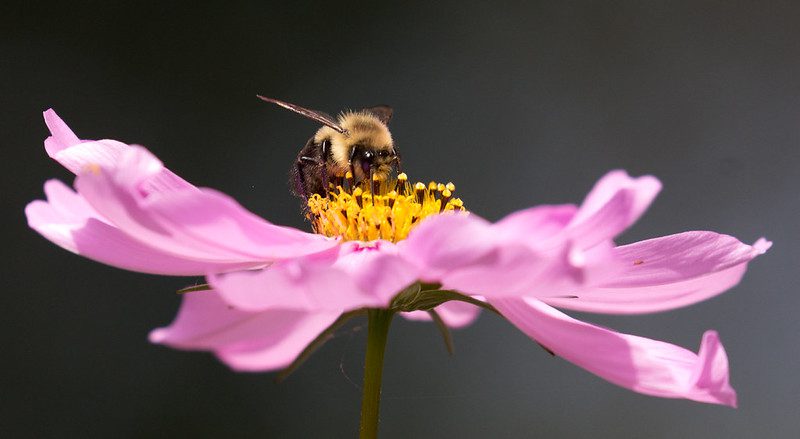
How Bees Pollinate
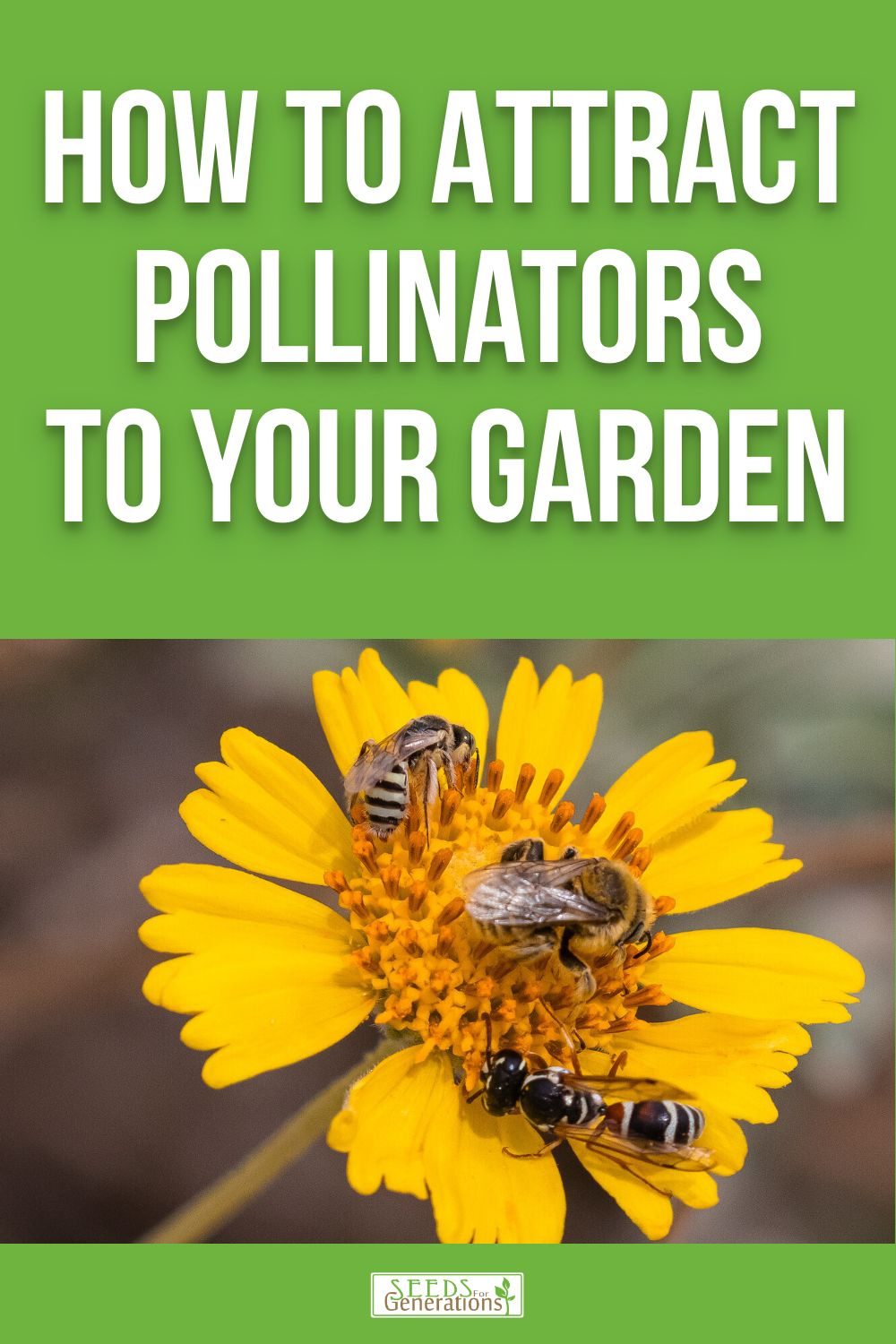
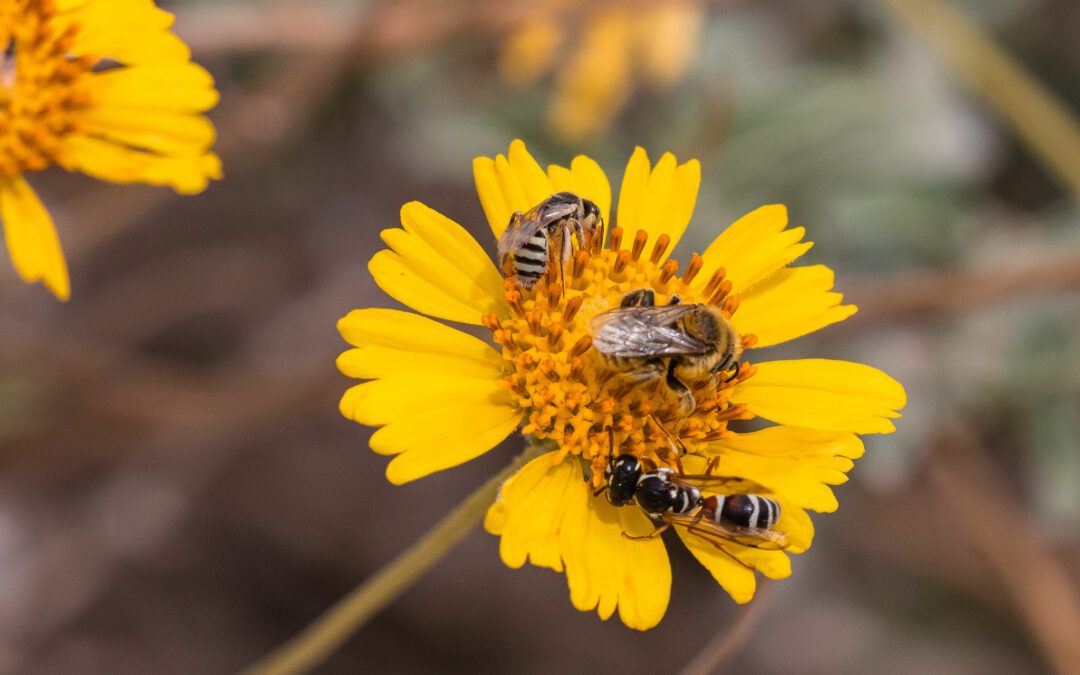
Bees are nature’s most efficient pollinators. As they collect nectar and pollen for food, pollen grains stick to their hairy bodies and get transferred from flower to flower. This cross-pollination helps plants set fruit and seeds.
Different Types of Bees
There are many different kinds of bees, and these are the most important varieties for pollination in the garden:
- Honeybees The most familiar, often managed by beekeepers but also wild colonies exist nearby. They pollinate a wide range of crops.
- Bumblebees: Larger and fuzzier, bumblebees can “buzz pollinate” by vibrating flowers, which is especially useful for tomatoes, peppers, and blueberries.
- Native Solitary Bees: Mason bees, leafcutter bees, and mining bees are excellent orchard pollinators. They don’t live in colonies but are very efficient.
What Flowers, Herbs, Veggies, Shrubs, & Trees Bees Like
Bees are attracted to blossoms with bright colors (especially blue, purple, yellow) and sweet nectar. Some favorites include:
- Herbs: Lavender, thyme, basil, oregano
- Vegetables: Tomatoes, squash, cucumbers, beans, peppers
- Flowers: Sunflowers, coneflowers, daisies
- Orchard trees: Apples, cherries, pears
Butterflies & Moths as Pollinators in the Garden
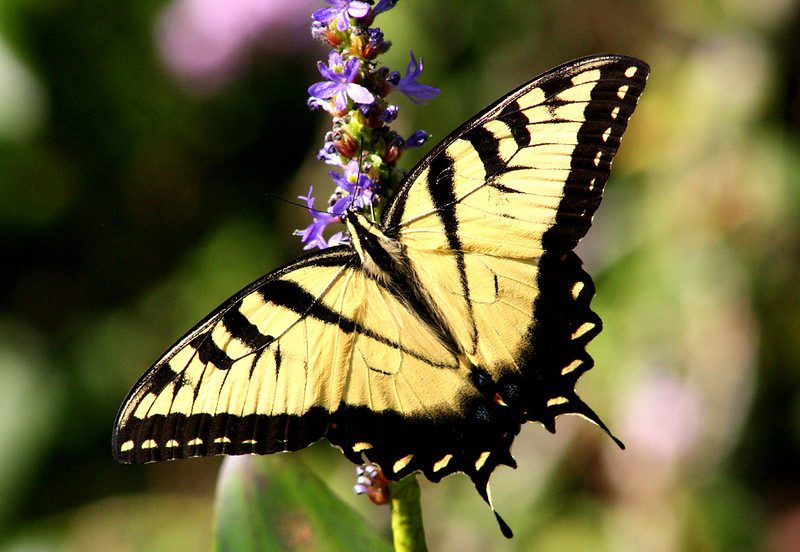
How Butterflies & Moths Pollinate
Butterflies and moths pollinate as they feed on nectar using their long proboscis. While they’re not as efficient as bees because they carry less pollen on their bodies, they still contribute significantly. Common beneficial visitors include monarchs, swallowtails, and sphinx moths. That said, some moth caterpillars can be pests (e.g., armyworms), so it’s good to monitor populations.
What Flowers, Herbs, Veggies, Shrubs, and Trees Beneficial Butterflies and Moths Like
Butterflies and moths are attracted to brightly colored flowers with flat landing platforms such as:
- Flowers: Milkweed, zinnias, butterfly bush
- Herbs: Dill, fennel, parsley (also host plants for caterpillars)
- Vegetables: Beans and peas (flowers attract adult butterflies)
- Trees/Shrubs: Willow and poplar
Butterflies/moths add beauty and diversity, indicate environmental health, and caterpillars provide food for birds.
Hoverflies as Pollinators in the Garden
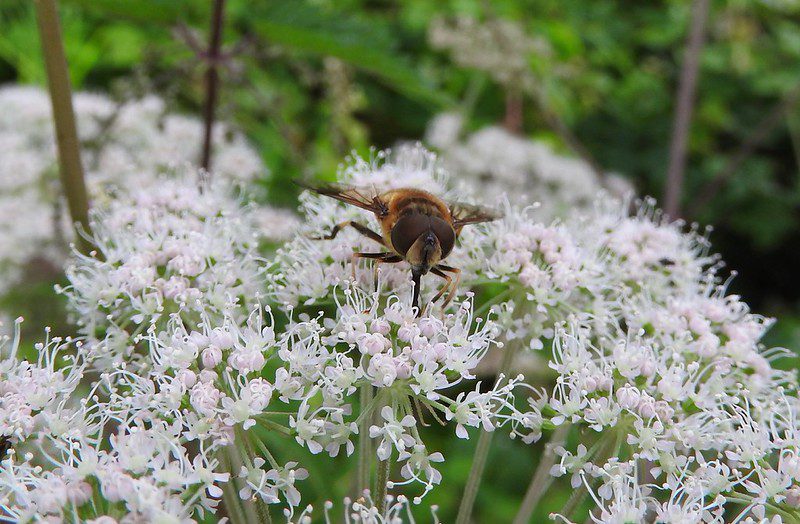
How Hoverflies Pollinate
Hoverflies resemble small bees or wasps and visit flowers to feed on nectar and pollen. While feeding, they transfer pollen between flowers. There are many species; some mimic bees or wasps for protection. Their larvae often feed on aphids and other pests.
What Flowers, Herbs, Veggies, Shrubs, and Trees Hoverflies Like
Hoverflies prefer open flowers with easy access to nectar such as:
- Flowers: Marigolds, alyssum, cosmos
- Herbs: Coriander (cilantro), dill
- Vegetables: Lettuce flowers, brassicas when flowering
- Shrubs/Trees: Elderberry
In addition to pollinating plants, their larvae are natural pest controllers that reduce aphid populations without chemicals.
Wasps as Pollinators in the Garden
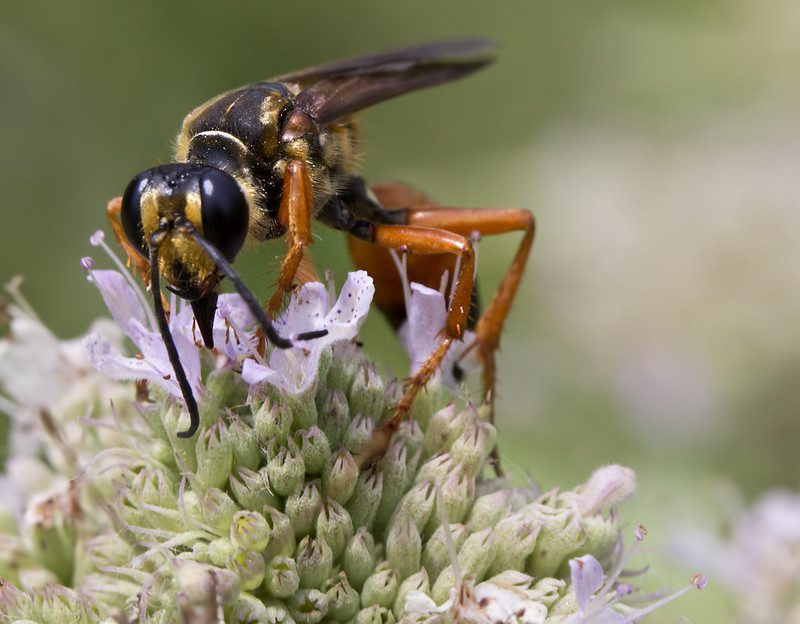
How Wasps Pollinate
Wasps visit flowers mainly for nectar. Though less hairy than bees and less efficient at carrying pollen, they still help with pollination as they move from flower to flower. Paper wasps and yellow jackets are common garden visitors. Some are solitary; others live in colonies.
What Flowers, Herbs, Veggies, Shrubs, & Trees Wasps Like
Wasps tend to prefer flowers with easily accessible nectar like:
- Flowers: Goldenrod, Queen Anne’s lace
- Herbs: Mint family herbs (basil, thyme)
- Vegetables: Peas and beans when flowering
- Trees/Shrubs: Elderberry
Wasps are excellent predators of many insect pests including caterpillars and aphids. They help keep pest populations in check naturally.
Other Types of Pollinators
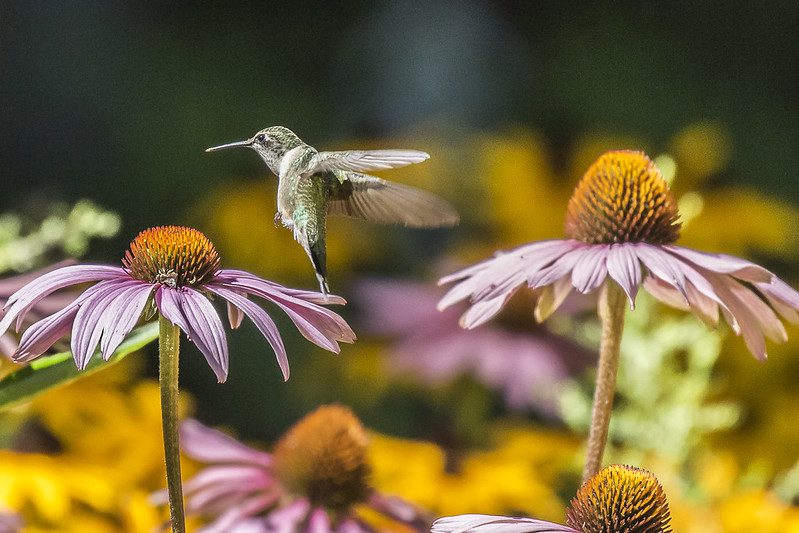
While these are the most common, there are a few other creatures that can also pollinate:
- Beetles: Some beetle species pollinate certain flowers, especially those with strong scents or bowl-shaped blossoms (e.g., some fruit trees and native plants). While less efficient than bees, they contribute to biodiversity and pollination in some crops.
- Ants: Ants do visit flowers and can carry pollen, but generally they are not effective pollinators because they don’t fly between flowers as much. They also sometimes protect or farm aphids, so their role is mixed.
- Birds (Hummingbirds): In some regions, hummingbirds act as important pollinators for certain flowers, especially tubular, brightly colored ones. Though not insects, they add value to garden pollination.
- Bats: While rare in home gardens and more relevant in tropical or desert climates, some bats pollinate night-blooming plants.
Other Considerations for Making a Pollinator-Friendly Garden
Plan your garden with a variety of flowering plants that bloom at different times throughout the growing season, ensuring pollinators always have a reliable food source. Planting groups of the same species together can also help pollinators find and visit flowers more easily.
Be mindful to avoid broad-spectrum pesticides that can harm these beneficial insects. Create welcoming habitats by leaving bare patches of soil for ground-nesting bees or setting up bee houses for solitary species. Don’t forget to provide fresh water too—shallow dishes filled with water and a few stones make safe drinking spots for pollinators.
Conclusion
Creating a garden that welcomes bees, butterflies, hoverflies, wasps, and other pollinators can boost your vegetable and fruit production while enriching your outdoor space with beauty and life. By planting a variety of flowers, herbs, shrubs, and trees favored by these helpful insects and providing safe habitats for them to thrive, you’ll enjoy a flourishing garden that feeds both your family and local wildlife at the same time.