Seeds for Generations is a part of Amazon Services LLC Associates Program, as well as other affiliate and/or referral programs. If you purchase or opt-in after clicking on these links, at no additional cost to you, we may receive a small commission for making you aware of these important resources.
When it comes to eating healthy, many people think of buying expensive gourmet fruit, mixing neon green powders into smoothies, or taking expensive supplements. Perhaps you’ve thought of superfoods as more of the same.
But what if it wasn’t like that?
What are Superfoods?
According to the Collins English Dictionary, a superfood is: “a food that is considered especially nutritious or otherwise beneficial to health” One of the greatest benefits of growing a garden is that you can enjoy lots of homegrown superfoods picked fresh from the plants! They’re SO much more nutritious and delicious this way.
What are some common superfoods you can grow in the garden? Here are some ideas to get you started growing superfoods at home.
15+ Superfoods to Grow at Home

Carrots
Don’t search for exotic superfoods if you have carrots in your kitchen! One of the most commonly found vegetables, carrots are rich in beta-carotene (which converts into Vitamin A). Red and purple carrots, more common among heirloom varieties, contain anthocyanin. All carrots are high in fiber, Vitamin K, potassium, biotin, and even Vitamin B6!
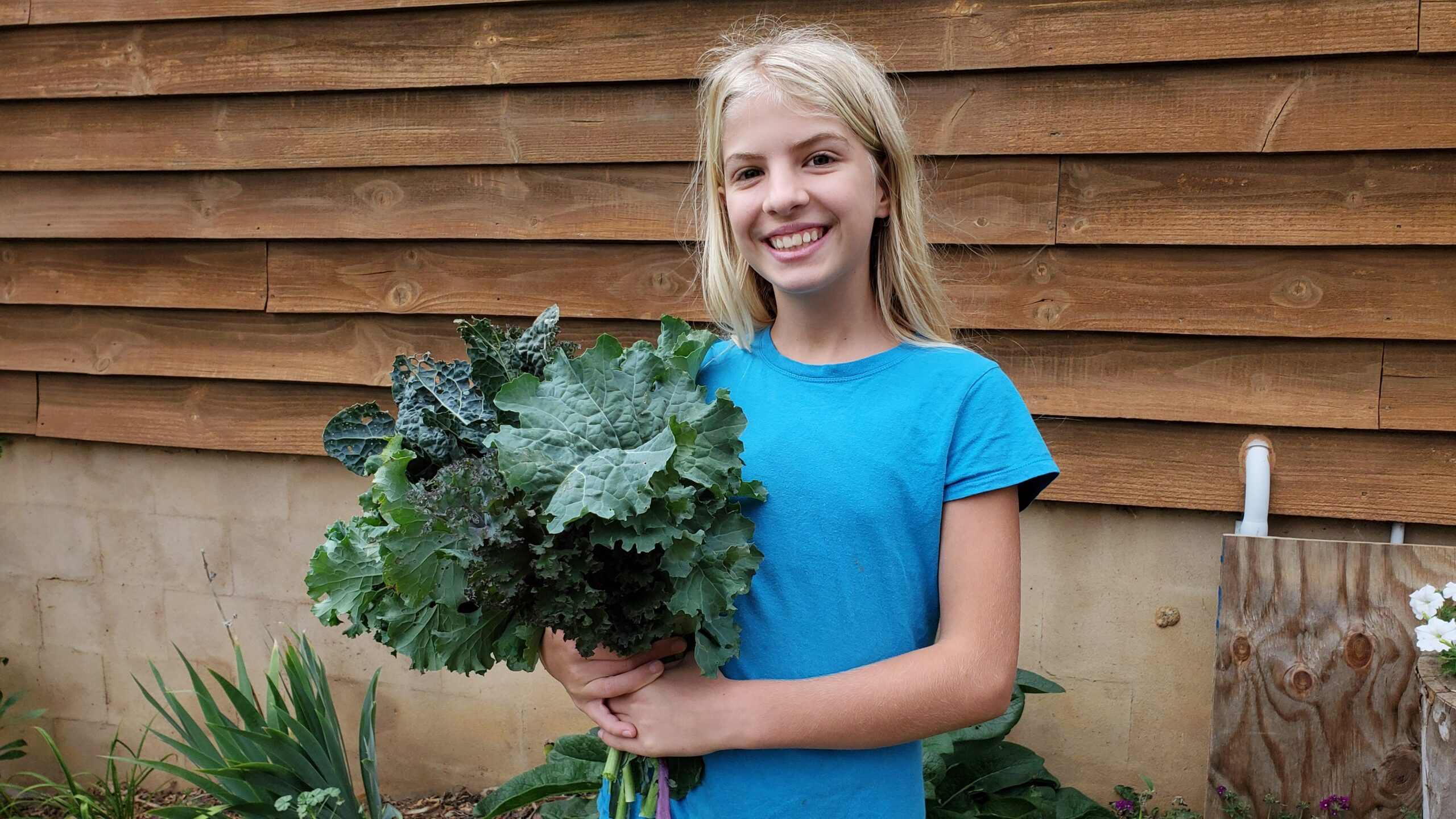
Kale
Kale has exploded in popularity within the past decade, but it’s been around for a lot longer. This leafy green is high in lutein, antioxidants, Vitamin K, calcium, and iron, plus it support’s the body’s detoxification thanks to it containing fiber and sulfur compounds. Kale comes in straight- and curly-leaved varieties, as well as multiple shades of green and purple.
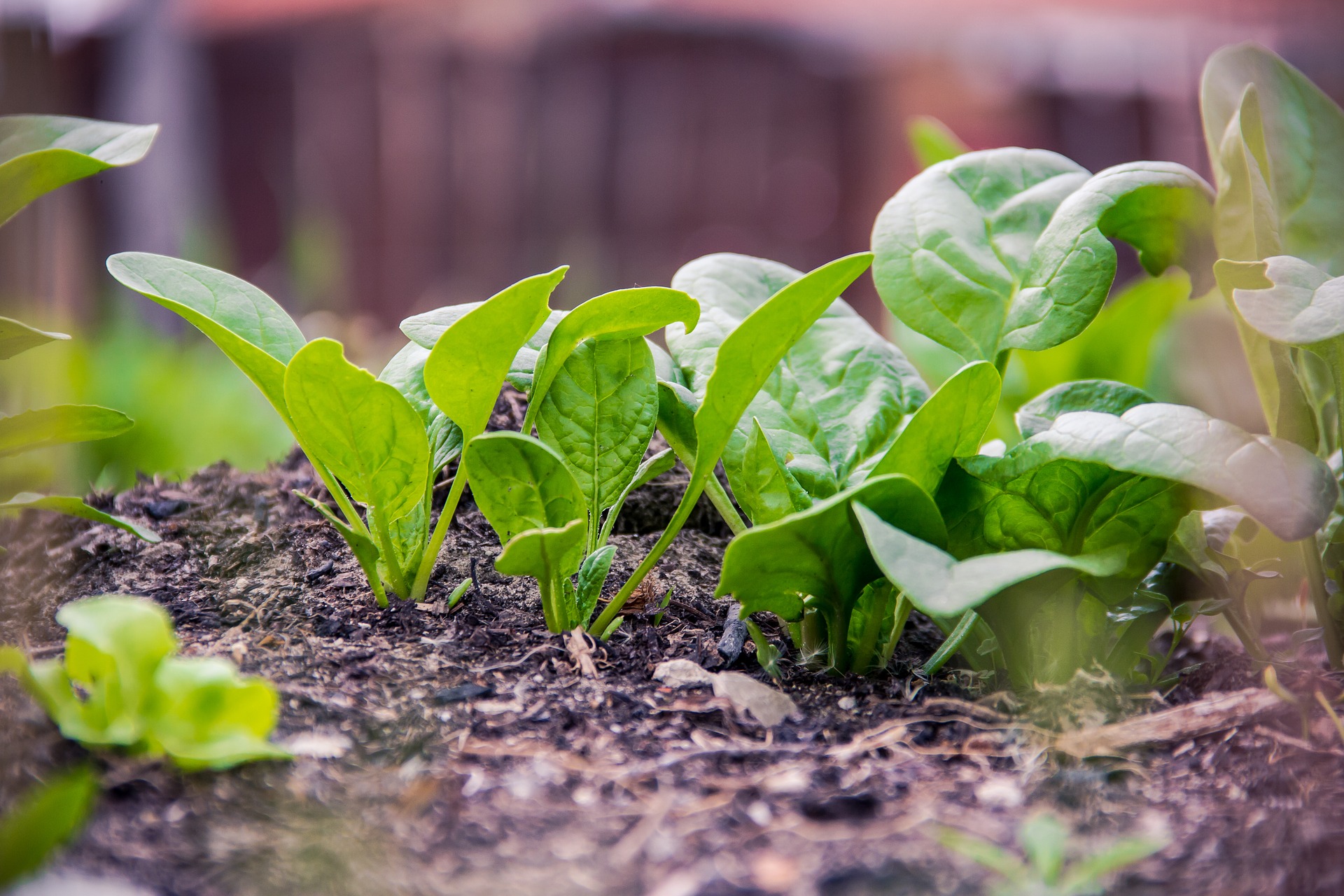
Spinach
Even if you grew up hating spinach as a child, there’s a good reason your parents told you to eat it! Spinach is very high in carotenoids, Vitamin K, iron, calcium, and so much more. It also can act as anti-inflammatory support, thanks to its containing antioxidants and omega-3 fatty acids. Spinach is also high in chlorophyll. I guess that’s why it’s so green! 🙂
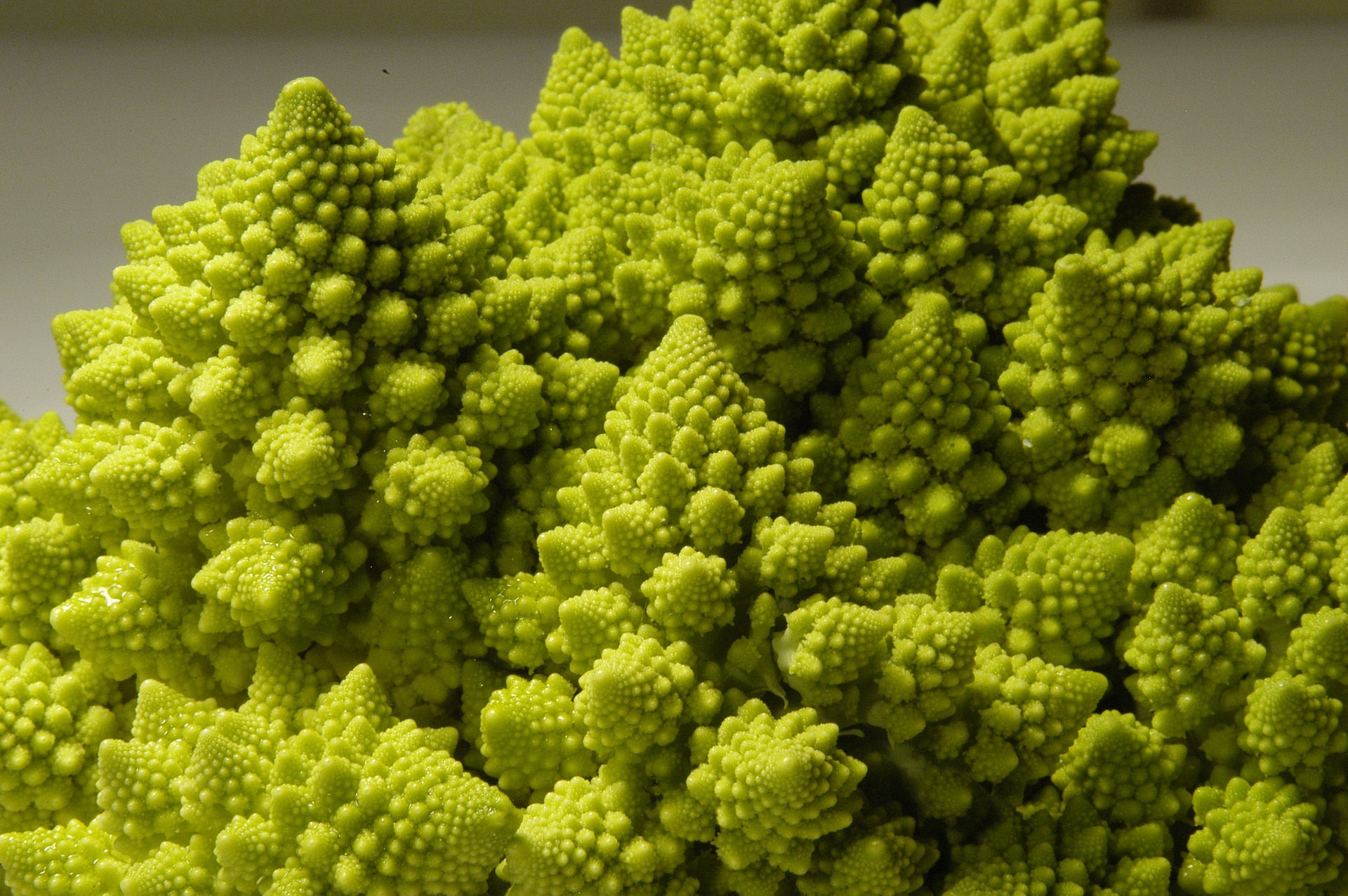
Broccoli
Another childhood favorite, broccoli offers many health benefits. It may improve detoxification and has been considered as a possible cancer preventative. It also supports digestion and cardiovascular health. Steaming broccoli is best for nutritional purposes.
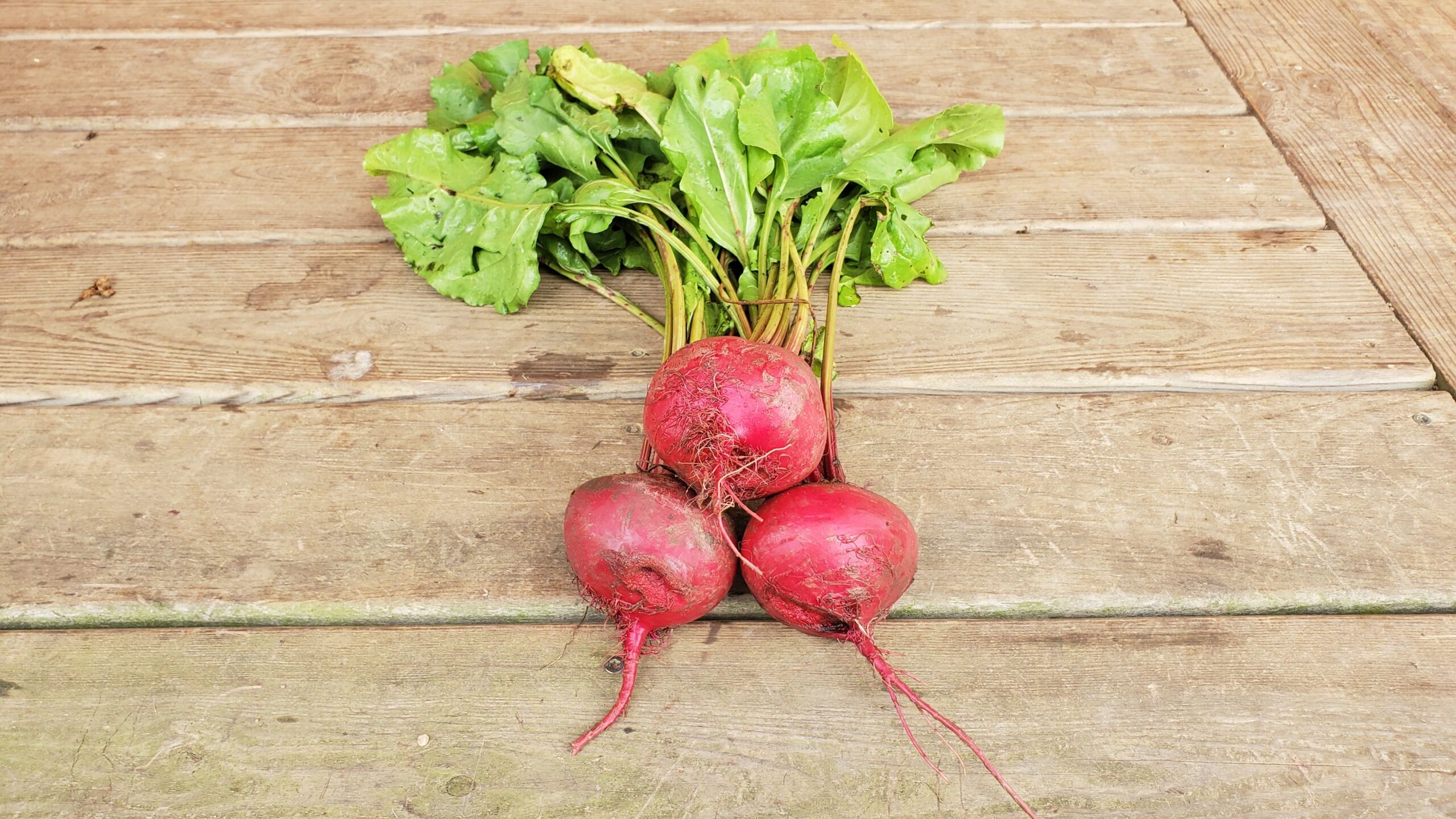
Beets
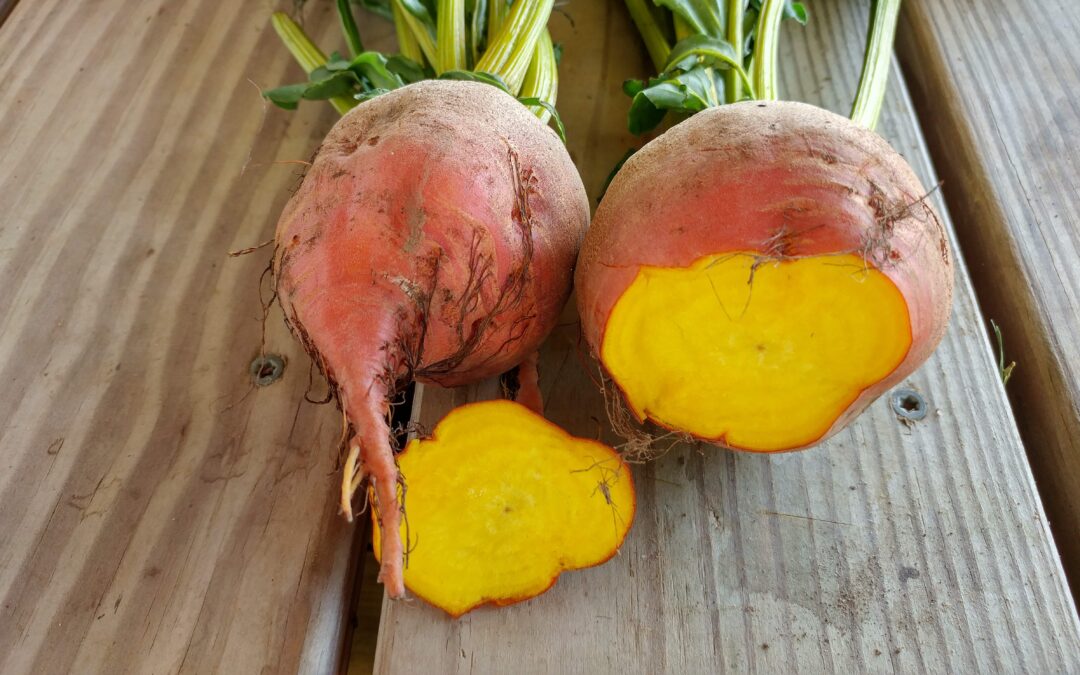
With their deep red color, it’s really no surprise that beets make this list of superfoods. Beets contain pigments and antioxidants, as well as nutrients like folate, manganese, copper, zinc, and Vitamin B2. The leafy greens and yellow beets also contain lutein.

Basil
Basil can be found in all kinds of different varieties, but this common Italian herb is also a good source of Vitamin A, Vitamin K, magnesium, manganese, copper, calcium, and folate. Basil also contains antibacterial properties that are found in its volatile oils (the compounds that gives basil its aroma).

Berries
Don’t forget to plant some berries (especially perennial berry bushes) in your garden. Theyr’e delicious, plus high in antioxidants and fiber. Strawberries, for example, are high in Vitamin C, while raspberries are high in potassium and blueberries contain resveratrol.
Cilantro
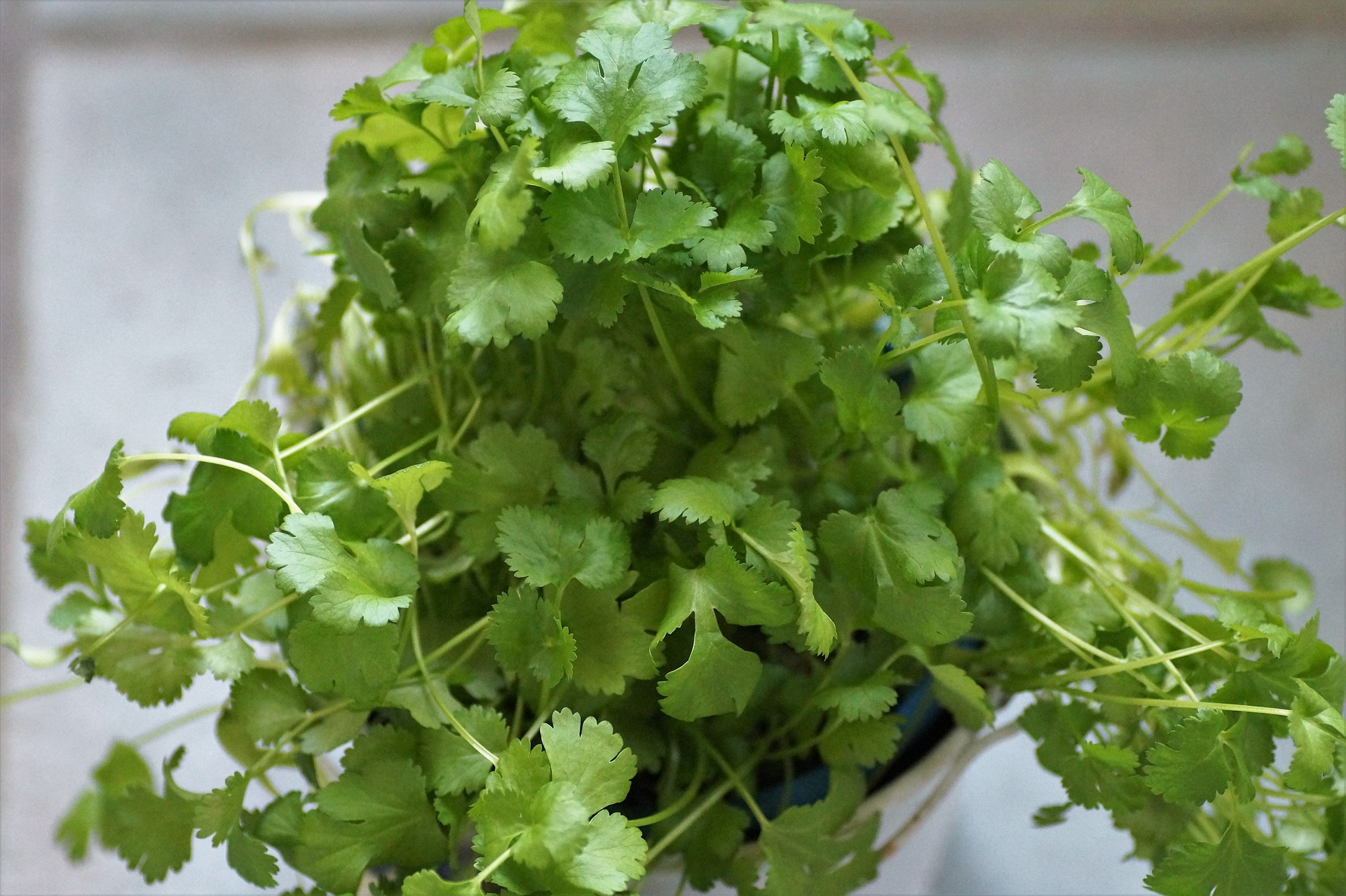
Did you know…cilantro is a chelator? That just means it binds with heavy metals to detox them from your body, so you don’t want to consume too much of it at once. Aside from the action as a chelator, cilantro (whose seeds are known as “coriander”) is also high in Vitamin K, folate, potassium, and calcium. It even contains a compound that fights Salmonella!
Parsley
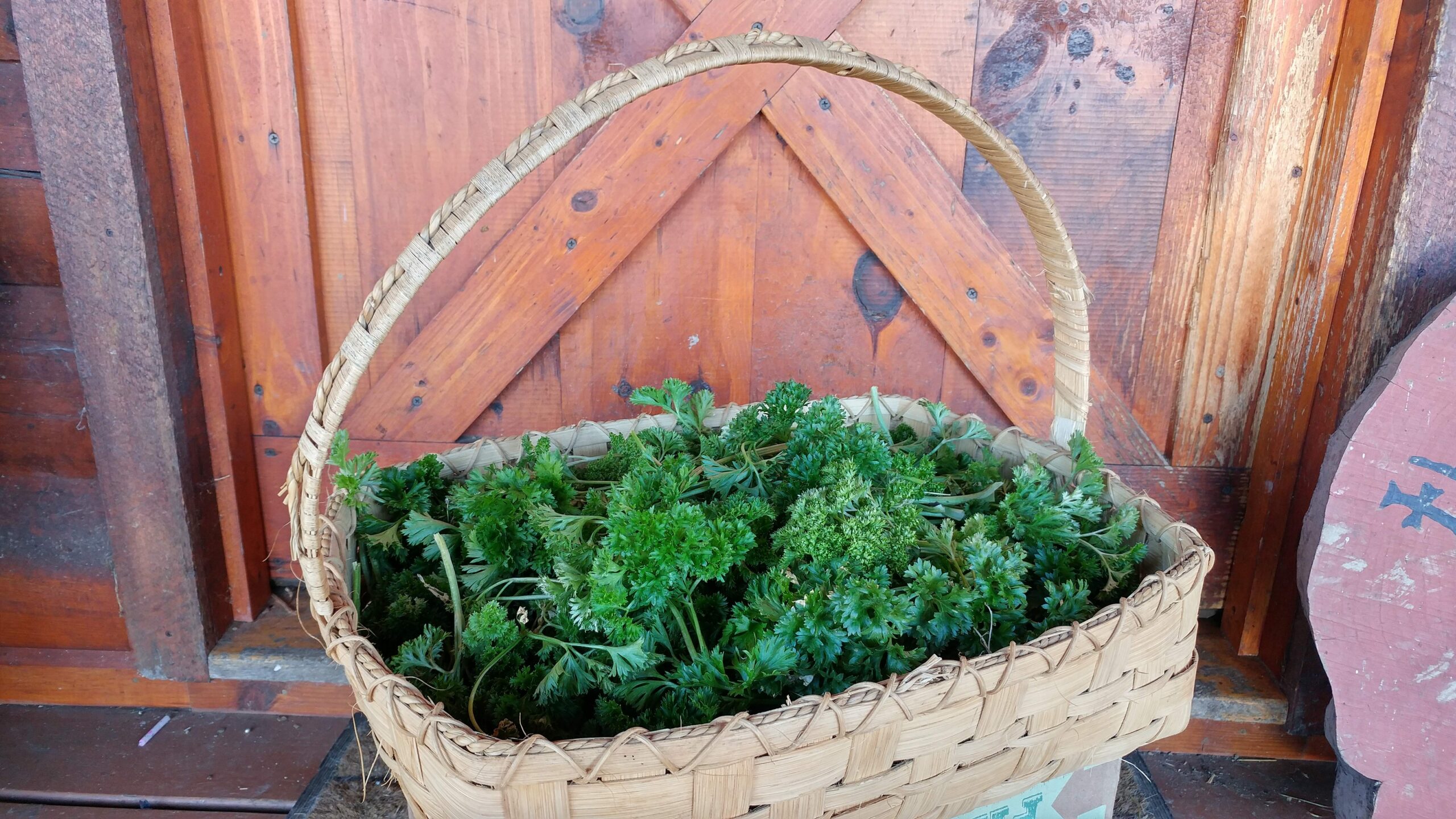
This breath-freshening herb has many culinary and medicinal uses. It is high in antioxidants, vitamin C, and beta-carotene, and it’s even been reported to minimize cancer-causing compounds in grilled foods and fight inflammation. Pick your favorite–curly or straight leaf parsley!

Sweet Potatoes
Sweet potatoes have a slightly lower glycemic score than regular potatoes, but they pack a nutritional and flavor punch. They’re very high in beta-carotene, so be sure to eat them with some fat. They’re also high in fiber, potassium, manganese, and vitamins B3, B5, and B6.
Watermelon
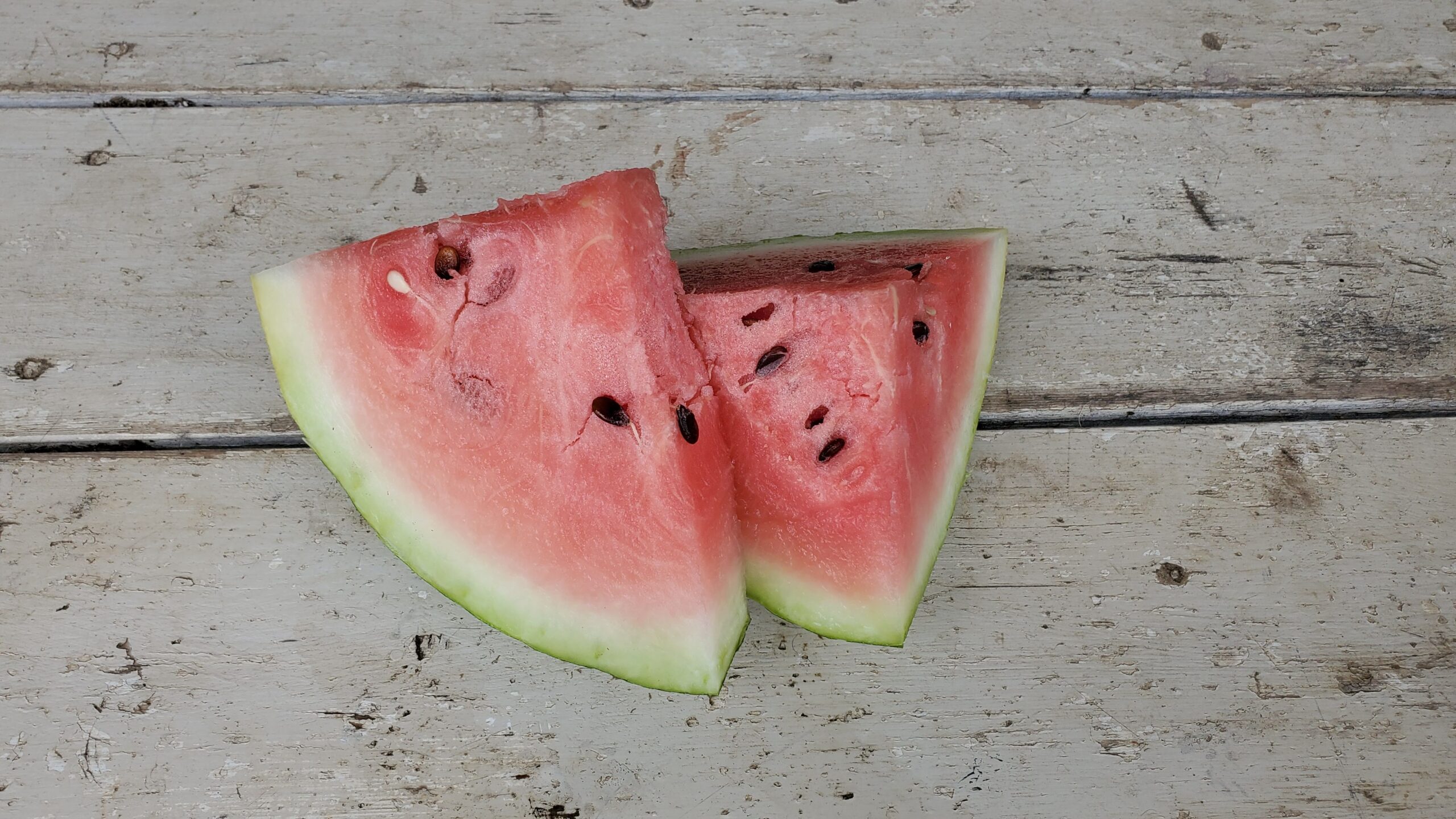
Nothing beats sinking your teeth into a slice of cold, sweet watermelon on a hot summer day. Even though watermelon is 90% water, it’s also high in lycopene (something that’s also found in tomatoes). It increases levels of arginine. Even the watermelon seeds contain nutrients!
Winter Squash
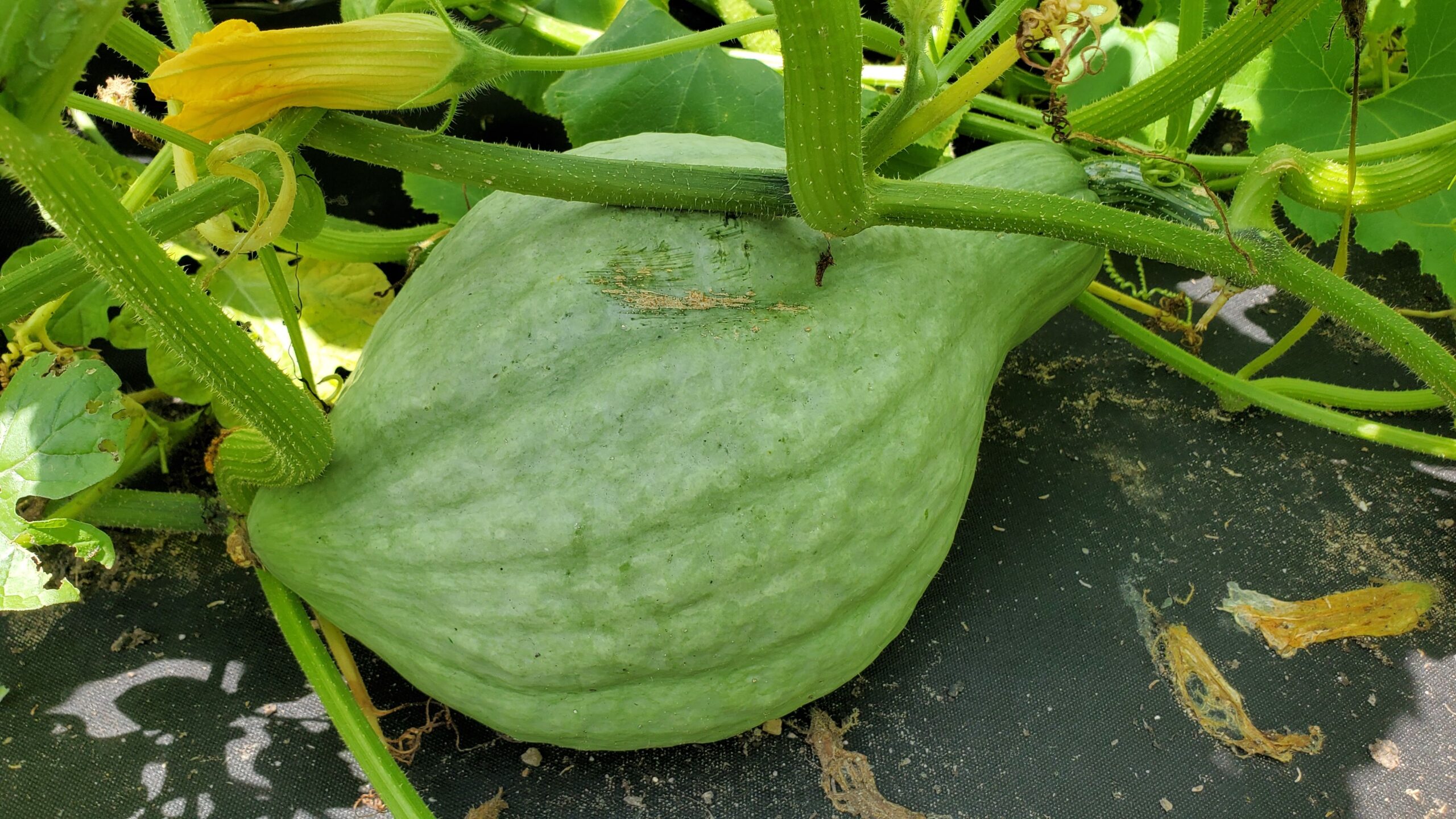
Winter squash is a high-carb food that stores relatively well, making it perfect for growing in a preparedness garden. It’s very high in carotenoids, plus it contains protein and B vitamins like B6, B2, and B3, as well as Vitamin C and Vitamin E. Talk about a nutrient powerhouse superfood!
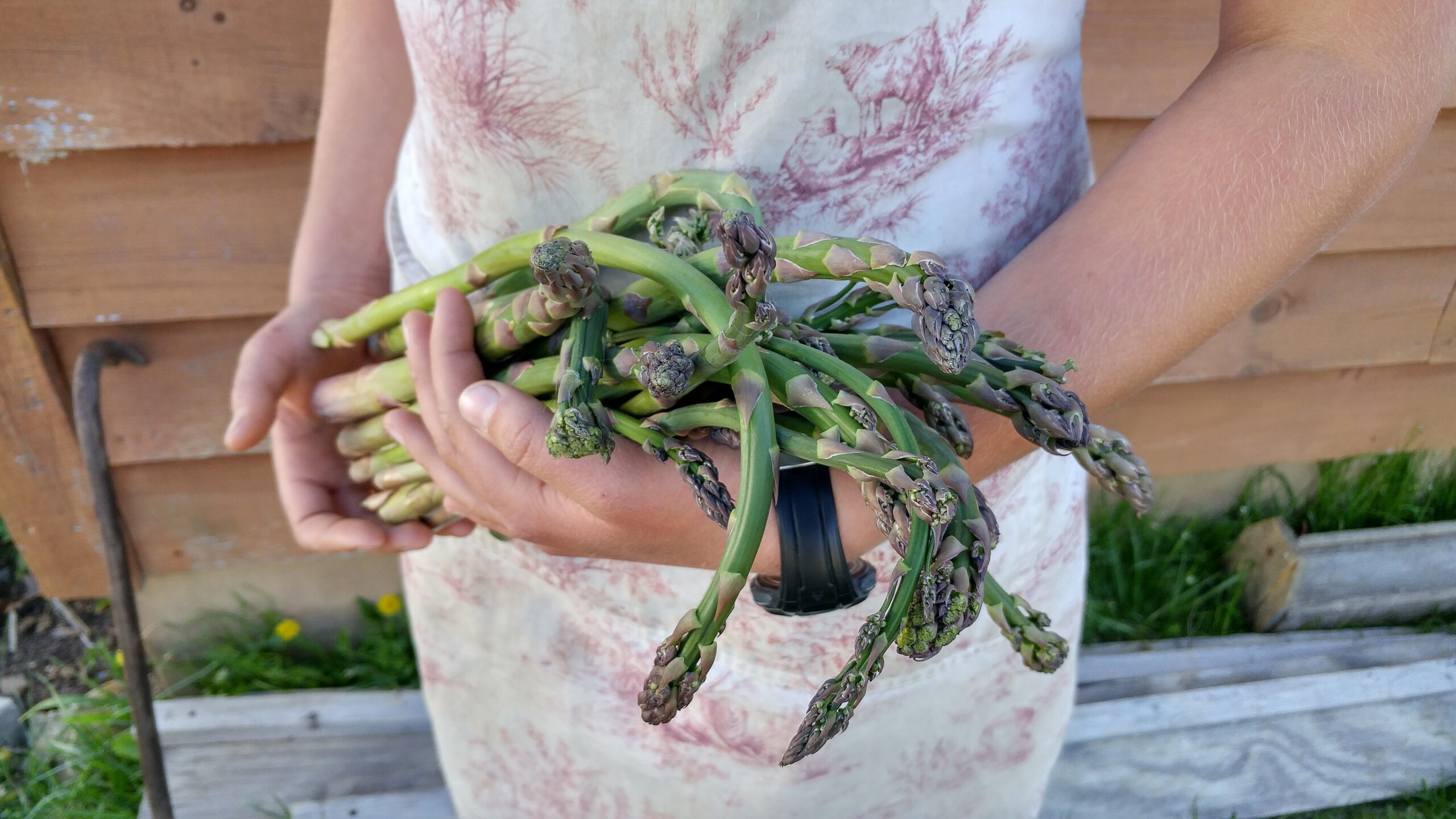
Asparagus
Every gardener should consider planting some asparagus, a perennial crop that produces abundantly once it’s well established. Not only is it productive, but it’s also a natural prebiotic that contains amino acids, Vitamin K, selenium, manganese, zinc, and choline.
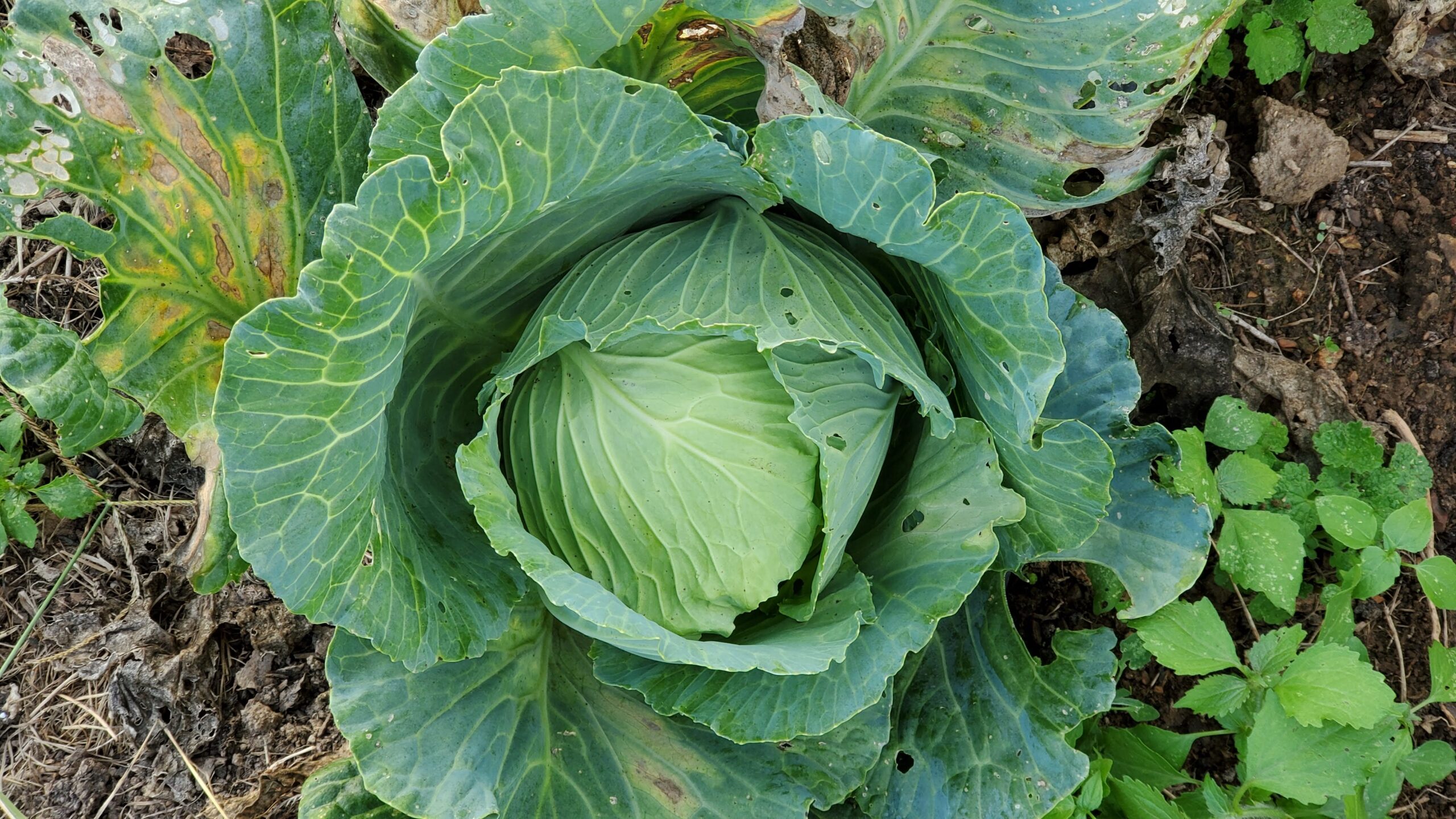
Cabbage
Cabbage is a superfood that contains a lot of antioxidant phytonutrients and cancer preventives. It may help with digestive health, regulating bacteria in particular. It’s also high in Vitamin K, Vitamin E, and sulphur.

Red Onions
Red onions contain more antioxidants and flavonoids than other onions. Onions also contain quercetin, which is naturally anti-inflammatory, as well as manganese, copper, phosphorus, Vitamin B6, Vitamin B1, and Vitamin C. Onions boost your absorption of lycopene, which is found in tomatoes. No wonder they taste so good together.
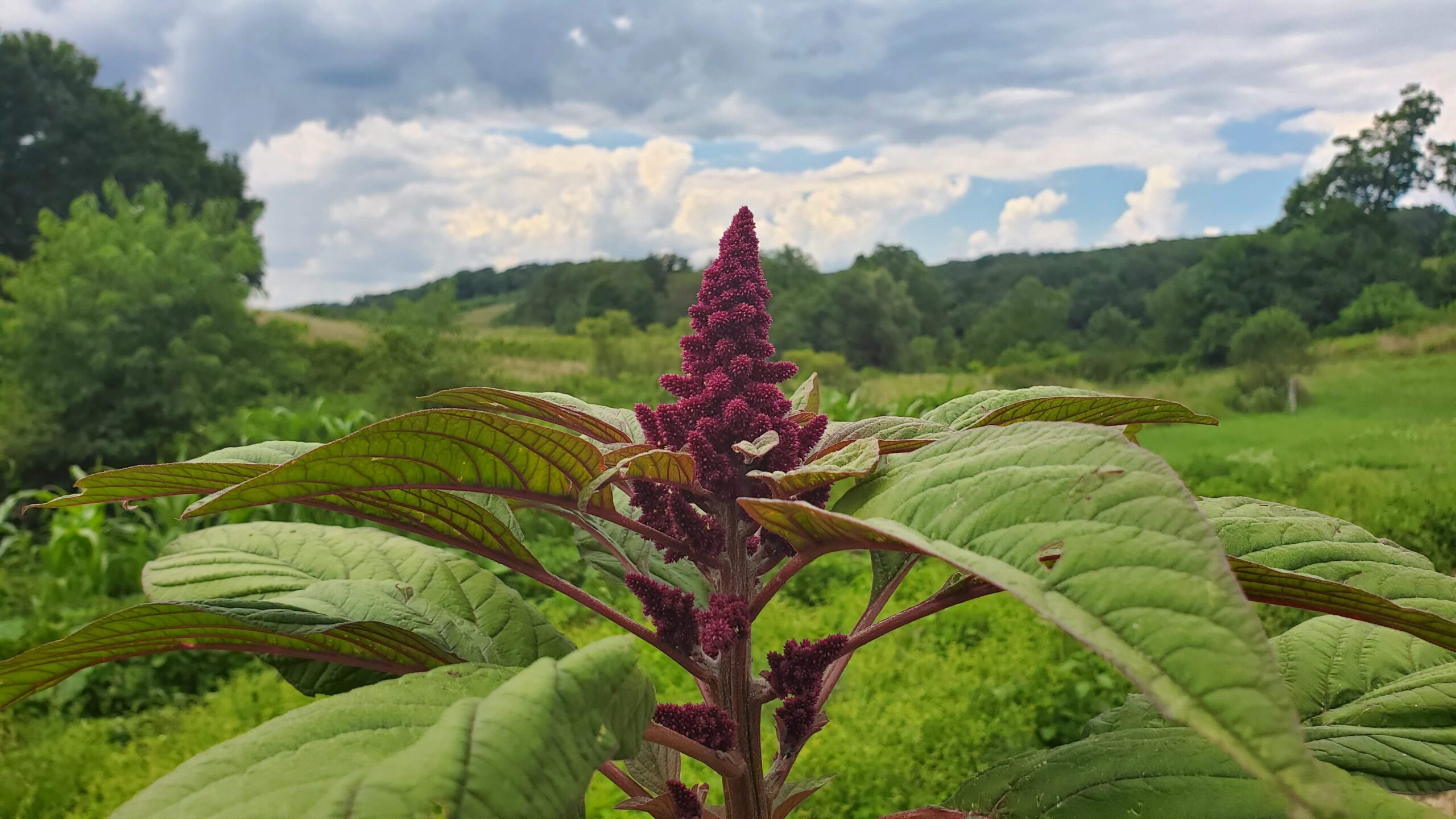
Amaranth
A less-familiar crop, amaranth is a gluten-free grain that’s high in protein and easy to digest. It contains lysine (an essential amino acid), as well as calcium. The leaves are high in Vitamin C, Vitamin A, and folate, while the grain is high in Vitamin E, iron, magnesium, and potassium. It looks beautiful growing in the garden.
Growing Superfoods Conclusion
Hopefully this post provides some good ideas for growing superfoods in your own garden. Have a good idea to add to this list? We’d love to hear about it! Post your suggestions in the comments below. You can also browse products tagged as superfoods here.
Use Succession Planting to Harvest Healthy Food Continuously from Your Garden!

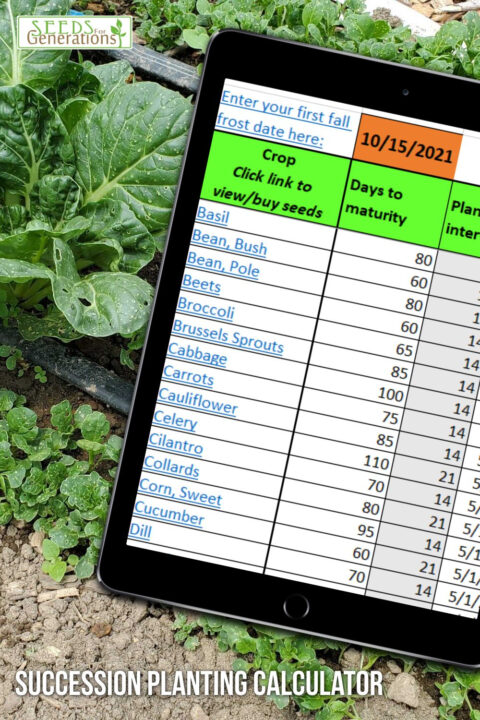
Our Succession Planting Calculator will help you make calculated efforts to plant continuously, for increased crops when you need them. Enter your frost date, and you’ll get planting dates for 32 common garden crops. Quick and easy to use, even for new gardeners!
Sources:
http://www.whfoods.com/genpage.php?tname=foodspice&dbid=21
https://www.healthline.com/nutrition/foods/carrots
http://www.whfoods.com/genpage.php?tname=foodspice&dbid=38
https://www.mindbodygreen.com/0-4408/Eating-Kale-Top-10-Health-Benefits.html
https://www.healthline.com/nutrition/foods/spinach#downsides
http://www.whfoods.com/genpage.php?tname=foodspice&dbid=43
http://www.whfoods.com/genpage.php?tname=foodspice&dbid=9
http://www.whfoods.com/genpage.php?tname=foodspice&dbid=49
https://foodrevolution.org/blog/benefits-of-beets/
http://www.whfoods.com/genpage.php?tname=foodspice&dbid=85
https://www.healthline.com/nutrition/basil
https://www.cooperaerobics.com/Health-Tips/Nutrition-Bites/Berries-Beyond-the-Cereal-Bowl.aspx
https://www.mindfood.com/article/health-benefits-raspberries/
http://www.whfoods.org/genpage.php?tname=foodspice&dbid=32
https://www.foodnetwork.com/healthyeats/healthy-tips/2013/07/the-health-benefits-of-berries
https://draxe.com/nutrition/cilantro-benefits/
http://www.whfoods.com/genpage.php?tname=foodspice&dbid=70
http://www.whfoods.com/genpage.php?tname=foodspice&dbid=100
https://www.thehealthy.com/nutrition/parsley-health-benefits/
http://www.whfoods.com/genpage.php?tname=foodspice&dbid=64
https://foodrevolution.org/blog/sweet-potato-health-benefits/
http://www.whfoods.com/genpage.php?tname=foodspice&dbid=31
https://draxe.com/nutrition/benefits-of-watermelon/
https://www.hsph.harvard.edu/nutritionsource/food-features/winter-squash/
http://www.whfoods.com/genpage.php?tname=foodspice&dbid=63
http://www.whfoods.com/genpage.php?tname=foodspice&dbid=12
https://www.wellandgood.com/good-food/benefits-of-asparagus/
https://www.hobbyfarms.com/7-health-benefits-of-cabbage/
http://www.whfoods.com/genpage.php?tname=foodspice&dbid=19
http://www.whfoods.com/genpage.php?tname=foodspice&dbid=45
https://www.health.com/nutrition/health-benefits-onions
https://www.theharvestkitchen.com/health-benefits-of-eating-onions/
https://lajollamom.com/amaranth-grain-leaves-health-benefits/