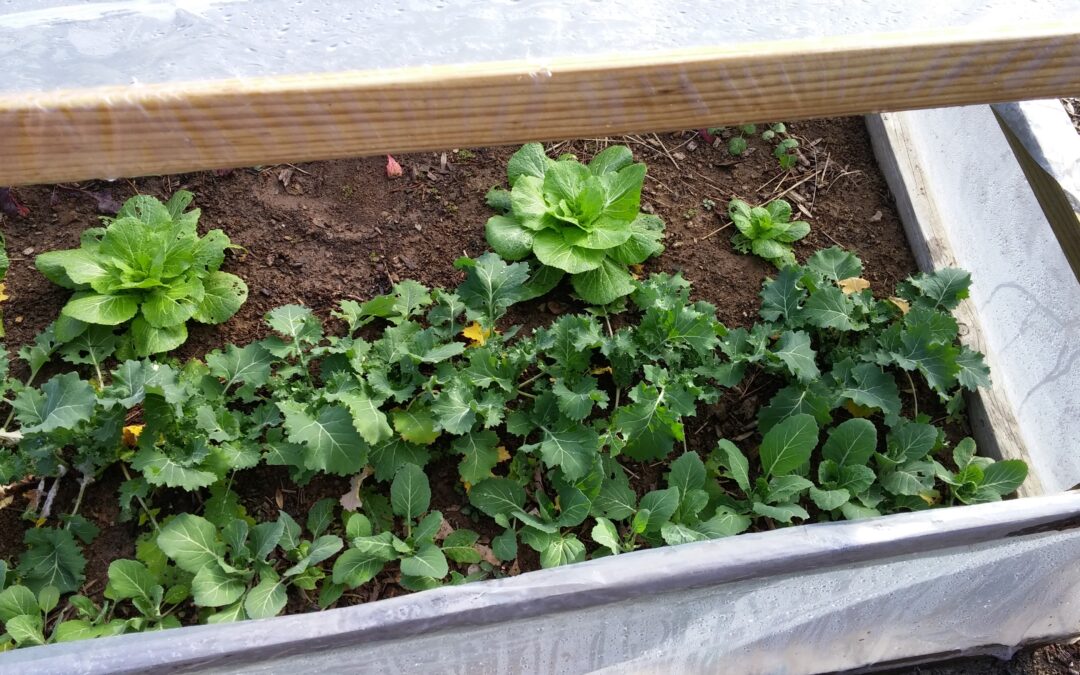
Have you ever wondered what fall garden crops you should plant? Well, let’s take a quick look at what to plant in fall garden this year!
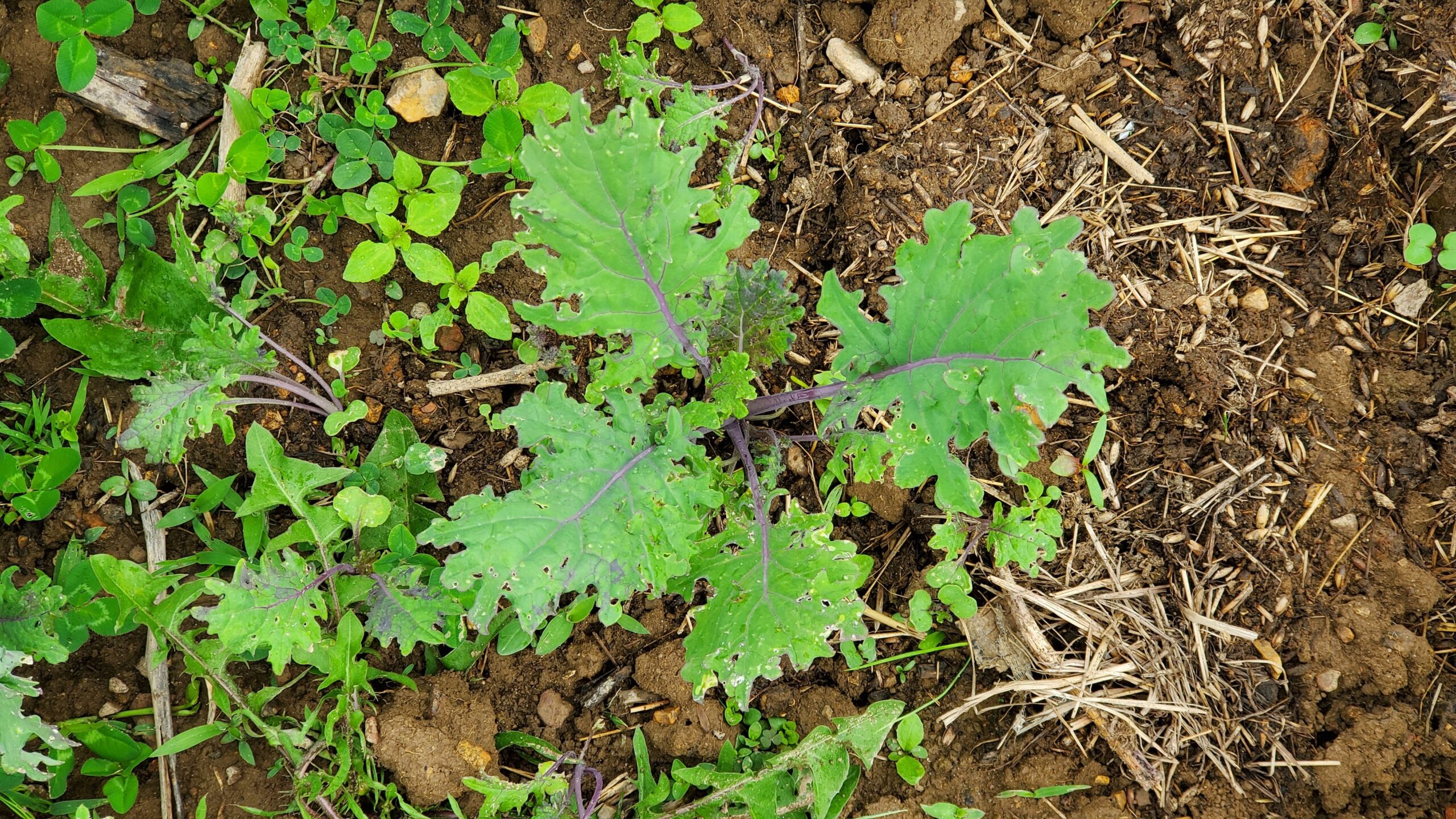
Leafy Greens
Leafy greens are one of the easiest fall garden crops to grow. They grow quickly, even in cooler weather, and will even grow back once you harvest the leaves. The cooler weather prevents them from bolting quickly and turning bitter, which is the primary challenge for spring and summer crops.
Here are some good leafy greens for your fall garden crops:
Chard
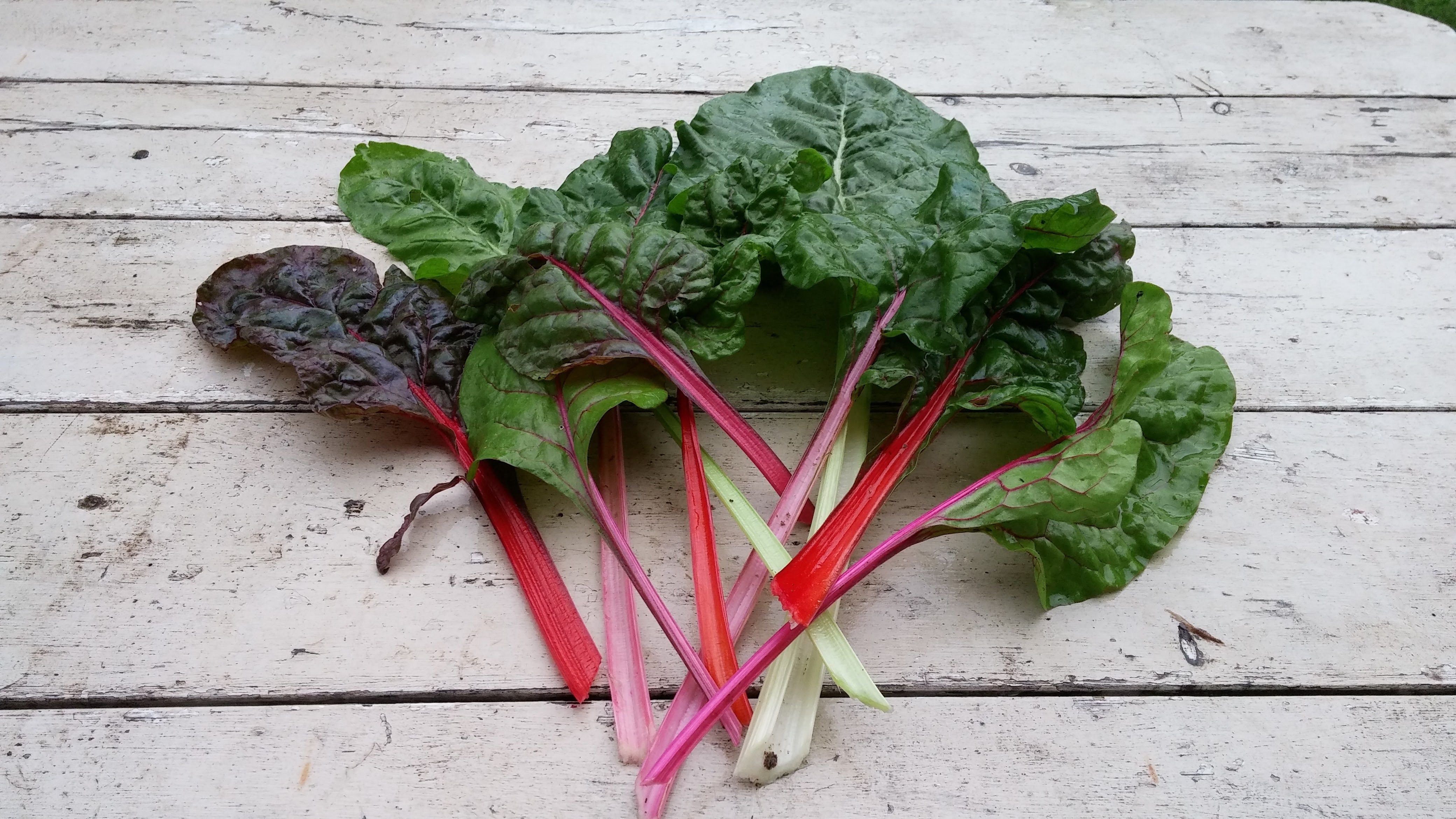
Chard tolerates light frosts and moderate freezes, and you can grow it both as a baby green or as a thick-ribbed vegetable. It grows best in soil temperatures of 50-85 degrees F.
We currently provide two different varieties of chard. Fordhook Giant is a wide-stemmed variety that can grow to a massive size, while Five Color/Rainbow chard is a mix of orange, purple, yellow, and white colored stems.
Collard Greens
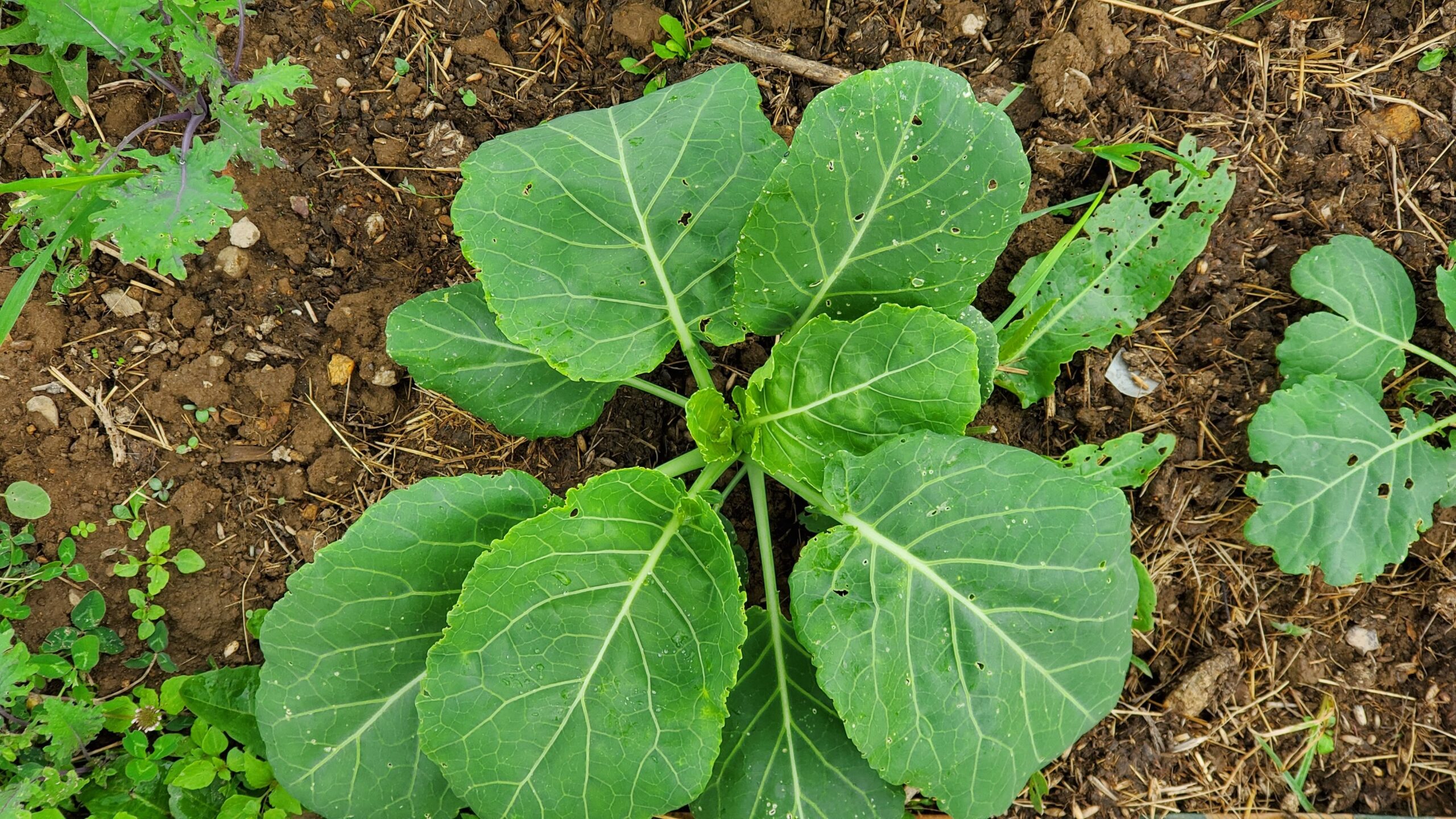
One of the best things about collard greens is that they tolerate more heat and frost than any other plant in the cabbage family!
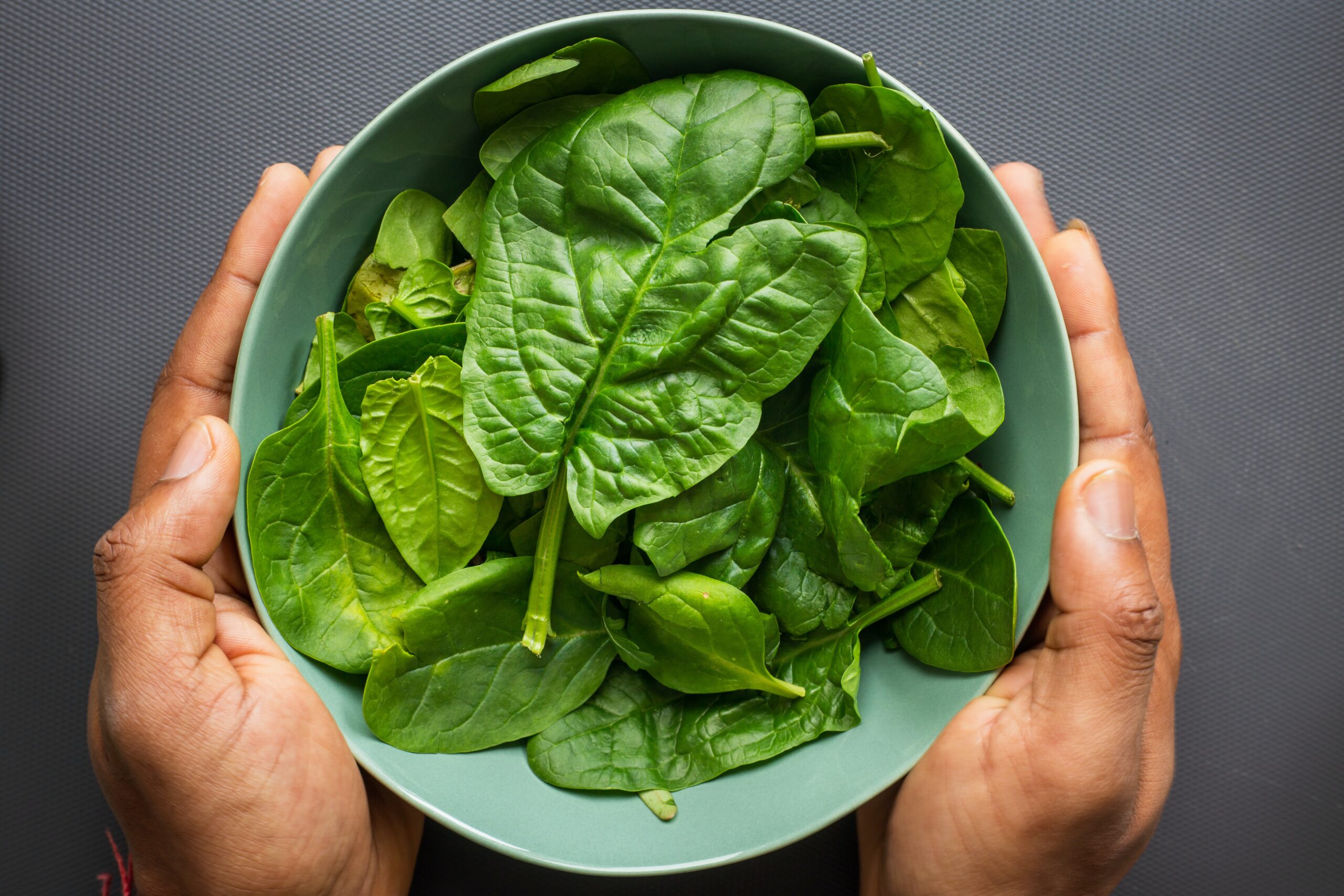
Spinach
Spinach is an incredibly nutritious green that germinates in soil temperatures of 50-75 degrees F. Once it’s established, you can cut the leaves and they will grow back, plus spinach also tolerates low temperatures if properly protected.
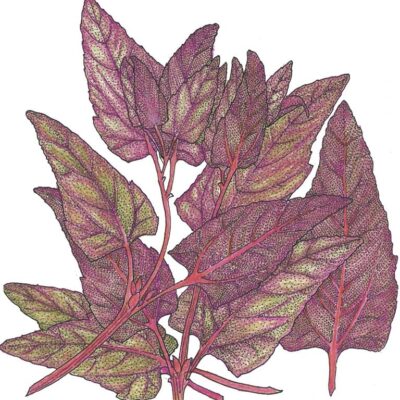
Speaking of spinach, we recently added a new seed variety called New Zealand Spinach to our store. It tastes very similar to spinach, but it’s actually a different leafy green that’s more heat tolerant. If you have a problem with your spinach bolting and producing seed, check it out!
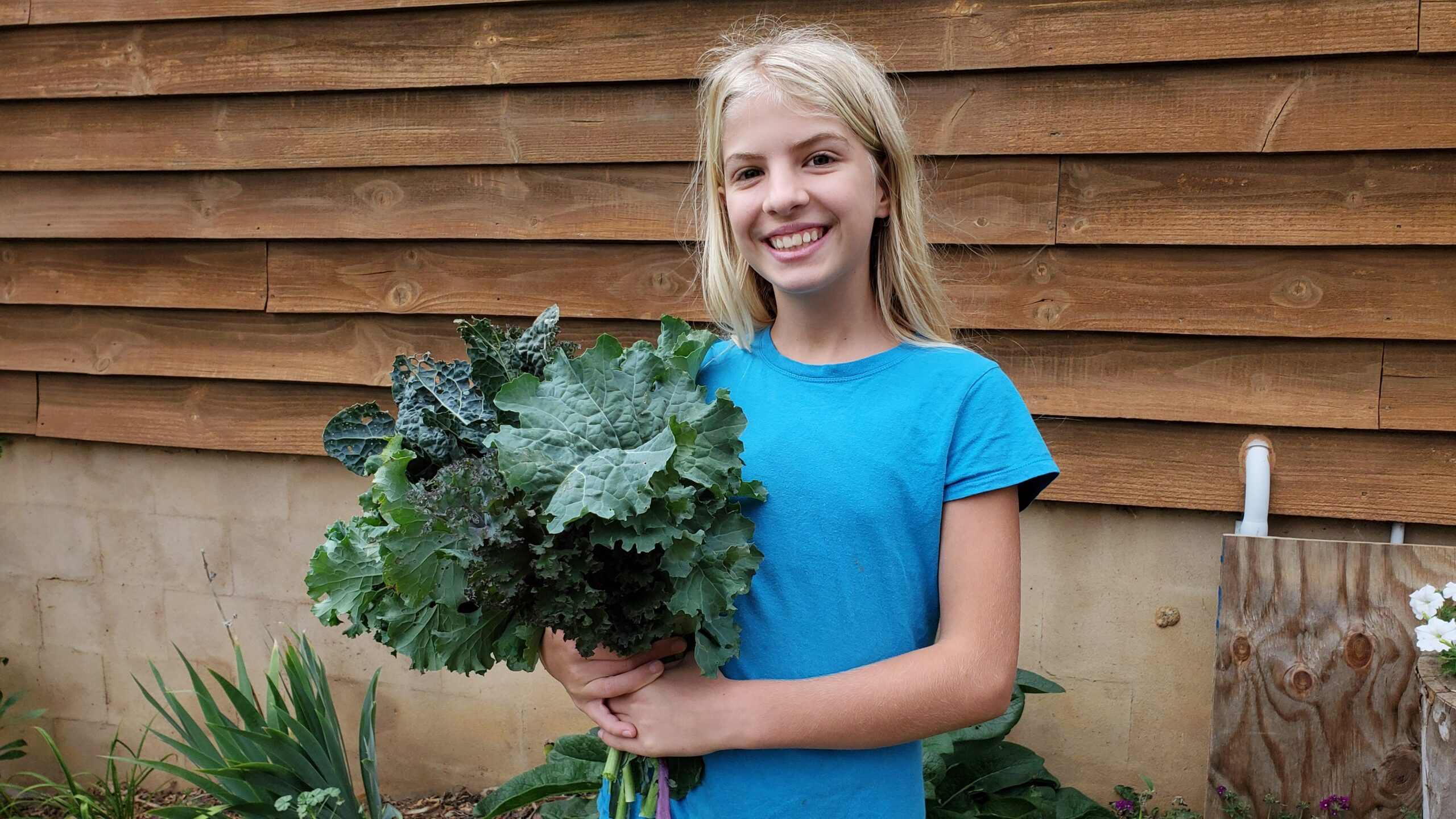
Kale
Who hasn’t heard of kale by now? This nutritious vegetable has been grown by home gardeners for years now, but it’s only become mainstream in the last few years. One of the best things about kale is that there are so many varieties you can grow, in colors from deep purple to dark green! Plus, it tolerates a wide range of temperatures, even tolerating moderate frosts. Along with collards, kale can survive through much of the winter, and you can harvest leaves whenever you need them!

Lettuce
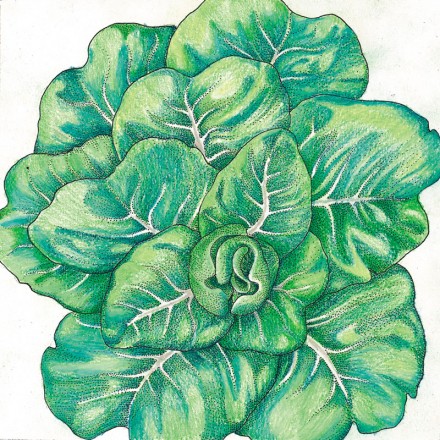
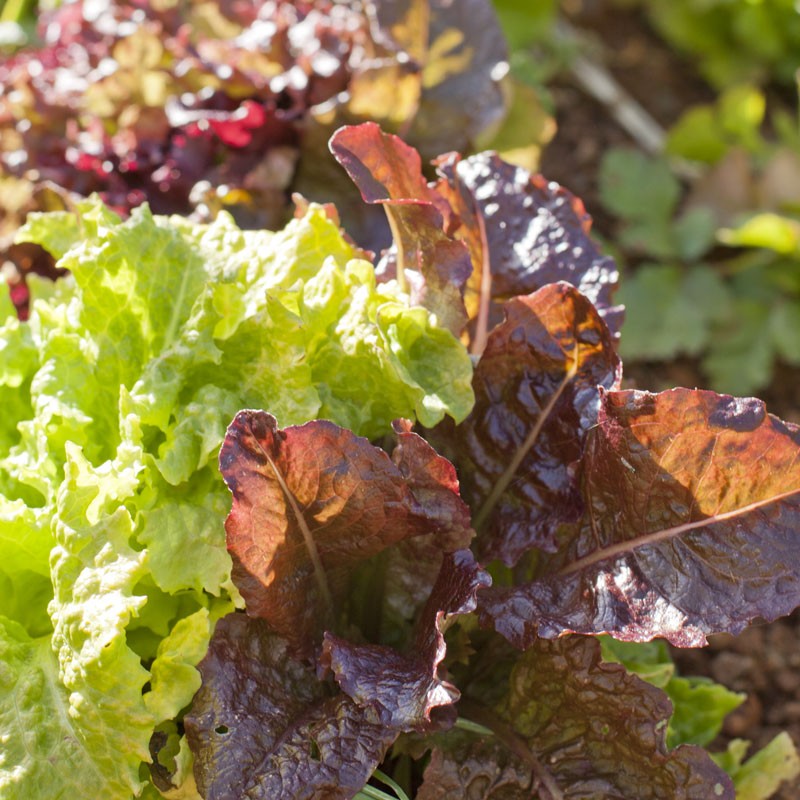
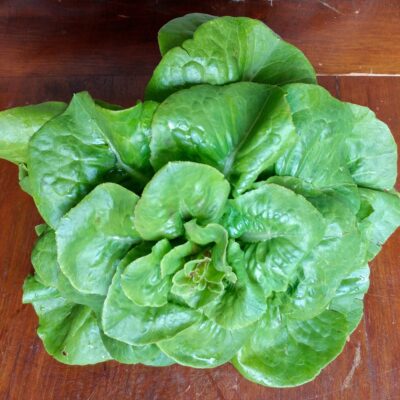
There are so many different options to choose from here, whether you like romaine lettuce, leaf lettuce, or head lettuce. Lettuce produces sweeter greens in cooler temperatures, so fall crops are more likely to yield a tastier crop that will not bolt.
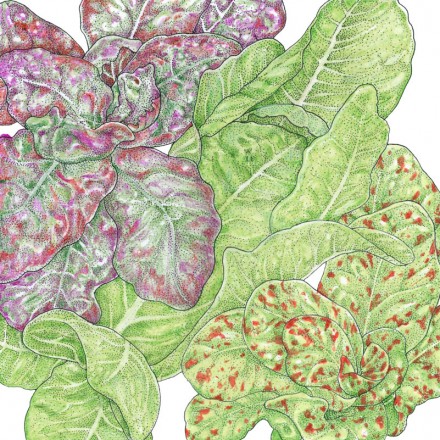
If you need some ideas for lettuce seeds to try, check out our seed store. We have so many unique varieties available there, including Freckles (a green variety splattered with burgundy spots, see picture above) and Mereveille Des Quatre Saisons (a beautiful burgundy leaf lettuce), plus we have classic romaine and leaf varieties that you’ve probably enjoyed before.
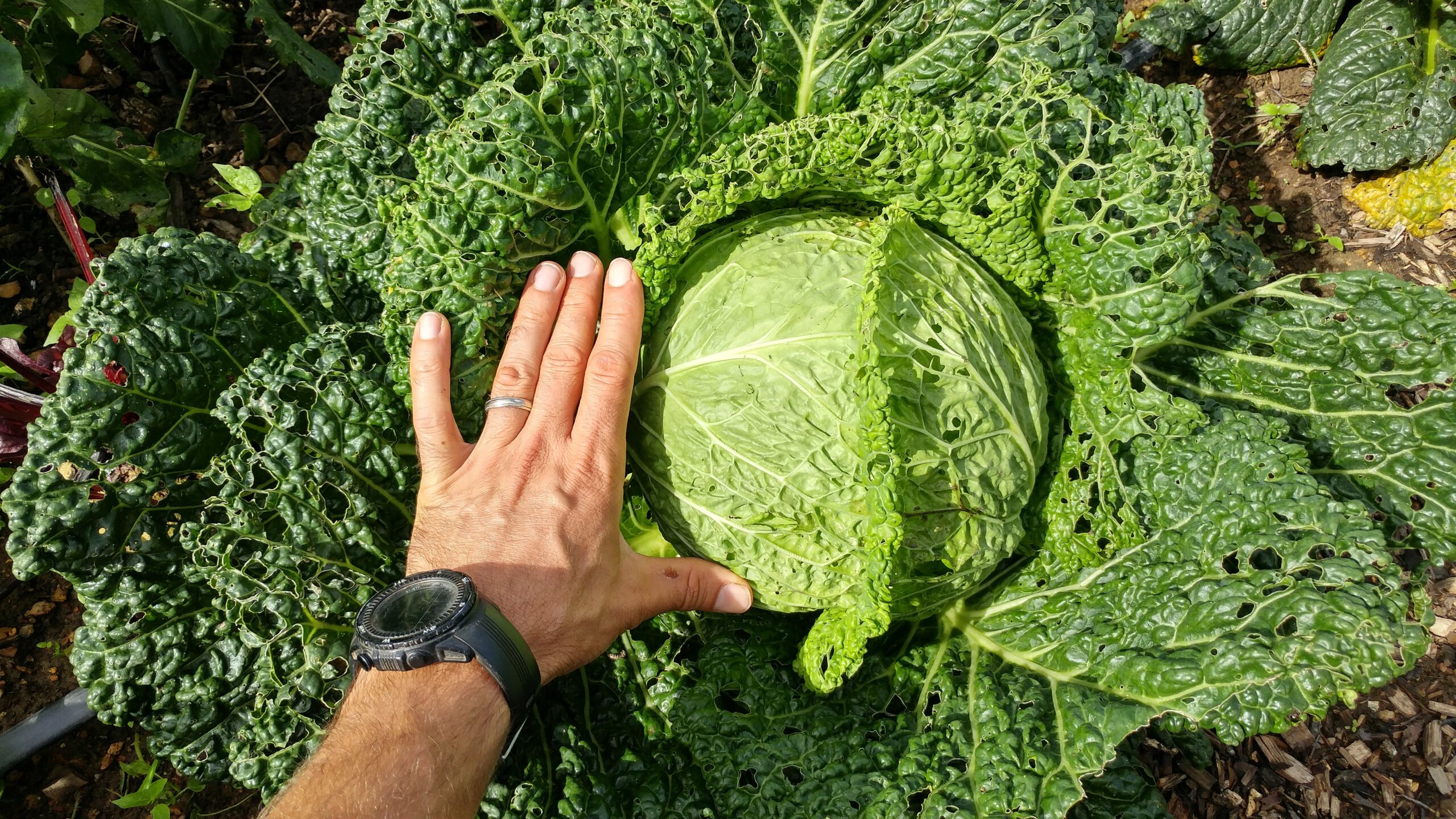
Cabbage
Cabbage requires a bit of a head start compared to some other fall crops, but it loves cooler weather, making it an excellent choice for a fall garden crop. Plant some red and green cabbage for a nice variety! (And don’t forget, you can make sauerkraut with the extra and get those probiotics in your pantry too.)
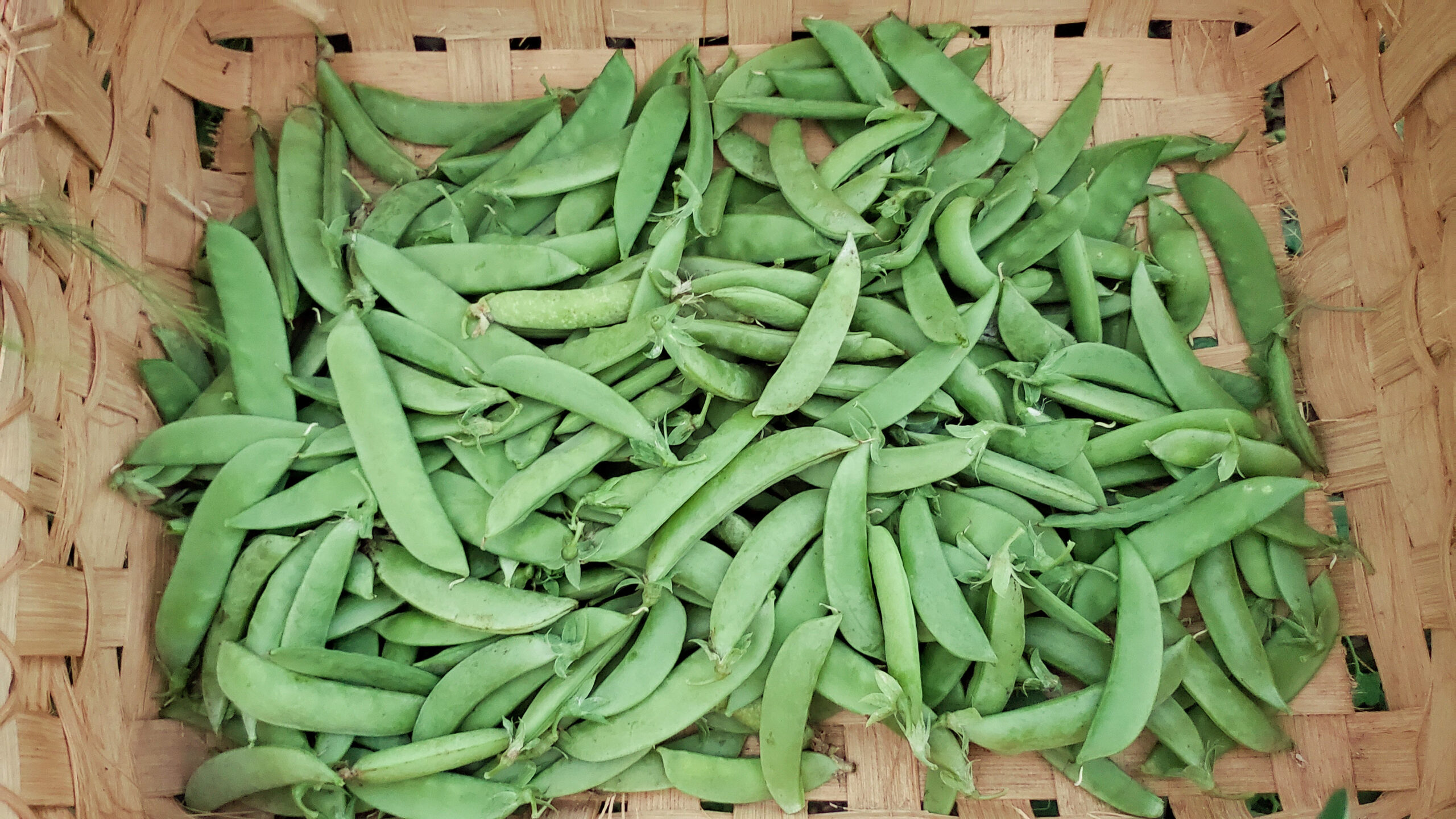
Peas
Peas are another good choice for fall garden crops. They generally require a soil temperature of 50-80 degrees F. You can eat the pods AND the peas themselves.
Root Crops
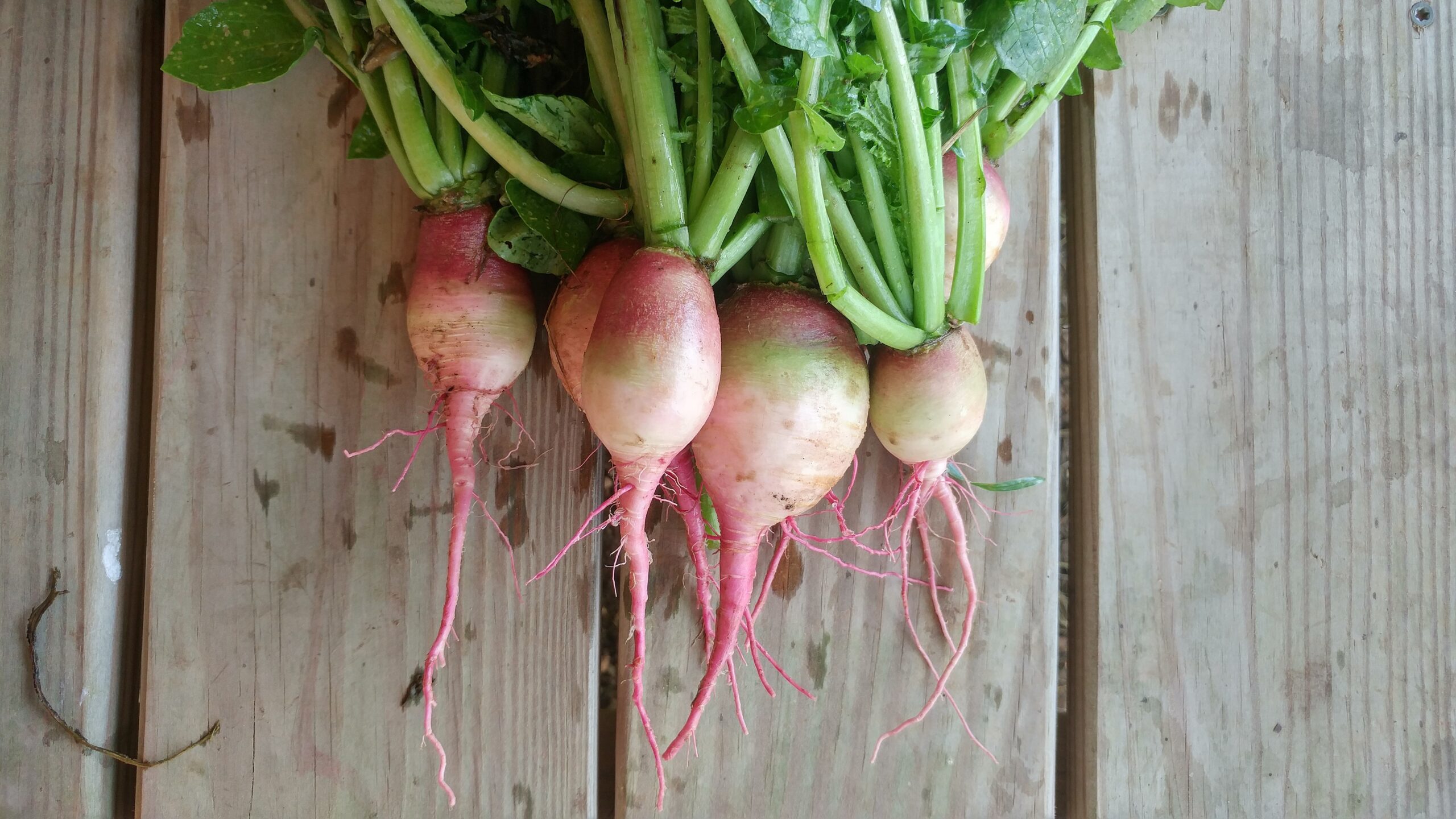
Root crops are like magic in the fall, and there’s a scientific reason why. First off, the cooler temperature concentrates the sugar in the roots, making them sweeter and more enjoyable to eat. Second, many root crops like beets, turnips, even carrots produce edible leafy greens also that can be enjoyed earlier in the season.

Beets
A higher calorie crop choice, beets come in all shapes, colors, and sizes. As long as you have deep, loose soil, you should be able to grow beets in your fall garden too, which germinate at soil temperatures as low as 50 degrees F.
We offer many different varieties of beets in our online store, including a golden beet with a sweet flavor, the chioggia beet with concentric rings on the inside, the cylindra beet with long, prolific roots, and even the mangel fodder beet with roots that can grow over 20 lbs!

Turnips
This Southern favorite has a story behind them. After the War Between the States, when the Union army marched through the South and destroyed almost all of their food supply, the Southerners needed a quick growing survival crop. They planted turnips, which made this crop family famous in the south.
Turnips require soil temperatures of 50-85 degrees F. They germinate quickly, but take a few months to mature. Plus, the tops are edible! We provide several varieties in our online store for this crop also, including a pure white turnip, a golden ball turnip, and a traditional purple-and-white turnip.

Radishes
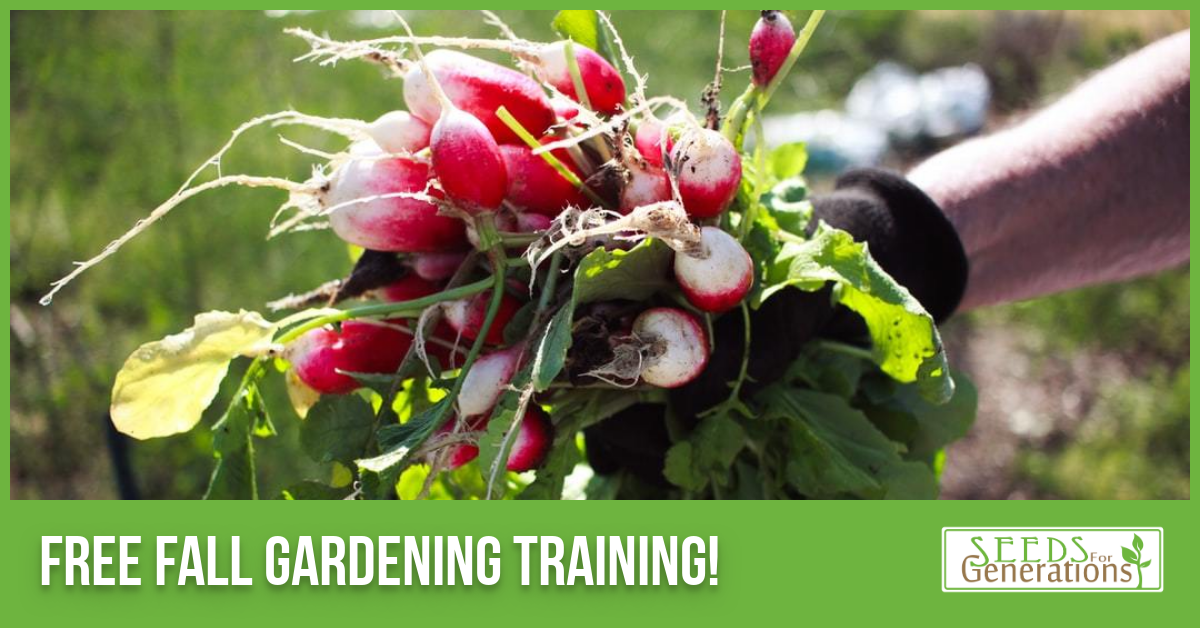
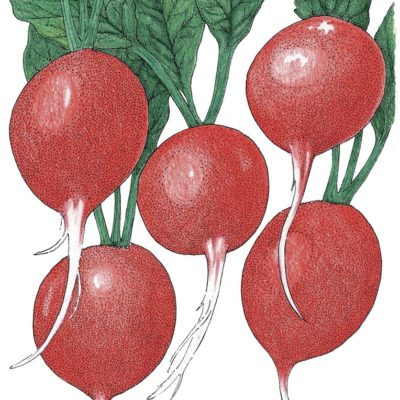
Radishes, the fastest growing garden crop, are perfect for fall gardening! The cool weather protects their flavor, without being too damaging to the plants. You can grow everything from delicate French Breakfast Radishes, to long Japanese daikons, to purple plum radishes, to a more traditional, perfectly shaped red radish.
Conclusion
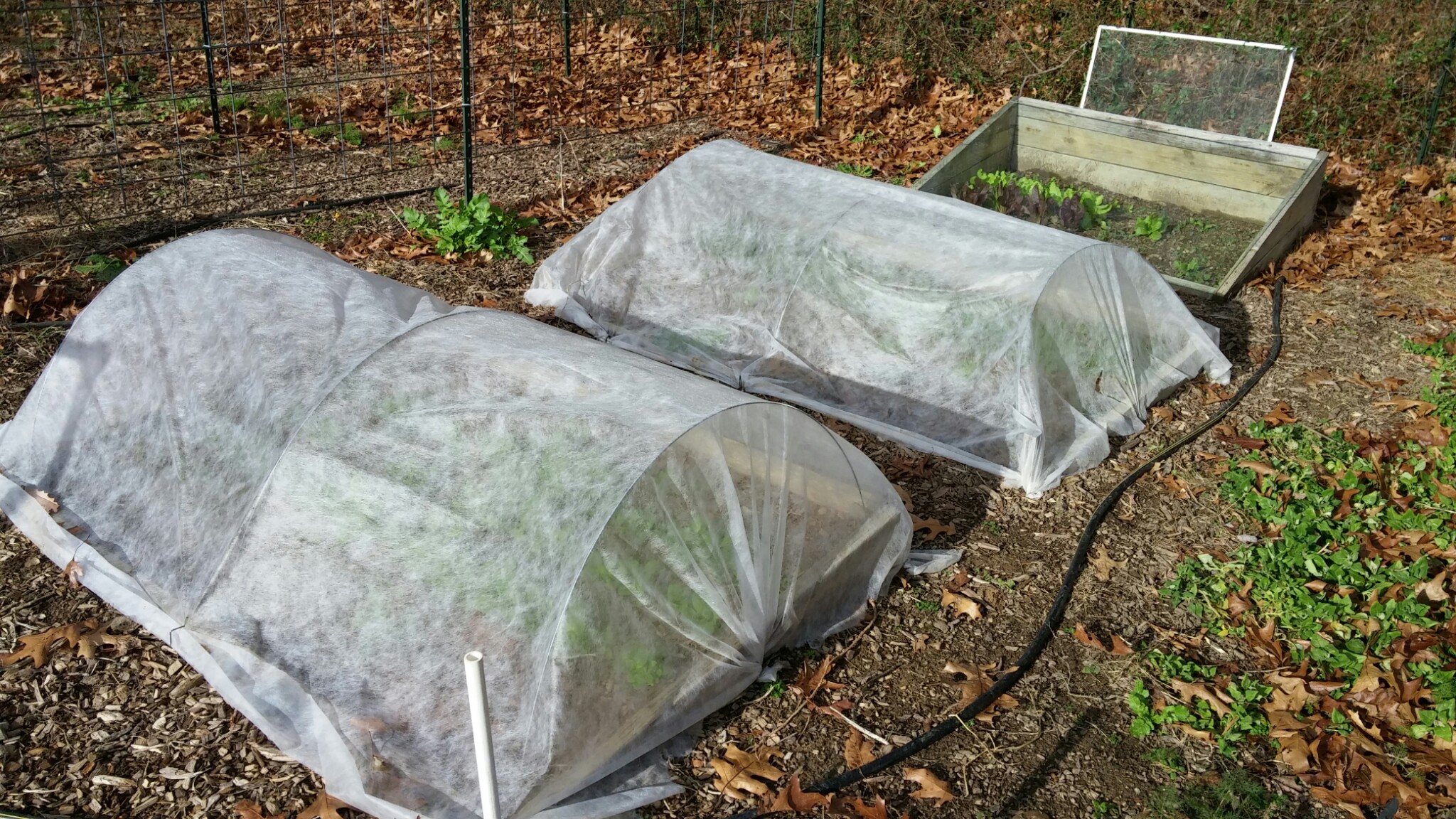
As you can see, there are lots of fall garden crops available to you! This is only scratching the surface of your options. We haven’t even mentioned summer crops that can be started late in the year and extended into the cooler weather using methods like row covers and greenhouses, which makes growing squash and cucumbers more accessible, depending on where you live.
What’s your favorite fall garden crop? Drop your feedback in the comments below.
Need more fall gardening help?
Check out these additional resources: