
Disclosure: The links in this post may be affiliate links. If you purchase any products after clicking on these links, at no additional cost to you, Seeds for Generations may receive a small commission for making you aware of these important resources.
Gardeners often encounter slugs and snails in their gardens. While these creatures may seem harmless, they can wreak havoc on plants and vegetables. In this article, we will explore the world of slugs and snails, providing detailed information on their life cycle, dietary habits, and natural predators. Additionally, we’ll consider organic methods that can be used to control and manage these pests, protecting your garden plants from their damage.
But first…
What are Slugs? What are Snails?
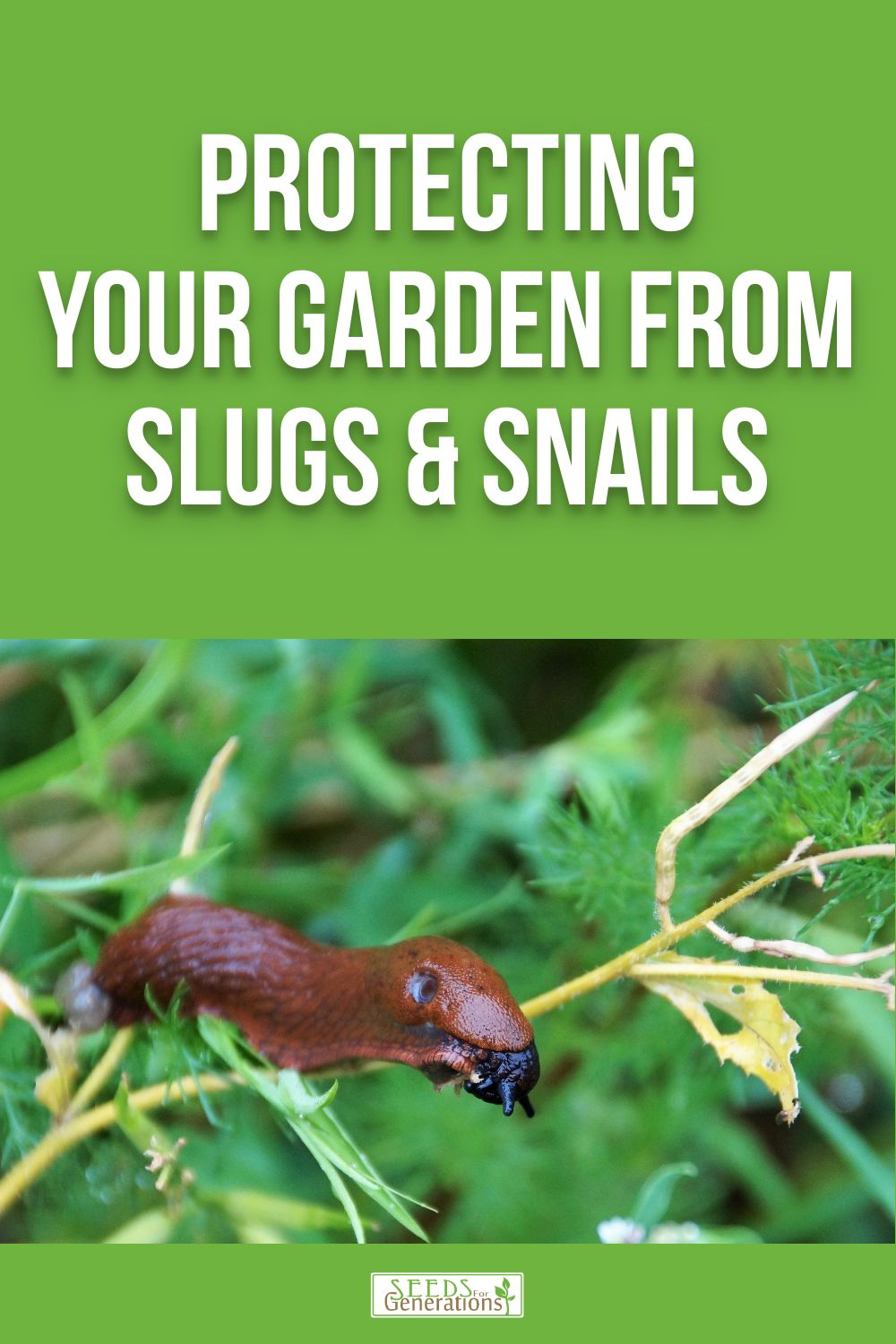
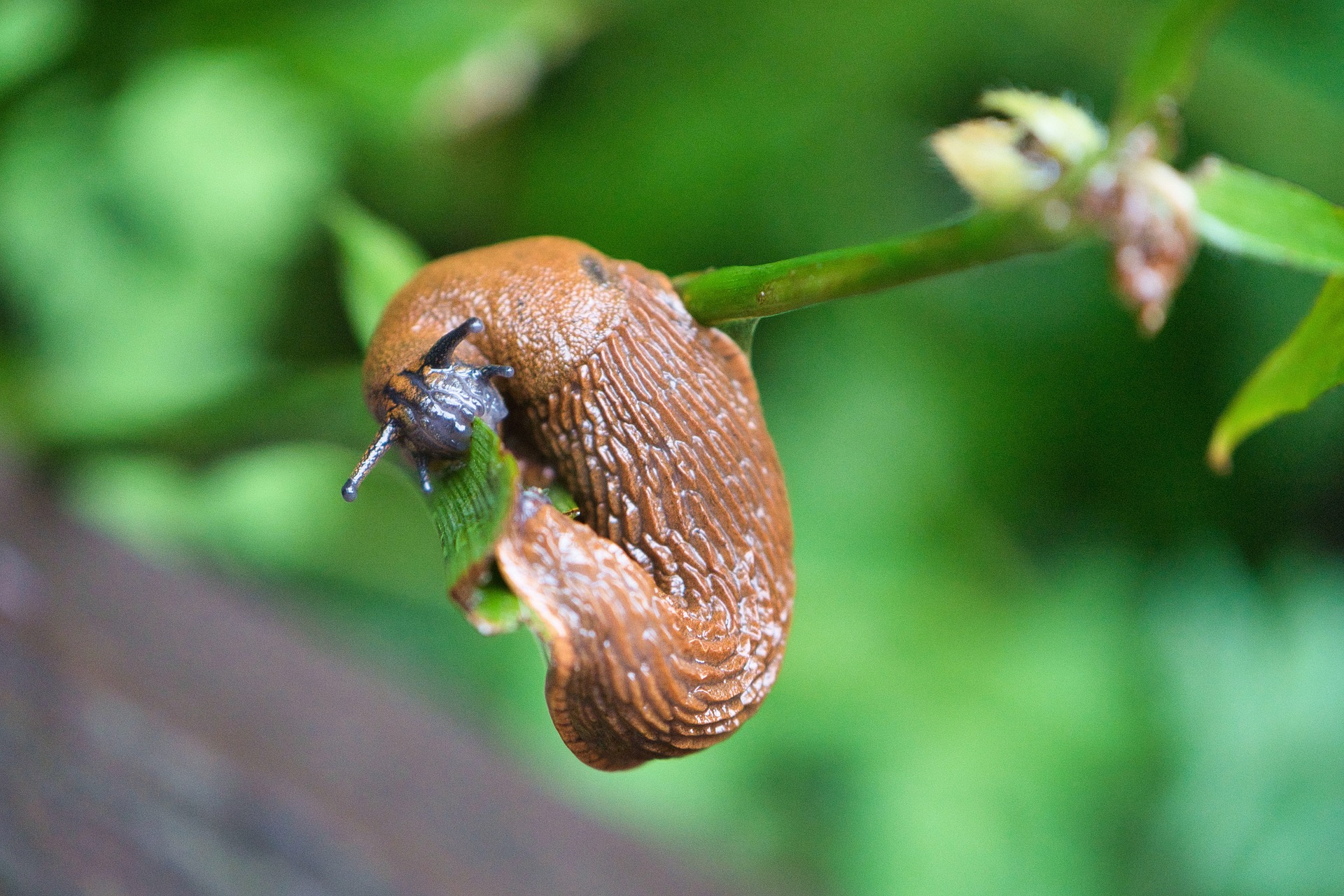
Slugs are gastropods that belong to the class Gastropoda. They are soft-bodied creatures that lack a shell and move by gliding along a slime trail. These slimy pests are commonly found in gardens and are known for their ability to cause extensive damage to plants.
Slugs come in various shapes, sizes, and colors. They can range from tiny (i.e., a few millimeters) to much larger (i.e., several inches in length). Some common types of slugs include the garden slug (Arion hortensis), leopard slug (Limax maximus), and banana slug (Ariolimax dolichophallus). Garden slugs are often gray or brownish in color, while leopard slugs have distinctive dark spots on their bodies.
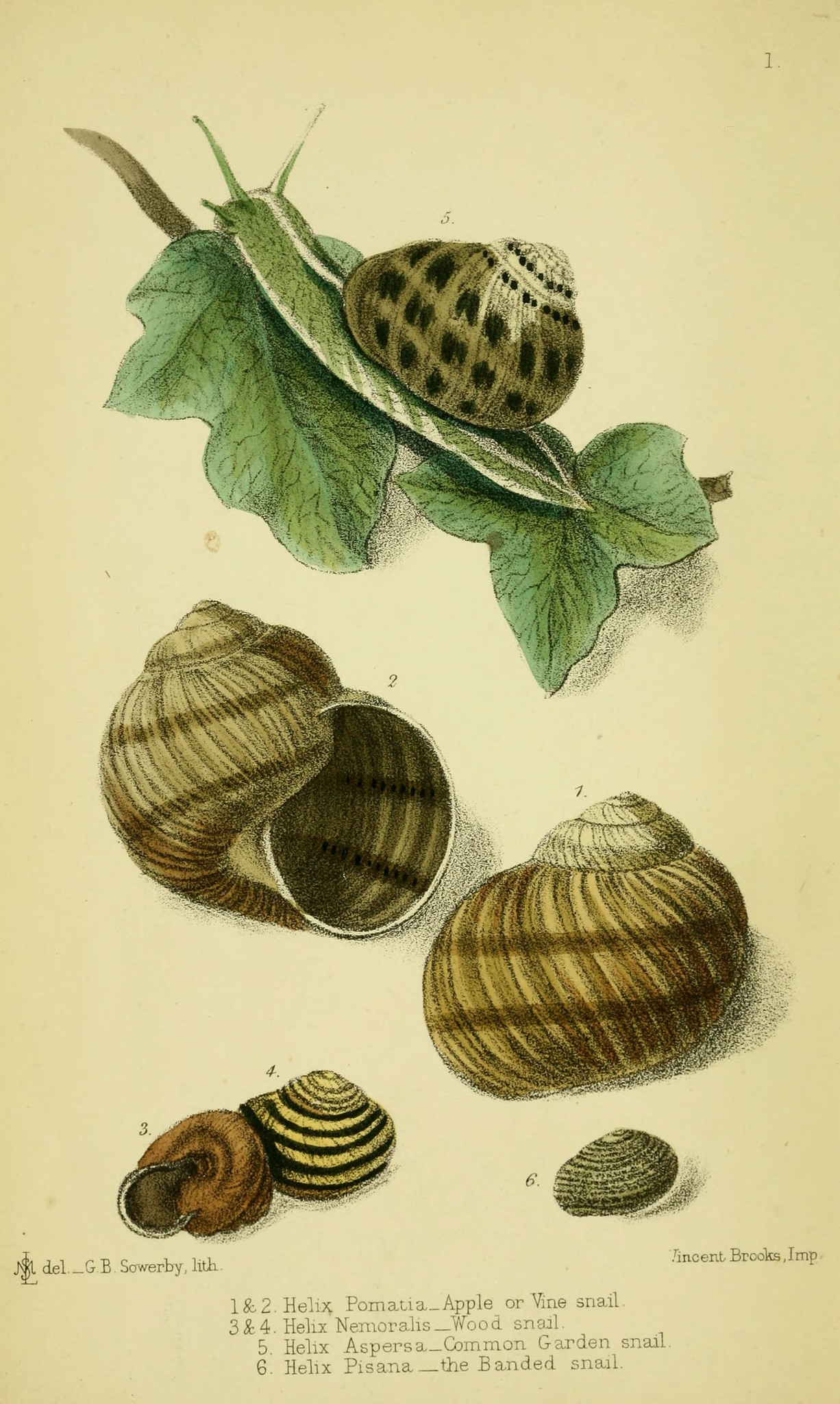
Snails, like slugs, are gastropods belonging to the class Gastropoda. The main difference between snails and slugs is that snails have a spiral-shaped shell on their back. This shell provides protection and support for the snails. Garden snails are characterized by their coiled shells, which vary in size, shape, and color. The shells can range from light brown to dark brown, with some species having distinctive patterns or bands. Common garden snails include the brown garden snail (Cornu aspersum) and the white-lipped snail (Cepaea hortensis).
Contrary to popular belief, snails do not possess teeth. Instead, they have a specialized feeding structure called a radula. The radula is a ribbon-like structure with rows of microscopic teeth that allow snails to scrape and rasp their food!

The Life Cycle of Slugs: From Egg to Adult
The life cycle of a slug begins with the laying of eggs by adult slugs.
Slug eggs are typically laid in moist, hidden areas to protect them from drying out. Eggs hatch in about 2-4 weeks, creating juvenile slugs, which are small and feed on decaying plant matter and other organic materials.
As juvenile slugs grow, they enter the adult stage where they reach sexual maturity. Adult slugs continue to feed on plants, fungi, and decaying matter and they reproduce by mating and laying eggs, starting the cycle anew. (Slugs are hermaphrodites, meaning they have both male and female reproductive organs.)
The Life Cycle of Snails: Reproduction & Growth
Snails reproduce sexually, with most species being hermaphrodites, meaning they possess both male and female reproductive organs. Adult snails reproduce by exchanging sperm with another snail. They lay eggs in clusters, often buried in soil or hidden under objects. Snail eggs are enclosed in a protective shell and can take 2 to 4 weeks to hatch.
Once hatched, juvenile snails emerge from the eggs. Juvenile snails grow gradually, feeding on vegetation and calcium-rich materials for shell development. Juvenile snails reach maturity and become adults after several months, where they continue to feed, mate, and reproduce. Snails have interesting sleeping habits and are most active during the night. They tend to retreat into their shells during the day to conserve moisture and avoid predators. Snails feed on a variety of plant matter, including leaves, flowers, and vegetables.
A Note on Timelines…
The duration of each stage of the slug and snail life cycle can vary depending on factors such as species, environmental conditions, and food availability. For example, warmer and more humid conditions tend to speed up the slug hatching process, while cooler and drier conditions may delay it.
What Do Slugs Eat?
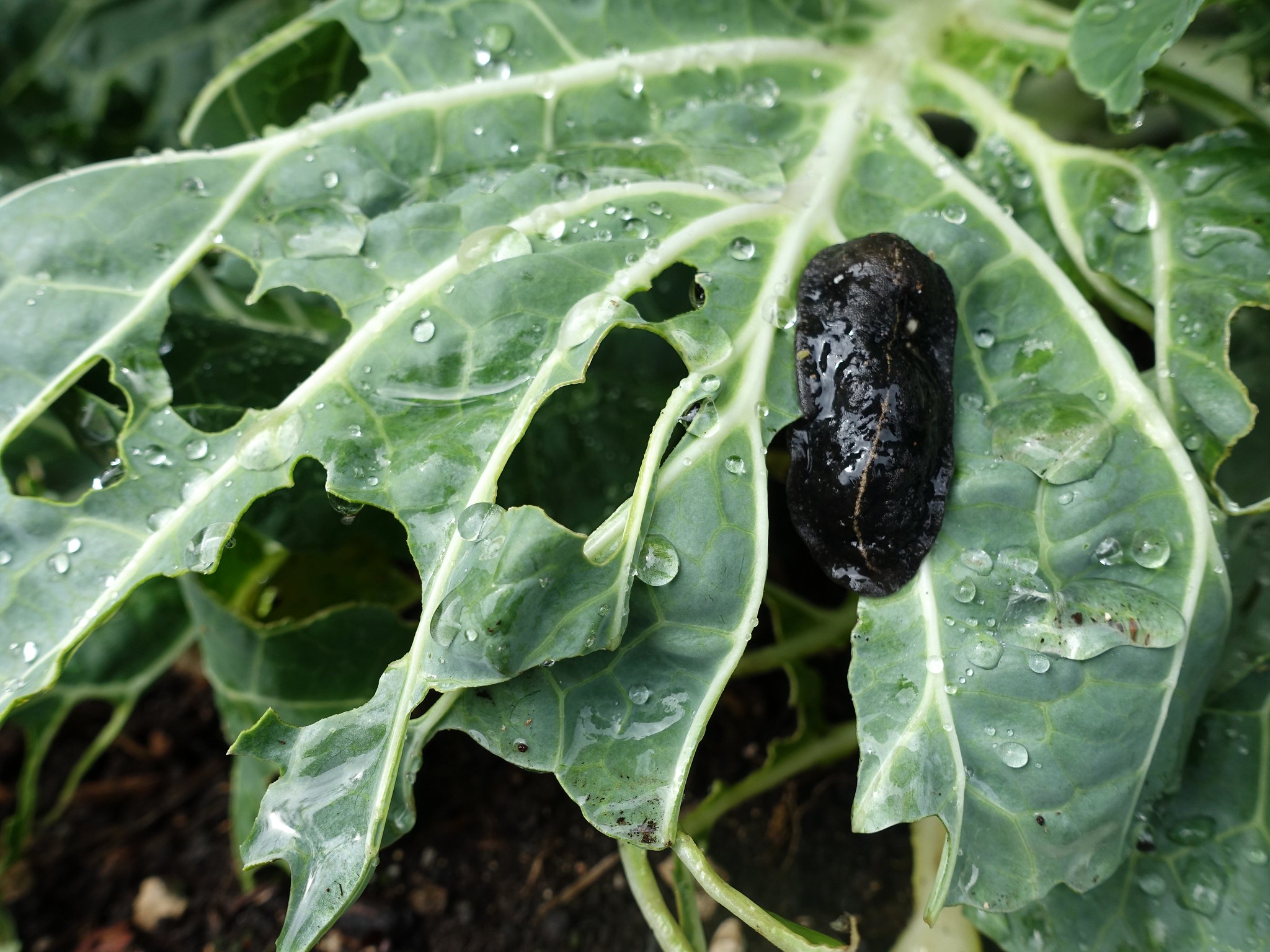
Slugs are notorious for their voracious appetites and can feed on a wide range of plant materials. They primarily consume leaves, stems, flowers, fruits, and vegetables. Slugs are particularly attracted to plants with succulent foliage and prefer tender, young growth. The appetites of slugs and snails can cause significant damage to plants. They have rasping mouthparts called radula that enable them to scrape and chew plant tissues. This feeding behavior can result in holes in leaves, damaged fruits, and even the complete destruction of seedlings. They leave behind irregular holes and chewed edges on leaves, resulting in a tattered appearance.
Different plants are susceptible to slug damage. Hostas, lettuce, cabbage, beans, and delphiniums are some examples of plants that are often targeted by slugs. Recognizing the signs of slug damage, such as irregular holes in leaves or silvery slime trails, can help you identify affected plants and take appropriate measures to protect them.
Snails are known to have a diverse diet. They feed on a variety of plant material, including leaves, stems, fruits, vegetables, and even decaying organic matter. Their feeding habits can have a significant impact on garden plants, as they can consume large quantities of foliage and cause cosmetic damage to ornamental plants.
Is It Too Late? Promoting Plant Recovery After Slug Attacks.
After a slug attack, it is essential to promote the recovery of damaged plants. Remove any remaining slugs manually and provide proper care to aid in their healing. This may include watering, fertilizing, and protecting damaged plants from further slug damage. Encouraging plant growth with appropriate care practices will help them recover and regain their health.
What Eats Slugs & Snails? A Look at Natural Predators.
Slugs have a range of natural predators that help control their populations in the garden. Some common slug predators include birds such as thrushes, blackbirds, and ducks, as well as mammals like hedgehogs, shrews, and toads. Ground beetles, fireflies, and certain species of nematodes also feed on slugs.
Garden snakes, such as garter snakes, can be beneficial in controlling slugs and snails. These non-venomous snakes are known to consume small invertebrates, including slugs. Encouraging a snake-friendly environment with suitable hiding places and water sources can attract these natural slug predators to your garden.
To promote a healthy balance in your garden ecosystem, you can create habitats that attract slug-eating wildlife. Providing birdhouses or bird feeders can attract birds that feed on slugs. Creating sheltered areas with rocks, logs, or brush piles can attract ground beetles, toads, and other slug predators. Additionally, maintaining a water source, such as a small pond or birdbath, can help support these beneficial creatures.
Organic Methods to Control Slugs & Snails in the Garden
If you discover a severe slug infestation in your garden, it’s important to take immediate action to protect your plants. Handpicking slugs and removing them manually can be an effective method for small-scale infestations. Regularly inspecting your garden, especially during the evening or early morning when slugs are most active, can help you identify and control the problem early on.
There are several other methods you can try in the garden too:
Using Slug Repellents & Barriers
There are various organic slug repellents that can help deter these pests from your garden. Some common natural alternatives include coffee grounds, crushed eggshells, diatomaceous earth, and garlic spray. These substances create barriers or unpleasant conditions that slugs prefer to avoid.
Physical barriers and traps can be effective in reducing slug damage. Creating barriers with materials like gravel or diatomaceous earth can deter slugs from reaching vulnerable plants. Sprinkling diatomaceous earth around plants forms a barrier that dehydrates slugs upon contact.
Copper barriers are a popular method for deterring slugs. The copper reacts with the slime that slugs produce, creating an unpleasant sensation that deters them from crossing the barrier. Copper tape can be applied around pots, raised beds, or other areas where slugs are likely to access your plants.
Slug-Resistant Varieties
Planting slug-resistant species can help create an environment that is less appealing to slugs. Some plants known to be less attractive to slugs include lavender, rosemary, thyme, marigolds, and geraniums. Additionally, practicing companion planting by intermixing slug-resistant plants with vulnerable ones can help provide some protection.
Slug & Snail Bait
Slug and snail baits are commonly used to control these garden pests. These baits are formulated with active ingredients that attract and kill slugs and snails. The baits can come in various forms such as pellets, granules, or liquid formulations.
One type of bait contains iron phosphate as the active ingredient, which is considered a safer alternative to metaldehyde baits. Iron phosphate baits are less toxic to animals and are approved for use in organic gardening.
When using slug and snail baits, it is essential to follow the instructions on the product label carefully to ensure safe and effective application. Additionally, placing the baits strategically in areas where slugs and snails are known to frequent can help maximize their effectiveness in controlling these garden pests.
Beer Traps for Controlling Slugs
Beer traps are a popular and effective organic method for controlling slugs. To create a beer trap, bury a shallow container, such as a plastic cup or saucer, in the ground near slug-prone areas. Fill the container with beer, ensuring that the rim is level with the ground. The smell of the beer attracts the slugs, who then crawl into the container and subsequently drown. It is important to regularly empty and refill the beer traps to maintain their effectiveness.
How to Keep Slugs Off Strawberry Plants Organically
Strawberry plants are particularly vulnerable to slug damage. To protect them organically, consider using straw mulch around the plants, which can create an unfavorable environment for slugs. Additionally, using raised beds or containers with copper tape barriers can help deter slugs from reaching the strawberry plants. Regularly inspect the plants and remove any slugs manually.
How to Discourage Slugs in Your Garden
To discourage slugs in your garden, implement cultural practices that create an environment less favorable for them. Avoid overwatering, as moist conditions attract slugs. Instead, water in the morning so that the soil surface dries out during the day. Removing debris, such as fallen leaves or plant debris, can also reduce slug hiding places. Creating a barrier of coarse materials, like gravel or wood chips, around vulnerable plants can make it more difficult for slugs to reach them.
Opt for plant varieties that are less appealing to slugs and snails. For example, plants with rough or hairy leaves tend to be less attractive to them.
Protecting Your Garden from Slugs & Snails: Conclusion
Under the right conditions, slugs and snails can cause significant damage to a variety of vegetable and herb plants in the garden. However, implementing organic control methods can help prevent and reduce their impact. By combining knowledge of their life cycle with organic control measures, gardeners can protect their plants while maintaining a healthy and balanced ecosystem in their garden.
Let’s go get those slugs! 😉