Disclosure: The links in this post may be affiliate links. If you purchase any products after clicking on these links, at no additional cost to you, Seeds for Generations may receive a small commission for making you aware of these important resources.
During the summertime, we routinely get questions about squash vine borers, one of the most insidious and destructive pests in the garden. In this article , we will explore the symptoms caused by squash vine borers, their appearance, and more importantly, how to control squash vine borers in the garden WITHOUT chemicals. Let’s dive in!
What Crops Do Squash Vine Borers Attack?
Squash vine borers primarily target plants in the Cucurbitaceae family. Here are the main types of plants that they commonly infest:
- Squash: Both summer squash (like zucchini and yellow squash) and winter squash (such as butternut and acorn squash) are highly susceptible.
- Pumpkins: These pests are particularly attracted to pumpkin plants, making them vulnerable during their growing season.
- Cucumbers: While less commonly affected than squash and pumpkins, cucumber plants can also be targeted by squash vine borers.
- Melons: Some melons, including cantaloupe and watermelon, may occasionally be infested.
- Gourds: Decorative gourds are another target for these pests due to their close relation to squash and pumpkins.

The Symptoms of Squash Vine Borer Infestation
When these squash vine borers attack your squash plants, several telltale signs can alert you to their presence:
- Wilting Plants: One of the most common symptoms is wilting, especially during the hottest parts of the day. If your plants look droopy or lifeless, it might be due to squash vine borer activity.
- Yellowing Leaves: As the borer larvae feed on the plant’s tissues, they can disrupt nutrient flow, leading to yellowing leaves that may eventually die off.
- Sudden Plant Decline: In severe cases, you might notice a rapid decline in plant health. This can happen when a significant number of larvae are feeding on the plant.
- Browning and Cankers: You may also observe browning or dark spots on stems, which can develop into cankers as the plant struggles to cope with the damage.

Plant Damage Caused by Squash Vine Borers
The stems of squash plants are particularly vulnerable to damage from squash vine borers. As larvae tunnel through the stem, they weaken its structure, making it more prone to breakage. A broken stem can lead to a rapid decline in plant health and ultimately death. Damage from feeding can lead to browning around the entry points and the formation of cankers, which further compromise the plant’s integrity. The vascular tissue responsible for transporting water and nutrients is severely disrupted by tunneling. This disruption leads to wilting and nutrient deficiencies that affect overall plant vigor. With reduced efficiency in water and nutrient transport, plants may exhibit stunted growth and poor fruit development.
The holes created by feeding larvae also act as entry points for pathogens, making plants more susceptible to diseases such as bacterial wilt or fungal infections. Once a disease takes hold, it can spread rapidly throughout the plant, compounding the damage caused by the borers themselves.
The impact of squash vine borers is not just limited to plant health; it can also lead to significant yield loss. When plants are stressed from borer damage, they may not produce fruit at all or produce smaller, less desirable fruit. This stunted growth can severely limit your harvest. In cases of severe infestation, entire plants may die before they have a chance to set fruit, resulting in complete yield loss from affected areas.

Identifying Squash Vine Borers
To effectively identify squash vine borers, it’s essential to know what they look like at different stages of their life cycle.
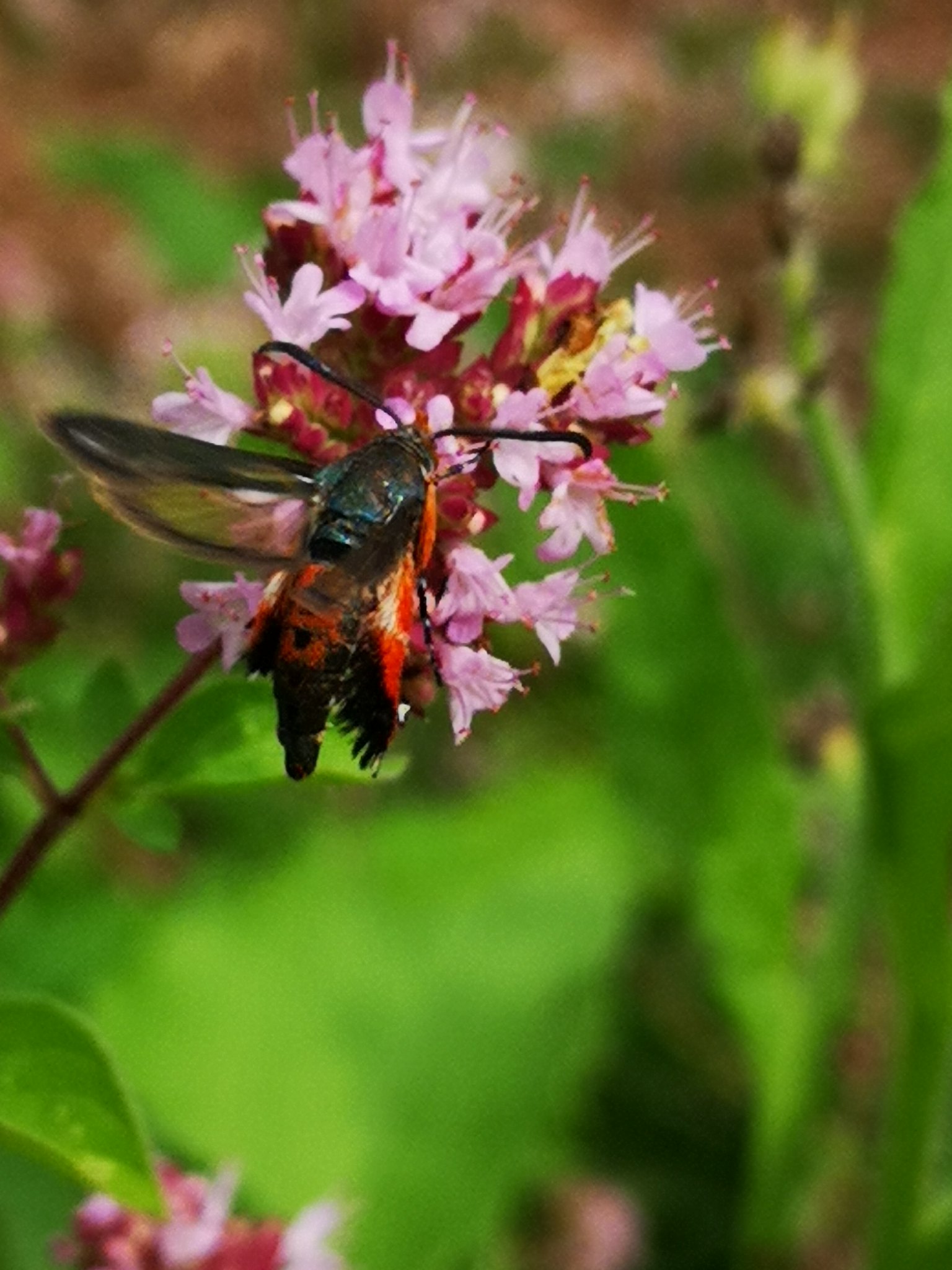
The adult squash vine borer is a moth with a distinctive appearance. It has a dark green or black body with orange-red markings on its abdomen. The forewings are brown and can be quite slender, resembling wasps in shape. These adults are typically about 1 inch long and are most active in the evening.
Adult squash vine borer moths typically emerge in late spring to early summer, depending on your location and climate. They are most active during this time and begin laying eggs shortly after emergence.
The eggs are small, cylindrical, and about 1/16 inch long. They are usually greenish or yellowish in color, making them somewhat difficult to spot against the plant’s foliage. Female moths lay their eggs in clusters on the stems or leaves of squash plants, often near the base. This strategic placement allows the larvae to access the plant quickly after hatching.
Within about a week, the eggs hatch into small larvae. This timing is critical for gardeners to monitor their plants closely to catch any signs of infestation early.
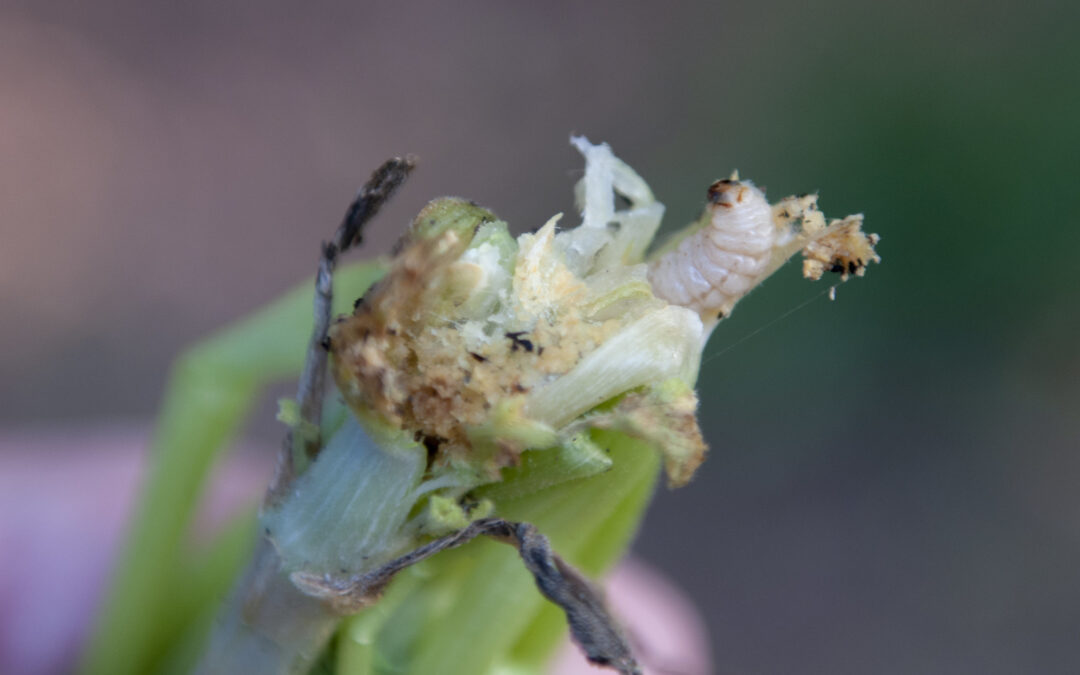
Once the eggs hatch, the larvae stage begins, and this is where the real damage occurs. The newly hatched larvae are small, creamy white caterpillars with brown heads. They bore into the stems of squash plants to feed on the inner tissues, disrupting the plant’s nutrient flow and causing wilting.
As they feed, the larvae grow larger, reaching up to 1 inch in length. They create tunnels inside the stem, which can lead to significant structural damage. This is often when gardeners notice signs of infestation. The larval stage can last several weeks, depending on environmental conditions and food availability. After feeding for a while, they will prepare to pupate.
The final stage of the life cycle is when squash vine borers become adults, completing their transformation and starting the cycle anew. Once they have reached full size, larvae exit the plant and burrow into the soil to pupate. This stage lasts for about two weeks, during which they transform into adult moths.
After emerging, adult moths mate and begin laying eggs within a week. This rapid reproductive cycle means that a single infestation can multiply quickly if not managed effectively.
Signs of Squash Vine Borer Infestation
Detecting a squash vine borer infestation early is key to protecting your plants. Here are some signs to look for:
- Holes in Stems: Check your squash plants regularly for small holes in the stems or near the base of the plant. These holes are entry points for the larvae.
- Sawdust-like Frass: As larvae feed inside the stems, they produce frass (a mixture of excrement and plant material) that looks like sawdust. You may find this frass at the base of the plant or near any holes.
- Tunneling Damage: If you carefully inspect the stem and find a series of tunnels, this indicates that larvae are actively feeding inside the plant. This damage can weaken the plant and ultimately lead to its decline. Wilting leaves is a telltale sign that this damage may be occurring, and is a clue to look for the other indications above.
- Presence of Adult Moths: Keep an eye out for adult moths flying around your garden, especially during late spring and early summer when they are most active. Their presence often signals that an infestation may be imminent.

Preventing Squash Vine Borers
Good garden maintenance is a cornerstone of pest prevention, even for squash vine borers. Keep your garden tidy by removing old plant debris and any fallen fruit. This practice reduces hiding spots for pests and limits overwintering sites for squash vine borers.
In addition, make it a habit to inspect your plants frequently for early signs of squash vine borers. Look for wilting, holes in the stems, and frass around the base of the plants. Early detection can help you act quickly to manage any potential infestations.
Finally, invest time in nurturing healthy plants through proper watering, fertilization, and pest management. Strong plants are more resilient to pest attacks and can better withstand stress. That way, if squash vine borers do attack, your plants have more of a chance to survive.
Squash Vine Borer Crop Rotation & Companion Planting
Crop rotation is an effective strategy to disrupt the life cycle of squash vine borers and prevent infestations. Specifically, you should avoid planting squash or related crops in the same location year after year. Instead, rotate them with non-related crops like legumes or leafy greens. This practice helps break the cycle of pests that may be overwintering in the soil.
In addition, plan your planting schedule to include crops that are not susceptible to squash vine borers during their peak activity periods. This approach can reduce the chances of an infestation significantly.
Companion planting can provide natural pest deterrents and create a healthier garden ecosystem. Consider planting marigolds, nasturtiums, or other flowers that repel squash vine borers alongside your squash plants. These companion plants can deter adult moths from laying eggs on your squash.
Some plants, like dill or fennel, can attract beneficial insects, such as parasitic wasps that prey on borer larvae. This natural form of pest control can be quite effective.

How to Control Squash Vine Borers
Floating Row Covers for Squash Vine Borers
Using floating row covers is a simple yet effective way to physically protect your squash plants. Install lightweight row covers over your young plants to prevent adult moths from accessing them. Remember to remove the row covers when your squash plants begin to flower so that pollinators can access them. You can replace the covers at night or during peak moth activity to provide extra protection.
Traps for Squash Vine Borers
Setting up traps can help you monitor adult moth activity and reduce their numbers. Place yellow sticky traps or pheromone traps around your garden to capture adult squash vine borers. These traps can help you gauge the presence of adult moths and take action if necessary.
Physically Removing Squash Vine Borers
One of the most straightforward ways to manage squash vine borers is through physical removal. Check your squash plants regularly for signs of infestation. Look for entry holes, frass, and wilting plants, which indicate the presence of borers.
If you find any larvae inside the stems, you can remove them by hand. Use a sharp knife to cut open the stem carefully and extract the borer. After removing the larvae, seal the wound with a natural wound sealant or cover it with soil to protect the plant.
If a plant is severely infested and beyond saving, it’s best to remove and dispose of it to prevent further spread. Do not compost infested plant material, as this can lead to re-infestation.
Using Neem Oil for Squash Vine Borers
Neem oil acts as a natural insecticide and repellent, disrupting the feeding and reproductive cycles of pests, including squash vine borers. Mix neem oil with water according to package instructions and spray it on your squash plants, focusing on stems and leaves. Apply neem oil in the early morning or late evening to avoid harming beneficial insects. Repeat applications every 7-14 days for best results, especially after rain.

Using Diatomaceous Earth for Squash Vine Borers
Diatomaceous earth (DE) is a natural substance that can deter pests. Sprinkle food-grade diatomaceous earth around the base of your squash plants. This powdery substance (see picture above) consists of tiny, sharp particles that damage the exoskeletons of insects upon contact. Reapply DE after rain or watering, as it can lose effectiveness when wet. You can combine DE with Neem oil to make an effective spray (for other pests too) using the recipe here.
Using Bacillus Thuringiensis (BT) for Squash Vine Borers
BT insecticide is a naturally occurring bacterium that targets caterpillar pests like squash vine borers. There are two ways you can use it: sprayed externally or injected into the stems.
For spraying, mix BT with water according to the product instructions and spray it on the leaves and stems of your squash plants. Make sure to cover all surfaces thoroughly. When ingested by larvae, BT disrupts their feeding and growth processes, so this method is most effective when applied early in the larval stage or as a preventive measure.
For severe infestations, you can inject BT directly into the stems where larvae are feeding. Use a syringe with needle filled with a diluted BT solution and carefully insert it into the stem above the entry points (best to inject at several points above the entry hole). This method delivers BT directly to where it’s needed most, increasing its effectiveness in killing the larvae inside the stems without further damaging them by cutting them open.
Beneficial Insects for Squash Vine Borer Control
Encouraging beneficial insects in your garden is another great way to manage pests naturally. Here are some key allies in the fight against squash vine borers:
Certain parasitic wasps, such as Cotesia marginiventris, specifically target squash vine borer larvae. These wasps lay their eggs inside the borer larvae, effectively controlling their population. To attract these beneficial wasps, plant a variety of flowering herbs and plants like dill, fennel, and yarrow. These plants provide nectar and pollen, supporting the adult wasps and encouraging them to visit your garden.
While ladybugs and lacewings primarily feed on aphids and other soft-bodied pests, they can help maintain a balanced ecosystem in your garden. A well-balanced garden can reduce overall pest pressure, including squash vine borers. Planting a diverse range of flowers will not only attract these beneficial insects but also provide habitats for them to thrive.
Ground beetles are excellent predators of many garden pests, including caterpillars. By promoting ground cover and reducing bare soil, you can encourage ground beetle populations in your garden. Providing mulch or plant debris helps create a suitable environment for these beetles, leading to a more effective pest management strategy.
Best Trap Crops for Squash Vine Borers
Trap cropping is another strategic approach that involves planting specific crops to lure pests away from your main plants. Here are some effective trap crops for squash vine borers:
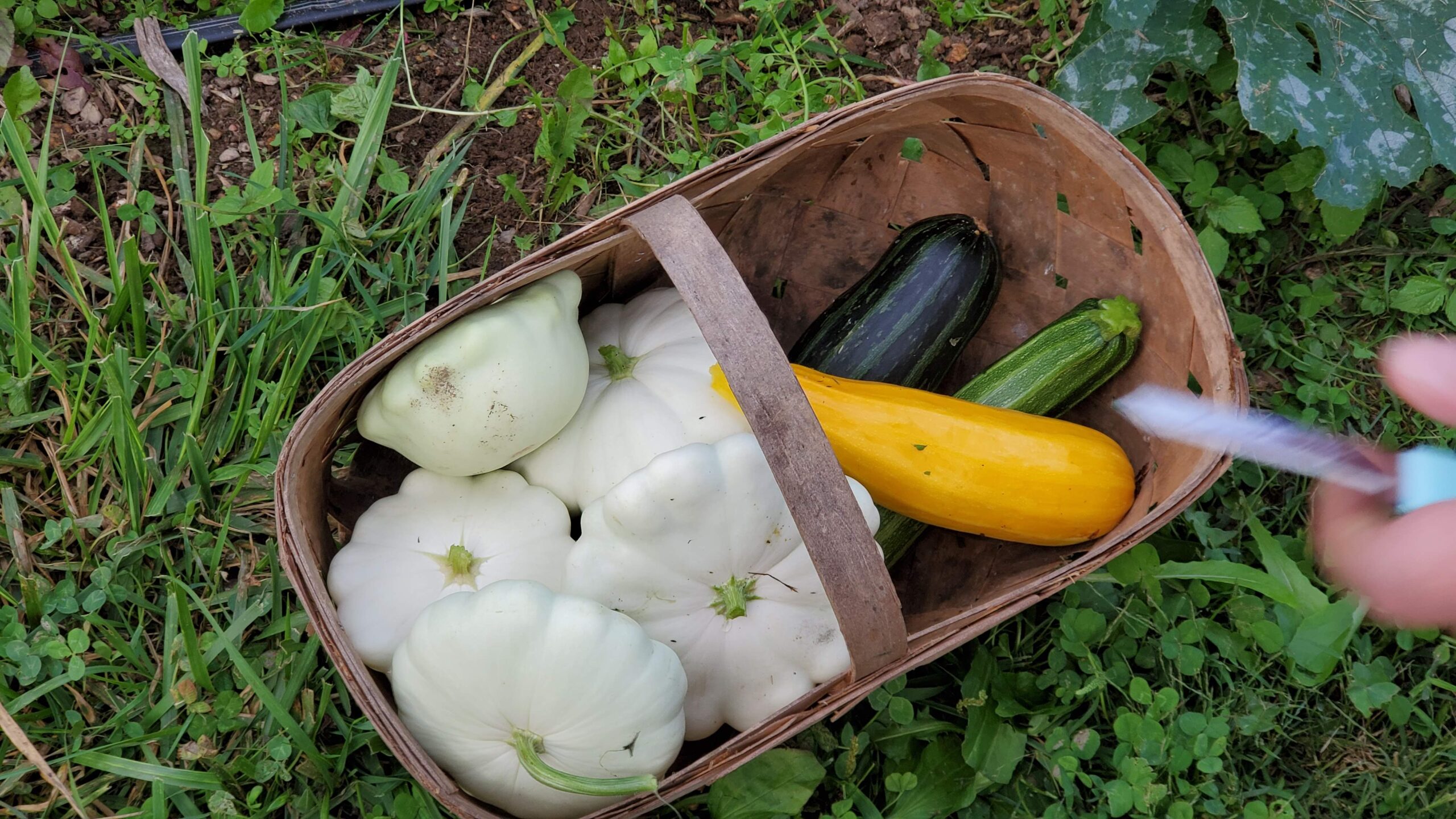
1. Zucchini or Summer Squash
Early maturing varieties of zucchini or summer squash can act as attractive trap crops. Plant these crops around the perimeter of your main squash patch to draw squash vine borers away from your primary plants. Once the trap crops show signs of infestation, you can remove them to prevent borers from spreading to your main crop.
2. Pumpkins or Gourds
Planting a few pumpkins or gourds nearby can also serve as trap crops. These plants are highly attractive to squash vine borers and can help divert attention from your more valuable squash varieties. Ensure that you plant trap crops at the same time as your main crops, so they are ready to attract borers during peak moth activity.
Conclusion: How to Prevent & Control Squash Vine Borers
In conclusion, effectively identifying and managing squash vine borers is crucial for protecting your squash plants and ensuring a fruitful harvest. By recognizing the symptoms of infestation, understanding the life cycle of these pests, and being vigilant in monitoring your plants, you can take proactive steps to mitigate damage. Implementing strategies such as regular inspections, physical removal of larvae, and using protective measures like floating row covers and traps can significantly reduce borer populations. Additionally, encouraging beneficial insects and incorporating trap crops into your garden can create a balanced ecosystem that naturally deters these pests.
With diligence and the right techniques, you can cultivate a thriving garden that withstands the challenges posed by these troublesome invaders. Happy gardening!