Ready to learn how to grow parsley? This green herb offers much more than just garnishes and breath fresheners! Today, let’s learn about how to grow and use parsley.
Parsley (Petroselinum spp.)
Apiaceae / Umbelliferae Family
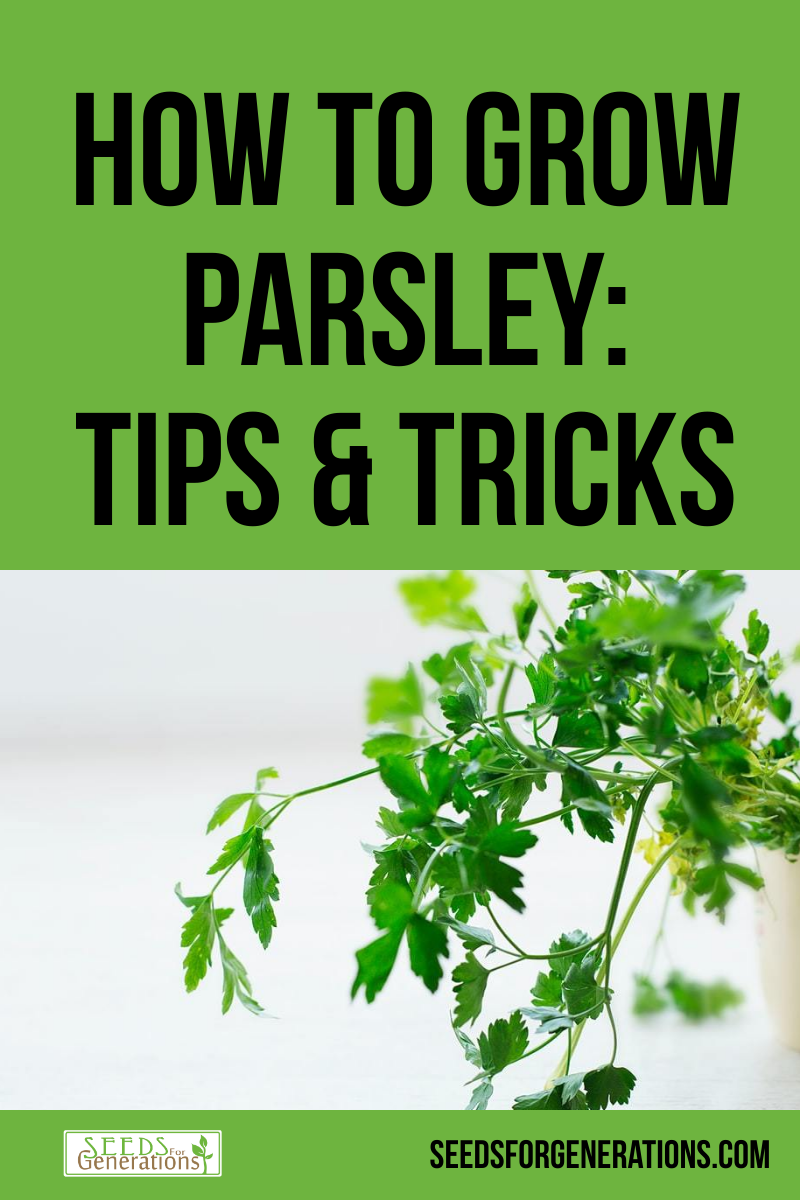
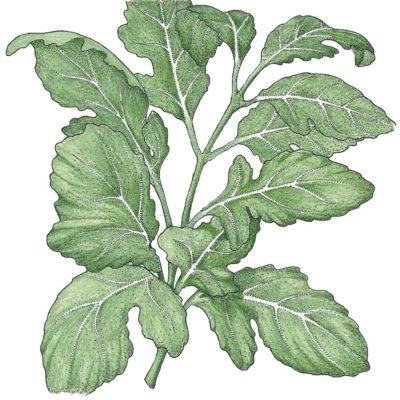
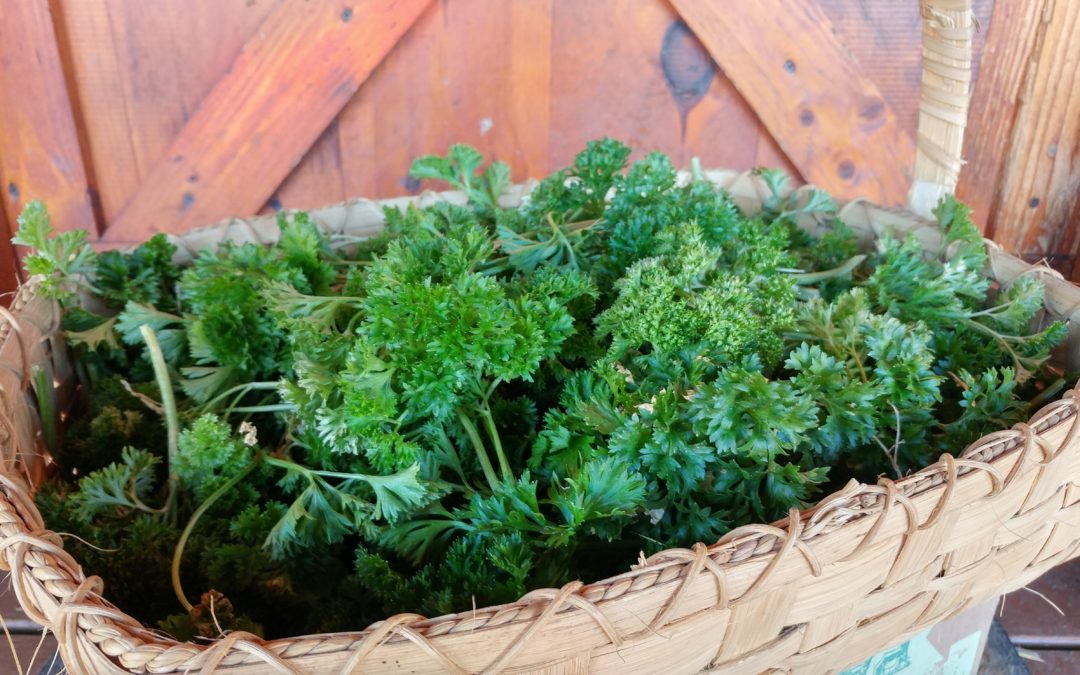
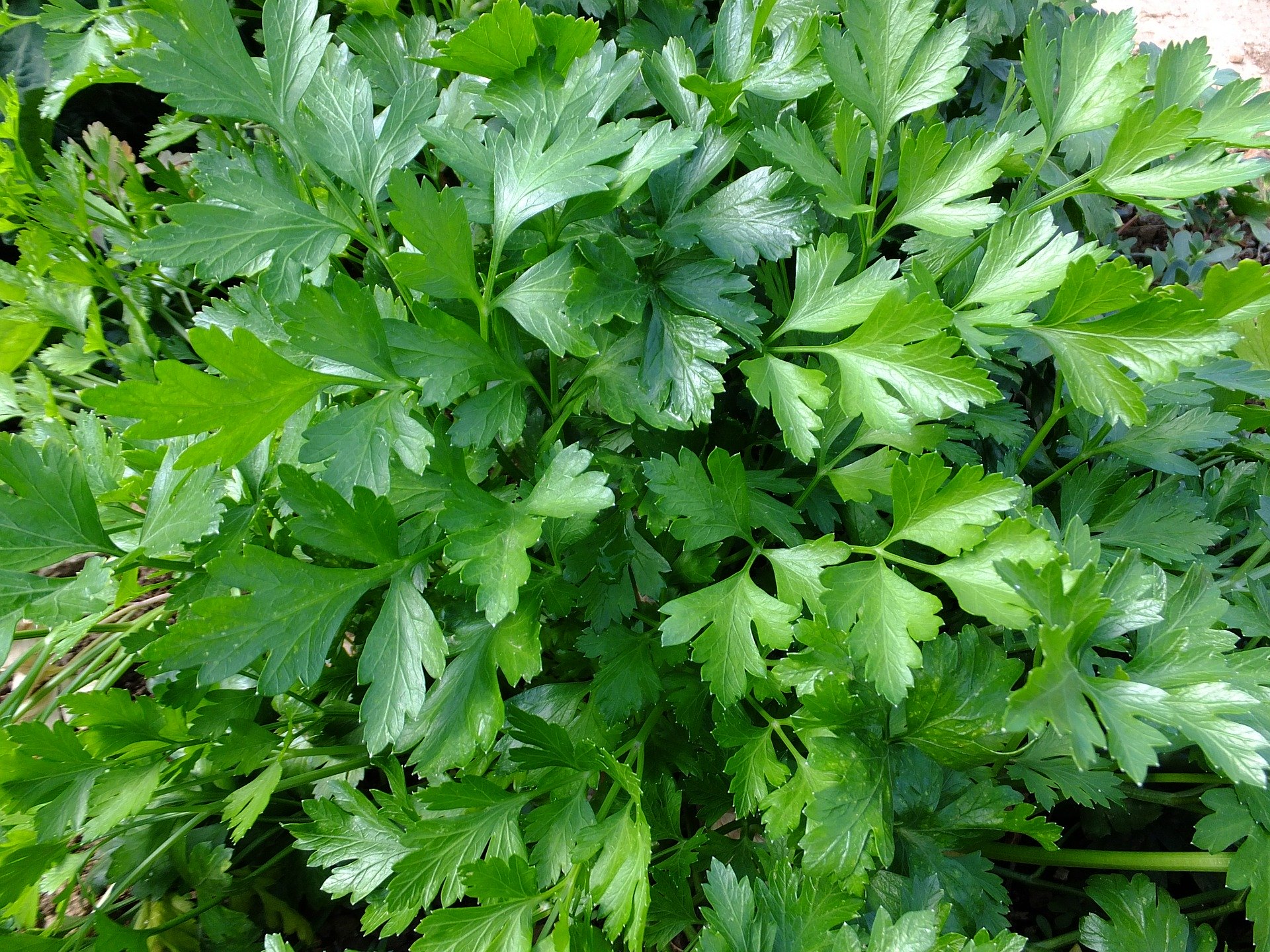
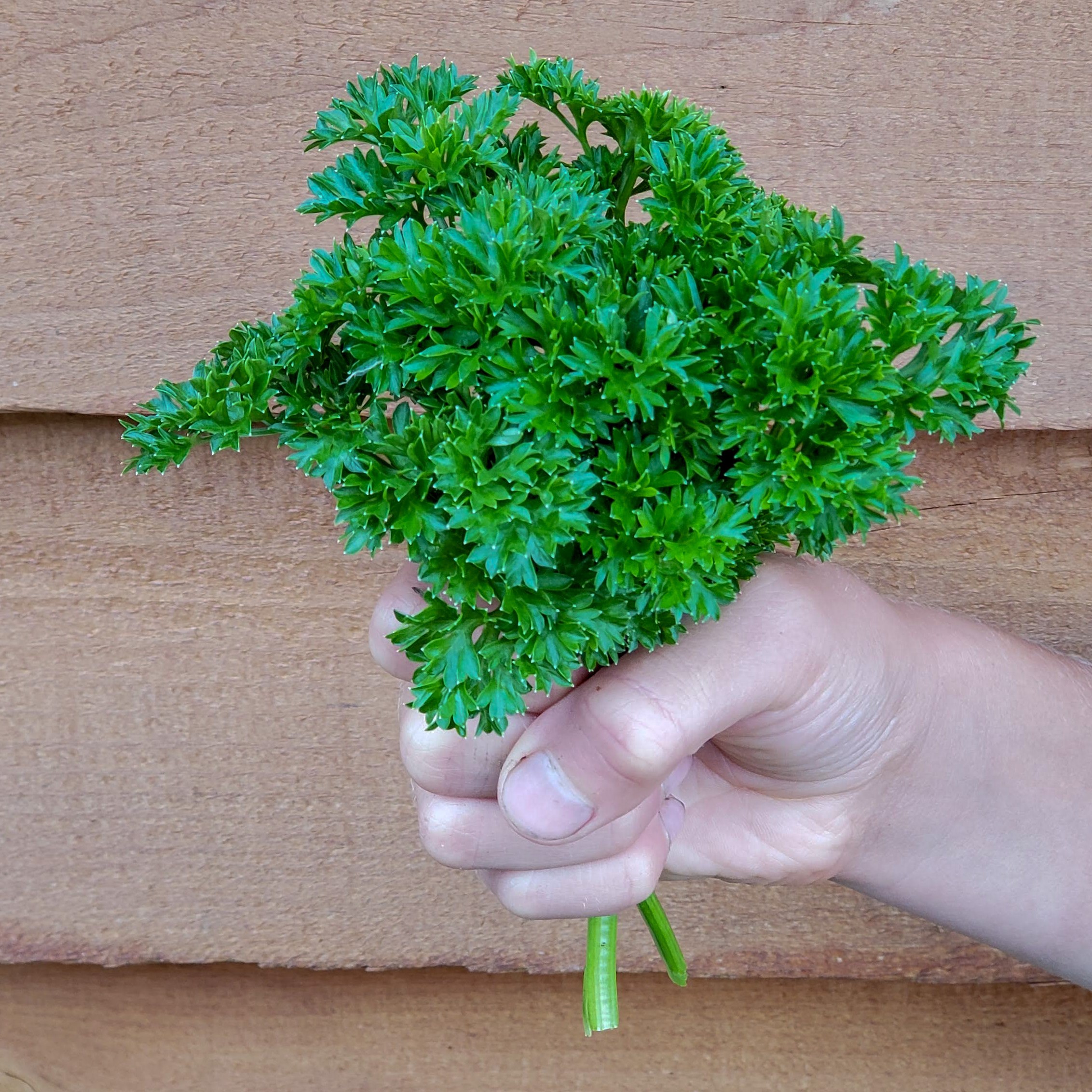
The first step to learning how to grow parsley is choosing which variety you’d like to plant. There are two main kinds of parsley: curly and flat-leafed. At the time of this writing, we currently carry both types. Our Italian parsley (Petroselinum neapolitanum) provides a stronger flavor than curly parsley, plus it’s easier to clean once you pick it. 🙂 But the curly-leafed variety is good too.
Both varieties of parsley are in the same family as celery, fennel, dill, and other popular crops![i]
How to Grow Parsley: What to Expect
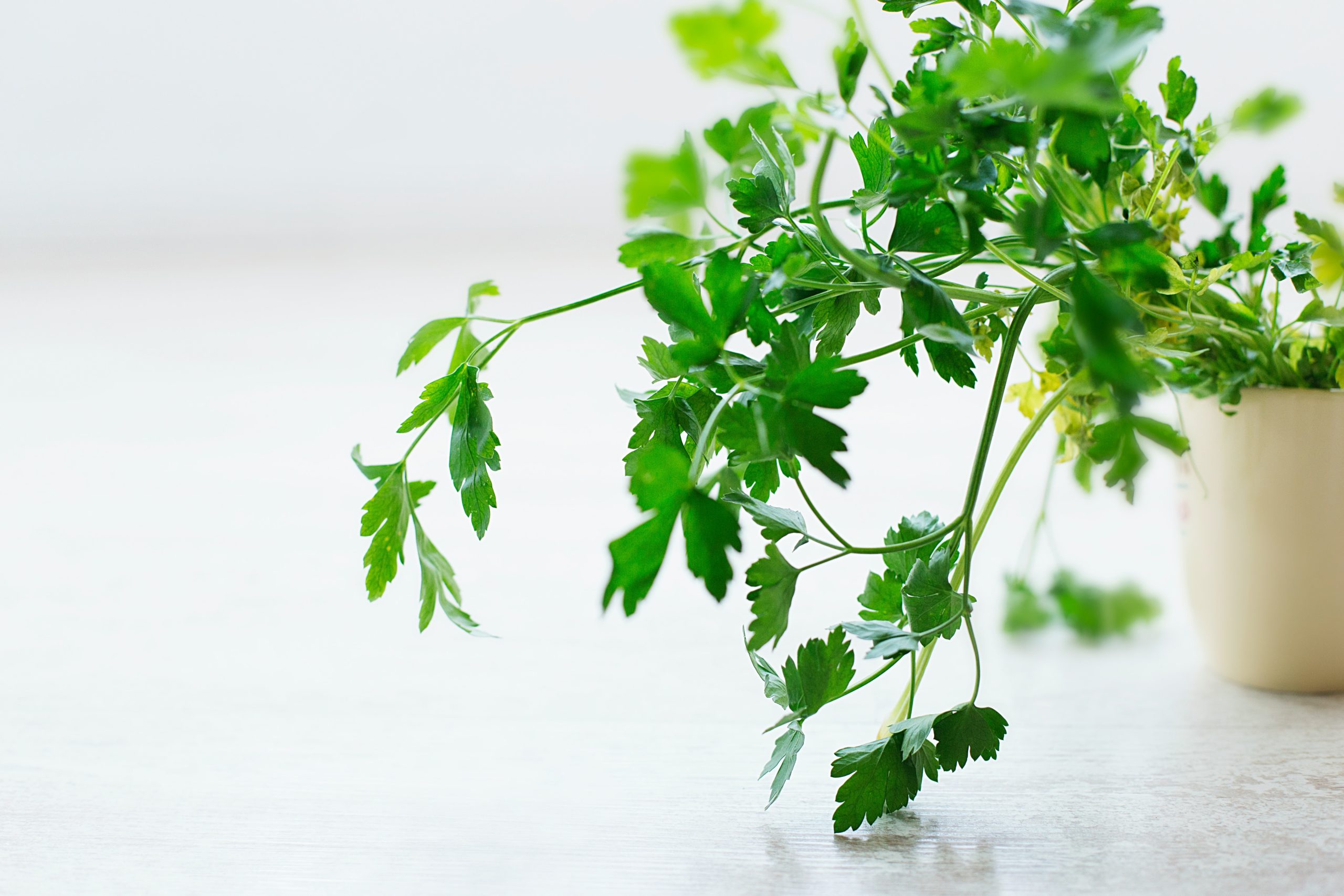
Parsley leaves grow on thick, juicy green stems, bushing into large plants (10-16″) under optimal conditions. The flavor of the leaves improves once you harvest multiple cuttings of parsley. As long as you leave the root, the stems will grow back again and again through the season.[ii]
Parsley’s aromatic, tongue-tingling leaves and stems are edible and delicious, combining notes of sweet and bitter flavors that may remind you of celery leaves.
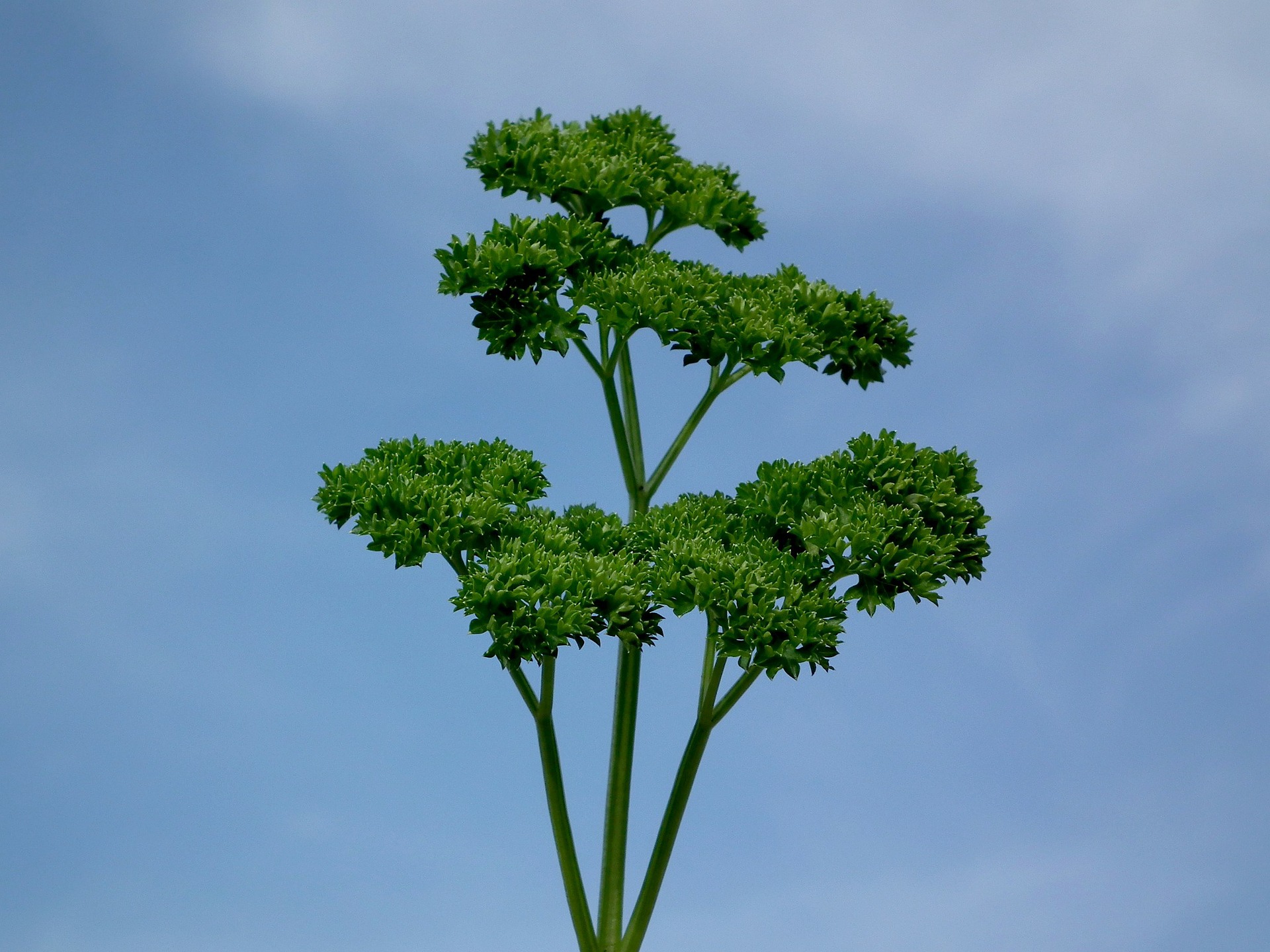
Parsley is a biannual. If it is grown for a second year, this means it eventually forms umbrella-shaped seed heads, similar to the seed heads found on dill. (Now you know why the family is called Umbelliferae.) Once parsley bolts, its flavor becomes very strong.
How to Grow Parsley in Your Garden
Planting parsley seeds can be a little tricky. In fact, germination rates of 50% are completely normal for parsley, regardless where you’ve gotten your seeds from. A trick is to presoak the seeds before planting to help germination.
Start seeds indoors 2-4 weeks before your last spring frost, or direct sow seeds in the garden just before your last spring frost. Look for soil that’s loose and high in organic matter. Provide light water and partial sun.
Parsley germinates in 14-25 days, but both of the varieties we sell require 70-80 days to grow to maturity.
How to Grow Parsley with Companion Plants
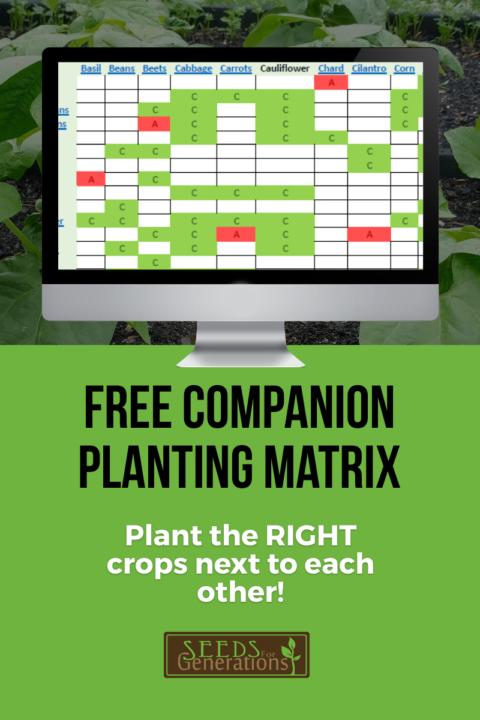
Plant parsley with tomatoes, asparagus, corn, beans, rosemary, and roses. (In fact, it’s said to make roses smell stronger!) Even though its flavor may go well with potatoes and lettuce in the kitchen, avoid planting parsley next to those crops in the garden. Also avoid planting parsley near mint, garlic, and onion.[iii]
Finally, remember that parsley is related to carrots, Queen Anne’s lace, and other common garden crops. Be aware of cross pollination concerns, especially if you’re saving seeds.[iv]
Tips for Harvesting & Using Parsley
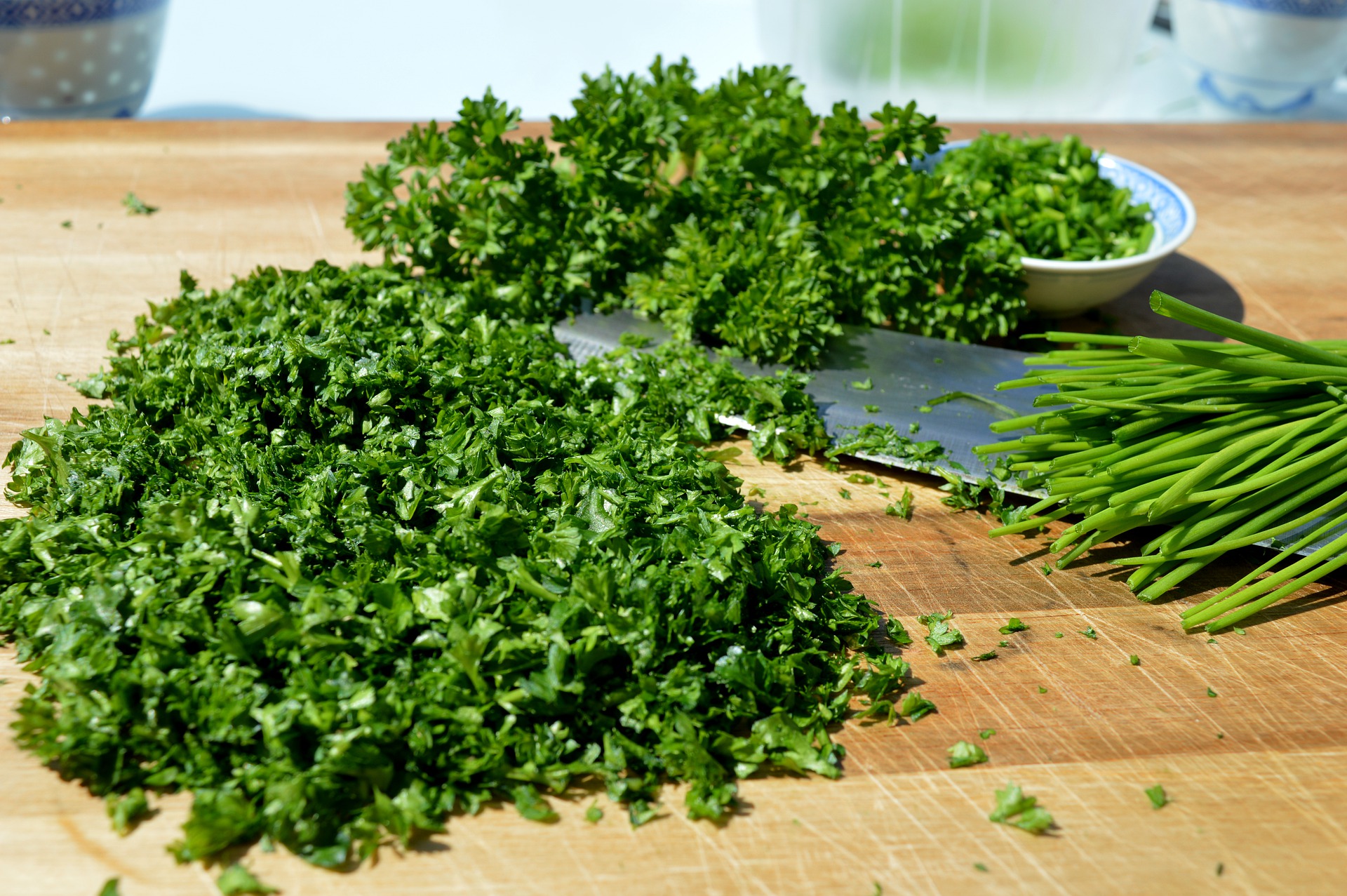
Parsley is a versatile herb in the kitchen, used both for seasoning and garnishing dishes. Fresh parsley is usually chopped finely before use, and it has a more complex flavor than dried parsley, which pales in comparison.
When it comes to flavor, parsley blends well with coriander, bay leaves, chives, oregano, and dill. It’s commonly used in dishes with ingredients like carrots, beef, potato, cauliflower, chicken, eggs, tomatoes, and more. Great for breakfast, lunch, and dinner dishes![v] The best part of learning how to grow parsley. 😉

How to Store Parsley
Once cut, fresh parsley won’t keep long in the refrigerator, due to the delicate leaves.
The best method for storage is to harvest bunches, and then keep the stems moist, mimicking parsley’s natural growing environment. Just submerge the stems in a jar of water and cover the leaves with a plastic bag. Store until the leaves start to get mushy. This method also works with other herbs too.[vi]
Preserving Parsley
Even though it doesn’t store well fresh, parsley is very easy to preserve by drying or freezing.
To dry parsley, simply hang bunches in a cool, dry place or use a dehydrator, oven, or microwave. To freeze, you have several methods available to use. Some gardeners blanch parsley before freezing, while others just freeze it whole or with oil or water. Experiment and use the method that you prefer. (It will depend on how you plan to use the parsley too.)[vii]
Conclusion
Parsley is a versatile and delicious herb, not to mention nutritious! Try learning how to grow parsley in your garden this year, and you will have it available for many different uses.


References:
[i] https://en.wikipedia.org/wiki/Apiaceae
[ii] https://seedsforgenerations.com/product/parsley-italian/
[iii] https://deepgreenpermaculture.com/companion-planting/companion-planting-table/, http://www.ourherbgarden.com/parsley-companions.html, https://www.companionplantingchart.com/herbs/parsley/, https://www.attainable-sustainable.net/companion-planting/
[iv] https://www.attainable-sustainable.net/companion-planting/#parsley
[v] https://delishably.com/spices-seasonings/The-Ultimate-Spice-Pairing-Guide, https://www.gourmetgarden.com/en/blog/1692/taking-mystery-out-herb-and-spice-pairing, https://www.theholisticingredient.com/blogs/wholesome-living/13588702-your-go-to-guide-for-pairing-flavours-with-herbs
[vi] https://www.liveeatlearn.com/how-to-store-parsley/
[vii] https://www.wikihow.com/Preserve-Fresh-Parsley, https://www.epicurious.com/expert-advice/how-to-store-parsley-and-other-herbs-so-they-stay-fresh-article, https://www.wikihow.com/Freeze-Parsley