
Disclosure: The links in this post may be affiliate links. If you purchase any products after clicking on these links, at no additional cost to you, Seeds for Generations may receive a small commission for making you aware of these important resources.
Ahhhhh…weeds! A gardener’s constant menace. The same conditions that make your vegetables grow also feed persistent and annoying wild plants throughout the season. Thankfully, there are a few things you can do to make weeding your garden easier throughout the season and many of these tips you can start implementing right away.
Tip #1: Use Mulch to Control Garden Weeds
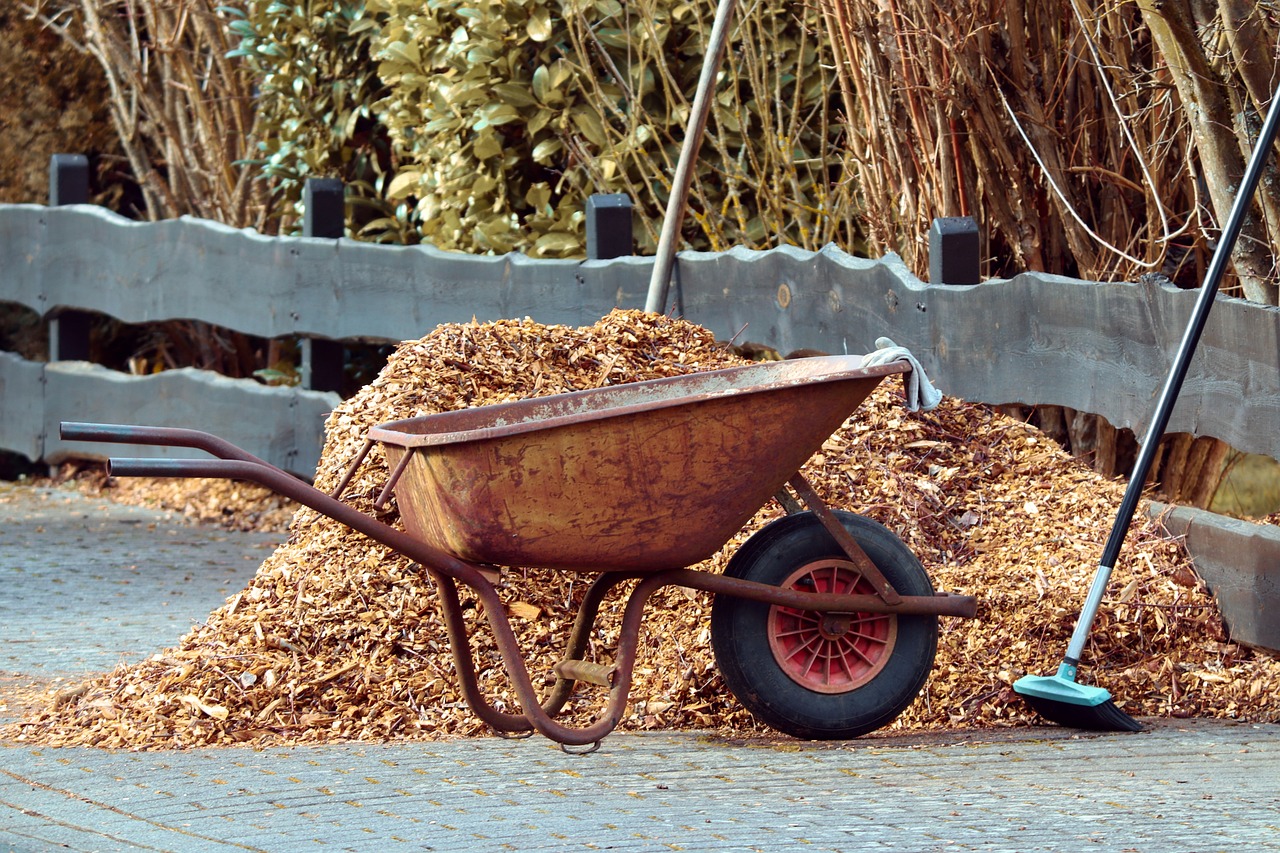
When it comes to weed control in the garden, mulch acts as a protective barrier that blocks sunlight from reaching weed seeds, preventing them from germinating and becoming established in your garden beds. Organic mulches such as straw, wood chips, shredded leaves, or grass clippings not only suppress weed growth but also improve soil structure and retain moisture, creating a conducive environment for plant growth.
Here’s how to apply mulch for weed control: Start by clearing the area of existing weeds and debris before laying down a layer of mulch around your vegetable plants. The mulch should be spread evenly to a depth of 2-4 inches, ensuring that the soil is completely covered but leaving space around plant stems to prevent moisture-related issues. Avoid piling mulch directly against plant stems, as this can create a humid environment that may promote disease. Replenish the mulch as needed throughout the growing season to maintain an effective weed barrier and provide ongoing benefits to your garden soil.
In addition to weed control, mulch offers a range of benefits that contribute to overall garden health. By retaining soil moisture and regulating temperature fluctuations, mulch helps reduce water evaporation and protect plant roots from extreme temperature shifts and weather events. As organic mulches break down over time, they also enrich the soil with valuable nutrients, promoting microbial activity and improving soil structure. Mulch also acts as a natural buffer against soil compaction, preventing erosion and runoff while fostering a healthy ecosystem for beneficial soil organisms.

Tip #2: Keep on Top of Garden Weeds
Staying on top of weed control can make a significant difference in the overall success of your plants. One key reason why it is crucial to pull weeds when they are young is to prevent them from maturing and producing seeds. Weeds are prolific seed producers, and allowing even a single weed to go to seed can result in a multitude of new weeds sprouting up in your garden! By removing weeds while they are still small and still easily manageable, you can prevent the spread of those weed seeds and reduce the weed population in your garden.
Young weeds are also easier to pull out of the soil, as their roots are less established and intertwined with surrounding plants. Pulling weeds when they are small minimizes the risk of damaging nearby vegetable plants and helps preserve the integrity of your garden beds. Mature weeds with deep root systems can be more challenging to remove without disturbing the roots of desirable plants.
Furthermore, allowing weeds to mature and go to seed can lead to persistent weed problems that may require more intensive and time-consuming control measures in the future. Weeds that are left to reproduce freely can quickly establish themselves in your garden, outcompeting your vegetable plants for essential resources such as water, nutrients, and sunlight. Once weeds become established and produce seeds that scatter throughout the garden, it can be challenging to eradicate them completely.
Tip #3: Use Proper Hand Tools for Removing Garden Weeds
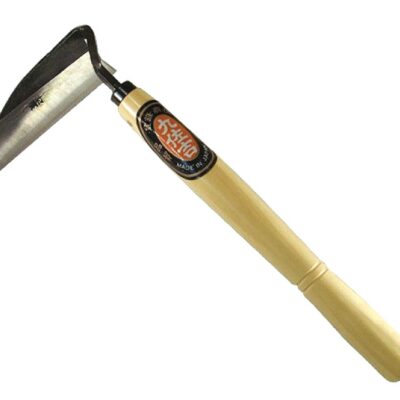
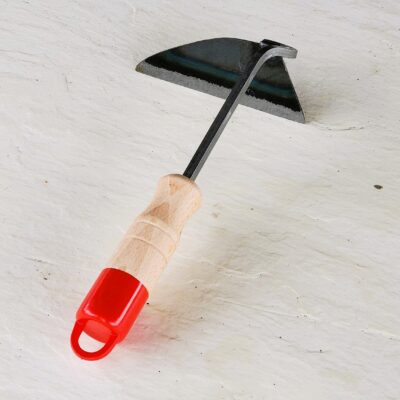
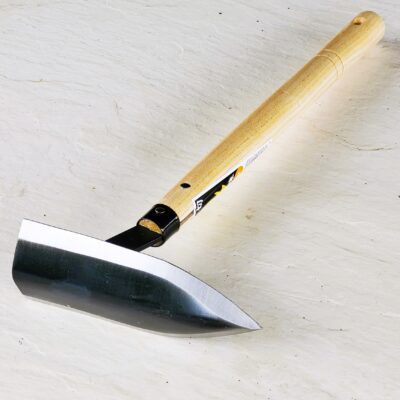
Choosing the right hand tools for weeding can make this essential garden task more efficient, effective, and even enjoyable. They can be used for precision weeding around plants, in tight spaces, and between rows where larger tools may not reach effectively or easily. They are also intended to uproot deep weed roots and aerate the soil.
Designed to rest comfortably in the hand, hand hoes, claw rakes, and cultivators are lightweight, easy to maneuver, and require less physical strength to maneuver than larger tools might:
-

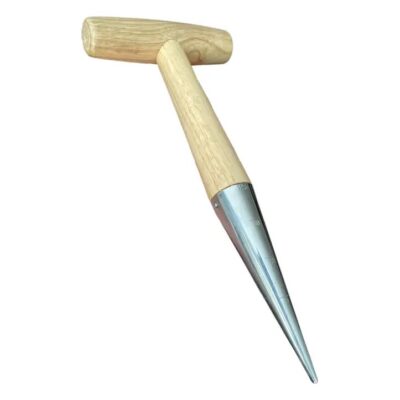
Garden Guru Steel Dibber Planter Tool
$15.00 Add to cartQuick View -
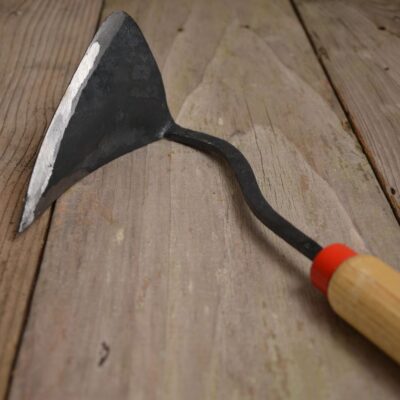
Handy Garden Hoe
$18.00 Add to cartQuick View -
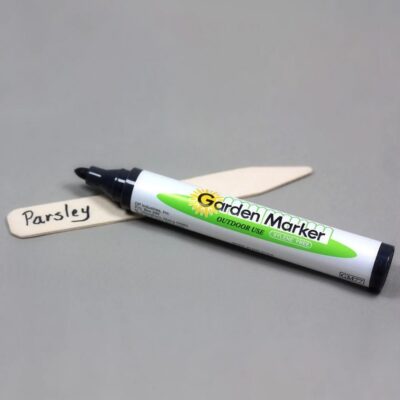
Garden Marker Pen
$5.00 Add to cartQuick View -
Right Handed Gama Hoe 13″
$23.00Quick View×Subscribe to get notified when this product is restocked.
-
Gama Hoe 11″
$15.00 Add to cartQuick View -
Sankaku Hoe
$24.00Quick View×Subscribe to get notified when this product is restocked.
-
Japanese Ninja Claw Rake/Cultivator
$16.00Quick View×Subscribe to get notified when this product is restocked.
-
Garden Boss Bucket Tool Organizer
$40.00Quick View×Subscribe to get notified when this product is restocked.
-
Ko Gama Hoe
$17.00Quick View×Subscribe to get notified when this product is restocked.
-
Shrub Rake
$17.00Quick View×Subscribe to get notified when this product is restocked.
-
Hori Hori Knife
$36.00Quick View×Subscribe to get notified when this product is restocked.
-
Kuwa Hoe
$30.00 Add to cartQuick View
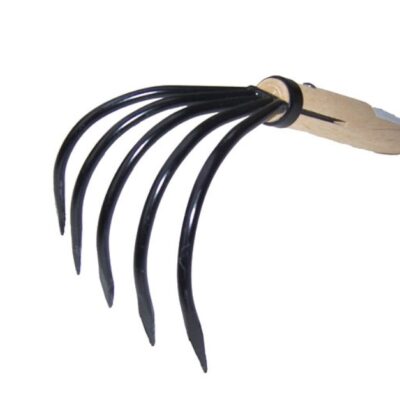
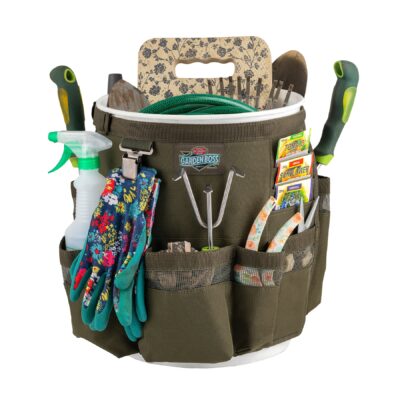
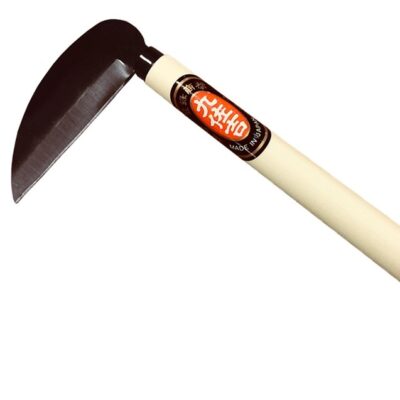
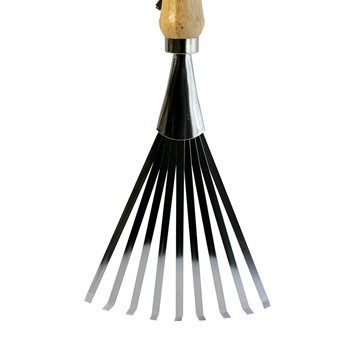
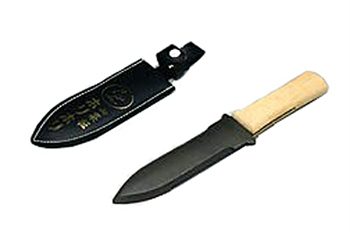
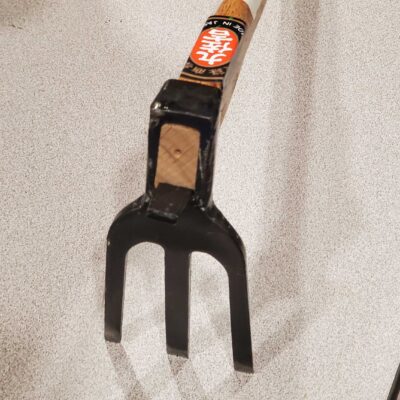
In addition to specialized weeding tools, having a sturdy and comfortable pair of gardening gloves is essential for protecting your hands while weeding. Choose gloves that fit well, provide good grip, and offer protection against thorns, prickly plants, or abrasive soil.

Tip #4: Use Barrier Fabrics for Preventing Garden Weeds
Weed barrier fabrics, also known as landscape fabrics, can significantly aid in weed management in your garden. These fabrics are typically made from durable materials like woven polypropylene or geotextiles and are designed to suppress weed growth by blocking sunlight, which inhibits weed seed germination and stifles weed development.
By creating a physical barrier between the soil and the external environment, weed barrier fabrics help prevent weeds from taking root and competing with your vegetable plants for essential nutrients, water, and sunlight.
To use barrier fabrics for controlling weeds in the garden, begin by clearing the area of existing weeds, rocks, and debris to ensure a clean and level surface for laying down the fabric. Cut the fabric to fit the desired area, leaving extra material around the edges to secure it in place. Secure the fabric to the soil using landscape staples or pins to prevent it from shifting or being exposed to wind damage. Overlap seams and edges to create a continuous barrier that leaves no gaps for weeds to penetrate. By taking care during the installation process, you can ensure that the weed barrier fabric performs optimally in suppressing weed growth and protecting your garden beds throughout the season.

Tip #5: Use Cover Crops for Garden Weed Control
Cover crops are plants primarily intended to cover and protect the soil during periods when primary crops are not actively growing. By planting cover crops strategically in your garden, you can create a living mulch that shades the soil, competes with weeds for nutrients and sunlight, and releases allelopathic compounds that inhibit weed germination and growth.
One of the key benefits of using cover crops for weed control is their ability to physically suppress weed growth by forming a dense canopy that shades the soil surface. This shading effect inhibits weed seed germination by blocking sunlight and creating a less hospitable environment for weed establishment.
Additionally, the root systems of cover crops help improve soil structure, break up compacted soil layers, and enhance water infiltration and retention, creating a healthier growing environment for your vegetable plants. By planting cover crops strategically between vegetable rotations or in fallow areas, you can effectively smother weeds, reduce weed pressure, and promote long-term soil health in your garden.

Tip #6: Use Proper Plant Spacing in the Garden
Proper plant spacing is a critical aspect of successful vegetable gardening that not only promotes optimal plant growth and productivity but also plays a significant role in weed control. When vegetables are spaced appropriately, they have ample room to develop strong root systems, access essential nutrients, and receive adequate sunlight and airflow. Well-spaced plants are healthier, more resilient to pests and diseases, and better equipped to compete with weeds for resources. By giving your vegetable plants the space they need to thrive, you create a dense canopy that shades the soil, suppresses weed growth, and reduces the opportunities for weeds to take root and proliferate.
Planting vegetables with proper spacing also facilitates easier access for weeding and maintenance tasks, making it simpler to identify and remove weeds before they become established. Adequate spacing between plants allows for efficient hand weeding, hoeing, or cultivating between rows and around individual plants without causing damage to the crops.
In addition to reducing weed competition, proper plant spacing contributes to improved air circulation and light penetration within the garden bed, creating a healthier microclimate for your vegetable plants. Good air circulation helps prevent moisture buildup, which can lead to fungal diseases and other plant issues.
Tip #7: Use Proper Watering Techniques to Deter Weed Growth
Proper watering practices can help reduce weed growth in your garden by creating an environment that favors the growth of your desired plants while making it less conducive for weeds to thrive.
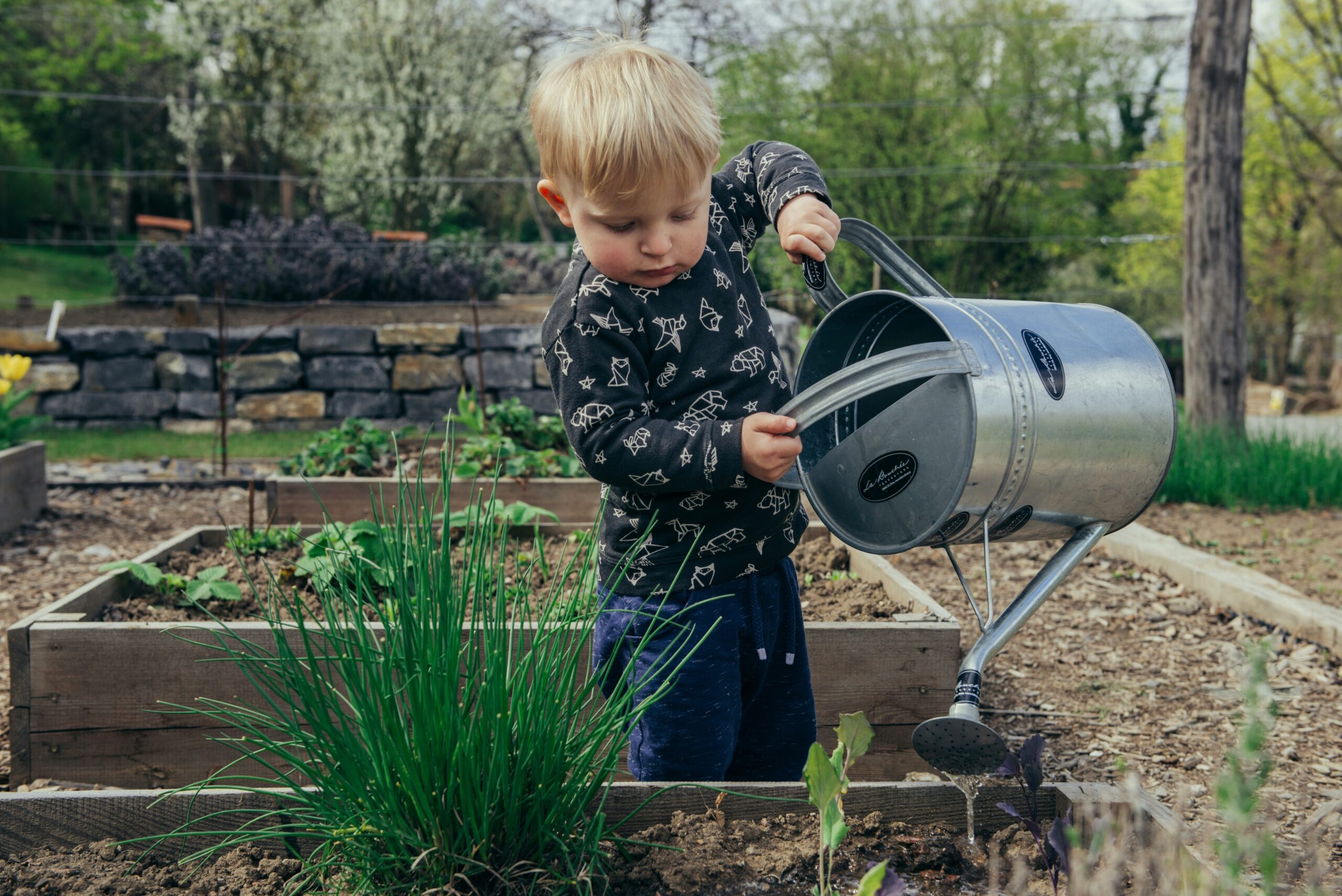
One aspect of proper watering that can help control weed growth is to water plants at the base rather than overhead. Watering at the base of plants directly targets the root zone, delivering moisture where it is needed most and minimizing moisture on the soil surface where weed seeds may germinate. In addition, overhead watering can create a humid environment on the soil surface, promoting weed growth and potentially spreading weed seeds to new areas. By using drip irrigation, soaker hoses, or watering cans to apply water at the base of plants, you can provide targeted hydration to your vegetables while limiting weed-friendly conditions on the soil surface.
Another key aspect of watering plants correctly to discourage weed growth is to water deeply and infrequently. Deep watering encourages plants to develop deep root systems that can access moisture from lower soil layers, reducing competition with shallow-rooted weeds for surface water. By watering deeply, you also promote stronger, healthier plants that are better equipped to outcompete weeds for resources and withstand weed pressure. Infrequent watering allows the soil surface to dry out between waterings, creating less favorable conditions for weed seed germination and growth. Consistent, deep watering can help establish a robust plant root system that efficiently absorbs nutrients and water, reducing the need for frequent irrigation and creating a more resilient garden ecosystem.

Tip #8: Try Flame Weeding
Yes, flame weeding is what it sounds like! 🙂 Flame weeding is a natural and chemical-free method of weed control that utilizes intense heat to eradicate weeds by damaging their cell structure and causing them to wither and die. This technique involves the use of a specialized flame weeder tool that directs a controlled flame onto the weeds, effectively eliminating them without the need for herbicides or manual labor.
Flame weeding is particularly effective for targeting weed seedlings, young weeds, and broadleaf weeds that are vulnerable to heat damage. By incorporating flame weeding into your weed management strategy, you can efficiently control weed growth, reduce weed competition with your vegetable plants, and promote a healthier garden environment.
One of the key advantages of flame weeding is its precision and effectiveness in targeting weeds while minimizing damage to surrounding vegetation. As long as you’re careful, the focused heat generated by the flame weeder can be directed specifically at weed seedlings and undesirable plants without harming nearby crops or beneficial vegetation. This targeted approach allows you to selectively eliminate weeds in rows, between plants, or in hard-to-reach areas where manual weeding may be challenging. By using flame weeding to spot-treat weed-infested areas in your garden, you can control weed growth without disrupting the soil structure or root systems of your vegetables.
Flame weeding is a versatile method that can be used in various stages of plant growth, from pre-planting to post-harvest cleanup. Before planting your vegetable crops, flame weeding can be employed to clear the soil of existing weeds and weed seeds, creating a weed-free environment for optimal seed germination and plant establishment. During the growing season, regular flame weeding sessions can help prevent weed competition, maintain clean planting beds, and reduce the need for manual weeding. After harvest, flame weeding can be used to tidy up garden beds, eliminate remaining weeds, and prepare the soil for future plantings.

Tip #9: Use Vinegar & Boiling Water on Garden Weeds
Vinegar and boiling water are simple yet effective natural remedies for weed control in the garden, offering a chemical-free and environmentally friendly approach to managing unwanted plant growth. You’ll just need to be careful to use them in a way that will not damage your garden plants! While vinegar and boiling water methods offer natural alternatives to conventional herbicides for weed control, it is important to note that these treatments may not be as effective on perennial weeds with deep root systems or extensive underground rhizomes. Additionally, repeated applications may be necessary to fully eradicate persistent weeds or regrowth.
Vinegar is a potent herbicidal agent that can desiccate and kill weeds upon contact by disrupting their cell membranes. When applied directly to weed foliage, vinegar acts quickly to dry out the plant tissues, causing wilting and ultimately leading to weed death. Household vinegar with 5% acetic acid concentration can be effective for young, tender weeds, while horticultural vinegar with higher acetic acid content (up to 20-30%) is more potent and suitable for tougher, established weeds.
To apply vinegar as a weed killer, simply pour it directly onto weed foliage on a sunny day when the weeds are actively growing. Be cautious when using vinegar near desirable plants, as it can have non-selective effects and may damage or kill any vegetation it comes into contact with. By using vinegar judiciously and targeting weeds specifically, you can effectively manage weed growth without compromising the health of your garden plants.
Boiling water, on the other hand, works by scalding and damaging weed cells upon contact, effectively killing weeds by heat shock and causing them to perish above and below the soil surface. It can be particularly useful for eliminating weeds in hard-to-reach areas, cracks in pavement, or along garden borders.
To use boiling water as a weed killer, simply heat water to boiling point and carefully pour it directly over the weeds you wish to eradicate. Be mindful of nearby plants or structures that could be damaged by hot water, and exercise caution when handling boiling water to prevent burns or injuries. (This is one method you probably do NOT want to use haphazardly with poison ivy, because of the steam that comes off the plants. Be careful.)

Tip #10: Keep a Clean Garden
One key aspect of garden hygiene that helps prevent weed growth is the removal of weed seeds and plant debris at the end of each growing season. Weeds produce copious amounts of seeds that can remain viable in the soil for years, ready to germinate and cause trouble in the following seasons. By promptly removing weed-infested plants, seed heads, and debris from your garden beds, you can prevent the spread of weed seeds and reduce the likelihood of new weeds emerging in the future. Cleaning up garden beds, pathways, and planting areas at the end of the growing season helps disrupt the weed life cycle, limit seed dispersal, and create a fresh start for the next planting season.
In addition to removing weed seeds and plant debris, maintain clean and weed-free pathways, borders, and edges around your garden beds. Even if it’s not in your garden itself, overgrown pathways or neglected border areas can become havens for weeds to thrive and spread into your nearby garden beds. By regularly weeding, mulching, or edging these areas, you create physical barriers that deter weed encroachment and make it easier to spot and address weed growth before it becomes a problem.
Another aspect of garden hygiene that can help prevent weed growth is proper composting and disposal of plant material. When cleaning up your garden beds, avoid composting weed-infested or diseased plant material that may reintroduce weed seeds or pathogens into your garden soil. Dispose of the plant materials in a way that will break down seeds and make sure they don’t just get put back into your soil.
Hopefully these tips will help you as you weed your garden this year!