
Disclosure: Seeds for Generations is a part of Amazon Services LLC Associates Program, as well as other affiliate and/or referral programs. If you purchase or opt-in after clicking on these links, at no additional cost to you, we may receive a small commission for making you aware of these important resources.
The dog days of summer are almost here! While most gardeners relish the hot weather because it grows their gardens, depending on where you live, the heat could actually be something you battle instead.
How do you grow a productive garden if you have oppressively hot summers where you live? Here are some tips for growing gardens in hot weather.
Choose the RIGHT Crops
This is the MOST important tip on this list. You can grow more food if you work with your natural climate instead of against it. You may want to grow lettuce and peas, but it simply isn’t possible in your climate, at least not in the summer. But you can still have bumper crops of heat-loving veggies, herbs, and fruits.
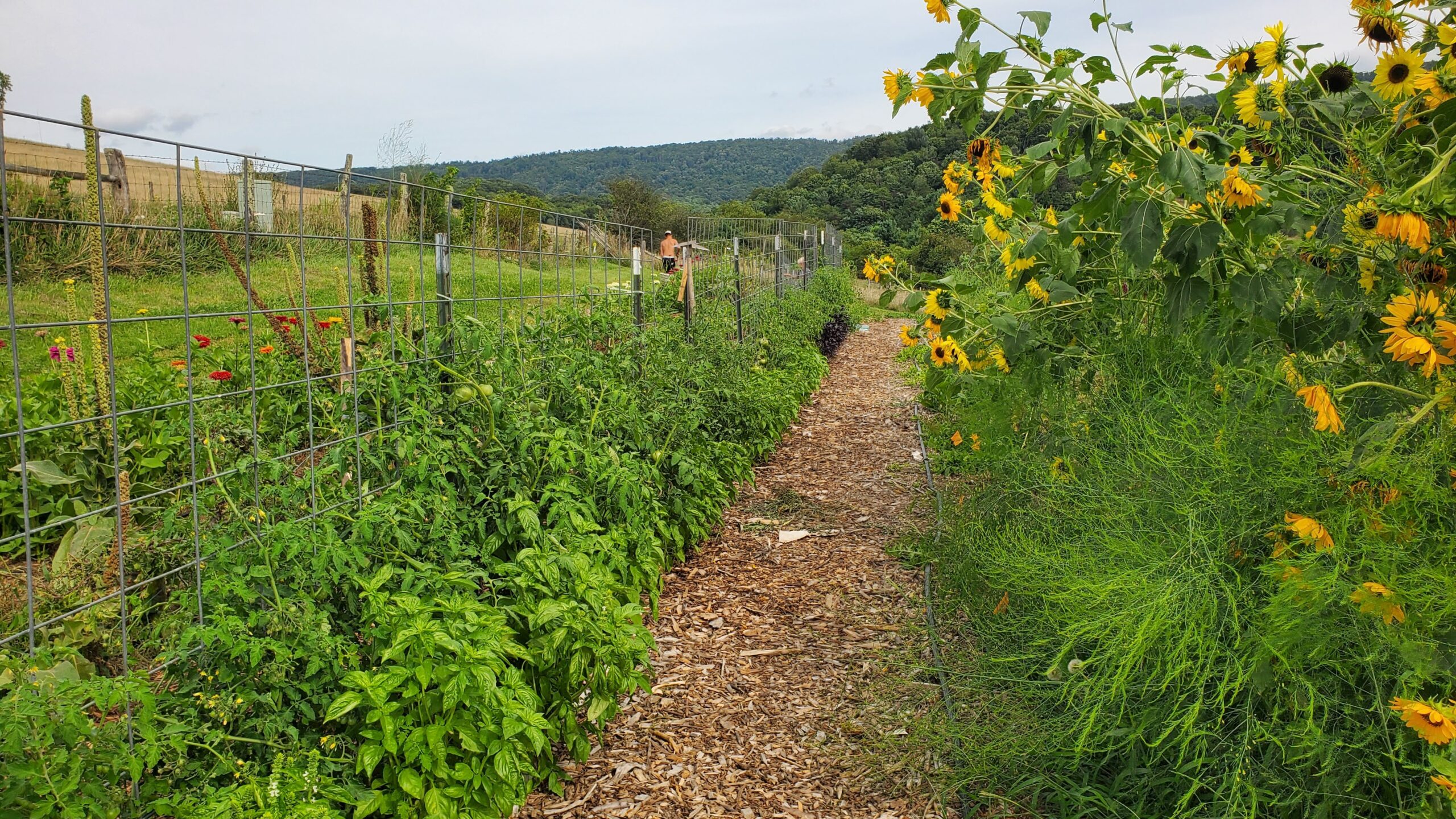
When it comes to veggies, okra thrives in hot weather, traditionally being grown in the south where it is hot and humid. But that’s not all! If you have a hot summer, your sweet corn, eggplant, peppers, melons, pumpkins, and tomatoes love that weather, as long as they get enough water for their liking.
And it’s not just veggies. Many common herbs like basil, rosemary, thyme, oregano, sage, lavender, and lemongrass love the heat too, as do many flowers.
There are special trees, bushes, and shrubs you can grow as well. Maybe you like goji berries, pomegranates, figs, dates, mangoes, lemons, limes, oranges, pecans, almonds, and pistachios. If you live in a very warm climate (such as the tropics), you may be able to grow some prize crops that nobody else in the country can grow, simply because of the weather.
It’s easy to think of what you CAN’T grow. But don’t forget all of the amazing things you CAN grow! Many of what other gardeners consider “exotic” plants might already be growing in your backyard. If you aren’t sure, ask other local gardeners what they suggest.

Provide Shade
Sometimes, it isn’t so much the heat as it is the rays from very strong summer sunshine. Shade cloth can be your best friend.
Shade cloths, available in various densities (usually between 30% to 60% shade), are widely used because they can be placed over plants during the hottest parts of the day and easily removed when not needed. Lightweight fabric like garden netting or even old sheets can serve as temporary shade. Natural shade can also be created by planting taller crops or installing trellises with vining plants that cast shadows on shorter, more sensitive vegetables.
Positioning your garden or certain plants in spots that get partial shade—such as on the north or east sides of buildings, fences, or larger trees—can help avoid the harshest afternoon sun. This is especially helpful for heat-sensitive crops like lettuce, spinach, and herbs that prefer cooler conditions. Shade not only protects plants but also conserves soil moisture by lowering evaporation rates, reducing the watering frequency needed during hot spells.
One thing to remember is that buildings and other heat masses can trap heat and release it after the sun has gone, so factor that into your plans too. (Gardeners use this trick in colder climates to expand their growing seasons, but it could do the reverse for you.)
Lastly, using shade doesn’t mean depriving plants of sunlight altogether; it’s about balancing light and protection. Many heat-loving vegetables still need full sun during cooler parts of the day but benefit from filtered light during peak heat hours.

Water Well
Next to heat, water is a big stress factor on your plants.
Retain Water
Improving soil’s ability to retain water is essential in hot weather gardens to keep plants hydrated longer and reduce the frequency of watering. Adding organic matter such as compost, aged manure, or leaf mold helps enhance soil structure, increasing its capacity to hold moisture while improving aeration, while mulching with materials like straw, wood chips, or shredded leaves creates a protective layer on the soil surface that reduces evaporation and moderates soil temperature.
One creative way to retain water is by using what is called a hugelkultur bed. This a gardening technique that involves creating raised beds by piling up decomposing wood, branches, leaves, and other organic materials, then covering them with soil. This method mimics natural forest processes, providing a slow-release source of nutrients as the wood breaks down over time. Hugelkultur beds retain moisture exceptionally well, making them ideal for hot or drought-prone climates because they reduce the need for frequent watering. The rotting wood acts like a sponge, absorbing water and gradually releasing it to plant roots, while also improving soil aeration and encouraging beneficial microbial activity. Additionally, the raised structure warms up faster in spring, extending the growing season outside of jus summertime.
Water Correctly
In hot weather, the most effective watering methods involve delivering water deeply and directly to plant roots while minimizing evaporation and leaf damage. Drip irrigation systems or soaker hoses are ideal because they provide slow, steady moisture directly to the soil without wetting foliage, which helps prevent fungal diseases (a big problem in humid climates in particular) and reduces water waste.
Watering early in the morning or late in the evening is best to avoid rapid evaporation caused by midday heat. Deep watering encourages roots to grow downward into cooler, moister soil layers, making plants more resilient to heat stress. Avoid frequent shallow watering, which promotes shallow root systems and increases vulnerability to drought.
Finding Water
Depending on the water situation where you live, you might need to get creative: Collecting rainwater through rain barrels or cisterns is a sustainable way to capture and store seasonal rainfall for garden use. Greywater systems can be used to recycle household water from sinks, showers, or washing machines. (You can do the same manually if you save your water from washing produce or dehumidifying your house, for example, and using it to water plants.) Mulching and using drought-tolerant plants further reduce water needs by conserving soil moisture. Additionally, using drip irrigation and watering during cooler times of day maximizes your impact.
What About Droughts?
In some climates, summer droughts may be a bigger concern that just heat alone. Many crops don’t do well in drought conditions, so you’ll want to choose plants that can tolerate dryer weather. These might include okra, peppers, and beans.
Also remember that wind can dry out the soil even faster than just plain heat.
Provide Good Air Flow Between Plants
On the opposite end, perhaps you live in a hot and humid climate. In that case, be sure to provide good air flow between your plants to prevent fungal diseases from catching hold in warm weather. It is also just generally good for the plants, making them stronger and more resilient to whatever the weather does next.
Avoid Dark Ground Covers
Using dark ground covers in hot weather gardens can unintentionally increase soil temperatures, stressing plant roots and reducing moisture retention. Dark-colored materials like black plastic or dark mulch absorb and trap heat, which can make the soil excessively warm when you’re already battling heat. Organic mulches like straw or wood chips can provide a covering and improve soil health without contributing to overheating.
Harvest Early in the Day
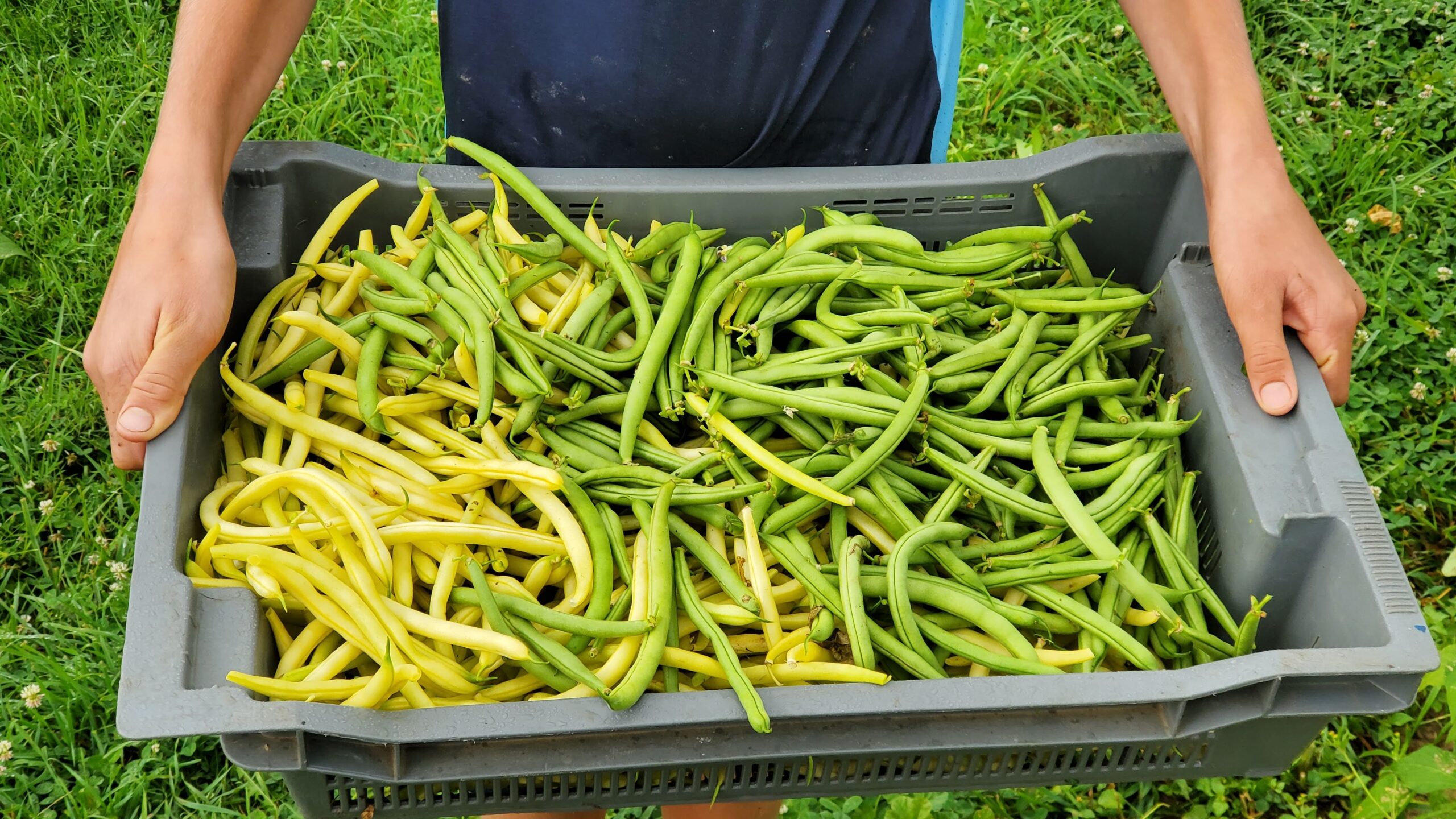
Harvesting vegetables early in the day, preferably in the cool morning hours, is still best. During the early morning, temperatures are lower and plants have had time to recover moisture overnight, which means harvested produce is less likely to be wilted or stressed. Picking vegetables before the heat of the day also reduces the risk of rapid spoilage caused by high temperatures. For leafy greens and delicate herbs, early harvesting helps maintain crispness and flavor. Additionally, harvesting in the morning minimizes damage to plants since they are less stressed by heat compared to midday or afternoon harvests. Plus…you’re not as hot, either! 🙂
Grow in the Off-Season
Growing vegetables in the off-season is a smart strategy to avoid the extreme heat of summer, especially in hot climates where high temperatures can stunt growth or damage crops. Try growing veggies in early spring, late fall, or even winter, depending on your region. By planting during these times, you give your vegetables a chance to grow in more favorable temperatures, leading to healthier plants and better yields. You might be able to grow leafy greens, root veggies, and cooler-preference flowers and herbs through the winter where you live.
Keep Yourself Cool
It bears mentioning that your garden reflects the kind of care it receives. If you’re out in the heat, make sure you’re getting enough water and electrolytes. Wear a hat if you’re prone to sunburn. Use a wet towel around your neck. Work in the garden early or late in the day when it isn’t so hot.
Pay Close Attention
Other than these tips, focus on growing strong, healthy plants in general. Watch your garden and notice when the plants don’t look quite right. The stronger your plants, the better they will weather the, well, weather…no matter what it feels like outside.
Build strong soil so the plants have what they need to thrive. Feed your plants at the right time of the season so they can grow big and strong. Provide support for plants that like to vine. Pick fruit often so they keep growing more food for you. Provide plenty of water in hot weather instead of letting them dry out and get stressed. Deal with pests and diseases promptly so they don’t catch hold.
All of these things make your garden as productive as possible, even if you’re growing in hot climates.