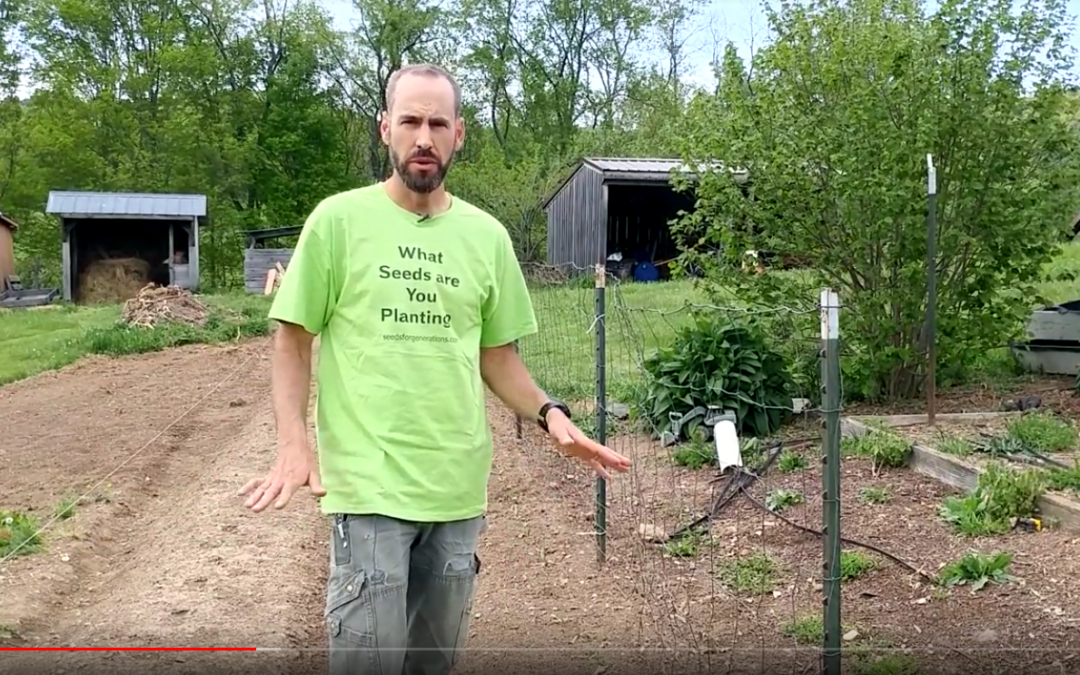
In this video, you can also get a peek into our new garden. The previous owners did a great job in their garden, and they even build some existing raised bed areas! We’ve also built some simple raised beds using flat shovels. These will be used for growing root crops like carrots, which require loose soil. These beds are also designed for optimal drainage.
Whether you have a raised bed yet or not, learn how to build a raised bed that works for your garden!
Raised bed gardens are an excellent way to grow vegetables efficiently, especially if your soil is poor or uneven. Here’s a simple guide based on my experience setting up raised beds on our new homestead in the mountains of Virginia.
Understanding Your Site
Our homestead sits on a gentle slope with a later frost date (mid-May). The slope affects how we build our raised beds because we want them level for proper water absorption and ease of planting.
Traditional Lumber-Sided Raised Beds
We inherited some lumber-sided raised beds from previous owners. They are built in a stair-step pattern following the slope, where each higher bed’s bottom aligns with the top of the bed below it.
For building new beds without lumber:
- We scooped loose soil from path areas using flat shovels.
- Moved most soil uphill to level out beds.
- Beds ended up 3 to 7 inches above the paths. This keeps foot traffic off growing areas and prevents soil compaction. Level beds also help reduce runoff during heavy rains.
Trellis Setup for Climbing Plants
We set up T-posts with welded wire fencing as trellises for peas and cucumbers. Rigid structures like cattle panels or welded wire fencing are easier for vine removal compared to netting or twine.
Raised Beds for Accessibility
For gardeners with mobility challenges:
- Consider taller raised beds (2-3 feet or more).
- Use cinder blocks or landscaping blocks.
- Pave paths with concrete for wheelchair access.
- Though more expensive, these setups make gardening easier as they reduce bending and kneeling.
Benefits of Raised Beds
- Soil Health: Prevents soil compaction by limiting foot traffic.
- Width: Keep beds 3-4 feet wide for easy access without stepping into beds.
- Soil Quality: Ideal for poor native soils—fill beds with quality topsoil or compost.
- Water Management: Level beds encourage water absorption and reduce erosion.
Pathways & Access
Paths should be wide enough (around 2 feet) for garden carts or tool transport. This makes harvesting easier and reduces manual carrying.
Final Thoughts
Plan your raised bed layout carefully considering slope, access, and intended crops. Loose soil depth is important for root vegetables like carrots (8-12 inches deep).
Need Seeds to Plant in Your Raised Beds?