Disclosure: Seeds for Generations is a part of Amazon Services LLC Associates Program, as well as other affiliate and/or referral programs. If you purchase or opt-in after clicking on these links, at no additional cost to you, we may receive a small commission for making you aware of these important resources.
Preserving the harvest from your garden or farmers market is a rewarding way to enjoy fresh flavors year-round. Whether you grow your own vegetables and fruits or simply want to reduce food waste, knowing different preservation methods can help you make the most of your produce when it is abundant.
Here’s an overview of the most popular preservation techniques, including their uses, requirements, and pros and cons, so you can make the best decision for this year’s produce.
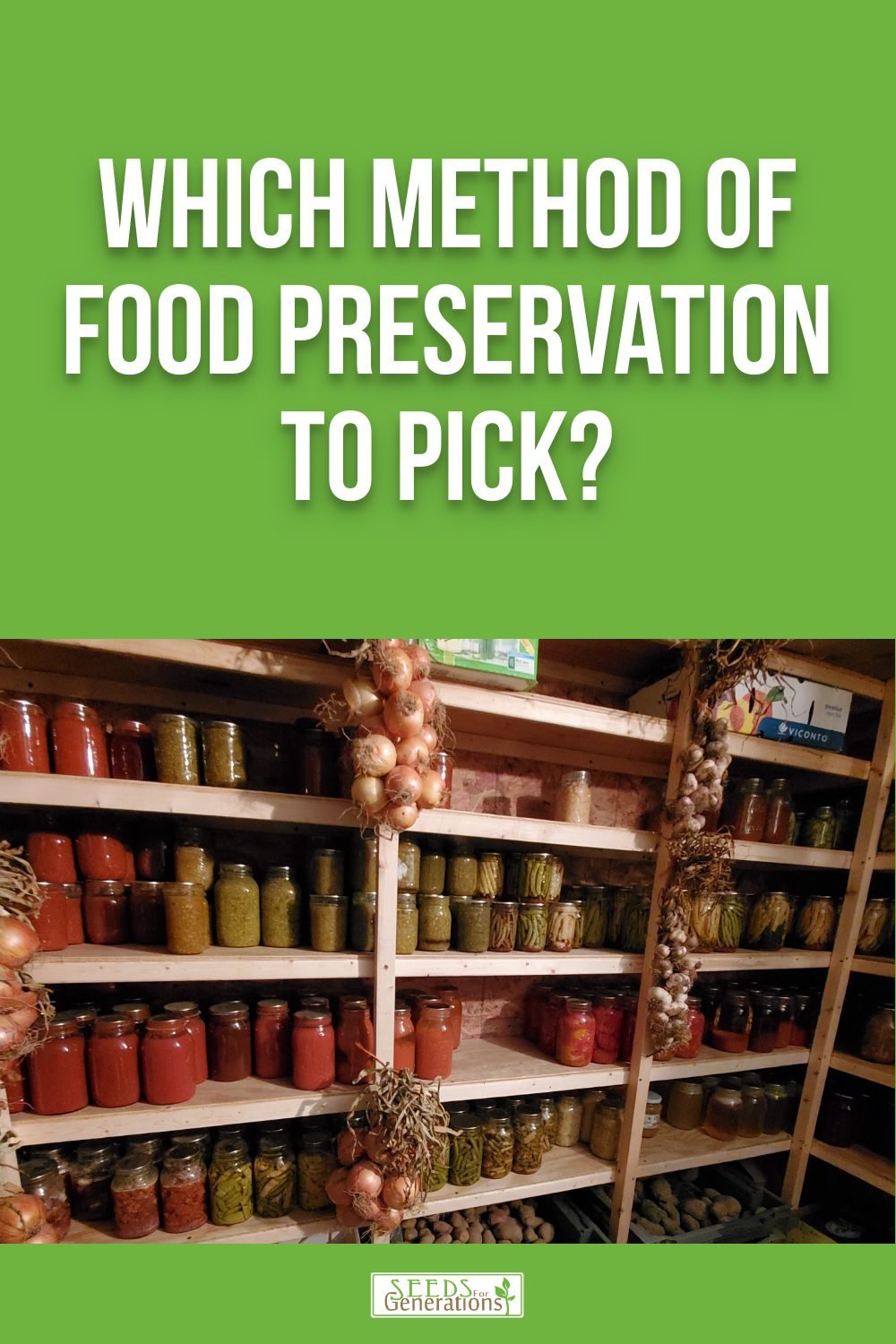
Canning
What is Canning?
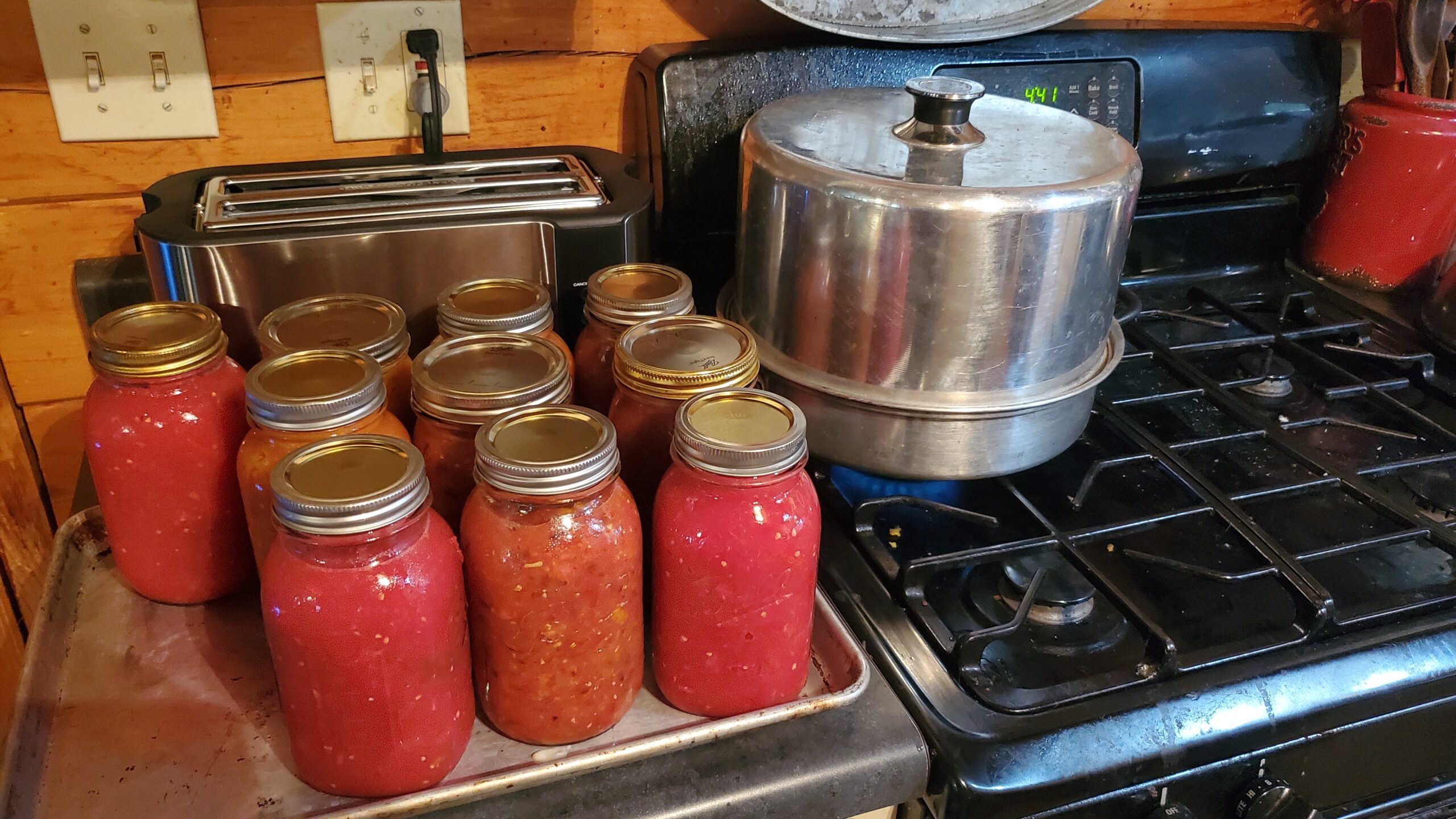
Canning is a method of preserving food by sealing it in airtight jars and heating them to destroy bacteria, yeasts, and molds that cause spoilage.
What is Canning Used For?
It’s commonly used for fruits, vegetables, sauces, jams, pickles, and even meats. Both water bath canning (for high-acid foods like fruits and vinegar pickles) and pressure canning (for low-acid foods like beans, vegetables, and meats) are popular.
What Do You Need to Start Canning?
You’ll need canning jars with lids, a large pot or pressure canner (depending on the type of canning you plan to do), and a few special tools like jar lifters and funnels. Proper sterilization and following tested recipes are critical for safety.
Canning Pros & Cons
Pros of Canning
– Long shelf life (often 1 year or more) without refrigeration or electricity.
– Retains flavor well for many foods.
– Allows you to store large quantities in a compact way, withou the use of plastic.
Cons of Canning
– Time-consuming and requires some equipment investment.
– Risk of foodborne illness if not done properly, though this is simple to mitigate.
– Not ideal for all foods (e.g., some leafy greens). It cooks the foods heavily and leaves them soft.
Psst…need some inspiration? My wife, Shannon, has posted some of our family favorite canning recipes here!
Freezing
What is Freezing?
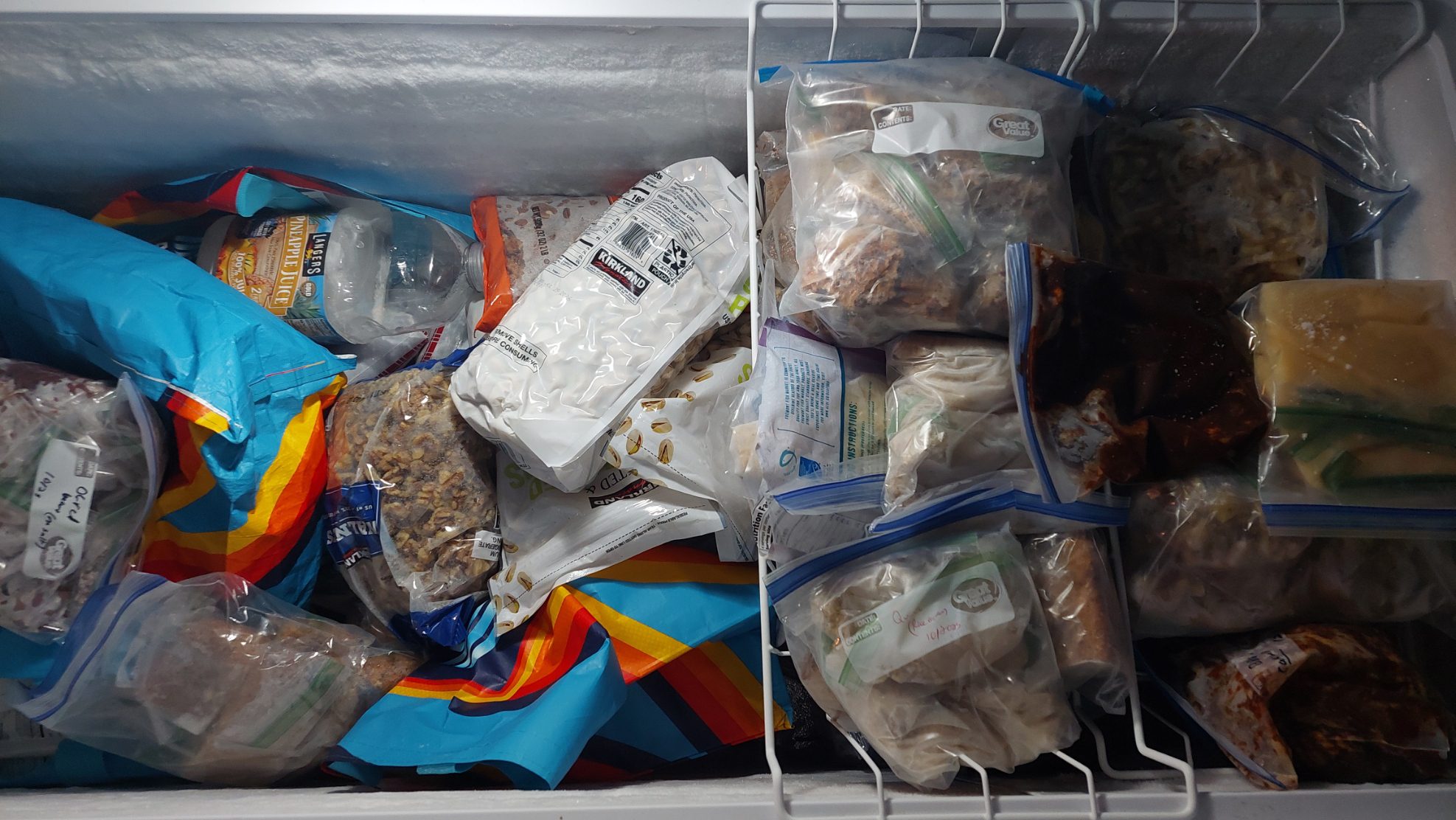
Freezing preserves food by slowing down enzyme activity and microbial growth through cold temperatures.
What is Freezing Used For?
Most fruits, vegetables, meats, and prepared meals can be frozen, though some fresh produce may need blanching first. Blanching is a quick process where you dunk the produce into boiling water briefly and then cool it down immediately in ice water. This stops the enzymes that makes food soggy in freezer storage.
What Do You Need to Start Freezing Food?
A reliable freezer with available space and airtight containers or freezer bags to prevent freezer burn.
Pros & Cons of Freezing Food
Pros of Freezing
– Quick and easy preservation method.
– Maintains nutritional value well, as well as texture for some crops you cannot preserve in other ways.
– Minimal preparation needed for many foods. Great for small amounts of food that would otherwise go to waste.
Cons of Freezing
– Requires constant electricity and freezer space.
– Some foods lose texture upon thawing (e.g., leafy greens), especially without proper blanching.
– Shorter shelf life compared to canning (typically 6-12 months).
Dehydrating
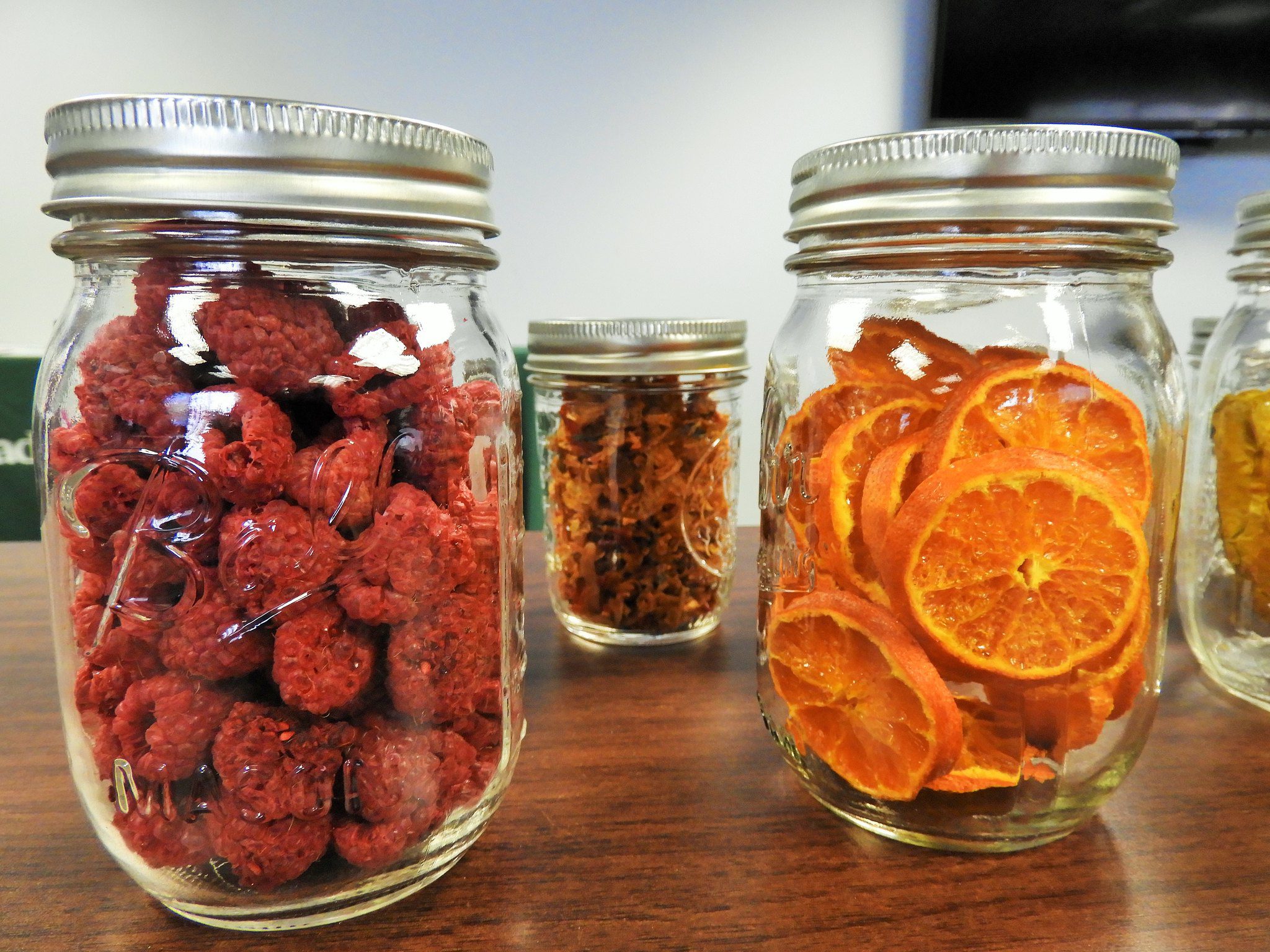
What is Dehydrating?
Dehydrating removes moisture from food, inhibiting the growth of bacteria and molds and making it shelf-stable.
What is Dehydrating Used For?
Great for fruits, vegetables, herbs, and even meats (jerky). Some people also like making homemade shelf-stable snacks like homemade fruit rollups.
What Do You Need to Start Dehydrating Food?
A food dehydrator or an oven with low-temperature settings (food dehydrator is more efficient); airtight storage containers are also important. Some people can also air dry or sun dry if they live in the right climates.
Pros & Cons of Dehydrating Food
Pros of Dehydrating
– Lightweight and space-saving. (You aren’t preserving a bunch of water in the food.)
– Long shelf life when stored properly.
– Concentrates flavors—great for snacks.
Cons of Dehydrating
– Texture changes significantly (dry and chewy).
– Can be time-consuming.
– Requires airtight storage to prevent moisture absorption.
Fermenting
What is Fermenting?
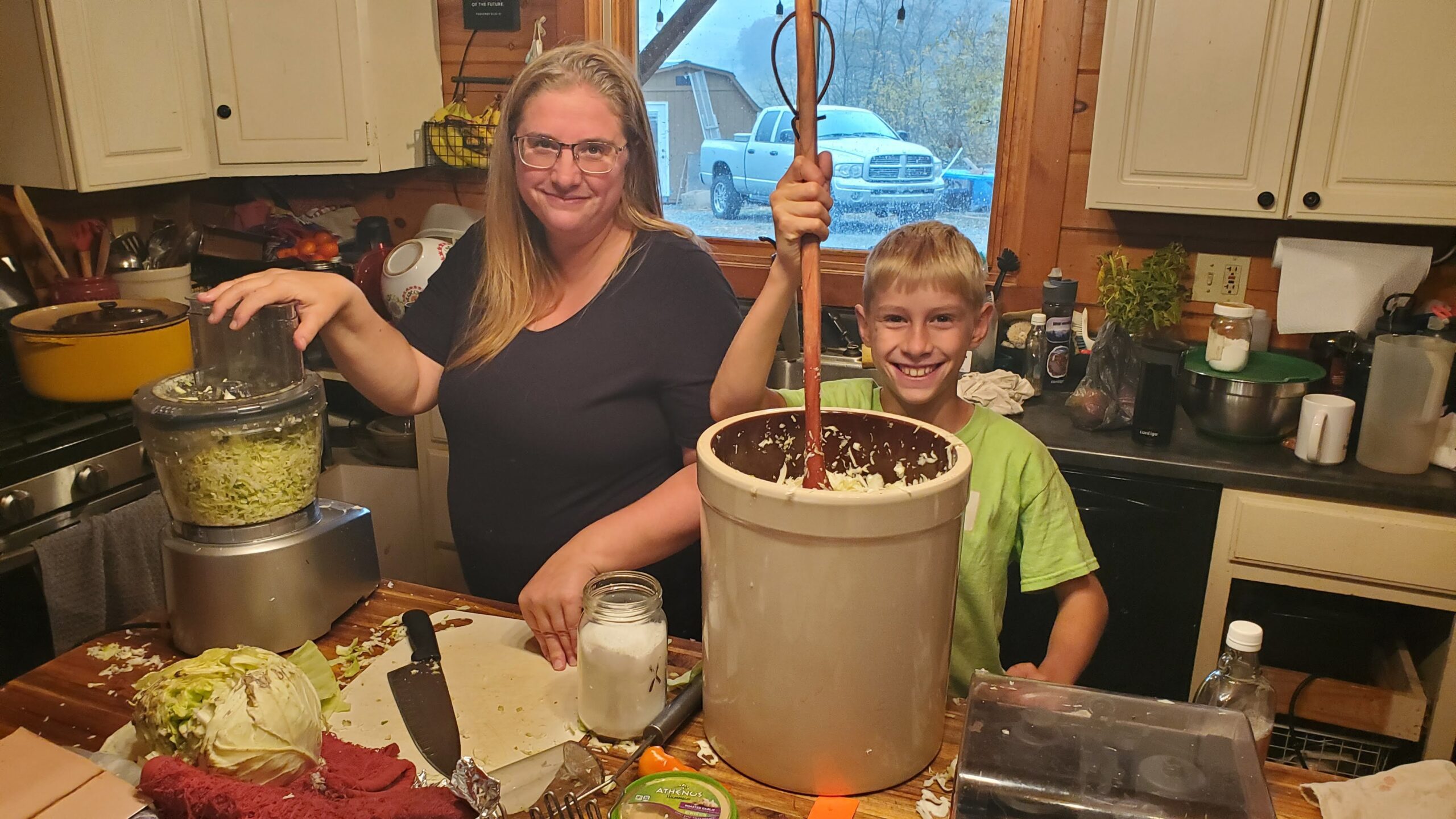
Fermentation uses beneficial bacteria or yeasts to transform sugars in food into acids or alcohol, naturally preserving it.
What is Fermenting Used For?
Commonly used for vegetables (sauerkraut, kimchi, lactofermented veggies like cucumbers, carrots, and radishes), dairy (yogurt, kefir, cheese), beverages (kombucha, water kefir, wine, beer), bread (sourdough), and more.
What Do You Need to Start Fermenting Food?
A clean jar or crock, proper salt concentrations (for vegetables), consistent room temperature, and sometimes starter cultures. Making beverages or alcohols may also require more specialized ingredients and supplies, depending on what you’re making.
Pros & Cons of Fermenting Food
Pros of Fermenting
– Enhances flavor complexity and nutrition (probiotics in particular).
– Requires minimal equipment in many cases.
– Can be done with simple ingredients (usually, though depends on the food).
Cons of Fermenting
– Takes time (days to weeks) to ferment, then doesn’t store long without cold temps to stop the fermentation process.
– Results can vary when you don’t have experience. You may need starter cultures, for example.
– Some may find the taste strong or unfamiliar.
Freeze Drying
What is Freeze Drying?
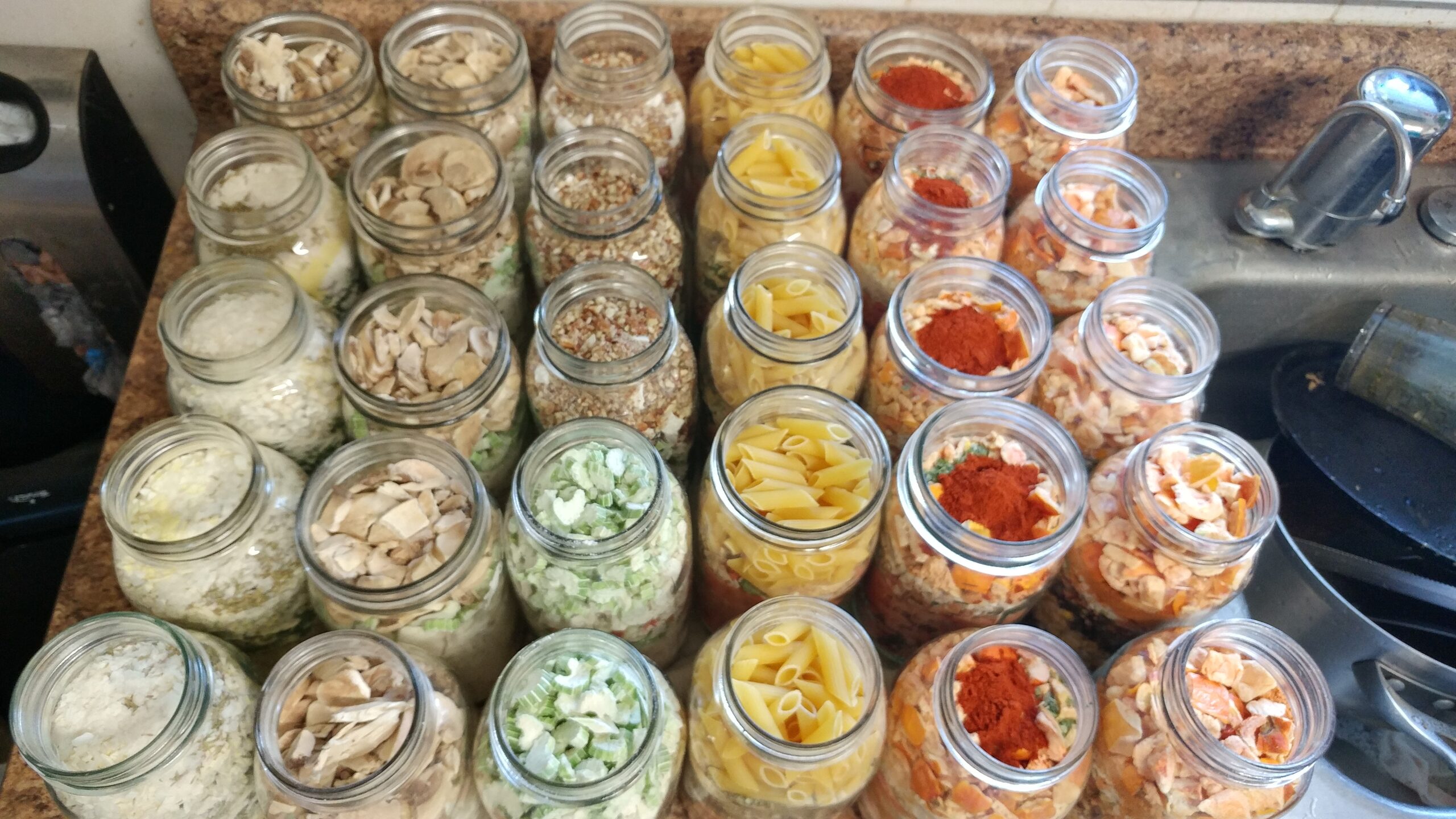
Freeze drying removes moisture by freezing food and then reducing surrounding pressure to allow frozen water to sublimate directly to vapor. It is a high-tech version of dehydrating that yields a better final product than regular drying.
What is Freeze Drying Used For?
Can be used for all sorts of things, including fruits, vegetables, herbs, eggs, dairy, etc. Also great for making ready-made meals and snacks.
What Do You Need to Start Freeze Drying Food?
Specialized freeze-drying machines; typically high initial cost. Harvest Right is one popular brand.
Pros & Cons of Freeze Drying Food
Pros of Freeze Drying
– Preserves flavor, texture, and nutrients exceptionally well.
– Very long shelf life—often years and even hypothetically decades.
– Lightweight products ideal for storage or backpacking.
Cons of Freeze Drying
– Expensive equipment required to make at home.
– Often not practical for small-scale home use.
Side note: Intrigued with freeze dried food but can’t invest in a machine yet? You can buy freeze dried food to stock your food storage in the meantime.
Other Preservation Methods
These are other preservation methods that aren’t as common, but may still interest you:
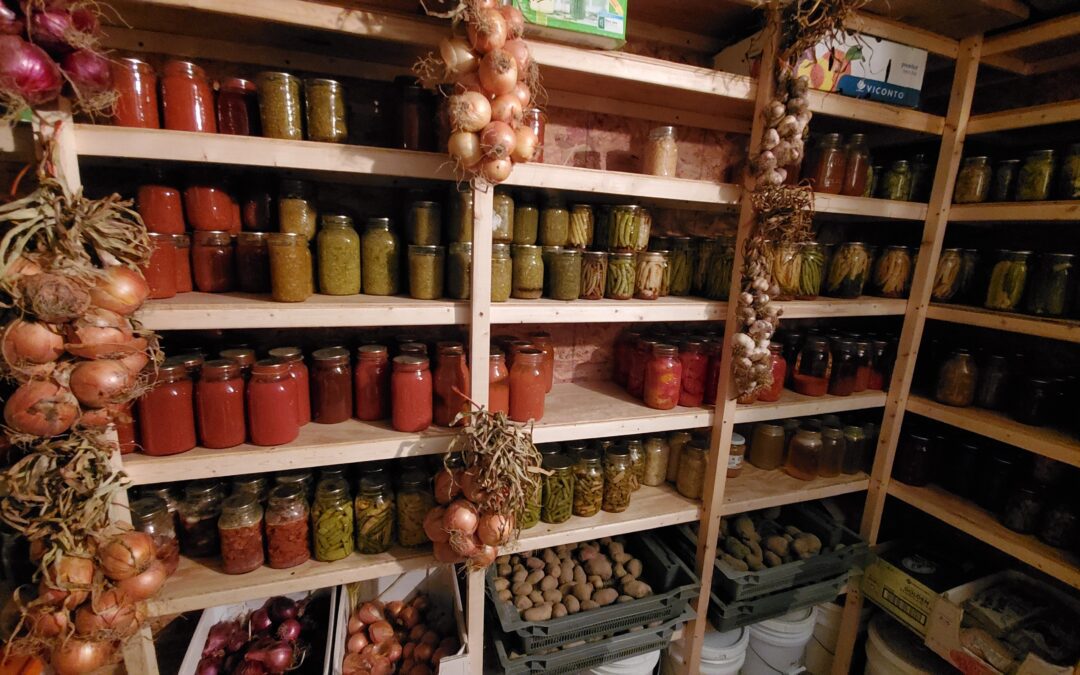
– Cold Storage: Keeping root vegetables like carrots, potatoes, and beets and fruits like apples and pears cellars or cool basements to extend freshness without processing.
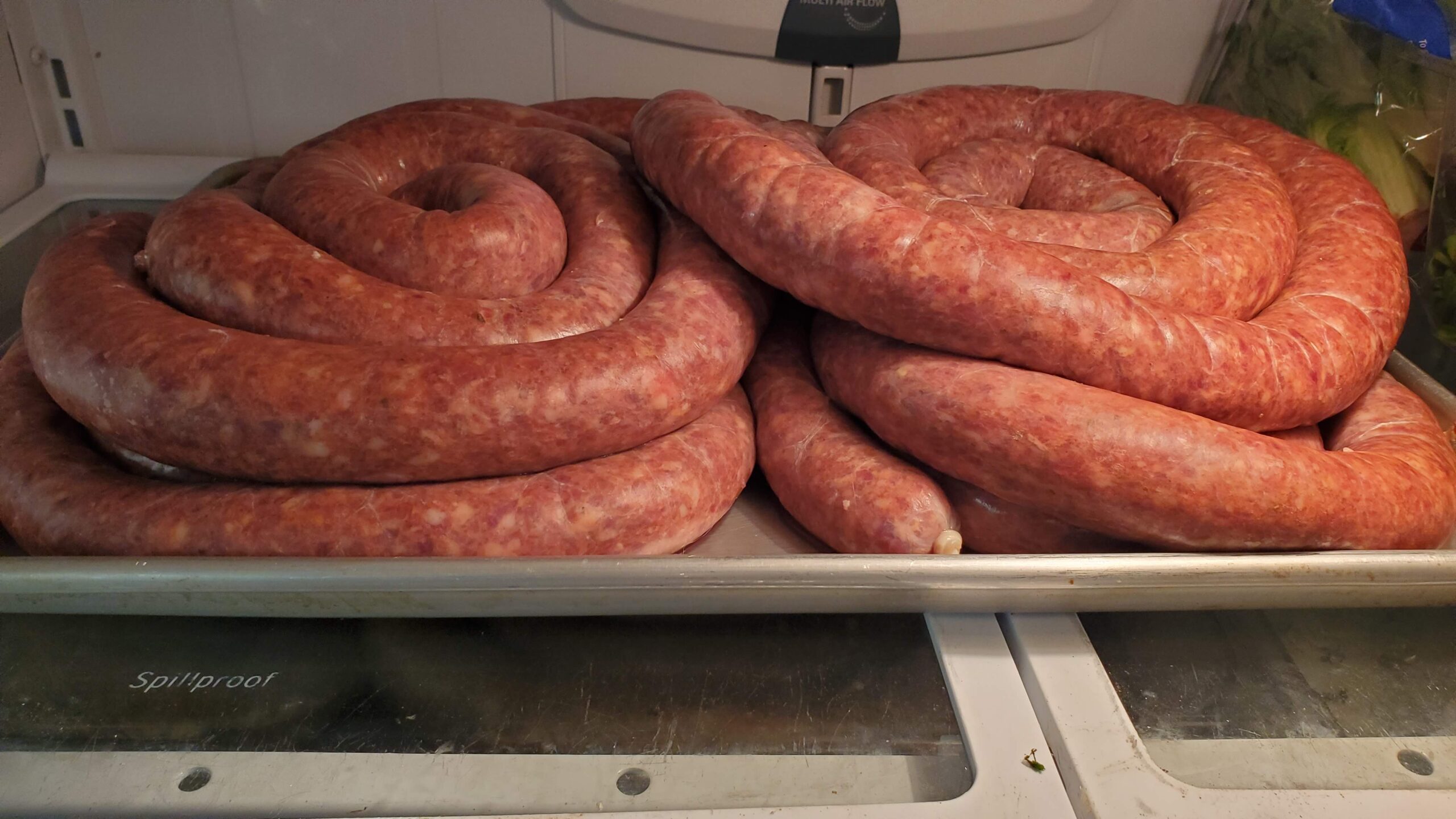
– Smoking & Curing: Primarily for meats and fish; adds flavor while preserving by drying and chemical action from smoke and/or curing seasonings.
– Sugaring: Preserving fruits by packing them in sugar or syrup, such as in jams or candied fruit.
Conclusion
Choosing the right preservation method depends on your goals, equipment, budget, available space, and the types of foods you want to save. Many gardeners use a mix of these methods to preserve what they grow best and enjoy eating the most.
What are you going to try first?