Deer are majestic creatures, often admired for their grace and beauty in the wild. Unfortunately, in the garden, they can be a nightmare, targeting many different plants and destroying crops in their way. In this article, we’ll share several tips for identifying deer damage in the garden, as well as ways to prevent and deter them from hanging around in the first place. Let’s learn how to deal with those deer for good!
The Lifecycle of Deer
Let’s understand the lifecycle of deer first:
1. The gestation period for most deer species typically lasts about 200 to 220 days. During this time, the female, or doe, carries the developing fawns.
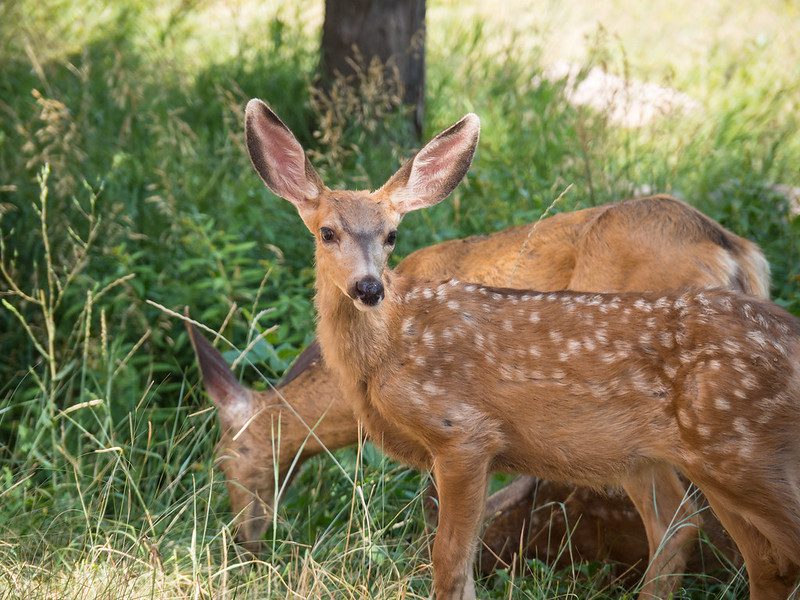
2. Fawns are usually born in late spring or early summer. A typical litter consists of one or two fawns, though twins are common in some species. At birth, fawns weigh around 5 to 10 pounds and are covered in spots for camouflage. They stay with their mothers for about 6 to 9 months. During this stage, they learn essential survival skills, such as foraging for food and avoiding predators. They rely heavily on their mother’s milk initially but gradually start eating solid food.
3. After the fawn stage, deer enter the juvenile phase, which lasts until they are about 1 year old. During this time, they become more independent but may still stay close to their mother. They continue to grow and develop their physical abilities.
4. Between the ages of 1 and 2 years, deer are considered subadults. They begin to establish their own territories and may start to compete with other deer for resources. Males start developing antlers during this stage.
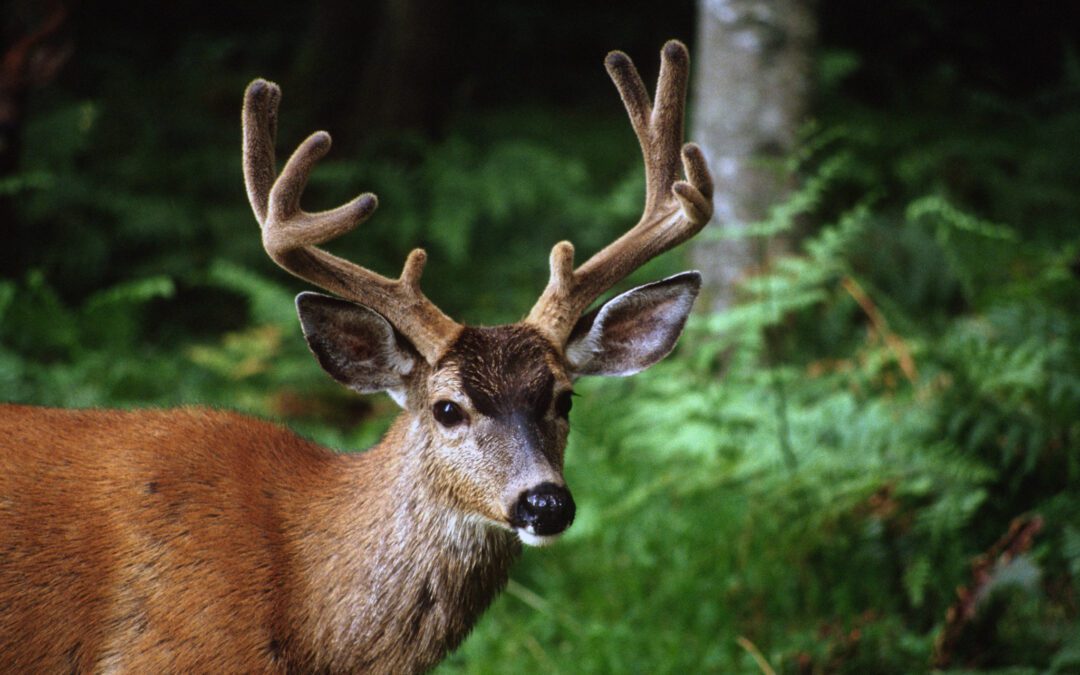
5. By the age of 2 years, deer reach sexual maturity. Adult males (bucks) grow antlers that they shed and regrow annually, while females (does) become capable of breeding. Adult deer typically live in social groups, although males often separate from females during the rutting season. The breeding season, known as the rut, usually occurs in the fall. Bucks become more aggressive and will compete for does. After mating, does will carry their fawns through the gestation period.
In the wild, the average lifespan of deer varies by species but generally ranges from 4 to 10 years, depending on factors like predation and habitat conditions. In captivity, they can live longer.
What Do Deer Eat in the Garden?
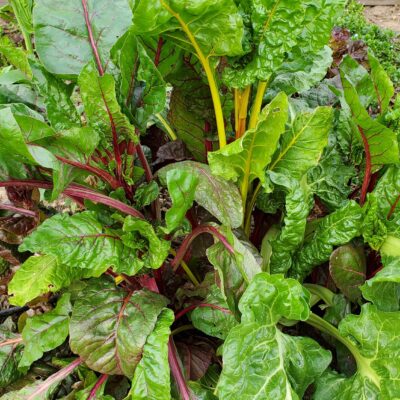
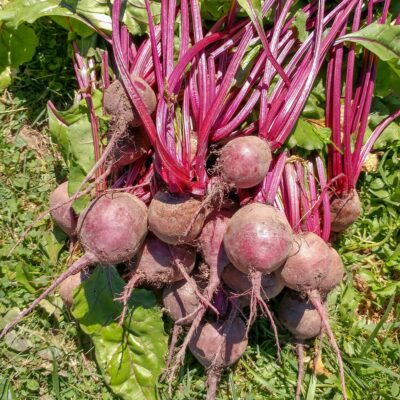
Deer are known to enjoy a variety of crops, including several vegetables and herbs. Common vegetables that attract deer include lettuce, cabbage, carrots, peas, broccoli, spinach, and tomatoes. When it comes to herbs, they are particularly fond of basil, parsley, cilantro, mint, oregano, and thyme. Even flowers aren’t safe, as deer often nibble on hostas, daylilies, petunias, marigolds, black-eyed Susans, and asters. Trees and shrubs also catch their interest, with apple trees, oak trees, maple trees, pear trees, and cherry trees being popular choices.
Additionally, deer are attracted to certain plants like clover, alfalfa, soybeans, and corn. Even if you don’t grow those commercial crops yourself, if you live near cropland, you may see more deer around as a result.
Recognizing Signs of Deer Activity in the Garden & Orchard
Deer tend to leave clean, angled cuts on leaves and stems. This is a distinct sign compared to other pests that may leave jagged edges. Still, observe the height at which plants are grazed. Deer usually feed at a height of about 1 to 3 feet off the ground, so any damage at this level may indicate their presence.
Deer also target fruits and vegetables when they are in season. You might notice nibbled fruits and missing vegetables. While deer are primarily above-ground feeders, they can also cause issues indirectly for root crops, because of soil compaction caused by stomping around. If deer graze heavily in an area, they may uproot young plants as they move about or search for food too.
Watch for tracks to confirm deer in the garden. Deer tracks are typically shaped like cloven hooves with two distinct points (approximately 2 to 3 inches long). You may find tracks in soft soil or muddy areas near your garden. If you notice well-worn trails leading to or from your garden, these could be routes that deer consistently use. Watch for droppings as well. Deer poop is made from small, round pellets that can often be found in clusters around your garden.
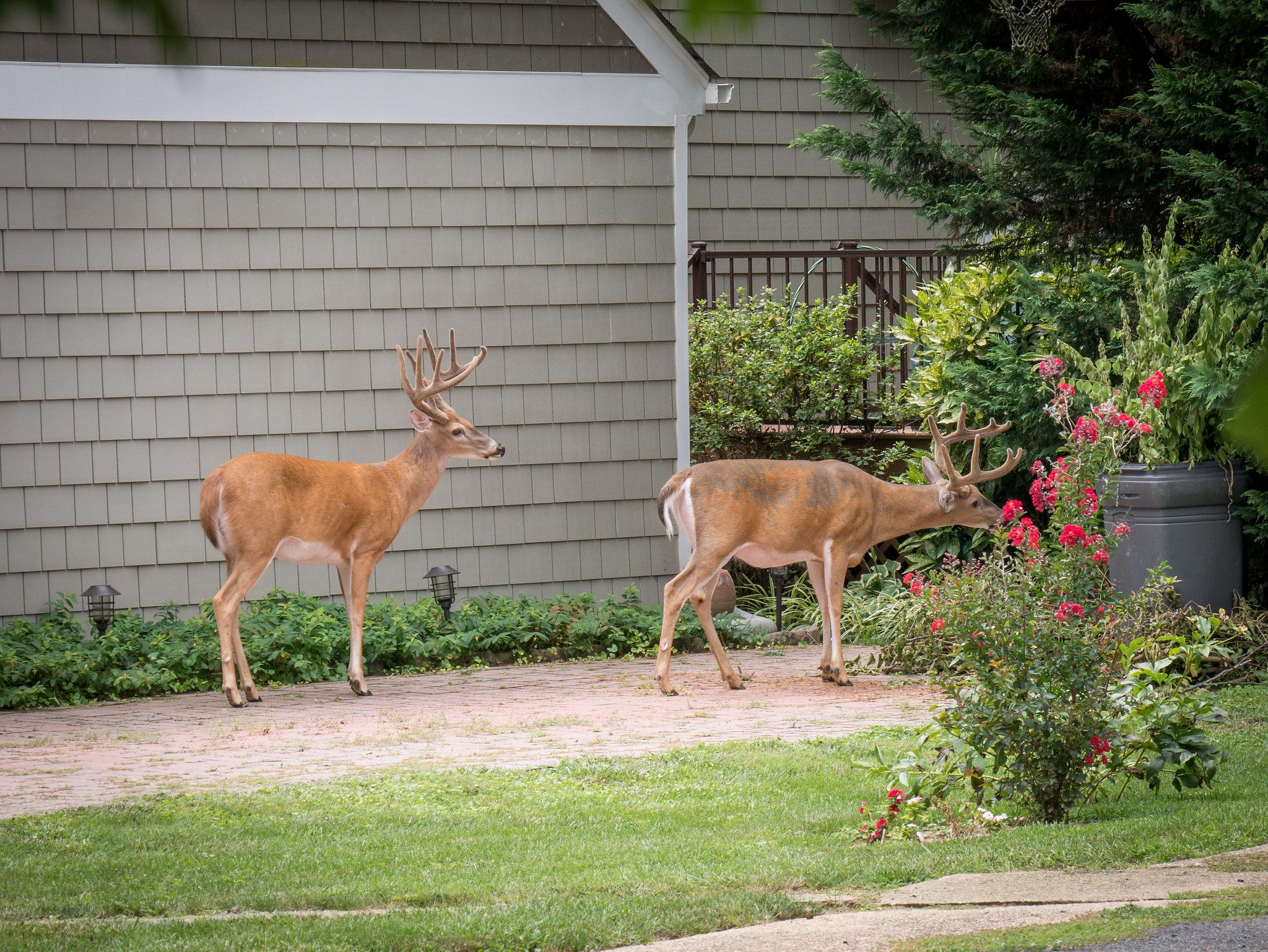
Finally, deer often leave signs beyond just grazing too: Male deer (bucks) may rub their antlers against tree trunks and shrubs during the rutting season, causing bark damage that can harm the plant. Bucks will also create scrapes in the ground as part of their territorial behavior, which may be noticeable nearby.
Preventing Deer in the Vegetable Garden
To effectively prevent deer from entering your garden, it’s important to understand their behavior. Deer are something called “crepuscular”–that just means that they are most active during dawn and dusk. They are also creatures of habit, often using established paths to navigate their environment. This knowledge can help you devise a plan to keep them away from your garden using these particular methods.
Physical Barriers for Deer
One of the most reliable ways to keep deer out of your garden is by installing a fence. Here are some pointers for creating an effective barrier:
- Height: A fence should be at least 8 feet tall, as deer are capable jumpers. The taller the fence, the less likely they are to attempt a leap.
- Material: Use sturdy materials like welded wire or stock fencing. Ensure that the openings are small enough to keep animals OUT of your garden, as some smaller animals may be able to squeeze through tinier openings than you might expect. A less expensive and less obvious option is black deer and bird netting, which creates an almost invisible barrier.
- Underground Extension: Consider burying the bottom of the fence 6 to 12 inches underground to prevent animals from digging underneath. This just gives your fence more protection.
For added protection, especially for young plants, garden netting can be an additional help. This lightweight material acts as a physical barrier against deer while still allowing sunlight and rain to reach the plants. Be sure to secure it properly to prevent any gaps. I’ve seen netting used more frequently for smaller pests and insects, but I’m sure it couldn’t hurt if you have a deer problem too.
Eliminate Attractants
Deer are more likely to enter gardens that offer easy food sources or shelter. To make your garden less appealing, make sure to pick up any fallen produce around your garden, as this can attract deer. Keep surrounding vegetation trimmed and tidy. Deer are drawn to areas with dense brush where they can hide and feel safe.
Repellents
There are many commercial deer repellents available that can be sprayed on plants to deter them with unpleasant odors or tastes. Look for products that are safe for use in vegetable gardens and follow the manufacturer’s instructions for application.
You can also create your own natural repellents using common household items. Some of these suggestions include making a soap solution out of a bar of strong-smelling soap and water. You can also make sprays from garlic and cayenne pepper, eggs, vinegar, essential oils, etc. that deer don’t like. Reapply these homemade repellents after rainfall or every few weeks for continued effectiveness. Combine different recipes for a stronger deterrent. Use barriers like fencing or netting along with repellents for more protection.
Other Deer Deterrents
Deer can be deterred by various factors that scare or startle them:
- Sudden loud sounds, such as clapping, shouting, or using noise-making devices like air horns or alarms, can startle deer and make them flee.
- The scent of predator urine (like coyote or wolf) can signal danger to deer, making them avoid areas where these scents are present.
- Motion-activated sprinklers or lights can scare deer when they detect movement and activate suddenly.
- The sight or smell of humans can deter deer. Regular human activity in an area can make deer feel unsafe.
- The presence of dogs can be a significant deterrent, as their scent and barking mimic predators. Dogs are one of the best options!
- Items that reflect light, such as aluminum foil, reflective tape, or old CDs, can catch a deer’s attention and scare them away.
- In many areas with high deer populations, there’s a hunting season every year. Learn how to hunt and take advantage of this available meat source where you live. After all, they’ve been eating well if they’re eating in your garden! 😉
FAQs About Deer
Q: What types of deer are commonly found in North America?
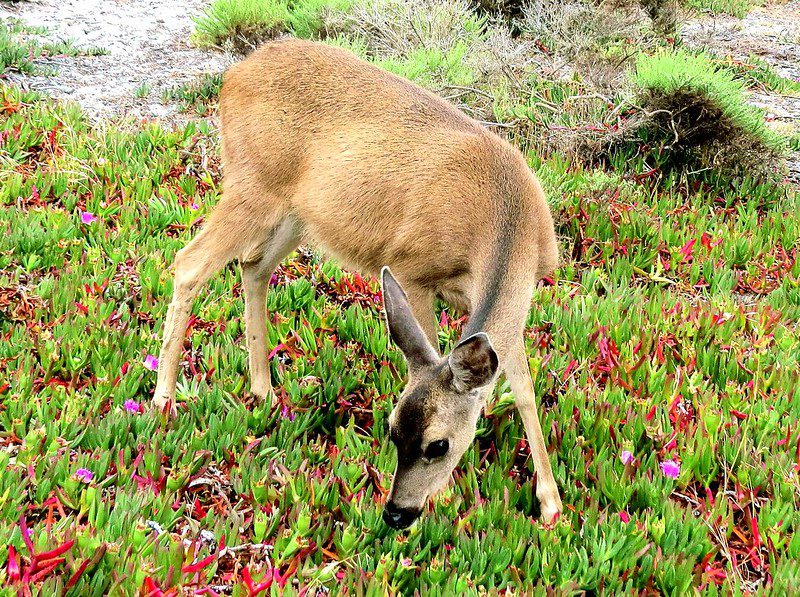
A: The most common species are the White-tailed Deer, Mule Deer, and Black-tailed Deer.
Q: When are deer most active?
A: Deer are crepuscular, meaning they are most active during dawn and dusk.
Q: How high can a deer jump?
A: A deer can jump up to 8 feet high, which is why fencing needs to be tall to be effective.
Q: How long do deer live?
A: In the wild, deer typically live around 4 to 5 years, although some can live much longer in protected environments. Deer are also social creatures and often form groups called herds, especially during the winter months. They generally stay within a core home range but can travel several miles if food or water sources become scarce.
Dealing with Deer in the Garden Conclusion
We hope these tips will help you as you’re dealing with deer in the garden! They’re pesky creatures, but it’s time to reclaim your harvest from them.